
日用品零售

Search documents
汕头市乐丛玩具有限公司成立 注册资本10万人民币
Sou Hu Cai Jing· 2025-09-14 18:02
Core Viewpoint - Shantou Lecong Toy Co., Ltd. has been established with a registered capital of 100,000 RMB, focusing on a wide range of retail and manufacturing activities in toys and various consumer goods [1] Company Summary - The company is registered with a capital of 100,000 RMB [1] - It operates in multiple sectors including toy sales, household goods, and various retail categories [1] - The company is involved in both retail and manufacturing of toys [1] Industry Summary - The company’s business scope includes the sale of toys, kitchenware, daily necessities, bicycles and parts, stationery, sports equipment, arts and crafts, musical instruments, automotive parts, home appliances, computing devices, electronic products, hardware, lighting, furniture, sanitary ware, building materials, clothing, footwear, textiles, baby products, adult products (excluding pharmaceuticals and medical devices), communication devices, and technology services [1] - The establishment of such a company indicates a growing market for consumer goods and toys in the region [1]
芒市顺元彩生活用品馆(个体工商户)成立 注册资本1万人民币
Sou Hu Cai Jing· 2025-09-11 10:56
Group 1 - A new individual business named Mangshi Shunyuancai Life Products Store has been established with a registered capital of 10,000 RMB [1] - The legal representative of the business is Zhong Yu [1] - The business scope includes wholesale and retail of daily necessities, clothing, maternal and infant products, and various other consumer goods [1] Group 2 - The business is authorized to operate without needing special permits for most of its activities, as long as it adheres to the business license regulations [1] - The store's operations encompass a wide range of products, including daily chemical products, home goods, leather goods, and plastic products [1]
五华区没生窗商贸行(个体工商户)成立 注册资本1万人民币
Sou Hu Cai Jing· 2025-09-10 08:35
Core Insights - A new individual business named Wuhua District Meisheng Window Trading has been established, with Zhao Shuli as the legal representative and a registered capital of 10,000 RMB [1] Business Overview - The business operates in a variety of sectors, including general merchandise sales, home appliance sales, retail of kitchenware and daily necessities, tea sets, hair accessories, maternal and infant products, gift and flower sales, textile products and raw materials, labor protection products, clothing and accessories retail, arts and crafts retail (excluding ivory and its products), photographic equipment and telescope retail, office supplies sales, five-metal products retail, jewelry retail, cosmetics retail, pet food and supplies retail, watch sales, hat and shoe retail, and internet sales (excluding items requiring permits) [1]
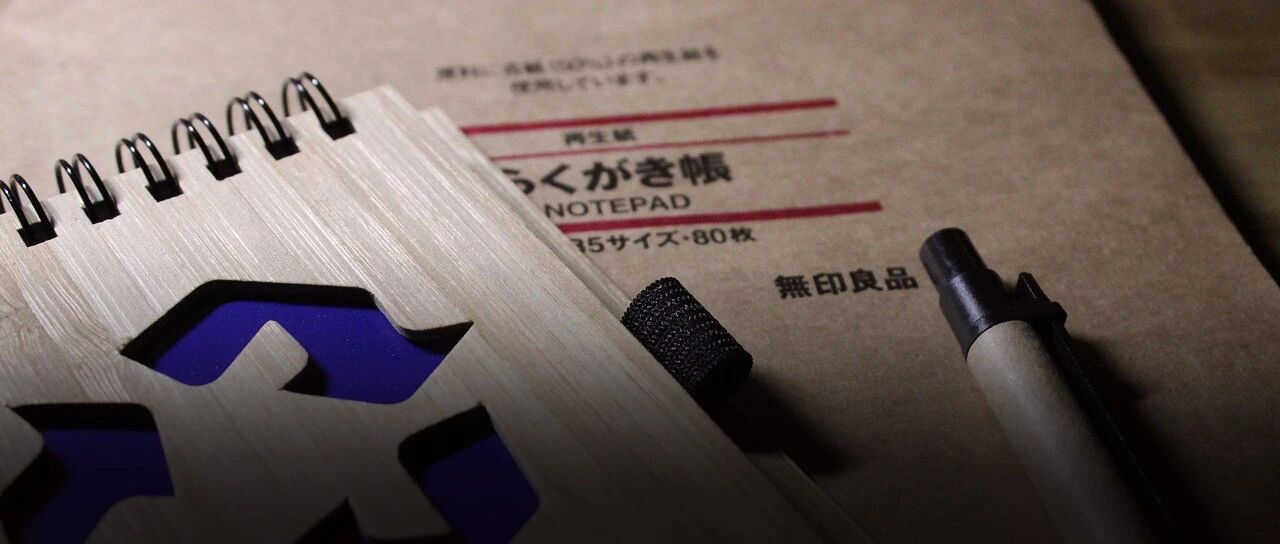
中产的最爱,正在大规模闭店
36氪· 2025-09-07 09:28
Core Viewpoint - MUJI's business model in China is facing significant challenges, leading to a series of store closures and a shift in consumer perception, marking the end of an era for the brand in the Chinese market [4][8]. Group 1: Store Closures and Financial Performance - MUJI has announced the closure of its Beijing Shimao Gong San store, set to close on August 31, 2025, as part of a broader trend of store closures in China, with 30 stores closed from 2022 to 2024 [5][7]. - As of May 2025, MUJI has closed 17 stores in mainland China, including locations in Shanghai, Suzhou, Jinan, Yantai, and Changsha [7]. - Despite the closures, MUJI plans to open approximately 40 new stores annually, with 15 new stores opened from March 1 to the present [48][51]. Group 2: Brand Image and Consumer Trust - The brand's image has deteriorated due to multiple product quality issues, including non-compliance with safety standards for various products, leading to a loss of consumer trust [10][13][17]. - Complaints against MUJI have surged, with 2,407 complaints reported on the Black Cat Complaints platform, covering issues like product quality and poor after-sales service [19]. - The brand's pricing strategy has also come under scrutiny, with products priced 25%-30% higher in China compared to Japan, leading to consumer dissatisfaction [33][41]. Group 3: Market Competition and Consumer Behavior - The rise of domestic competitors offering similar products at lower prices has intensified competition, challenging MUJI's market position [35][37]. - Changing consumer preferences towards value for money and quality have made it difficult for MUJI to maintain its previous appeal as a premium brand [37][54]. - The brand's attempts to adapt by introducing new store formats and product lines, such as "farm concept stores" and pet products, indicate a response to evolving market demands [55][57]. Group 4: Strategic Adjustments - MUJI is shifting its focus from traditional retail to online platforms, enhancing its e-commerce capabilities to drive growth [54][57]. - The company is also experimenting with larger flagship stores and diverse product offerings to attract a broader customer base [49][50]. - Despite these efforts, the brand faces a dilemma in balancing its original identity with the need to adapt to current consumer trends [57].

思茅区爱多步鞋穿戴技术经营部(个体工商户)成立 注册资本3万人民币
Sou Hu Cai Jing· 2025-09-06 08:44
Group 1 - The establishment of a new individual business named "Simao District Aiduobu Shoe Wearing Technology Operating Department" has been registered, with a legal representative named Yang Rong [1] - The registered capital of the business is 30,000 RMB [1] - The business scope includes general projects such as daily necessities sales, wholesale of daily necessities, agricultural and sideline products sales, primary agricultural products acquisition, internet sales (excluding goods requiring permits), wholesale and retail of shoes and hats, and wholesale of clothing and accessories [1]
中产的最爱,正在大规模闭店
盐财经· 2025-09-05 09:25
Core Viewpoint - MUJI is facing significant challenges in the Chinese market, leading to a wave of store closures and a decline in brand reputation due to quality issues and increased competition from local brands [5][6][30]. Group 1: Store Closures and Market Challenges - MUJI has announced the closure of its Beijing Shimao Gong San store by August 31, 2025, marking a significant shift after over a decade of operation [5]. - The company has closed a total of 30 stores in mainland China from 2022 to 2024, with 17 closures reported by May 2025 [5][6]. - The brand's decline is attributed to the rise of e-commerce, the emergence of competitive domestic brands, and changing consumer habits [6][30]. Group 2: Brand Image and Consumer Trust - MUJI's image as a premium brand is deteriorating, with increasing consumer complaints about product quality and service [10][15]. - The brand has faced multiple quality control issues, including non-compliance with safety standards for various products, leading to a loss of consumer trust [11][13]. - Complaints on platforms like Black Cat have surged, indicating growing dissatisfaction among consumers regarding product quality and pricing [15][17]. Group 3: Pricing Strategy and Market Position - MUJI's pricing strategy in China is significantly higher than in Japan, with prices 25%-30% more expensive, leading to consumer disillusionment [27][29]. - The brand's initial appeal as a high-end product has been undermined by the perception of overpriced goods that do not meet quality expectations [17][23]. - Despite attempts to lower prices, the brand struggles to attract consumers in the increasingly competitive market [32][44]. Group 4: Strategic Adjustments and Future Plans - MUJI is adopting a strategy of closing underperforming stores while simultaneously opening new ones in more lucrative locations, aiming for about 40 new stores annually [39][40]. - The company is expanding its flagship stores and diversifying its offerings, including new concepts like "farm concept stores" and pet products [41][44]. - Increased investment in e-commerce and instant retail has shown some positive results, but the brand must navigate the balance between maintaining its identity and adapting to new consumer trends [46][47].

名创优品:MINISO LAND全球壹号店月销1600万,开业9个月销售额破亿
Xin Lang Ke Ji· 2025-09-01 03:23
Core Insights - MINISO LAND, located on Nanjing East Road in Shanghai, achieved a monthly sales record of 16 million yuan, setting a new global single-store monthly sales record for MINISO [1] - IP products are the main driver of performance, accounting for 83% of sales [1] - The store reached a cumulative sales of over 100 million yuan within 9 months of opening [1] Financial Performance - MINISO's financial report for Q2 2025 shows total revenue of 4.97 billion yuan, representing a year-on-year growth of 23.1% [1] - As of the end of June, MINISO LAND has expanded to 11 stores across major cities including Shanghai, Beijing, Guangzhou, and Chengdu [1] - The average monthly sales per store reach several million yuan [1]
广州灼华珠宝首饰有限公司成立 注册资本50万人民币
Sou Hu Cai Jing· 2025-08-29 06:45
Core Viewpoint - Guangzhou Zhuohua Jewelry Co., Ltd. has been established with a registered capital of 500,000 RMB, indicating a diversification into various retail and manufacturing sectors, including jewelry and daily consumer goods [1] Company Summary - The company operates in multiple sectors, including retail of daily household appliances, automotive decoration products, and jewelry manufacturing and wholesale [1] - The registered capital of the company is 500,000 RMB, which reflects its initial investment capacity [1] Industry Summary - The company is involved in the sale of a wide range of products, including but not limited to baby products, cosmetics, office supplies, and personal hygiene items, showcasing a broad market approach [1] - The inclusion of internet sales and various consulting services indicates a modern business model that leverages technology and professional services [1]
2025年6月全国日用品类商品零售类值统计分析:当期值与累计值分别为793.5亿元和4314.8亿元
Chan Ye Xin Xi Wang· 2025-08-29 03:54
Group 1 - The core viewpoint indicates that the retail value of daily consumer goods in June 2025 reached 79.35 billion yuan, with a month-on-month growth of 7.04% and a year-on-year growth of 7.8% [1] - Cumulative retail value for daily consumer goods from January to June 2025 amounted to 431.48 billion yuan, reflecting a year-on-year increase of 7.3% [1] Group 2 - The data source for the statistics on the retail value and growth of daily consumer goods is the National Bureau of Statistics [2]

珠山区意趣可塑陶瓷工作室(个体工商户)成立 注册资本1万人民币
Sou Hu Cai Jing· 2025-08-29 03:22
Group 1 - The establishment of a new individual business named Yiqu Kesu Ceramic Studio in Zhuzhong District has been registered, with a legal representative named Chen Yinmao [1] - The registered capital of the business is 10,000 RMB, indicating a small-scale operation [1] - The business scope includes a variety of activities such as sales and manufacturing of daily ceramic products, new ceramic materials, and various retail and wholesale services related to household items, art crafts, and clothing [1] Group 2 - The business is involved in the sale of daily glass products, kitchenware, and personal internet live streaming services, showcasing a diverse range of offerings [1] - It also includes cultural and artistic activities, indicating a potential focus on community engagement and cultural promotion [1] - The business operates under a general project category, allowing for a wide range of activities without needing specific approvals for most operations [1]