Autos

Search documents
Ford (F) Fumbles Once Again and Continues To Disappoint Investors
247Wallst· 2026-03-13 12:15
Core Viewpoint - Ford continues to face significant challenges with vehicle recalls, raising concerns among investors about the company's quality control and leadership, despite remaining profitable alongside General Motors [1][2]. Group 1: Recalls and Quality Issues - Ford recently announced a recall of over 83,000 vehicles, contributing to a total of over 2 million recalls this year, which includes models from the previous year [1]. - Critics argue that the scale of recalls indicates deeper quality issues within the company, contradicting management's claims that these recalls pertain to older models [1][2]. - The company had over 100 recalls last year, and the ongoing recall issues are seen as a persistent problem that affects Ford's reputation [1][2]. Group 2: Financial Performance and EV Investments - Despite the recall challenges, both Ford and General Motors remain profitable, although investments in electric vehicles (EVs) have significantly reduced potential earnings [1]. - Analysts suggest that if Ford had maintained its focus on gasoline-powered vehicles, its profits over the past five years would have been substantially higher [2]. - The financial implications of the EV charge-offs have been described as staggering, indicating a significant impact on the company's overall financial health [2].


Lucid vs Rivian: New Vehicles, Same Question — Which EV Stock Is Worth the Risk?
247Wallst· 2026-03-13 11:45
Core Viewpoint - Rivian has a clearer path to profitability with significant backing and a new vehicle launch, while Lucid faces financial challenges and dependency on external funding [1] Product Pipeline Credibility - Rivian's R2 SUV, priced around $45,000, targets a high-volume market segment with first customer shipments expected in Q2 2026 [1] - Lucid introduced new vehicles but faced negative market reactions due to fears of dilution and widening losses, with a stock drop of 7.87% on March 12, 2026 [1] Path to Profitability - Rivian reported a gross profit of $144 million in 2025, with operating cash flow improving by 54.6% year-over-year to $1.4 billion [1] - Lucid's Q4 2025 cost of revenue was $944.64 million against revenue of $522.73 million, indicating losses on every vehicle sold [1] Downside Risk - Prediction markets estimate a 48.5% chance of Rivian declaring bankruptcy by the end of 2026, compared to 42.5% for Lucid [1] - Rivian has $3.579 billion in cash, while Lucid has only $997.8 million, down 46.21% year-over-year [1] Verdict - Neither Rivian nor Lucid is suitable for capital preservation-focused investors, but Rivian is seen as the more defensible choice for speculative investments [1]



DENZA Z9GT to start Europe's FLASH Charging revolution in April: Ready in 5, Full in 9, Cold Add 3
Globenewswire· 2026-03-13 11:41
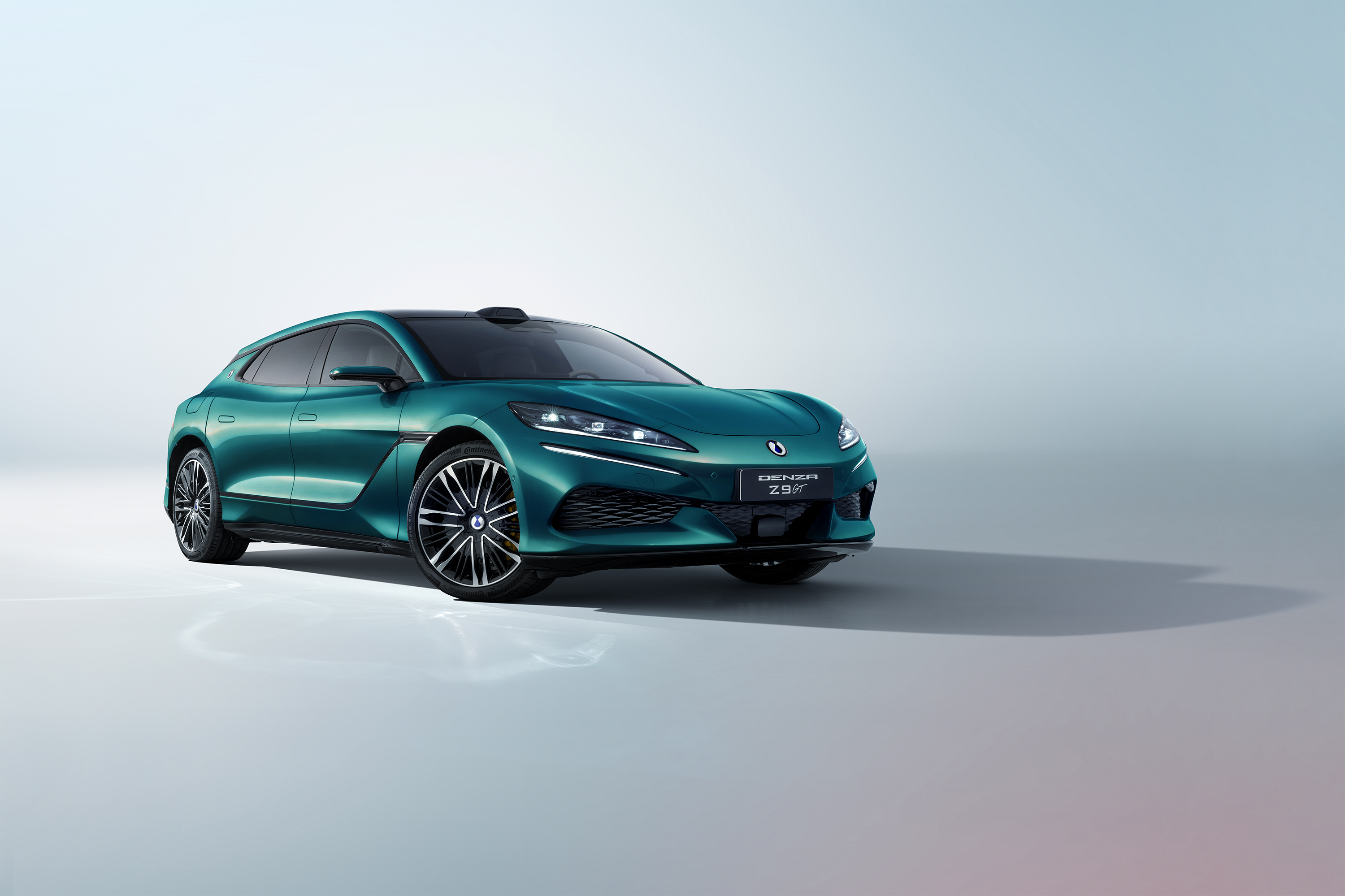
Core Insights - DENZA, a premium automotive brand under BYD Group, is set to launch its flagship Z9GT in Europe on April 8, 2026, featuring innovative FLASH Charging technology [1][4]. Group 1: FLASH Charging Technology - FLASH Charging is designed to facilitate the transition to zero-emissions mobility, utilizing a charging station capable of up to 1,500kW and the second generation of BYD's Blade Battery [2]. - The charging process allows for a battery charge from 10% to 70% in five minutes, and from 10% to 97% in nine minutes, even in extreme cold conditions [3][8]. - The principle of 'Ready in 5, Full in 9, Cold Add 3' highlights the efficiency of FLASH Charging, which can recharge from 20% to 97% in just 12 minutes at -30°C [3][8]. Group 2: Z9GT Features and Performance - The Z9GT features a bespoke e3 Platform and a 122kWh Blade Battery, offering a range of up to 800km in the rear-wheel-drive version [4]. - The vehicle boasts a powerful triple-motor version with over 960PS, achieving 0-100km/h acceleration in under three seconds [4]. - Inside, the Z9GT will provide an opera-house entertainment experience through a partnership with Devialet, utilizing advanced audio technology for immersive sound [5]. Group 3: Strategic Importance and Market Position - The introduction of the Z9GT in Europe is a significant milestone for DENZA, showcasing the brand's commitment to advanced technology and premium design [6]. - The global rollout of FLASH Charging, starting in Europe, aims to enhance the Z9GT's market appeal by addressing charging speed and convenience [7]. - Thousands of FLASH Charging stations have already been installed in China, with plans for further expansion in Europe to support the Z9GT's launch [7].

任性的智能汽车升级:随意上锁、卡顿至死|“315”特别策划
经济观察报· 2026-03-13 11:20
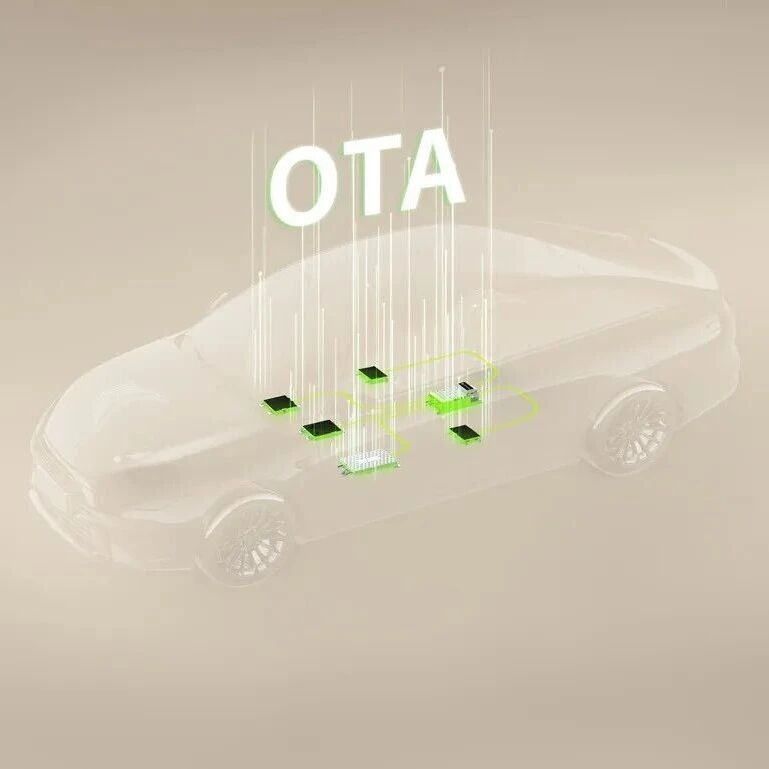
Core Viewpoint - The emergence of OTA (Over-the-Air) technology in the automotive industry raises concerns about whether it serves as a beneficial advancement in smart technology or as a means for some companies to evade responsibility through hidden practices [2][5]. Group 1: Issues with OTA Upgrades - A case was reported where a vehicle's battery capacity was silently limited after an OTA upgrade, reducing its range from over 400 kilometers to 380 kilometers, highlighting the lack of control for vehicle owners [2][4]. - Complaints from vehicle owners indicate that OTA upgrades have led to significant reductions in power output, with one vehicle's power dropping from 145 kW to 74 kW, affecting driving performance [4][5]. - Some companies are using OTA upgrades as a substitute for traditional recalls, implementing silent restrictions on battery capacity and power to avoid the costs and reputational damage associated with physical recalls [5][6]. Group 2: Regulatory Developments - In February 2025, a joint notice from the Ministry of Industry and Information Technology and the State Administration for Market Regulation established clear boundaries for OTA management, emphasizing that OTA is a technical service for recalls and cannot replace them [13][14]. - New regulations require that any changes to vehicle performance parameters due to OTA upgrades must be reported and approved, ensuring that consumers are informed about significant changes [14][15]. - The implementation of GB 44496-2024 mandates comprehensive testing and user notification before OTA upgrades, aiming to enhance consumer protection [15]. Group 3: Consumer Concerns and Market Dynamics - Many consumers express dissatisfaction with the lack of OTA updates for older models, leading to complaints about outdated systems and poor user experience [8]. - The automotive industry faces a dual challenge of rising costs due to increased material prices while simultaneously dealing with competitive pressures that lead to price reductions for consumers [9]. - The shift towards new models and the neglect of OTA services for older vehicles reflect a broader trend where companies prioritize resource allocation for new developments over maintaining existing customer relationships [9][10]. Group 4: Technological Limitations - The disparity in hardware capabilities between older and newer vehicle models means that OTA upgrades cannot always deliver the same performance improvements, particularly in advanced features like autonomous driving [11][12]. - The latest generation of automotive chips significantly outperforms older models, indicating that hardware upgrades may be necessary for older vehicles to access new functionalities [11][12]. Group 5: Future Considerations - The average replacement cycle for electric vehicles has decreased, raising questions about consumer willingness to continue using older models without adequate OTA support [15][16]. - Companies are urged to fulfill promises regarding "lifetime free OTA upgrades" and ensure that all users receive fair access to improvements, addressing the concerns of older vehicle owners [16].
BofA Bullish on General Motors (GM), Describes It As Leading Automaker
Yahoo Finance· 2026-03-13 11:16
Core Viewpoint - General Motors Company (NYSE:GM) is recognized as one of the best value stocks to invest in, reflecting a positive outlook from analysts and significant price appreciation over the past year [1][2]. Analyst Sentiment - The consensus price target for GM is $100.00, indicating a potential upside of 33.89%, with nearly 62% of analysts maintaining "Buy" ratings [2]. - GM shares have increased by over 55% in the past year, although this is less than the auto manufacturing industry's gain of over 80% [2]. Analyst Coverage - BofA analyst Alexander Perry initiated coverage of GM with a "Buy" rating and a price target of $105, citing GM's strong market position as the leading automaker in the U.S. [3]. - Recent regulatory reforms have improved the environment for internal combustion engine (ICE) vehicles, positioning GM favorably to maintain its leadership [3]. Product Strategy - BofA projects that GM will benefit from shifting its product mix away from less profitable electric vehicles towards higher-margin trucks and SUVs, which could enhance the company's margins and earnings growth [4]. - GM is a Detroit-based automaker focused on manufacturing and selling automobiles, parts, and software services globally, founded in 1908 by William C. Durant [4].

氪星晚报 |魅族手机“解体”:做车机,做AI,或者离开;美团王莆中:建设物理世界AI底座,帮每个商家都用上自己的AI助理
3 6 Ke· 2026-03-13 11:08
Group 1: Company Developments - Xiaopeng Motors has published a patent for a robot gait adjustment method, enhancing the robot's adaptability and stability in complex terrains like stairs [1] - Meizu has announced a major restructuring, with over 50% of its employees, approximately 400 people, set to leave, while focusing on AI software and automotive technology [2] - Didi reported a 13.5% year-on-year increase in orders for Q4 2025, with a total of 4.844 billion orders and a daily average of 52.65 million orders [3] - Meituan's CEO emphasized the importance of building an AI foundation for businesses, focusing on logistics and robotics investments [4] - Fosun Group's subsidiary, Zhejiang Shangmeng Technology, has increased its registered capital from approximately 100 million to about 210 million RMB, marking a 104% increase [5] - Chasing Technology plans to launch its first space computing satellite next week, with a goal of deploying 2 million satellites in the future [6][7] - NetEase Youdao has launched the industry's first simultaneous interpretation agent, supporting 71 languages and 125 accents for real-time recognition [8] - Xiaopeng Huitian has completed nearly $200 million in equity financing, bringing its total historical equity financing to approximately $1 billion [9] - Stone Technology showcased its full range of flagship products at AWE 2026, holding a 27% market share in the global vacuum cleaner market [10] - Alibaba Cloud introduced the "One-Click Shrimp Farming" product, allowing users to operate AI without coding knowledge [11] - Huolala has officially launched new service categories, including "movers" and "cleaning services," expanding its service offerings [12] Group 2: Industry Insights - Meituan's CEO Wang Xing stated that the digitalization of the physical world will be a crucial foundation for AI, predicting significant changes in productivity and organizational structures due to AI advancements [13] - The Central Committee and State Council of China have issued guidelines to optimize urban layouts in revolutionary old areas, promoting the development of regional center cities [13]


Lotus Tech Becomes the Second Automaker to Obtain UN R171 Certification Globally, Advancing ADAS Compliance
Globenewswire· 2026-03-13 11:00
Core Insights - Lotus Technology Inc. has achieved UN R171.01 certification, becoming the second global automaker to do so, which enhances its position in the intelligent and luxury mobility sector [1][4][9] Group 1: Certification and Compliance - The UN R171 regulation, effective since September 2024, is the first globally harmonized technical regulation for Level 2 Driver Control Assistance Systems, establishing standardized requirements for automakers [3] - The LOTUS Eletre is the first and only China-built model certified under UN R171.01, equipped with the Highway Navigation Pilot (HNP) function [4][9] - Certification involves both closed-course validation and real-road assessments to ensure safety limits are maintained while allowing driver control [3] Group 2: Product Development and Features - The LOTUS Eletre's HNP function will be rolled out in Europe via over-the-air updates starting June 2026 [2][9] - The intelligent parking and ADAS suite, LOTUS For Me (Eletre X in Europe), is planned to pursue UN R171 certification in the future [5] Group 3: Strategic Focus and Future Plans - The company emphasizes a "Safety First, Compliance Priority, Consistent Experience" approach to enhance ADAS capabilities [6] - Lotus Tech is committed to delivering safer and smarter mobility experiences through rigorous R&D and adherence to global standards [5]

Middle East crisis adds pressure on global automotive sector
Yahoo Finance· 2026-03-13 10:57
Core Viewpoint - The ongoing conflict in the Middle East is expected to negatively impact vehicle demand, adding to existing challenges in the automotive sector such as uneven electric vehicle sales, tariffs, and slower growth in China [1][2]. Group 1: Impact of Middle East Conflict - Volkswagen and Volvo Car have expressed concerns that the heightened uncertainty from the Middle East conflict could lead consumers to postpone or abandon vehicle purchases [1][2]. - Volkswagen's sales chief noted a decline in customer sentiment across many markets, indicating increased anxiety among consumers [1]. - The Middle East Light Vehicle market is projected to sell three million units in 2025, with one-third of those sales attributed to Iran [3]. Group 2: Market Dynamics and Challenges - The transition to electric vehicles remains challenging, particularly as Chinese brands are increasing competition in Europe with lower-priced models [3]. - The automotive industry is facing declining earnings due to tariffs imposed by the US, which have compounded existing pressures from the market downturn in China [2]. - Initially, the Middle Eastern automotive market was expected to grow, but analysts have adopted a more cautious outlook for 2026 due to the rapidly evolving situation regarding the Iran War [4].
Markets Have Had 2 Weeks of Pain. That Luck Won't Change on Friday the 13th.
Barrons· 2026-03-13 10:53
Group 1 - Trump's 'Plan B' tariffs are set to be implemented, indicating a shift in trade policy that could impact various industries [1] - The CFTC is providing guidance for sports prediction markets, which may open new avenues for investment and regulatory clarity in the gaming sector [1] - Honda has reported significant losses in its electric vehicle (EV) segment, highlighting challenges in the transition to EVs and potential implications for the automotive industry [1]

Volkswagen reclaims top spot in China car sales, BYD falls to fourth as EV subsidies fade
Reuters· 2026-03-13 10:46
Core Viewpoint - Volkswagen has reclaimed its position as the top car seller in China, overtaking BYD as electric vehicle subsidies diminish [1] Group 1: Market Position - Volkswagen's joint ventures with FAW and SAIC hold a combined 13.9% share of China's passenger vehicle market, while Geely follows closely with 13.8% [1] - Toyota's joint ventures with GAC and FAW account for a combined 7.8% market share [1] - BYD has fallen to fourth place with a 7.1% market share, experiencing its largest sales drop since the pandemic [1] Group 2: Impact of Subsidy Changes - The decline in electric vehicle subsidies has led to a shift in consumer preferences, with hybrid EVs gaining traction, particularly those offered by Toyota [1] - Local automakers focusing on budget electric and plug-in hybrid vehicles are facing significant challenges due to reduced incentives [1] Group 3: Competitive Landscape - Tesla has introduced its first major battery upgrade in six years to boost sales in a market increasingly focused on value rather than aggressive pricing [1] - Volkswagen is set to launch over 20 new EV models in China this year, including its first model co-developed with Chinese partner Xpeng [1]