Home Appliances

Search documents
健身教培等行业预付消费纠纷高发
Xin Lang Cai Jing· 2026-01-09 18:42
Core Insights - The report highlights an increase in consumer complaints in Qinghai Province, with a total of 41,724 complaints received in 2025, marking a 26% increase from 2024 [1] - The resolution rate for these complaints stands at 74.1%, with 30,918 cases resolved, resulting in a total economic loss recovery of 11.768 million yuan [1] Group 1: Complaint Statistics - In 2025, the breakdown of complaints includes 22,219 related to goods, 13,583 related to services, and 5,922 categorized as others [2] - The increase in resolved complaints reflects a 13.1% rise in resolution rate and a 14.9% increase in the amount of economic loss recovered compared to the previous year [1] Group 2: Characteristics of Complaints - Over 50% of complaints pertain to goods, with significant issues reported in food quality and safety, as well as after-sales service for home appliances [2] - Service-related complaints are rapidly increasing, particularly in pre-paid consumption and lifestyle services, with notable issues in fitness, education, beauty, and travel sectors [2] Group 3: Recommendations and Actions - The provincial consumer association suggests collaborating with administrative departments for targeted rectification and enhancing the functionality of the national consumer complaint platform [3] - There is an emphasis on improving consumer risk identification and legal rights awareness, aiming to create a cooperative environment for consumer protection [3]
海尔405L风冷对开冰箱
Xin Lang Cai Jing· 2026-01-09 06:48
下单享多重权益 省心服务为您守护 星蕴银 405L 一级节能冰箱 强烈推荐 > 行业爆款冰箱l高性价比 405升十字对开门冰箱、一级双变频,低噪节能,冷藏 三档变温,满足多样需求,DEO净味保鲜,混放不串味 360°立体环绕式送风,跟冰霜说拜拜,支持WiFi智控 叠加店铺权益 国补下单 42096 更优惠 立减20% 晉闻客服 买贵补差 你假30娱 晒单加赠 02 01 10年 2000年保 退换无忧 京东物流 03 04 TSEFF 3 SEE N 量缺次冒涨 送货上门 白条免息 06 05 经镇回放 3期0利息 正品保障 惊喜连连 08 联保 l [ 单 更 ] 好 ] 相 赠 全国联席 售后无忧 V > 新浪财经APP 24 小时三球 基资讯 下载APP > 下单享多重权益 省心服务为您守护 星蕴银 405L 一级节能冰箱 强烈推荐 > 行业爆款冰箱|高性价比 405升十字对开门冰箱,一级双变频,低噪节能,冷藏 三档变温,满足多样需求,DEO净味保鲜,混放不串味 360°立体环绕式送风,跟冰霜说拜拜,支持WiFi智控 叠加店铺权益 国补下单 更优惠 立電20% 晒单加赠 买贵补差 01 02 优保305 ...

石头轮足扫地机器人「G-Rover」亮相CES 2026
Xin Lang Cai Jing· 2026-01-09 02:50
CES 2026上来了一款长了"脚"的扫地机器人,边爬楼梯 边清洁,下坡也不打滑。还能攻克像斜坡、多层门槛等 复杂清洁区,多层住宅也任意爬! CES 2026上来了一款长了"脚"的扫地机器人,边爬楼梯边清洁,下坡也不打滑。还能攻克像斜坡、多层 门槛等复杂清洁区,多层住宅也任意爬! ...

SharkNinja, Stock Of The Day, Breaks Out On Strong Outlook For Its Appliances
Investors· 2026-01-08 22:20
Group 1 - No relevant content found in the provided documents [1][2][3][4][5][6]
Should You Buy Electrolux AB (ELUXY) After Golden Cross?
ZACKS· 2026-01-08 15:56
Core Viewpoint - Electrolux AB (ELUXY) is showing potential for a bullish breakout due to a recent "golden cross" in its moving averages, indicating a positive technical outlook [1]. Technical Analysis - ELUXY's 50-day simple moving average has crossed above its 200-day simple moving average, forming a "golden cross," which is a significant bullish indicator [1]. - A successful golden cross event consists of three stages: the stock price bottoms out, the shorter moving average crosses above the longer one, and the stock maintains upward momentum [2]. Performance Metrics - Over the past four weeks, ELUXY shares have increased by 10.4% [3]. - The company currently holds a 3 (Hold) rating on the Zacks Rank, suggesting potential for further gains [3]. Earnings Outlook - The earnings outlook for ELUXY is positive, with no downward revisions in earnings estimates over the past two months and two upward revisions, leading to an increase in the Zacks Consensus Estimate [3][5].

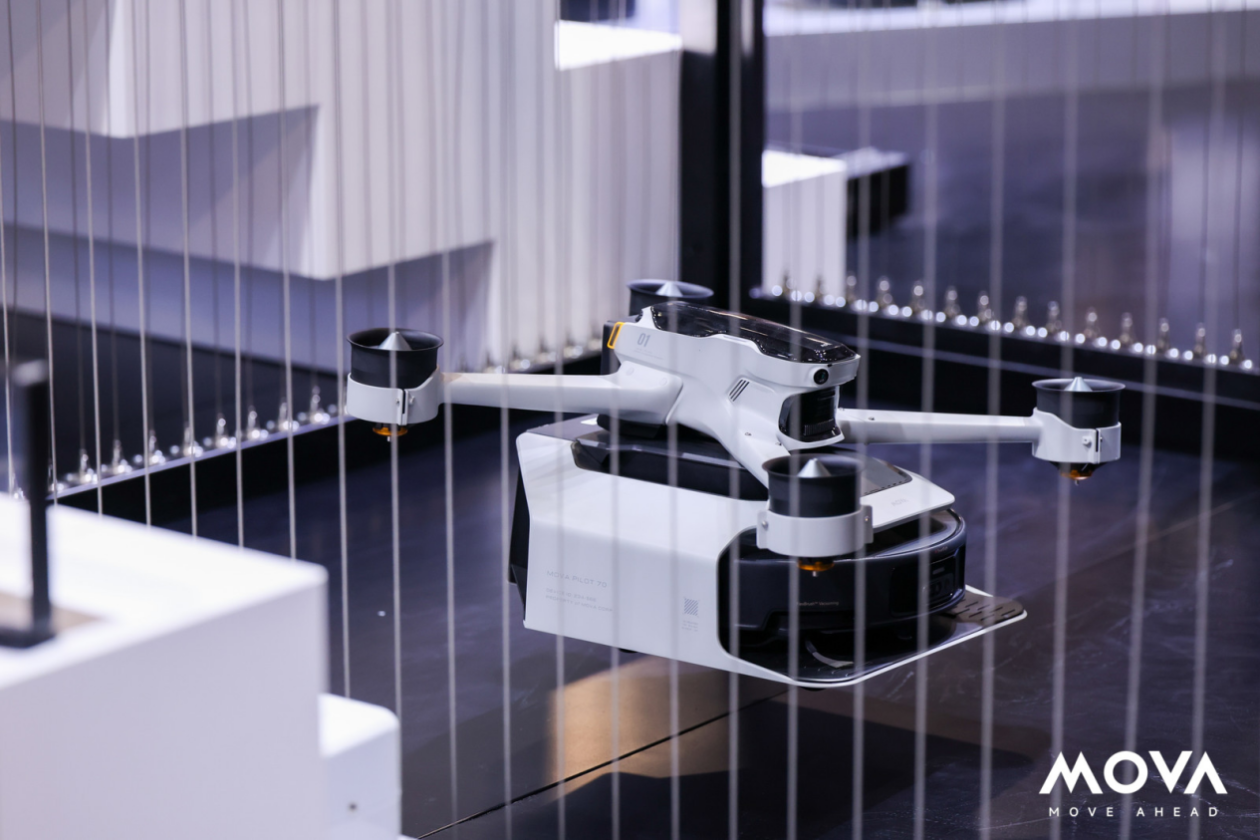
MOVA在CES 2026亮出“飞行模组”:扫地机能飞到二楼
Huan Qiu Wang· 2026-01-08 10:38
最引人注目的当属Pilot 70飞行模组。该方案通过集成轻量化无人机吊装系统,使标准扫地机器人可被垂直提升并精准投放至二楼、露台甚至阳光房等高处 平台。尽管目前仍为概念验证阶段,但其背后涉及的多模态定位融合、低扰动起降控制与空间路径规划算法,已暗示MOVA正在构建面向立体家居的下一代 清洁基础设施。 MOVA产品负责人在现场表示,"当90%的扫地机器人卡在一楼,我们的目标是让清洁覆盖100%的生活空间。" 除飞行方案外,MOVA同步发布了三款量产新品,均聚焦于提升自动化精度与用户体验闭环: ZEUS 60:搭载自研爬楼模组,可在≤35°楼梯间自主上下,实现跨楼层连续作业;对于复式、别墅用户而言,楼层是物理隔断,也是清洁自动化链条上最脆 弱的一环。ZEUS 60通过稳定的爬楼模组,将分散的平面清洁区串联成真正的、连续的全屋闭环。 MOBIUS 60:配备多光谱地面识别系统,可实时分辨瓷砖、木地板、地毯等材质,并自动切换专用拖布,避免交叉污染; 【环球网科技报道 记者 张阳】在2026年国际消费电子展(CES 2026)上,智能清洁品牌MOVA以一套极具未来感的产品矩阵,向行业抛出一个大胆命题: 家庭清洁的下一战 ...
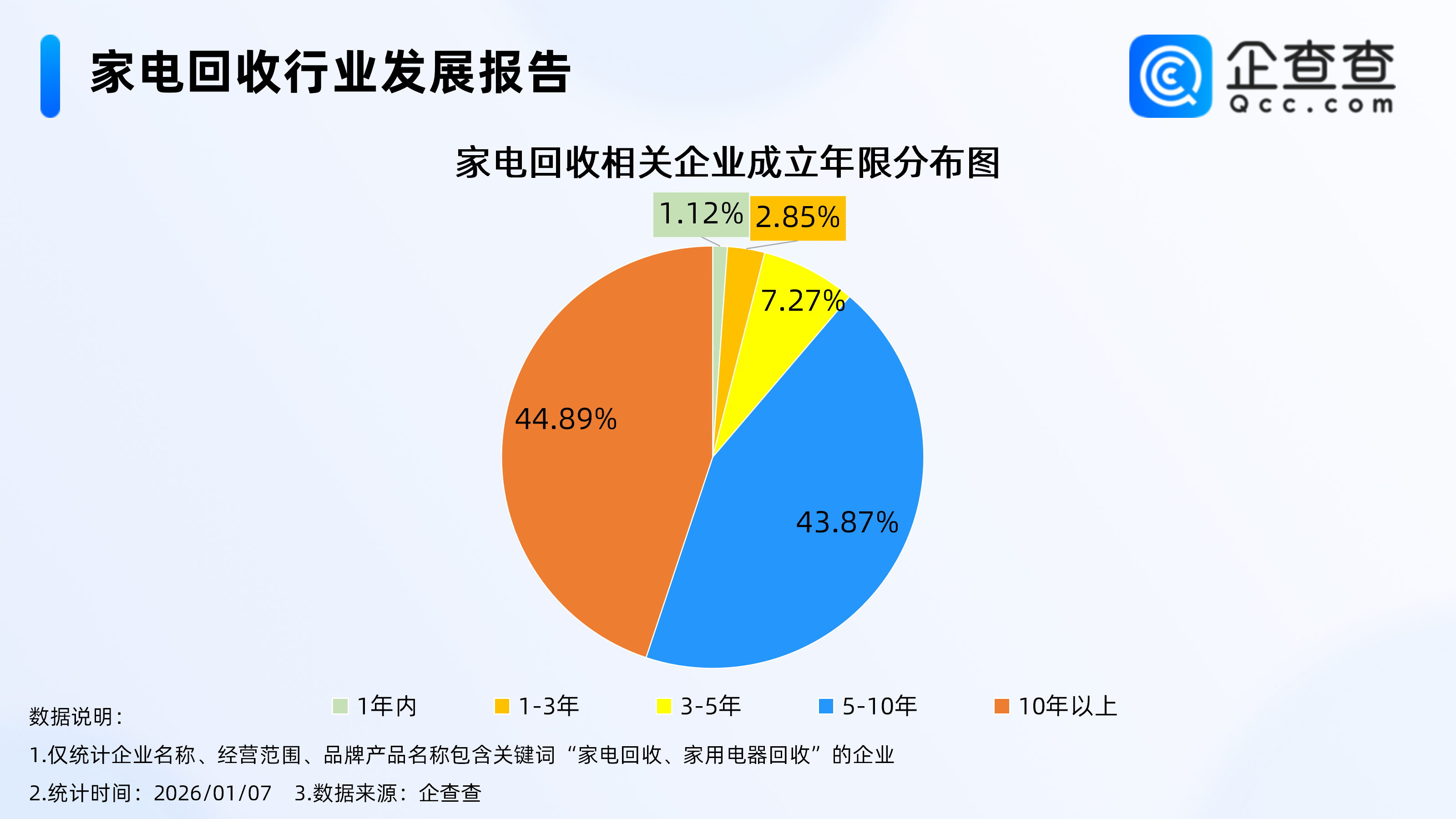
家电以旧换新1.92亿台,近四成家电回收相关企业分布在华东地区
Qi Cha Cha· 2026-01-08 02:53
Group 1 - The total amount of home appliances to be replaced under the national "old for new" program from 2024 to 2025 is expected to reach 192 million units, with over 90% being first-level energy efficiency (water efficiency) appliances [1] - The categories of replaced appliances include 12 major types such as refrigerators, washing machines, and air conditioners, which are essential household items with high daily usage frequency [1] - The Ministry of Commerce and four other departments announced a notification to improve the recycling system for old appliances and provide subsidies for new digital and smart products until December 31, 2025 [1] Group 2 - As of January 7, there are 6,977 existing companies related to home appliance recycling in China, with over 40% of these companies being established for more than 10 years, accounting for 44.89% [3] - Companies established between 5 to 10 years account for 43.87% of the total [3] - The distribution of home appliance recycling companies is heavily concentrated in the East China region, which accounts for nearly 40% at 39.29% [6] Group 3 - The Central China and North China regions have 16.60% and 12.61% of home appliance recycling companies, respectively [6] - In 2025, a total of 81 new home appliance recycling companies are expected to be registered [6]
中国 - 情绪追踪:年初公共资本开支强劲,私人消费疲软-China – Sentiment Tracker-Year Start Public Capex Strong, Private Consumption Soft
2026-01-08 02:43
Summary of the Conference Call Transcript Industry Overview - **Industry**: China Economic Outlook - **Key Focus**: Public capital expenditure (capex) and private consumption trends in early 2026 Core Insights 1. **Growth Projections**: Early 2026 growth is expected to be led by public capex, with a potential pull towards 5% growth in Q1, although sustainability is questioned due to weak consumer and property sectors [1][6][8] 2. **GDP Tracking**: Q4 2025 GDP is projected to remain below 4.5%, despite a possible year-end rebound driven by fiscal expansion and resilient external demand [3][8] 3. **Public Capex Initiatives**: - Central budget for infrastructure projects increased to Rmb295 billion in Q1 2026 from Rmb200 billion in Q1 2025 - Local government bond issuance plan for Q1 2026 is Rmb665 billion, up from Rmb422 billion in the previous year [6][10] - New venture capital guidance aims to mobilize over Rmb1 trillion [10] 4. **Consumption Trends**: - Consumer spending is lagging, with retail momentum fading post-holiday and subdued service consumption - Continued support for goods trade-in programs, but initial allocations are smaller than the previous year [6][8][30] 5. **Inflation Dynamics**: - Recent upticks in CPI and PPI are not indicative of sustained reflation; core CPI remains muted due to weak final demand [7][8][25] - Inflation increases are primarily driven by commodities like gold and coal, rather than broad-based demand [7][8][25] Additional Important Points 1. **Trade-in Scheme Adjustments**: The 2026 trade-in scheme maintains a similar scale to 2025 but starts softer, with reduced subsidies for home appliances and a narrower range of eligible products [4][30] 2. **Monitoring Indicators**: Key indicators to watch in the coming months include: - Infrastructure bond issuance pace - Consumer goods trade-in program rollout - Mortgage-subsidy pilot designs post-NPC in March [8][9] 3. **Long-term Outlook**: A moderation in growth is anticipated from Q2 2026, with potential housing policy adjustments and incremental support for consumption and social welfare in the second half of the year [8][9] This summary encapsulates the key points from the conference call, focusing on the economic outlook for China, particularly regarding public investment and consumer behavior.
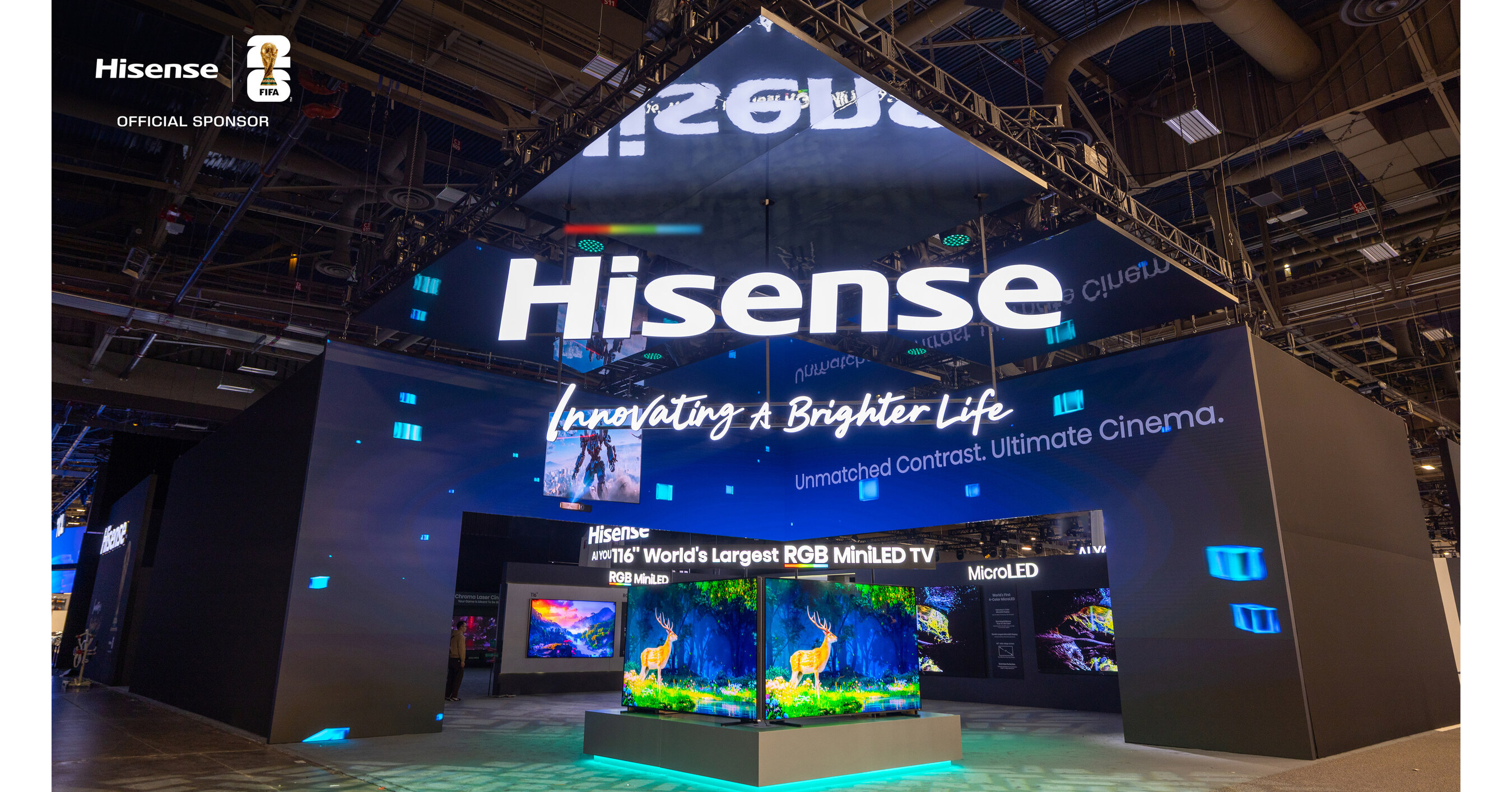
Hisense präsentiert auf der CES 2026 ein umfassendes Smart-Home-Ökosystem
Prnewswire· 2026-01-08 00:35
Core Viewpoint - Hisense showcases a comprehensive smart home ecosystem at CES 2026, integrating advanced display technologies and AI-driven appliances to enhance daily life [1][9]. Group 1: Display Technologies - Hisense introduces the RGB MiniLED evo, featuring the 116UXS RGB MiniLED TV, which incorporates a fourth Sky Blue-Cyan LED, expanding color coverage to 110% of BT.2020 and improving color expression and viewing comfort [3]. - The company presents the XR10 laser projector, offering 6,000 ANSI lumens for a professional home cinema experience with a screen size of up to 300 inches, enhancing brightness and color representation [4]. - Hisense's display technologies are recognized with four CES Innovation Awards, including the Best of Innovation Award for the 163 MX and X-Zone Master [8]. Group 2: Smart Home Innovations - The X-zone Master is introduced as the world's first X-in-one heat pump washer-dryer, featuring a modular drum system for flexible configuration and precise fabric care [6]. - The PUREFLAT SMART SERIES refrigerator includes a large smart display and ConnectLife Hub, optimizing device interaction and smart home control for a modern kitchen experience [7]. - Hisense's Air Master climate control device, awarded the Red Dot Award, features a precise sensor system for optimal air management and is enhanced by an intelligent voice assistant and energy-saving mode [7]. Group 3: Strategic Collaborations - Hisense announces a strategic partnership with Microsoft to integrate generative AI capabilities from Copilot into its VIDAA operating system, enhancing the next-generation TV experience and enabling Xbox Cloud Gaming directly on Hisense TVs [5]. Group 4: Brand Positioning - Hisense is recognized as a global leader in household appliances and consumer electronics, with operations in over 160 countries and a focus on high-quality multimedia products and smart IT solutions [9]. - The company is the number one player in the 100-inch TV segment globally, as reported by Omdia, and continues to lead in RGB MiniLED innovations [9].

SharkNinja: The Growth Stock The Market Is Ignoring - For Now
Seeking Alpha· 2026-01-07 15:53
Company Performance - SharkNinja (SN) has shown remarkable growth since its spin-off in mid-2023, with its value roughly quadrupling during this period [1] - The company's impressive growth and expansion continue to present investment opportunities [1] Analyst Background - The analyst has over a decade of experience in researching various industries, including commodities and technology [1] - The focus has shifted to a value investing-oriented YouTube channel after three years of blogging, covering hundreds of companies [1] - The analyst expresses a particular interest in metals and mining stocks, while also being comfortable with consumer discretionary/staples, REITs, and utilities [1]