
酒店业

Search documents
探寻场站五花八门的过夜方案
Xin Lang Cai Jing· 2026-02-02 14:56
Core Viewpoint - The article highlights the increasing demand for overnight services at transportation hubs in Beijing, particularly during the Spring Festival travel rush, as travelers seek affordable and comfortable options for overnight stays [5][10]. Demand for Overnight Services - Many travelers at Beijing West Station are opting for budget-friendly overnight options, with some choosing to stay in internet cafes due to the lack of affordable hotel options [5][6]. - The overnight demand is evident as travelers are seen utilizing various spaces, including commercial areas and waiting rooms, to rest while waiting for early morning departures [6][10]. Challenges in Overnight Accommodation - The cost of overnight accommodations at airports is high, with the cheapest single room at a hotel in the airport priced at 899 yuan, while capsule hotels charge between 298 and 398 yuan [7][8]. - Many travelers express that their budgets do not allow for expensive overnight stays, leading them to seek alternative resting places within the transportation hubs [8][10]. Innovative Solutions - A new initiative at Hangzhou East Station offers free overnight accommodations in a repurposed train, providing a comfortable resting area for travelers [9]. - Daxing International Airport has introduced various overnight service options, including free resting areas and affordable rental chairs starting at 20 yuan, catering to different traveler needs [11]. Traveler Needs and Preferences - Travelers express a desire for designated areas where they can lie down comfortably, as many current facilities do not meet this need [10]. - The article notes that some airports and stations are beginning to recognize this demand and are implementing solutions to provide more comfortable resting options for overnight travelers [11].

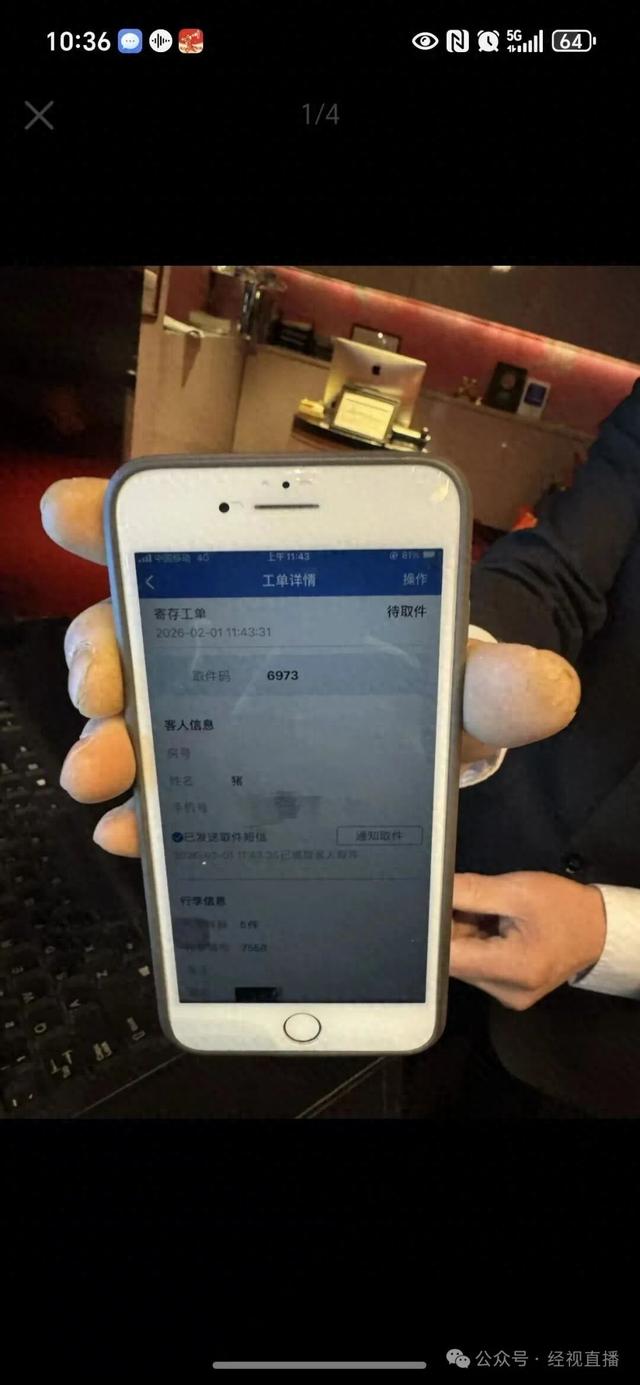
五星级酒店将“朱”姓客人备注为“猪”,客人直呼操作“太离谱”,酒店回应系输入错误
Xin Lang Cai Jing· 2026-02-02 09:46
网友表 据经视直播,近日,有网友发帖称,在北京索菲特大酒店寄存行李时,发现系统中自己的姓名被标注 为"猪",引发热议。 对此,湖北炽升律师事务所律师杨敏指出,该备注属侮辱性表述,违背公序良俗,也反映出酒店在服务 流程与管理机制上存在漏洞。她建议酒店完善培训体系、优化系统规范,并建立服务失误追责与补偿机 制,从源头杜绝此类问题,切实尊重客人权益。 【来源:经视直播】 据了解,北京索菲特大酒店是一家五星级大酒店。2月2日,记者向涉事酒店核实此事,酒店工作人员回 应称,前台当时较为忙碌,工作人员在拼音输入"zhu"后,误将"朱先生"标注成"猪",同时输错了手机 号码。酒店发现问题后已第一时间向客人道歉,并表示将加强员工培训,避免类似失误。 示,因未收到取件码需截图核对,才意外发现该备注。记者联系发帖网友,对方表示"不想多说",认为 酒店操作太离谱。 ...
AI重构酒店业:商业模式的颠覆性变革与未解之思
Sou Hu Cai Jing· 2026-02-02 06:26
(本文作者唐健盛为消费洞察与商业分析资深专家) 未来商业模式的未解之思 AI对酒店业的冲击,本质上是生产力升级引发的商业模式革命。当智能体成为供需对接的核心载体, 流量中介的价值将被瓦解,AI交互能力、供应链掌控力和服务精细化水平将成为酒店业的新护城河。 对于酒店而言,主动布局AI接口建设、优化服务细节、深化供应链整合,是应对变革的关键;对于平 台而言,转型"智能撮合枢纽"或深耕供应链,是突破困局的选择。然而,这场变革并非一帆风顺,诸多 问题与挑战仍待探索。 一、流量中介的"价值弱化"是否等于完全消失?个人AI智能体直接对接酒店AI接口,确实会让OTA等 平台的流量中介价值大幅下降,这在技术可行性和部分场景中已得到印证。但现实中,平台仍可能在信 用背书、售后保障、复杂行程打包、跨界资源整合(如机票+酒店+当地玩乐)等方面具有不可替代的 作用。那么,在AI撮合为主的时代,这些平台是会彻底边缘化,逐渐被市场淘汰,还是会顺势转型 为"保障层+增值服务商",以新的形态继续立足行业?这一问题尚无明确答案,或许未来会出现部分平 台转型成功、部分被淘汰的分化局面,而市场需求与平台自身的转型能力将成为关键影响因素。 当AI智 ...
发布即顶流,未来前台以 AI 之力引爆酒店服务革新
Jin Tou Wang· 2026-02-02 03:39
Core Insights - The hotel industry is undergoing a critical transformation from digitization to intelligence, driven by the increasing demand for efficient and personalized services from guests [1][2] - The launch of the AI Smart Front Desk product marks a significant step towards integrating technology into hotel operations, enhancing guest experiences [1][2] Industry Pain Points - The rapid development of AI technology is reshaping various industries, with the hospitality sector particularly benefiting from AI's ability to optimize booking processes and service scenarios [2] - Traditional hotel front desks face challenges such as high employee turnover and long wait times for guests during check-in, negatively impacting service efficiency and brand reputation [2][4] AI Smart Front Desk Redefinition - The AI Smart Front Desk solution is a comprehensive service platform that integrates AI agents, memory systems, PMS, PSB systems, and smart locks, enabling efficient data flow and intelligent service matching [3][4] - Unlike traditional self-service kiosks, the AI Smart Front Desk offers significant advancements in technology and functionality, addressing compatibility and security issues [3][4] Innovative Service Experience - The AI Smart Front Desk introduces a "tap" feature that allows guests to complete check-in processes in as little as 20 seconds, enhancing efficiency and security [6] - The system utilizes AI for natural language interaction and emotional perception, providing personalized service based on guests' emotional states [5][7] Strategic Partnerships - The success of the AI Smart Front Desk is supported by strategic collaborations with Alipay, Tmall Genie, and Future Front Desk, leveraging their strengths for a comprehensive solution [8][9][10] - Alipay provides identity verification and integration capabilities, while Tmall Genie enhances voice interaction and IoT connectivity [8][9] Value Creation for Hotels - The AI Smart Front Desk helps hotels activate non-room revenue streams by integrating local service resources, transforming the service model from "people finding services" to "services finding people" [12] - It positions hotels to capture future AI travel traffic, appealing to younger consumers who prefer voice-activated booking processes [13] - The system improves service quality and efficiency during peak times, allowing staff to focus on high-value interactions [14] Conclusion - The introduction of the AI Smart Front Desk signifies a pivotal move for the hotel industry towards becoming a necessary node in the consumer decision-making process, enhancing visibility and resource allocation in the AI era [15][16]
滇中新区发布首批优待项目现役及退役军人可享优惠
Xin Lang Cai Jing· 2026-02-01 22:24
此次优待项目面向全国现役军人、文职人员、退役军人及其他优抚对象,优抚对象本人持有效证件即可 享受相应优惠。滇中新区社会事务管理局相关负责人表示,后续还将根据实际情况动态调整和新增优待 项目,持续提升优抚对象的获得感、幸福感、荣誉感。 此次公布的优待项目由滇中新区社会事务管理局统筹推进,是落实《军人抚恤优待条例》《云南省拥军 优属规定》等法规政策的具体举措。项目覆盖长水航城、长水机场周边等区域。在住宿方面,柏曼酒店 (机场中心店、航站楼店)对持有效证件的优抚对象给予8.5折优惠;云南徽商酒店专门设立"军人驿 站"。 本报讯 记者李双双报道 日前,滇中新区直管区现役军人、文职人员、退役军人及其他优抚对象第一批 优待项目正式公示,涵盖住宿、餐饮、购物、文化娱乐、办公文具、茶叶等类目,面向全国优抚对象提 供7折至8.8折不等的优惠,进一步营造尊崇军人、关爱退役军人的浓厚氛围。 ...
弘善家园三栋商住楼 60余部空调外机不再滴水扰民
Xin Lang Cai Jing· 2026-02-01 21:21
对于商业用房部分安装空调,目前并无禁止性规定,于是属地相关部门工作人员多次到现场,邀请居 民、酒店管理方、律师及职能部门工作人员一起,从法理和情理两个角度进行探讨。经过多轮耐心细致 的协调,酒店方最终同意进行整改。 随后,社区牵头成立"居民沟通专班",牵头酒店方及专业施工团队现场确定整改方案,为60余部空调外 机统一加装引水管,再将引水管接入小区内原有排水管线。在征得居民代表同意后,施工选择在对居民 影响最小的时段进行。施工期间,社区在施工区域张贴醒目标识,并安排专人引导居民和车辆绕行。 通过改造,酒店为所有室外机加装了隔音棉、减震支架,并委托第三方权威机构进行噪音、散热检测, 检测结果向居民公示。改造过程中,酒店负责人每周与居民代表面对面沟通,实时反馈安装情况,主动 收集居民新诉求并及时回应,还承诺为居民提供在酒店公共区域应急充电等免费便民服务。 前不久,施工全部结束。"这下大家不用再担心空调外机滴水损毁墙面,也不会因为滴水影响大家在楼 下活动了。"居民孙女士高兴地说。 (来源:千龙网) "这些空调外机,将大楼墙体都滴脏了,真难看。""是啊,夏天滴水,冬季还结冰溜子,地面上也是 冰,一不小心就滑倒了。"…… ...
澳门英皇娱乐酒店大堂78公斤黄金被连夜撤走,价值超8580万元!工作人员回应
Sou Hu Cai Jing· 2026-02-01 11:47
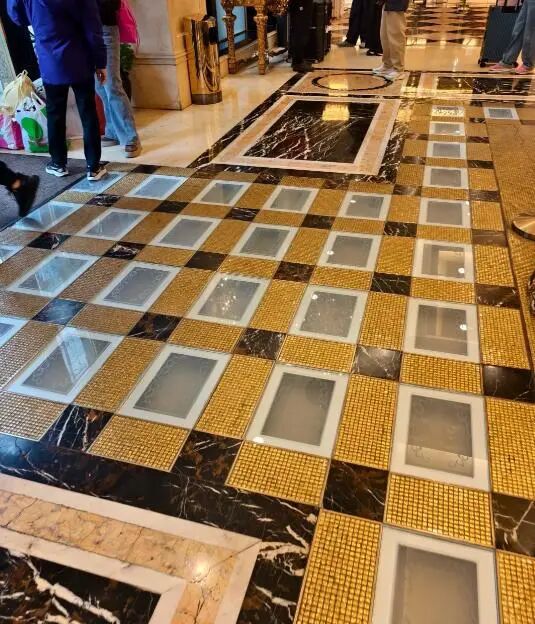
Group 1 - The iconic "Golden Avenue" at the Macau Emperor Entertainment Hotel, which featured 78 kilograms of gold embedded in the lobby floor, has reportedly been removed, leading to speculation about its disappearance [1][5] - The gold was valued at over 85.8 million yuan based on domestic gold prices exceeding 1,100 yuan per gram as of January 30 [5] - Hotel staff confirmed that the gold was removed on the night of January 29 for internal renovations, and it will be displayed again after the renovations are completed [5] Group 2 - The Macau Emperor Entertainment Hotel is operated by Emperor Entertainment Hotel Limited (00296.HK), which manages several hotels and rental apartments in Hong Kong and Macau [3][8] - In addition to the Macau Emperor Entertainment Hotel, the company operates the Macau Prosperity Hotel and several rental apartments in Hong Kong, including The Unit Morrison Hill, The Unit Happy Valley, and The Unit Soho [11] - The Macau Emperor Entertainment Hotel previously featured a casino, the Emperor Palace Casino, which ceased operations on October 30, 2025, leaving only the hotel business [11]
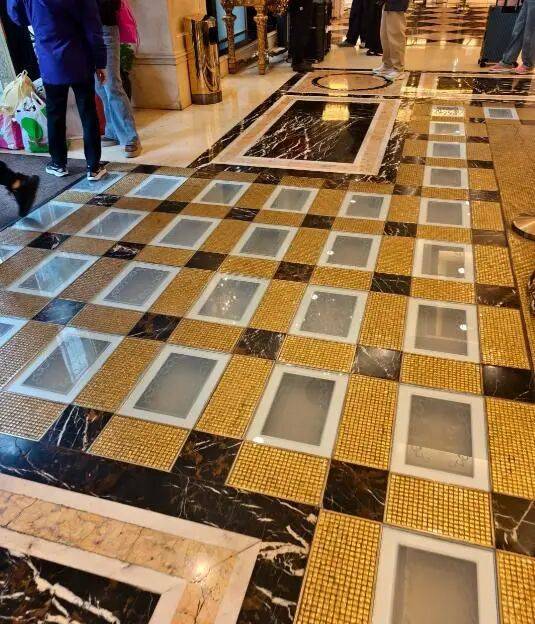
澳门英皇娱乐酒店大堂78公斤黄金被连夜撤走,工作人员:系内部装修需要
Mei Ri Jing Ji Xin Wen· 2026-02-01 06:12
Group 1 - The iconic "Golden Avenue" at Emperor Entertainment Hotel in Macau, which featured 78 kilograms of gold embedded in the lobby floor, has been removed for internal renovations, not due to gold price fluctuations [1][3][4] - The estimated value of the removed gold, based on the domestic gold price exceeding 1100 RMB per gram, is over 85.8 million RMB [3] - Emperor Entertainment Hotel Limited operates multiple hotels and rental apartments in Hong Kong and Macau, including the Emperor Palace Casino, which ceased operations in October 2025 [8][10] Group 2 - For the six months ending September 30, 2025, the group reported total revenue of HKD 335.6 million, a decrease from HKD 407.9 million in 2024 [6] - Revenue from hotel and rental apartments slightly increased to HKD 157.7 million, while gaming revenue dropped to HKD 177.9 million from HKD 253 million in 2024 [6] - The group's net loss significantly narrowed to HKD 73.1 million, compared to HKD 225.7 million in the previous year, with a basic loss per share of HKD 0.05 [6]
澳门英皇娱乐酒店大堂78公斤黄金被连夜撤走,价值超8580万元!工作人员回应:与金价无关,系内部装修需要
Mei Ri Jing Ji Xin Wen· 2026-02-01 05:51
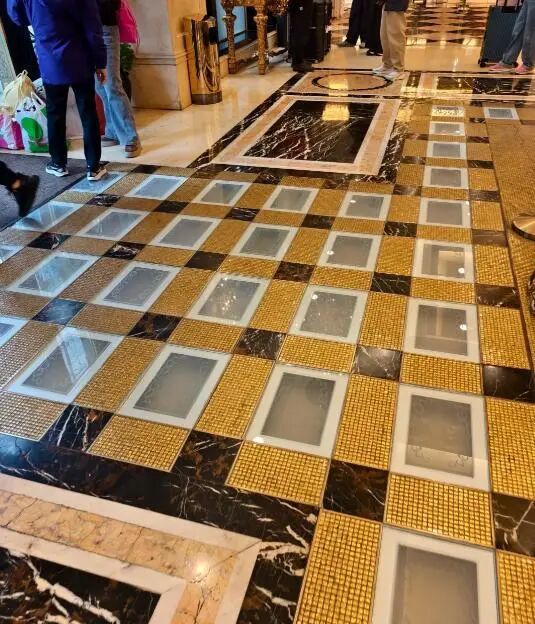
每经编辑|许绍航 向江林 近日,有网友发帖称,澳门英皇娱乐酒店大堂标志性的"黄金大道"景象不再,原本镶嵌在地砖内总重78公斤的黄金消失不见,怀疑被工作人员连夜撤走。 该网友拍摄的图片显示,酒店大堂的地砖中有透明视窗,每块地砖中原本都镶有一块金砖,但1月30日地砖内空空如也。 酒店大堂原有的金条。 1月30日,国内金价超1100元/克,据此估算,78公斤黄金价值已超8580万元。该举动引发网友热议。 据极目新闻,记者就此事致电澳门英皇娱乐酒店,工作人员表示,酒店地砖内确实有78公斤黄金,已于1月29日晚上撤走,不过原因与金价无关,系酒店 内部装修需要,待装修结束后会再进行展出。 据了解,澳门英皇娱乐酒店为英皇娱乐酒店有限公司(00296.HK)旗下酒店。该酒店的"黄金大道"以78块总重量78公斤瑞士999.9千足纯金铺砌而成,每 块金砖均持有独立编号。 英皇娛樂酒店有限公司 Emperor Entertainment Hotel Limited (於百慕達註冊成立之有限公司) (股份代號:296) 業務回顧 本集團目前從事提供酒店服務,涵蓋以下位於香港及澳門多間酒店及租賃公寓: 一 Hill · The Uni ...
去年上海离境退税申请单量增长3倍
Jie Fang Ri Bao· 2026-01-31 02:13
Group 1 - The number of tax refund applications from overseas travelers in Shanghai in 2025 is nearly four times that of the previous year, with both sales of refund goods and refund amounts increasing by 80% [1] - The number of registered tax refund stores has exceeded 1,800, representing a nearly 140% increase compared to the cumulative number at the end of 2024 [1] - Shanghai has established a comprehensive layout of "9 city-wide refund points + 17 centralized refund points + N single-store refund points," significantly enhancing the convenience of inbound consumption for overseas travelers [1] Group 2 - The Shanghai Grand Hotel on Jiujiang Road in Huangpu District will open as the city's first hotel-based centralized tax refund point by the end of 2025, extending the tax refund service network from commercial areas to accommodation spaces [1] - This new refund point aims to facilitate a one-stop connection for "stay and purchase refunds," promoting both inbound consumption and the conversion of customer flow [1] - Overseas travelers can complete tax refunds on-site at hotel business centers after shopping at any tax refund store, streamlining the process to only require customs verification of goods upon departure [1] Group 3 - Shanghai's tax authorities are actively promoting interconnectivity for "immediate purchase and refund" tax refunds with Suzhou and Beijing, allowing overseas travelers to complete tax refunds without departing through Shanghai [1]