无人机

Search documents
国产新型无人机彩虹YH-1000S成功;消息称三星Galaxy S27 Ultra手机搭载Polar ID面部识别技术丨智能制造日报
创业邦· 2026-02-04 06:48
Group 1 - The domestically developed hybrid drone Rainbow YH-1000S successfully completed its maiden flight, showcasing advancements in logistics, emergency rescue, weather modification, and marine monitoring capabilities [2] - Apple plans to use TSMC's 2nm N2 process for its M6 chip, focusing on architecture upgrades and cost control rather than adopting the N2P process [2] - Samsung's upcoming Galaxy S27 Ultra will feature Polar ID facial recognition technology, utilizing polarized light for identification without requiring large cutouts on the screen [2] - Avita Technology announced the naming of its new model Avita 06T, which will be the first to feature Huawei's next-generation lidar for enhanced environmental perception [2]



明知民航降落仍飞无人机被判三年,公安部曝光8起“黑飞”案
Nan Fang Du Shi Bao· 2026-02-04 05:04
Core Viewpoint - The rapid development of drone usage and industry applications has led to increasing issues related to illegal drone operations, posing serious threats to airspace safety and civil aviation security [1] Group 1: Legal Actions and Cases - The Ministry of Public Security has announced a crackdown on illegal drone activities, emphasizing the need for real-name registration and compliance with laws regarding drone operations [1] - Several individuals have been prosecuted for endangering public safety through unauthorized drone flights, including cases of flying drones at dangerous altitudes and in restricted airspace [2][3][4] - Specific cases highlight individuals who have illegally modified drones to bypass flight restrictions, resulting in significant legal consequences, including imprisonment [2][3][4][5] Group 2: Financial Gains from Illegal Activities - Individuals involved in providing services to hack drone restrictions have profited significantly, with some cases reporting illegal earnings exceeding 90,000 yuan [4][5] - The provision of hacking services for drones has been widespread, with multiple individuals arrested for facilitating illegal drone operations [3][4][5] Group 3: Public Safety Concerns - The actions of individuals engaging in illegal drone flights have raised alarms regarding public safety, particularly when flights occur near commercial air traffic [2][3] - The Ministry of Public Security has urged the public to resist illegal drone activities and adhere to regulations to ensure airspace safety [1]
广货行天下丨深圳!中山百货好物周末见
Nan Fang Du Shi Bao· 2026-02-04 04:35
Core Points - The event "Guanghuo Xing Tianxia: Zhongshan Department Store Enters Shenzhen" will be held on February 7-8, 2024, at the Happy Harbor Ferris Wheel Square in Shenzhen, organized by the Zhongshan government [2] - The event aims to deepen the integration of Shenzhen and Zhongshan, facilitating industrial collaboration, consumer interaction, and cultural exchange between the two cities [2] - A one-stop shopping experience will be created, showcasing various products including home appliances, furniture, consumer electronics, clothing, daily chemicals, food, cultural tourism, and housing [1][5] Group 1: Event Overview - The event will feature a physical area dedicated to Zhongshan quality products, enhancing the city’s image and showcasing technological innovation, manufacturing, and cultural heritage [5] - Various cultural activities will be organized, including traditional performances and calligraphy experiences to engage consumers and promote Zhongshan's cultural diversity [6][9] Group 2: Marketing and Promotion - A live-streaming sales initiative will be implemented, collaborating with major e-commerce platforms like Alibaba, Douyin, Kuaishou, and Meituan to boost brand visibility and sales [8] - The event will include seven themed exhibition areas, each focusing on different aspects of Zhongshan, such as its charm, intelligent manufacturing, tourism, livability, culinary offerings, environmental beauty, and unique city characteristics [11][12]

大疆天空之城11周年影像大赛赛程过半,全球佳作涌现引爆创作热潮
Huan Qiu Wang· 2026-02-04 04:12
Core Insights - The DJI SkyPixel 11th Anniversary Imaging Contest has received over 45,000 submissions globally since its launch on November 27, 2022, highlighting its popularity among photography enthusiasts and industry professionals [1] - The contest theme "Co-creating with the World" encourages creators to capture resonant moments between themselves and the world, focusing on diverse perspectives and self-expression [1] - A new "Social Media Selection Award" has been introduced, providing weekly recognition for outstanding works, enhancing exposure and feedback for creators [1] Contest Overview - The contest has evolved into one of the most influential imaging events globally, serving as a platform for inspiration and exchange among photographers [17] - It features over 100 awards with a total prize pool exceeding 1.4 million yuan, including high-value equipment packages for winners [19] - The submission deadline is set for March 10, 2026, at 23:59 Beijing time, with winners to be announced on April 27, 2026 [20] Notable Works - İsmail Kaplan's "Classroom on Ice" captures children studying on a frozen lake, emphasizing themes of faith and resilience [3] - Filip Hrebenda's "Gateway of the North" showcases Iceland's unique landscapes, receiving high praise for its composition and emotional resonance [5][6] - Jabi Sanz's "Fusion of Elements" illustrates the dynamic interplay of colors in Iceland's natural environment, noted for its striking visual impact [8] - Andrea Caruso's "Pulsation of Earth" presents an aerial abstract of Iceland's rivers, praised for its artistic quality and depth [10] - Dennis Schmelz's video "Seabird's Perspective of Iceland Highlands" combines childhood memories with breathtaking landscapes, described as a visual poem [13] Community and Innovation - DJI's commitment to continuous product innovation and experience optimization has created a rich ecosystem for creators, lowering barriers to entry and expanding possibilities for visual expression [18] - The contest reflects a shift from purely visual spectacle to deeper narratives focusing on urban coexistence and social change, showcasing the evolution of imaging creation [18]

晚报 | 2月4日主题前瞻
Xuan Gu Bao· 2026-02-03 14:53
Group 1: Agricultural Drones - The central government has released a document aimed at promoting rural revitalization and enhancing agricultural technology innovation, emphasizing the integration of AI with agriculture and the expansion of applications for drones, IoT, and robotics [1][6] - Southwest Securities notes that China's agricultural drone industry has become a global leader, capturing a significant market share, and is undergoing a transformation towards intelligent driving, which lowers operational barriers and enhances safety [1][1] - The domestic market penetration is increasing while prices are dropping significantly, leading to overseas markets becoming a new growth target for Chinese agricultural drone companies [1][1] Group 2: Robotics - Zhiyuan Robotics announced a global live broadcast of the first large-scale robot gala, showcasing over 200 robots performing and interacting with the audience, highlighting advancements in interactive, motion, and operational intelligence [2][2] - Guoyuan Securities emphasizes the successful mass production of the Lingxi X2 robot, validating the scalability of general-purpose embodied robots and setting the stage for future production capacity planning [2][2] - The year 2025 is projected to be a milestone for humanoid robots, with applications expanding into various industries by 2026, indicating a positive outlook for core suppliers in the sector [2][2] Group 3: Copper Industry - The China Nonferrous Metals Industry Association is working on improving the copper resource reserve system, which includes expanding national strategic reserves and exploring commercial reserve mechanisms [3][3] - Huayuan Securities indicates that the copper market may experience short-term volatility due to profit-taking, but the long-term outlook suggests a shift from a balanced supply-demand scenario to potential shortages [3][3] - The copper smelting sector is expected to see a bottoming out of profit cycles amid ongoing supply disruptions and insufficient capital expenditure in copper mining [3][3] Group 4: Flexible Chips - A research team from Tsinghua University has developed the FLEXI chip, a flexible AI chip designed for edge computing, which offers low power consumption and high performance under extreme conditions [4][4] - The chip can withstand over 40,000 bending cycles without significant performance degradation, indicating its robustness for various applications [4][4] - The flexible electronics market is projected to grow significantly, with estimates suggesting a rise from $85 billion to over $173 billion between 2025 and 2030, while China's flexible chip industry is expected to grow from 50 billion to 150 billion yuan [4][4] Group 5: Smart Elderly Care - The government has issued guidelines to promote technological innovation in elderly care, advocating for the use of humanoid robots and AI in various aspects of elderly support and care [5][5] - By 2030, the elderly population in China is expected to exceed 400 million, leading to a projected silver economy worth around 30 trillion yuan, driving the demand for comprehensive elderly care solutions [5][5] - The smart elderly care industry is transitioning from fragmented services to a holistic ecosystem, aiming for personalized and precise care solutions [5][5]
起飞“犯难”,行业“洗牌”!无人机新规影响几何?
Qi Lu Wan Bao· 2026-02-03 10:20
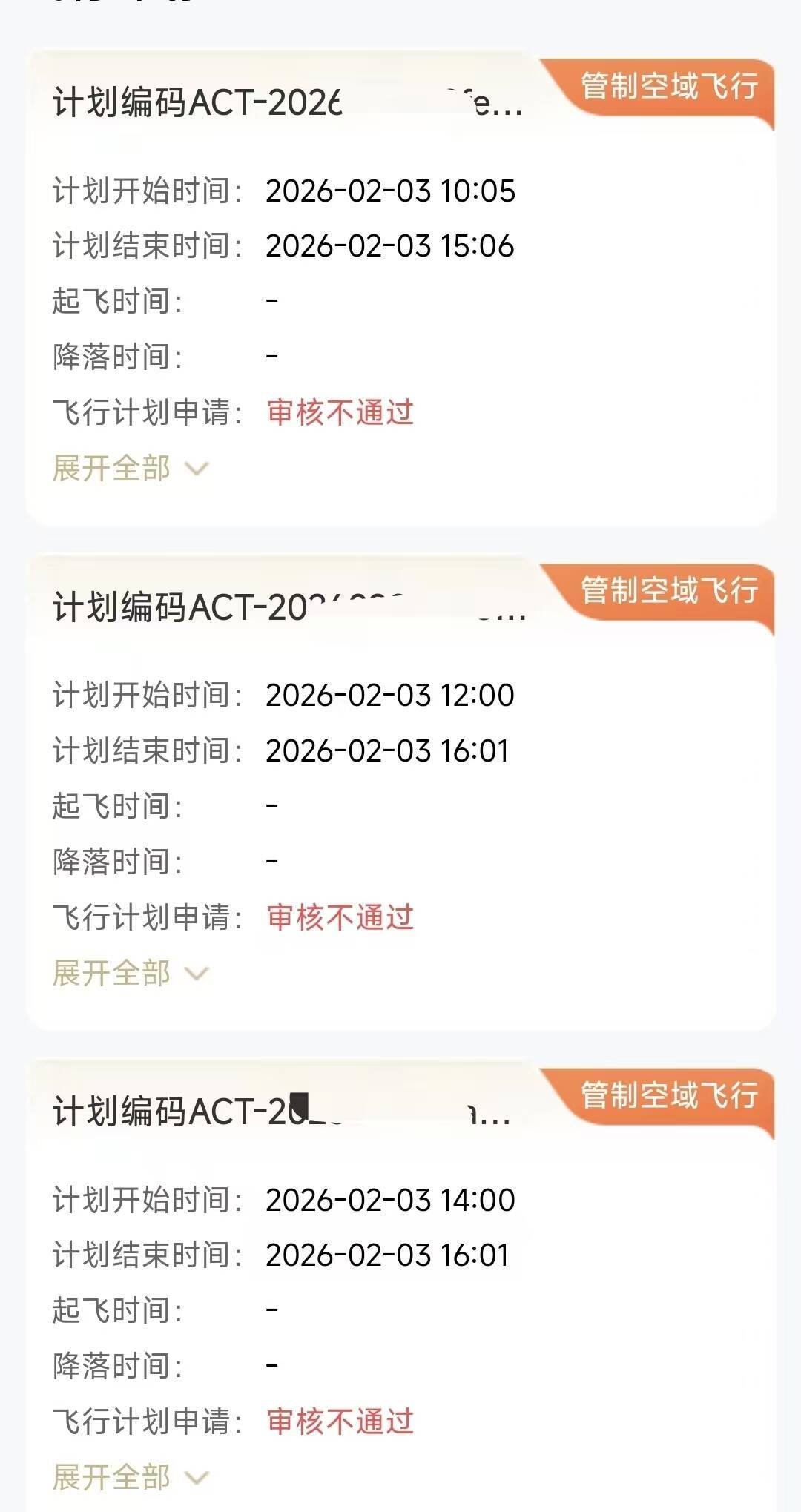
Core Viewpoint - The new regulations implemented on January 1, 2026, significantly impact the drone flying community, introducing stricter approval processes and categorizing unauthorized flights as punishable offenses, leading to a major industry reshuffle [1][2][10]. Group 1: Regulatory Changes - The revised Public Security Administration Punishment Law now includes unauthorized drone flights under its jurisdiction, requiring real-name registration, flight identification, and airspace approval [2][10]. - From February 1, 2026, the approval process for drone flights has become more stringent, with many previously accessible areas now classified as "no-fly zones" [3][5]. Group 2: Impact on Drone Operators - Many drone operators are struggling with the new approval process, with reports of numerous applications being rejected without clear reasons, leading to frustration within the community [3][5]. - The requirement to report flight plans in advance on the UOM platform has transformed the once flexible flying culture into a more regulated environment, causing confusion and dissatisfaction among users [2][3]. Group 3: Market Dynamics - The new regulations have led to a decline in new drone sales, as potential buyers are deterred by the stricter rules, while the second-hand market has become more active as users look to sell their drones amid uncertainty [7][8]. - The resale prices of drones have dropped significantly, with some models seeing a decrease of up to 30% compared to prices before the regulations were enacted [8]. Group 4: Industry Response - The enforcement of stricter regulations has led to a crackdown on illegal drone flights, with law enforcement agencies actively pursuing violators and imposing penalties [10]. - Industry experts believe that while the current approval difficulties are a challenge, they represent a necessary transition towards a more organized and sustainable drone industry [10][11].
中无人机(688297.SH):已累计回购5228.59万元股份
Ge Long Hui A P P· 2026-02-03 10:00
Core Viewpoint - The company Zhongwu Drone (688297.SH) has conducted a share buyback, acquiring a total of 1,125,070 shares, which represents 0.1667% of its total share capital [1] Summary by Categories Share Buyback Details - The share buyback was executed through the Shanghai Stock Exchange trading system via centralized bidding [1] - The highest price paid for the shares was 50 CNY per share, while the lowest price was 44.96 CNY per share [1] - The total amount spent on the buyback was 52.2859 million CNY, excluding transaction fees such as stamp duty and trading commissions [1]

全球首款混合动力无人运输机在重庆成功首飞
Sou Hu Cai Jing· 2026-02-03 08:53
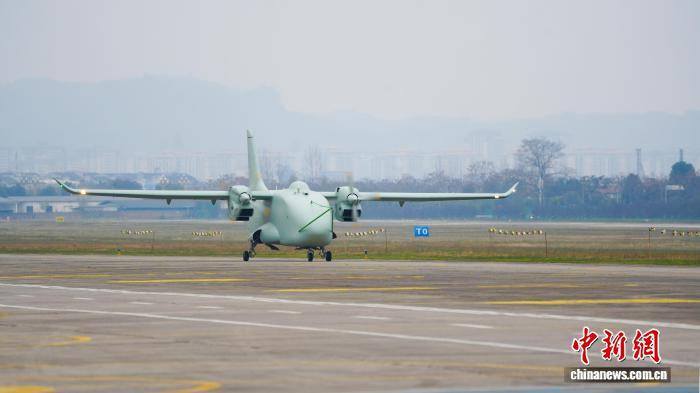
Group 1 - The China Aerospace Science and Technology Corporation's 11th Research Institute successfully conducted the maiden flight of the world's first hybrid unmanned transport aircraft, the Rainbow YH-1000S, on February 3 in Liangping Airport, Chongqing [1][2] - The YH-1000S is a rapid iteration model following the successful maiden flight of the Rainbow YH-1000 unmanned transport aircraft in May 2025, featuring a high-power hybrid powertrain developed in collaboration with leading companies in the new energy vehicle sector [2] - The successful maiden flight represents a significant innovation in the integration of core technologies from the drone and automotive industries, aiming to reduce R&D and manufacturing costs through deep supply chain resource sharing and modular production [2] Group 2 - The Rainbow YH-1000S is designed to meet airworthiness standards and is expected to play a crucial role in international logistics, emergency rescue, weather modification, marine monitoring, and maritime supervision [2]
与“圳”同行 光大银行亮出科技金融的“特”色答卷
21世纪经济报道· 2026-02-03 08:46
Core Viewpoint - The article highlights the transformative role of financial support in fostering technological innovation and growth in Shenzhen, exemplified by the collaboration between Everbright Bank Shenzhen Branch and Pudutech, which has led to significant advancements in production capacity and product development [1]. Financial Innovation and Structural Reform - Everbright Bank Shenzhen Branch has initiated a structural reform to enhance its technology finance services, establishing a dedicated Technology Finance Center to streamline operations and improve service efficiency [3][4]. - The bank's comprehensive strategy includes strengthening industry judgment, risk management, and customer cultivation to support high-quality development in technology finance [4]. Case Studies of Successful Collaboration - Pudutech's journey illustrates the effectiveness of the bank's structural reforms, receiving substantial credit support during challenging times, which enabled the company to stabilize and expand its operations [5]. - The bank has also provided tailored financial solutions to other tech companies, such as providing 1 billion yuan in credit to support Pudutech's IPO preparations and various financing needs [5]. Full-Cycle Support for Tech Enterprises - Everbright Bank Shenzhen Branch has developed a full-cycle service system to cater to the diverse financial needs of tech enterprises at different growth stages, from startup to maturity [9]. - The bank has successfully implemented online loan products like "Tech e-loan" and "Specialized and Innovative Enterprise Loan," facilitating over 20 billion yuan in funding for startups [9][10]. Focus on Emerging Industries - The bank is actively engaging in emerging sectors such as low-altitude economy and digital finance, providing innovative financial products and services to meet the specific needs of these industries [14][15]. - By establishing partnerships with various stakeholders, including government and industry players, the bank aims to create a supportive ecosystem for tech innovation [15]. Future Outlook - As Shenzhen celebrates its 45th anniversary, Everbright Bank Shenzhen Branch plans to further optimize its financial offerings and expand its collaborative ecosystem to support the city's strategic industrial development [16].


1116支队伍燃动天际!吉利控股·Ablefly全国无人机足球大赛全国无人机足球总决赛蓄势待“飞”
Mei Ri Jing Ji Xin Wen· 2026-02-03 08:46
Core Insights - The Ablefly National Drone Football Championship has successfully completed its North China regional competition, with the finals set to take place in Chengdu, attracting 1,116 teams from across the country and international participants, marking a significant cultural and competitive event [1][3]. Group 1: Event Overview - The championship features a total of 1,116 teams, indicating the growing popularity of drone football, particularly with 1,046 teams coming from local Sichuan, showcasing strong grassroots support [3][11]. - The event is not only a competition but also a cultural exchange platform, with international teams participating, enhancing the event's significance beyond mere sports [3][12]. Group 2: Local and International Participation - The Chengdu Electronic Information School team is highlighted as a veteran participant, reflecting the growth of drone football in Chengdu, having previously won awards in national competitions [4][11]. - The "Lighthouse No. 1" team from Guangdong emphasizes the educational aspect of the competition, focusing on learning and sportsmanship rather than just winning [5][10]. - The Hong Kong Drone Sports Association (HKDSA) brings a new generation of young competitors, aiming to embody the "Lion Rock Spirit" of perseverance and teamwork, showcasing the importance of mental resilience and tactical learning in high-pressure environments [8][12]. Group 3: Technological and Cultural Integration - Chengdu's development as a core hub for the drone industry, with a complete research, production, and application chain, provides a solid technical foundation for the sport [9][11]. - The HKDSA suggests strategies to integrate drone football into the urban fabric of Chengdu, proposing the use of public spaces for events and enhancing citizen interaction through innovative engagement methods [12]. - The event aims to become a city-wide festival, merging local culture with technology, thereby creating a unique identity for Chengdu through drone football [12].