
医疗机构

Search documents
国家医保局要求对精神疾病类医保定点医疗机构开展集体约谈
Xin Lang Cai Jing· 2026-02-04 12:19
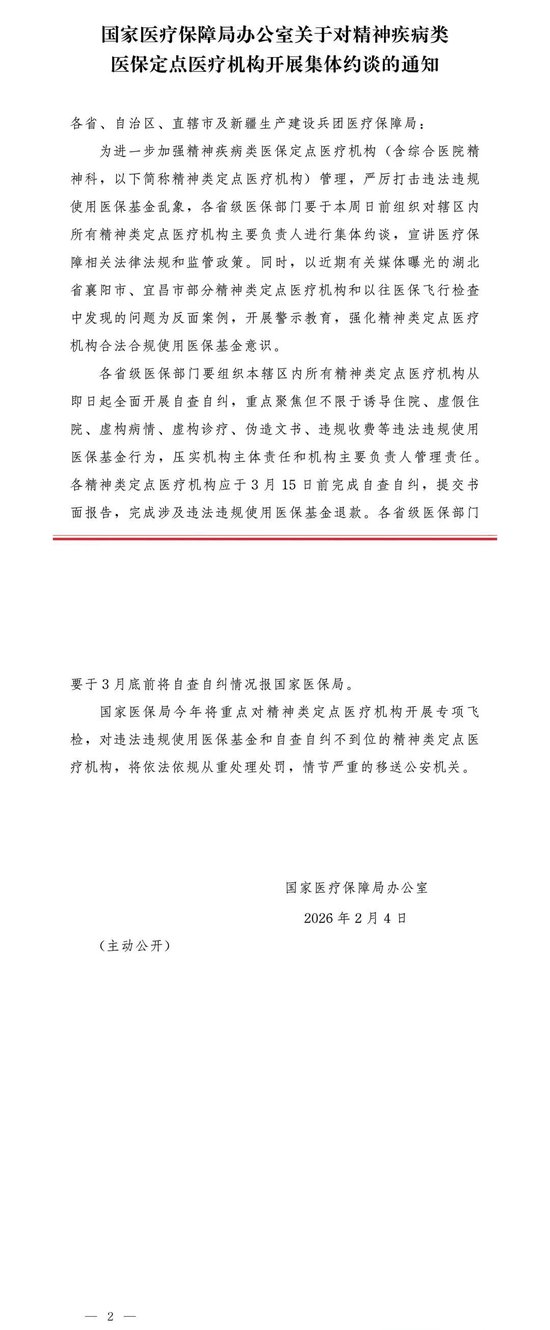
国家医保局今年将重点对精神类定点医疗机构开展专项飞检,对违法违规使用医保基金和自查自纠不到 位的精神类定点医疗机构,将依法依规从重处理处罚,情节严重的移送公安机关。 国家医保局今日印发《关于对精神疾病类医保定点医疗机构开展集体约谈的通知》(以下简称《通 知》)。《通知》指出,为进一步加强精神疾病类医保定点医疗机构(含综合医院精神科,以下简称精 神类定点医疗机构)管理,严厉打击违法违规使用医保基金乱象,各省级医保部门要于本周日前组织对 辖区内所有精神类定点医疗机构主要负责人进行集体约谈,宣讲医疗保障相关法律法规和监管政策。同 时,以近期有关媒体曝光的湖北省襄阳市、宜昌市部分精神类定点医疗机构和以往医保飞行检查中发现 的问题为反面案例,开展警示教育,强化精神类定点医疗机构合法合规使用医保基金意识。 《通知》要求,各省级医保部门要组织本辖区内所有精神类定点医疗机构即日起全面开展自查自纠,重 点聚焦但不限于诱导住院、虚假住院、虚构病情、虚构诊疗、伪造文书、违规收费等违法违规使用医保 基金行为,压实机构主体责任和机构主要负责人管理责任。各精神类定点医疗机构应于3月15日前完成 自查自纠,提交书面报告,完成涉及违法违规使 ...
严厉打击!国家医保局:本周日前进行集体约谈
Nan Fang Du Shi Bao· 2026-02-04 10:49
各省级医保部门要组织本辖区内所有精神类定点医疗机构从即日起全面开展自查自纠,重点聚焦但不限 于诱导住院、虚假住院、虚构病情、虚构诊疗、伪造文书、违规收费等违法违规使用医保基金行为,压 实机构主体责任和机构主要负责人管理责任。各精神类定点医疗机构应于3月15日前完成自查自纠,提 交书面报告,完成涉及违法违规使用医保基金退款。各省级医保部门要于3月底前将自查自纠情况报国 家医保局。 国家医保局今年将重点对精神类定点医疗机构开展专项飞检,对违法违规使用医保基金和自查自纠不到 位的精神类定点医疗机构,将依法依规从重处理处罚,情节严重的移送公安机关。 为进一步加强精神疾病类医保定点医疗机构(含综合医院精神科,以下简称精神类定点医疗机构)管 理,严厉打击违法违规使用医保基金乱象,各省级医保部门要于本周日前组织对辖区内所有精神类定点 医疗机构主要负责人进行集体约谈,宣讲医疗保障相关法律法规和监管政策。同时,以近期有关媒体曝 光的湖北省襄阳市、宜昌市部分精神类定点医疗机构和以往医保飞行检查中发现的问题为反面案例,开 展警示教育,强化精神类定点医疗机构合法合规使用医保基金意识。 今天(2月4日),据国家医疗保障局消息,国家医保 ...
国家医保局:对精神类定点医疗机构进行集体约谈
Bei Jing Shang Bao· 2026-02-04 10:00
同时,《通知》强调,国家医保局今年将重点对精神类定点医疗机构开展专项飞检,对违法违规使用医 保基金和自查自纠不到位的精神类定点医疗机构,将依法依规从重处理处罚,情节严重的移送公安机 关。 《通知》要求,各省级医保部门要组织本辖区内所有精神类定点医疗机构从即日起全面开展自查自纠, 重点聚焦但不限于诱导住院、虚假住院、虚构病情、虚构诊疗、伪造文书、违规收费等违法违规使用医 保基金行为,压实机构主体责任和机构主要负责人管理责任。各精神类定点医疗机构应于3月15日前完 成自查自纠,提交书面报告,完成涉及违法违规使用医保基金退款。各省级医保部门要于3月底前将自 查自纠情况报国家医保局。 北京商报讯(记者 王寅浩 宋雨盈)2月4日,国家医保局印发《关于对精神疾病类医保定点医疗机构开 展集体约谈的通知》(以下简称《通知》)。《通知》指出,为进一步加强精神疾病类医保定点医疗机 构(含综合医院精神科,以下简称精神类定点医疗机构)管理,严厉打击违法违规使用医保基金乱象, 各省级医保部门要于本周日前组织对辖区内所有精神类定点医疗机构主要负责人进行集体约谈,宣讲医 疗保障相关法律法规和监管政策。同时,以近期有关媒体曝光的湖北省襄阳市 ...
国家医保局:对精神疾病类医保定点医疗机构展开集体约谈
第一财经· 2026-02-04 09:52
Core Viewpoint - The National Healthcare Security Administration (NHSA) has issued a notice to strengthen the management of designated medical institutions for mental illnesses, emphasizing the crackdown on illegal use of medical insurance funds [1] Group 1: Regulatory Actions - Provincial healthcare security departments are required to conduct collective interviews with the main responsible persons of all designated mental health institutions to explain relevant laws and regulations [1] - A warning education campaign will be launched using recent media reports and past inspections as negative examples to enhance awareness of legal and compliant use of medical insurance funds [1] Group 2: Self-Inspection Requirements - All designated mental health institutions must conduct a comprehensive self-inspection focusing on illegal activities such as inducing hospitalization, false hospitalization, fabricating conditions, and unauthorized charges [1] - Institutions are required to complete self-inspection and submit written reports by March 15, including refunds for any illegal use of medical insurance funds [1] Group 3: Enforcement Measures - The NHSA will conduct special inspections on designated mental health institutions this year, with severe penalties for those found to be illegally using medical insurance funds or failing to adequately self-inspect [1] - Institutions with serious violations may be referred to law enforcement agencies [1]


国家医保局:以湖北省襄阳市、宜昌市部分精神类定点医疗机构和以往医保飞行检查中发现的问题为反面案例,开展警示教育
Xin Jing Bao· 2026-02-04 09:27
各省级医保部门要组织本辖区内所有精神类定点医疗机构从即日起全面开展自查自纠,重点聚焦但不限 于诱导住院、虚假住院、虚构病情、虚构诊疗、伪造文书、违规收费等违法违规使用医保基金行为,压 实机构主体责任和机构主要负责人管理责任。各精神类定点医疗机构应于3月15日前完成自查自纠,提 交书面报告,完成涉及违法违规使用医保基金退款。各省级医保部门要于3月底前将自查自纠情况报国 家医保局。 国家医保局今年将重点对精神类定点医疗机构开展专项飞检,对违法违规使用医保基金和自查自纠不到 位的精神类定点医疗机构,将依法依规从重处理处罚,情节严重的移送公安机关。 国家医保局2月4日发出通知,为进一步加强精神疾病类医保定点医疗机构(含综合医院精神科,以下简 称精神类定点医疗机构)管理,严厉打击违法违规使用医保基金乱象,各省级医保部门要于本周日前组 织对辖区内所有精神类定点医疗机构主要负责人进行集体约谈,宣讲医疗保障相关法律法规和监管政 策。同时,以近期有关媒体曝光的湖北省襄阳市、宜昌市部分精神类定点医疗机构和以往医保飞行检查 中发现的问题为反面案例,开展警示教育,强化精神类定点医疗机构合法合规使用医保基金意识。 ...
国家医保局:对精神疾病类医保定点医疗机构开展集体约谈
Xin Lang Cai Jing· 2026-02-04 09:26
国家医疗保障局办公室关于对精神疾病类医保定点医疗机构开展集体约谈的通知 各省、自治区、直辖市及新疆生产建设兵团医疗保障局: 为进一步加强精神疾病类医保定点医疗机构(含综合医院精神科,以下简称精神类定点医疗机构)管 理,严厉打击违法违规使用医保基金乱象,各省级医保部门要于本周日前组织对辖区内所有精神类定点 医疗机构主要负责人进行集体约谈,宣讲医疗保障相关法律法规和监管政策。同时,以近期有关媒体曝 光的湖北省襄阳市、宜昌市部分精神类定点医疗机构和以往医保飞行检查中发现的问题为反面案例,开 展警示教育,强化精神类定点医疗机构合法合规使用医保基金意识。 各省级医保部门要组织本辖区内所有精神类定点医疗机构从即日起全面开展自查自纠,重点聚焦但不限 于诱导住院、虚假住院、虚构病情、虚构诊疗、伪造文书、违规收费等违法违规使用医保基金行为,压 实机构主体责任和机构主要负责人管理责任。各精神类定点医疗机构应于3月15日前完成自查自纠,提 交书面报告,完成涉及违法违规使用医保基金退款。各省级医保部门要于3月底前将自查自纠情况报国 家医保局。 国家医保局今年将重点对精神类定点医疗机构开展专项飞检,对违法违规使用医保基金和自查自纠不到 ...
假住院真套保,医保资金如何严防医疗机构“围猎”?
2 1 Shi Ji Jing Ji Bao Dao· 2026-02-03 09:25
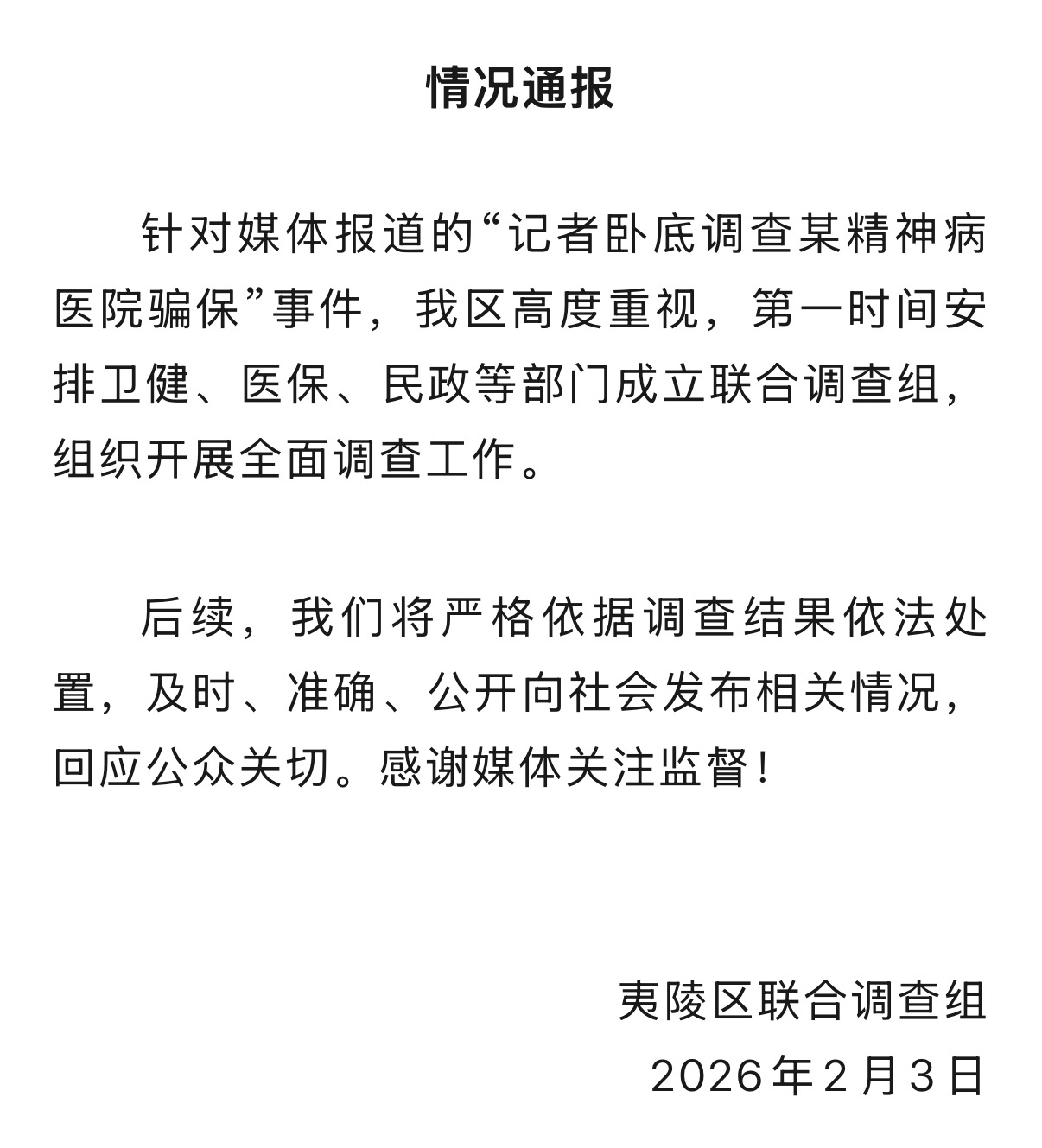
Core Viewpoint - The investigation reveals that several psychiatric hospitals in Xiangyang and Yichang are illegally admitting normal individuals as patients to exploit insurance funds, turning them into revenue-generating tools for the hospitals [1][4][5]. Group 1: Hospital Practices - Hospitals are engaging in practices such as admitting healthy individuals under false pretenses, with some even employing internal staff to pose as patients [4][5]. - These institutions are manipulating diagnoses to fit insurance reimbursement criteria, such as misclassifying alcohol dependence as a mental disorder to secure funding [4][5]. - Patients are subjected to minimal treatment, with reports indicating that some only receive occasional medication and basic tests, while the hospitals charge exorbitant fees for services not rendered [5]. Group 2: Regulatory Response - A joint investigation team has been established by the Yichang government to address the fraudulent practices, promising to handle the situation according to the findings and keep the public informed [2]. - The National Medical Insurance Bureau has emphasized a "zero tolerance" policy towards fraud, implementing a comprehensive regulatory framework to combat various forms of insurance fraud across healthcare institutions [9]. Group 3: Broader Implications - The fraudulent activities not only harm the patients who genuinely need care but also undermine the overall healthcare system, affecting the quality of medical services and insurance benefits for all insured individuals [1][6]. - The prevalence of fraud in psychiatric hospitals reflects a larger issue within the healthcare sector, where similar deceptive practices are reported across various medical institutions and retail pharmacies [6][7]. Group 4: Future Directions - Experts suggest that the exposure of these fraudulent practices presents an opportunity for reform, advocating for stricter regulations and innovative payment models to reduce the potential for fraud [5][9]. - The integration of big data from multiple sectors is seen as a crucial step in enhancing oversight and ensuring that legitimate patients receive the care they need while deterring fraudulent activities [9].
全网“凑钱救医院”背后的慈善困境
Xin Lang Cai Jing· 2026-01-24 07:16
Core Viewpoint - The Beijing Yanan Angel Children's Hospital is facing closure due to inability to pay rent, prompting a significant public donation response, with over 23 million yuan raised by January 20, highlighting the challenges of funding non-profit medical institutions in China [2][3]. Group 1: Financial Challenges - The Yanan Angel Foundation clarified that donations are designated for medical assistance for cleft lip and palate patients and cannot be redirected to cover operational costs like rent, adhering to the principle of designated use of funds in charity [2][3]. - Non-profit medical institutions often struggle with sustainability, as providing subsidized surgeries for low-income families does not generate sufficient revenue to cover rising operational costs, including rent and personnel [3][4]. Group 2: Operational and Management Issues - The operational model of non-profit hospitals differs significantly from for-profit hospitals, leading to inevitable conflicts when charitable ideals confront market realities [3][4]. - Long-term survival of the Yanan Hospital will depend on its ability to integrate effective management, resource allocation, and collaboration with various stakeholders, including government and donors [4][5]. Group 3: Public Sentiment and Future Directions - The outpouring of donations reflects a strong societal empathy towards vulnerable groups and a commitment to supporting charitable causes, indicating a healthy societal quality [4][5]. - The discussion surrounding the hospital's financial difficulties should lead to deeper inquiries into creating sustainable charitable models, emphasizing the need for professional management, transparent operations, and supportive policies for social enterprises [5].
学习规划建议每日问答 | 怎样理解加强县区、基层医疗机构运行保障
Xin Hua She· 2026-01-24 04:12
新华社北京1月24日电 医疗机构运行影响因素是多方面的,是财政补偿、医保政策、人才队伍、内 部管理和地区差异等多种因素交织的结果。《中共中央关于制定国民经济和社会发展第十五个五年规划 的建议》提出:"加强县区、基层医疗机构运行保障。"其中的县区主要指县、县级市、市辖区、旗等, 基层主要指乡镇(街道)和社区。这是针对政府举办的县区、基层医疗机构的财政补偿投入提出的,是 维护我国公立医院和基层医疗卫生机构公益性的一项重大政策安排,是落实新时代党的卫生与健康工作 方针、健全中国特色医疗机构运行保障制度的重大举措。 第一,研究细化中央与地方财政事权和支出责任,完善财政支持政策。研究完善与经济社会发展、 财政状况和健康优先发展战略相适应的县区、基层医疗机构运行保障投入机制,在落实公立医院6项财 政补助政策、基层医疗机构投入政策的基础上,进一步细化完善政策性亏损、人员经费、设备购置等投 入内容。 第二,推动逐步加大政府对县区、基层医疗机构投入力度。对县区公立医院,加大落实基本建设和 设备购置、重点学科发展、符合国家规定的离退休人员费用、政策性亏损补贴、承担的公共卫生任务补 助等投入力度。对基层医疗机构,落实基本公共卫生服 ...
学习规划建议每日问答丨怎样理解加强县区、基层医疗机构运行保障
Xin Hua Wang· 2026-01-24 03:24
第一,研究细化中央与地方财政事权和支出责任,完善财政支持政策。研究完善与经济社会发展、财政 状况和健康优先发展战略相适应的县区、基层医疗机构运行保障投入机制,在落实公立医院6项财政补 助政策、基层医疗机构投入政策的基础上,进一步细化完善政策性亏损、人员经费、设备购置等投入内 容。 第二,推动逐步加大政府对县区、基层医疗机构投入力度。对县区公立医院,加大落实基本建设和设备 购置、重点学科发展、符合国家规定的离退休人员费用、政策性亏损补贴、承担的公共卫生任务补助等 投入力度。对基层医疗机构,落实基本公共卫生服务经费和基本药物制度补助,逐步加大服务收费不能 弥补业务运行成本部分的政府补助补偿力度。 新华社北京1月24日电 医疗机构运行影响因素是多方面的,是财政补偿、医保政策、人才队伍、内部 管理和地区差异等多种因素交织的结果。《中共中央关于制定国民经济和社会发展第十五个五年规划的 建议》提出:"加强县区、基层医疗机构运行保障。"其中的县区主要指县、县级市、市辖区、旗等,基 层主要指乡镇(街道)和社区。这是针对政府举办的县区、基层医疗机构的财政补偿投入提出的,是维 护我国公立医院和基层医疗卫生机构公益性的一项重大政策 ...