文化科技融合

Search documents
省委常委会召开会议 传达学习习近平总书记重要讲话精神 研究中央生态环境保护督察问题整改等事项
Da Zhong Ri Bao· 2025-06-21 01:04
Group 1 - The meeting emphasized the importance of implementing Xi Jinping's important speech at the 120th anniversary of Chen Yun's birth, focusing on serving the people and promoting high-quality economic and social development in the province [2] - The meeting discussed enhancing cooperation with Central Asian countries and integrating into the Belt and Road Initiative, aiming to create a new high ground for opening up [2] - The meeting highlighted the need to strengthen ecological protection responsibilities and address issues related to natural reserves and biodiversity [2] Group 2 - The meeting reviewed the responsibility lists for the United Front Work and emphasized the need for high-quality development in this area [3] - The meeting discussed policies to promote high-quality development in international air cargo, supporting the collaboration of Jinan and Qingdao airports to build international aviation hubs [3] - The meeting also reviewed measures to support the deep integration of culture and technology, leveraging Shandong's cultural resources for innovation [3]
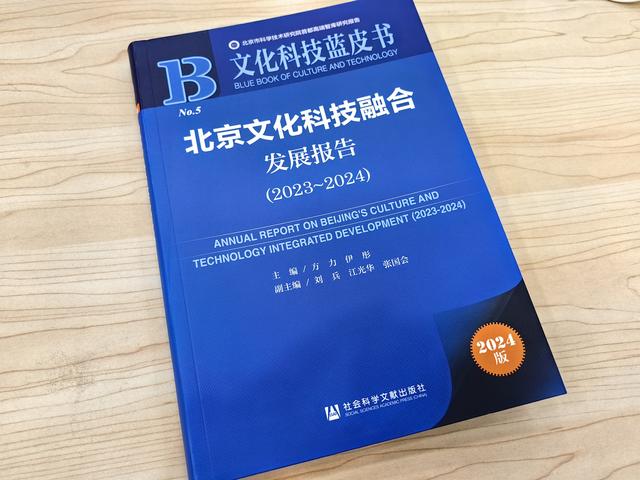
文化科技蓝皮书:北京文化科技融合指数名列前茅
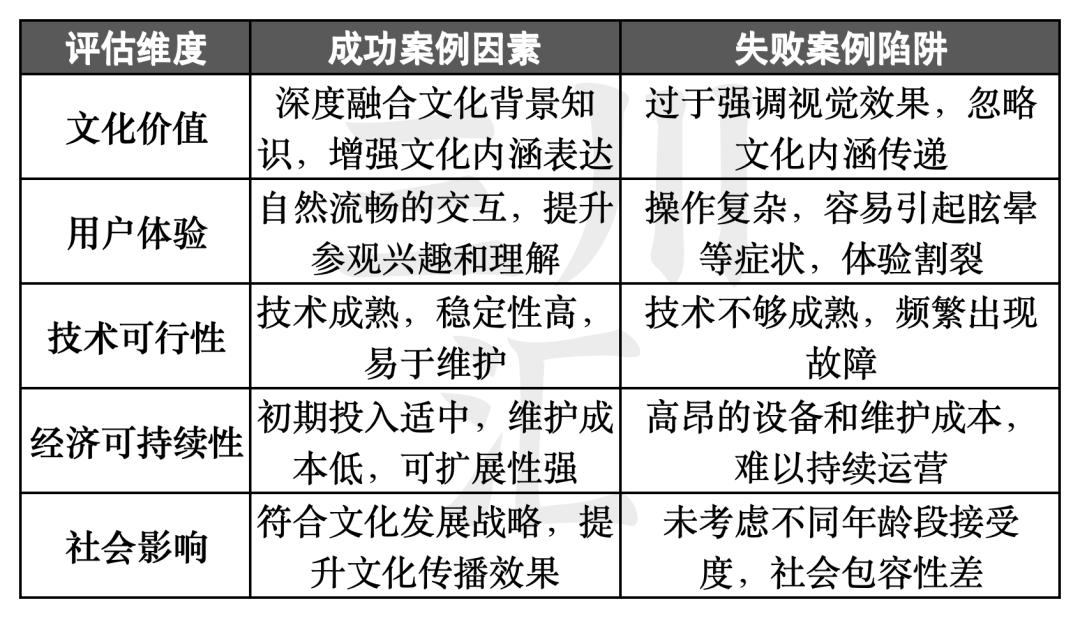
Bei Jing Ri Bao Ke Hu Duan· 2025-05-29 09:12
Core Insights - The "Cultural Technology Blue Book: Beijing Cultural Technology Integration Development Report (2023-2024)" indicates that Beijing ranks first in the cultural technology integration index among ten provinces and cities, showcasing its leading position nationwide [1][3]. Group 1: Economic Performance - In 2024, cultural new economy enterprises in Beijing achieved a revenue of 1,590.69 billion yuan, accounting for over 70% of the city's cultural enterprise revenue [3]. - Beijing has 16 national-level cultural and technology demonstration bases, the highest number in the country [3]. Group 2: Development Index - The cultural technology integration development index for Beijing reached 202.5 in 2021, an increase of 43.1 from the previous year and a rise of 102.5 from the 2014 baseline [3]. - The indices for cultural technology integration in areas such as foundation, output, and environment have shown steady growth, indicating continuous advancement [3]. Group 3: Comparative Advantage - Beijing's cultural technology integration foundation is strong, with leading positions in R&D and experimental development funding intensity, as well as annual science popularization funding [3][4]. - The cultural technology integration output in Beijing significantly surpasses that of other provinces and cities [3]. Group 4: Workforce Efficiency - Beijing ranks first in labor productivity among large-scale cultural-related industries, reflecting the concentration of highly skilled and efficient professionals [4]. - The application of new technologies, models, and tools contributes to the highest level of labor productivity returns in the cultural industry [4]. Group 5: Future Recommendations - The blue book suggests that Beijing should continue to enhance its social cultural atmosphere and cultural infrastructure, while providing more support and development space for high-end cultural manufacturing to further improve the core competitiveness of the capital's cultural industry [4].


文化+科技撬动大市场 小众赛道商机无限
Shen Zhen Shang Bao· 2025-05-25 22:56
Group 1 - The Shenzhen Cultural Industries Fair showcases the intersection of traditional culture and cutting-edge technology, highlighting diverse business opportunities in new sectors, leveraging "culture + technology" to tap into a market worth billions [1] - A hand-crafted wearable armor from Jiangsu Donghai County became a focal point at the fair, featuring micro-sculpting techniques inspired by the "Along the River During the Qingming Festival," demonstrating the fusion of traditional craftsmanship with modern cultural expressions [1] - The fair featured multiple companies showcasing AI applications based on large models, such as automatic video editing and travel log generation, significantly enhancing content creation efficiency and offering innovative services for tourists [1] Group 2 - The PICO mixed reality all-in-one device by Xiaoniao Kankan Technology has been applied in cultural tourism scenarios like the Dunhuang Mogao Caves, allowing visitors to immerse themselves in historical experiences and interact with virtual guides [2] - The newly established "Creative Workshop Experience Zone" at the fair attracted a large number of young participants engaging in traditional crafts like wood carving and cloisonné, indicating a trend where niche markets are innovatively merging technology and culture to reshape consumer experiences [2]
文化科技融合评估框架:如何判断一个技术是否真正适合应用到文化项目?
3 6 Ke· 2025-05-14 00:31
Core Viewpoint - The article emphasizes the importance of a multi-dimensional technology assessment framework for evaluating the applicability of technology in cultural projects, focusing on cultural preservation and innovation [1][2]. Group 1: Multi-Dimensional Assessment Framework - The framework consists of five core dimensions: cultural value, user experience, technical feasibility, economic sustainability, and social impact [3][4][5]. - Cultural value dimension assesses whether technology enhances cultural expression without altering its essence, particularly in areas like intangible cultural heritage [3]. - User experience dimension focuses on the seamless integration of technology into cultural narratives to enhance emotional engagement [3]. - Technical feasibility dimension evaluates the maturity, usability, and long-term stability of the technology [4]. - Economic sustainability dimension analyzes cost-effectiveness, market potential, and scalability of the technology [4]. - Social impact dimension considers the alignment of technology with cultural policies and its broader societal implications [5]. Group 2: Success and Failure Analysis - Successful technology applications balance all five dimensions, while failures often stem from significant issues in one or more dimensions [6]. - Examples illustrate that technologies like VR can fail if they do not authentically represent cultural nuances, leading to a distorted understanding of cultural heritage [6][7]. Group 3: Practical Six-Step Evaluation Framework - The six-step framework includes: 1. Demand analysis to identify core problems and audience needs [8]. 2. Cultural adaptability assessment to ensure technology accurately expresses cultural essence [8]. 3. User experience testing through prototypes and feedback [8]. 4. Technical feasibility analysis to evaluate maturity and maintenance [9]. 5. Economic sustainability assessment focusing on ROI and operational costs [10]. 6. Social impact evaluation regarding compliance with cultural policies [11]. Group 4: Strategies to Avoid Common Pitfalls - Key strategies include prioritizing cultural values over technology, conducting small-scale trials for iterative improvements, fostering cross-disciplinary collaboration, establishing user feedback mechanisms, and focusing on long-term cultural and social benefits rather than short-term trends [13][14][15][16][17]. Group 5: Conclusion - The integration of technology and culture requires a thoughtful dialogue that respects cultural integrity while leveraging technological advancements to enhance cultural vitality [18].