
美术馆

Search documents
让AI当讲解员,豆包与浦东美术馆达成合作
Zhong Guo Jing Ji Wang· 2026-01-22 05:36
Core Insights - ByteDance's Doubao has partnered with Shanghai Pudong Art Museum to serve as the official AI guide for two international exhibitions [1] - The collaboration aims to enhance the accuracy of Doubao's recognition and explanations through exclusive data cooperation and targeted search optimization [1] - The partnership allows audiences to engage with art through AI, unlocking stories behind the exhibitions and providing personalized educational resources [1] Company Summary - Doubao, a subsidiary of ByteDance, will provide AI-guided experiences for the exhibitions "The Miracle of Patterns: Masterpieces of Indian, Iranian, and Ottoman Art from the Louvre" and "Very Picasso: Paul Smith's New Perspective" [1] - The initiative is expected to facilitate a dialogue experience between AI and users, enhancing user engagement during the exhibitions [1] Industry Summary - The collaboration represents a growing trend of integrating AI technology into the art and cultural sectors, allowing for more interactive and personalized visitor experiences [1] - The use of AI in art exhibitions can potentially transform how audiences perceive and interact with art, making educational resources more accessible [1]
上海将推出2500余项春节活动
Xin Lang Cai Jing· 2026-01-19 23:20
Group 1 - Shanghai will launch a total of 2,570 activities during the Year of the Horse Spring Festival, including festive events, performances, museum exhibitions, and public cultural activities to attract both local residents and tourists [1] - Popular tourist attractions in Shanghai will offer ticket discounts of up to 50%, special zodiac promotions, and bundled ticket options during the holiday period [1] - Travel agencies will introduce themed travel routes focusing on "New Year" experiences, covering family-friendly, cultural, and rural leisure activities [1] Group 2 - Nearly 50 special exhibitions will be held in various museums, featuring topics such as Shanghai-style cheongsam and Roman culture, along with zodiac-themed exhibitions for the Year of the Horse [1] - Over 100 high-quality art exhibitions will be presented in around 60 art museums, with some venues offering night openings [1] - The "Shanghai Gift" initiative will collaborate with local time-honored brands and new cultural trends to create over 10 "Year of the Horse" themed cultural products [1] Group 3 - The 2026 New Year intangible cultural heritage series will take place from mid-January to the Lantern Festival, focusing on the theme "Taste a Bowl of Human Fire" with four main sections: food experiences, city light displays, calligraphy and riddles, and workshops [1] - The Shanghai Municipal Bureau of Culture and Tourism will also plan a series of community cultural activities titled "Be a Happy Shanghai Person," featuring over a thousand events across five major themes [2] - Upgraded public tourism services will be implemented, collaborating with well-known IPs to create new festive check-in points, enhancing the international and youthful atmosphere of the celebrations [2]
2018年度全国美术馆优秀项目公布 四川两项目入选
Si Chuan Ri Bao· 2026-01-06 08:43
Core Insights - The Sichuan Art Museum has been recognized for two projects in the 2018 National Excellent Museum Project Awards, highlighting its role in public education and exhibition excellence [1][2] Group 1: Award Recognition - The project "'Memory and Dreams' - Cross-Strait Children's Art Exhibition and 'Wenchuan Ten Years' Commemorative Special Exhibition Series Public Education Activities" won the Excellent Public Education Project award [1] - The "Mastering Nature with Craftsmanship - Xu Kuang Art Exhibition" received a nomination for Excellent Exhibition Project [1] Group 2: Educational Activities - From July 13 to 22, 2018, the Sichuan Art Museum conducted a series of public education activities alongside the children's art exhibition, allowing children to experience various cultural elements and the development changes in the Wenchuan earthquake area [1] - Activities included artist-led lectures and hands-on experiences such as ceramic making and VR exploration [1] Group 3: Exhibition Details - The "Mastering Nature with Craftsmanship - Xu Kuang Art Exhibition" took place from December 15, 2018, to January 2, 2019, showcasing 162 works by renowned printmaker Xu Kuang, along with numerous creative manuscripts and documents [1] - This exhibition marked Xu Kuang's first solo exhibition in Sichuan, featuring a unique narrative through woodblock prints and sketches accumulated over 50 years [1]
《我与上海不可分割》空间概念展亮相上海美术馆
Xin Lang Cai Jing· 2026-01-02 13:18
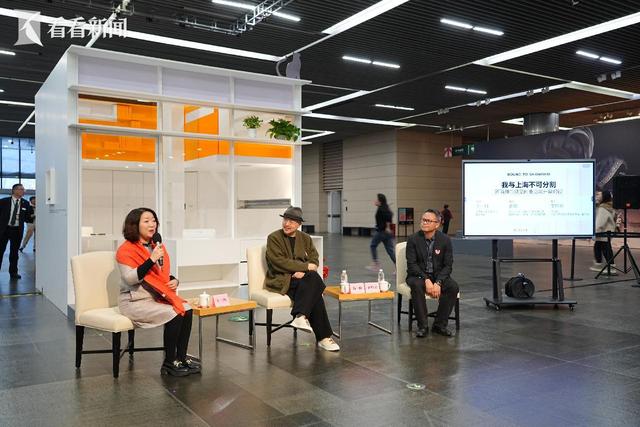
Core Concept - The exhibition "I Am Indivisible with Shanghai" by architect Yu Ting opens at the Shanghai Art Museum on New Year's Day 2026, marking the beginning of a series celebrating the museum's 70th anniversary [1] Group 1: Exhibition Overview - The exhibition features seven spatial installations that connect personal emotions with the city, starting from the concept of "home" [1][3] - The Shanghai Art Museum has been dedicated to documenting the cultural development of the city since its establishment in 1956, focusing on the inheritance and innovation of Shanghai's cultural heritage [1] Group 2: Artistic Contributions - Yu Ting, a local architect, has created influential architectural works that narrate the city's story through design, reflecting a deep understanding and emotional investment in Shanghai [3] - The first installation, "Home," is a pure white cube measuring 3×3×3 meters, symbolizing the wisdom of building dignity in limited spaces and embodying the idea that "where love is, there is home" [5] Group 3: Cultural Significance - The opening ceremony featured descendants of Wu Changshuo, a foundational figure in Shanghai's art scene, highlighting the connection between family values and the warmth of "home" [7] - The Wu family has authorized the classic seal "Mei Yi Yan Nian" to the Shanghai Art Museum, promoting the spirit of Shanghai's art and traditional culture in everyday life [7] Group 4: Future Plans - Yu Ting plans to unveil the seven spatial installations over the course of a year, with each installation representing different aspects of Shanghai's cultural spirit [9] - The Shanghai Art Museum will host various public educational activities, discussions, and workshops alongside the exhibition, inviting the public to engage with the city's cultural essence [9]

博伊斯在中国:2013–2025回顾展
Jing Ji Guan Cha Bao· 2025-10-28 03:25
Core Insights - Joseph Beuys is a pivotal figure in 20th-century art, known for concepts like "social sculpture" and "everyone is an artist," which continue to influence contemporary understandings of art [1][2] - The exhibition "Beuys in China: A Retrospective 2013-2025" aims to reflect on the twelve-year relationship between the Haowei Art Museum and Beuys, showcasing the museum's commitment to his work [1][2] Exhibition Details - The retrospective is curated by Du Xiyun and features a collection of materials accumulated over twelve years, including exhibition notes, audience feedback, and media reports [2] - The exhibition will display original works and valuable documents related to Beuys, providing insights into his artistic philosophy [2] - The exhibition runs from November 11, 2023, to August 31, 2026, at the Haowei Art Museum located in Shanghai [3]
“悬浮”于天地的余杭美术馆正式启用
Mei Ri Shang Bao· 2025-10-22 02:40
Core Insights - The newly opened Yuhang Art Museum features a unique design and is located on a small island in the Yuhang New City, with a total area of 6,160 square meters [2] - The museum's exterior combines jade glass and aluminum panels, showcasing a 360° dynamic projection at night [2] - The current exhibition, "Heaven, Earth, Human, Machine - Cultural Ecological Reconstruction in Technological Iteration," is the museum's inaugural event, featuring works from over 160 creators across more than 20 countries, running until December 18 [2] Exhibition Highlights - The exhibition is structured around four core sections: "Connection: Embodied Interaction," "Symbiosis: Digital Education," "Speculation: Ecological Reconstruction," and "Manifesto: Philosophical Inquiry" [2] - It aims to explore the dialogue between technology and culture, illustrating the trajectory of cultural ecological reconstruction through technological evolution [2] - The exhibition reflects Zhejiang's efforts in cultural development over the past two decades, emphasizing the integration of digital culture and art technology [2] Technological Exploration - The event also showcases cutting-edge technology initiatives, such as the "Three-Body Computing Constellation," a space computing infrastructure developed by the Zhijiang Laboratory in collaboration with global partners [3] - This initiative aims to create an open platform for technological innovation, facilitating the application of artificial intelligence in space [3]

美术馆里过中秋:共赏“画外音”,团圆“筑彩屋”
Su Zhou Ri Bao· 2025-10-07 00:40
Core Insights - The Suzhou Museum hosted various cultural activities during the Mid-Autumn Festival, attracting many visitors to enjoy art exhibitions and public educational events [1][2] Group 1: Exhibition and Activities - The exhibition "Knowing Beauty, Picking Fun" showcased the achievements of the museum's public education efforts over the past decade [1] - A parent-child workshop titled "Building Colorful Houses Together" allowed families to create art installations, which became a new exhibit in the gallery [1] - The exhibition emphasized interactive experiences, with children actively engaging in the interactive areas [1] Group 2: Musical Performance - A string quartet concert titled "Strings of the Seasons: Classics from East and West" was held, featuring well-known pieces such as "The Blue Danube" and "The Moon Represents My Heart" [2] - The concert was part of the museum's educational program and complemented the ongoing exhibition on landscape art [2] - Attendees appreciated the combination of art exhibitions and musical performances, highlighting the museum's efforts in providing accessible cultural experiences [2] Group 3: Visitor Experience - Visitors expressed satisfaction with the museum's free admission and the quality of public cultural activities [2][3] - Families utilized the holiday to explore art, with parents bringing children to appreciate masterworks and engage in creative activities [3] - The museum served as a venue for social interactions, as visitors encountered old friends during their visits [3]
“策展”延向馆外 艺术融入秋夜 浦东美术馆一系列夜间活动跨界联动 探索“开得晚”还要“玩得深”
Jie Fang Ri Bao· 2025-10-05 02:12
Core Insights - The article highlights the innovative approach of the Pudong Art Museum in enhancing the night economy of Shanghai through artistic events and collaborations [1][3]. Group 1: Night Economy Activation - The Pudong Art Museum has become a popular nighttime cultural destination, utilizing innovative operations to integrate art into the city's night economy [1]. - The museum's "Light Up Map" light show transforms the outdoor space into an immersive art experience, attracting diverse audiences [2]. - The museum's administrative director, Sheng Dandan, emphasizes the use of advanced technologies like AI and 3D to create engaging visual experiences for visitors [2]. Group 2: Cross-Industry Collaborations - The museum has launched various cross-industry collaborations, such as a themed cruise project with the Oriental Pearl Tower, combining art exhibitions with Huangpu River tours [3]. - The museum offers special packages with local hotels, providing guests with tickets to the museum as part of their stay [3]. - Additional benefits for ticket holders include free parking and discounts at nearby attractions, enhancing the overall visitor experience [3]. Group 3: Diverse Nighttime Offerings - The museum features a range of nighttime activities, including multimedia light shows, music performances, and outdoor movie screenings, all free for attendees [2][3]. - The focus is on creating a deep engagement with art rather than merely extending opening hours, aiming to integrate art into the urban nightlife [3].
接住大展流量 让艺术与城市相融 浦东美术馆奥赛展观展人次破60万 “大展流量转化模式”持续延续
Jie Fang Ri Bao· 2025-09-08 02:00
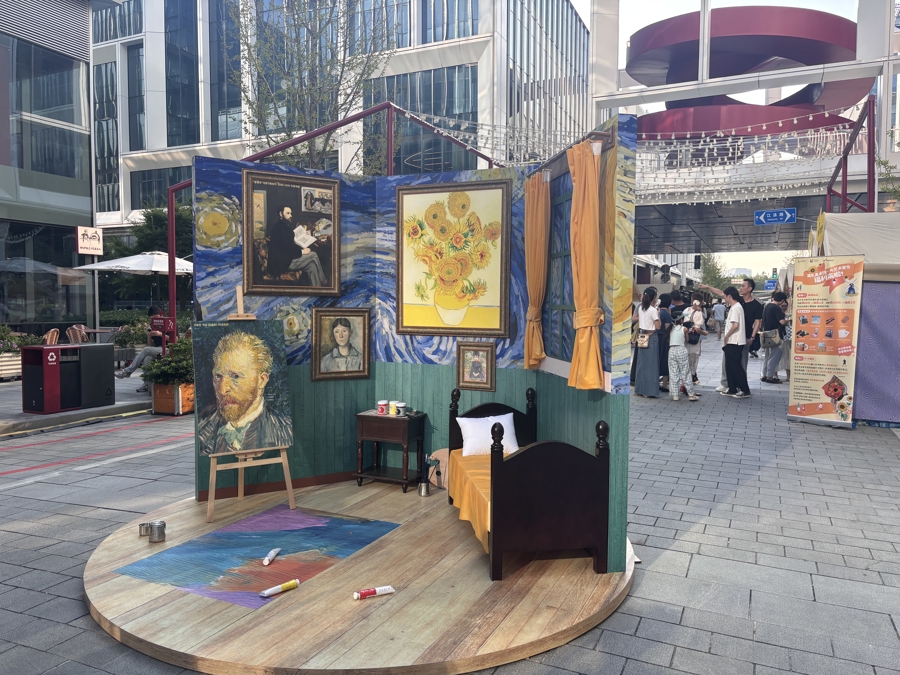
Group 1 - The core idea of the news is the integration of art and urban life through innovative events like the "Great Artist Festival" and extended night openings at the Pudong Art Museum, aiming to enhance public engagement with art [1][4][6] - The "Great Artist Festival" features over 90 creative and food brands, with interactive installations of famous artworks, making art more accessible and engaging for the public [2][4] - The Pudong Art Museum has extended its hours to accommodate night visitors, offering discounted tickets to attract a larger audience, which has proven successful with significant attendance [4][5] Group 2 - The museum's strategy includes collaborating with local businesses to boost the nighttime economy and create a vibrant cultural atmosphere in the area [4][6] - Upcoming events like an AI art light show and VR experiences are planned to enhance the nighttime offerings, aiming to provide unique and immersive experiences for visitors [6] - The museum's vision is to transform from a traditional art venue into an active participant in urban culture, integrating art into everyday life and creating a comprehensive cultural experience [6][7]
暑期“看展热”撬动消费新链条
Qi Lu Wan Bao· 2025-08-14 21:28
Core Insights - The "exhibition fever" continues to rise across various cities, with museums and art galleries becoming popular family destinations, leading to a vibrant cultural consumption trend during the summer [2][3] - The trend has created an economic chain encompassing ticket sales, cultural products, and dining, contributing positively to the summer cultural tourism market [2] Group 1: Exhibition Trends - Families are increasingly engaging in "cultural outings," with parents taking their children to multiple exhibitions, indicating a shift from traditional tourism to educational experiences [3][4] - Data from the Shandong Museum shows that it received 666,700 visitors over 40 days during the summer, highlighting the popularity of family-oriented exhibitions [3] Group 2: Consumer Behavior - The average spending per family during exhibitions has significantly increased, with one family spending over 1,000 yuan on a single visit, showcasing the extended consumption scenarios [4][5] - Parents are now seeking deeper cultural experiences, leading to a demand for interactive and educational activities within exhibitions [4][5] Group 3: Economic Impact - The cultural sector is witnessing a transformation, with parents willing to allocate a budget for cultural experiences, indicating a shift in spending priorities towards educational investments [6] - Museums are adapting to new demands by offering a variety of activities and products, with significant sales figures reported, such as over 4 billion yuan in revenue from cultural products at the Shanghai Museum [5][6]

