脱口秀

Search documents
线上热潮吹向线下:脱口秀综艺能否破解俱乐部的经营困局?
Xin Jing Bao· 2025-09-26 10:07
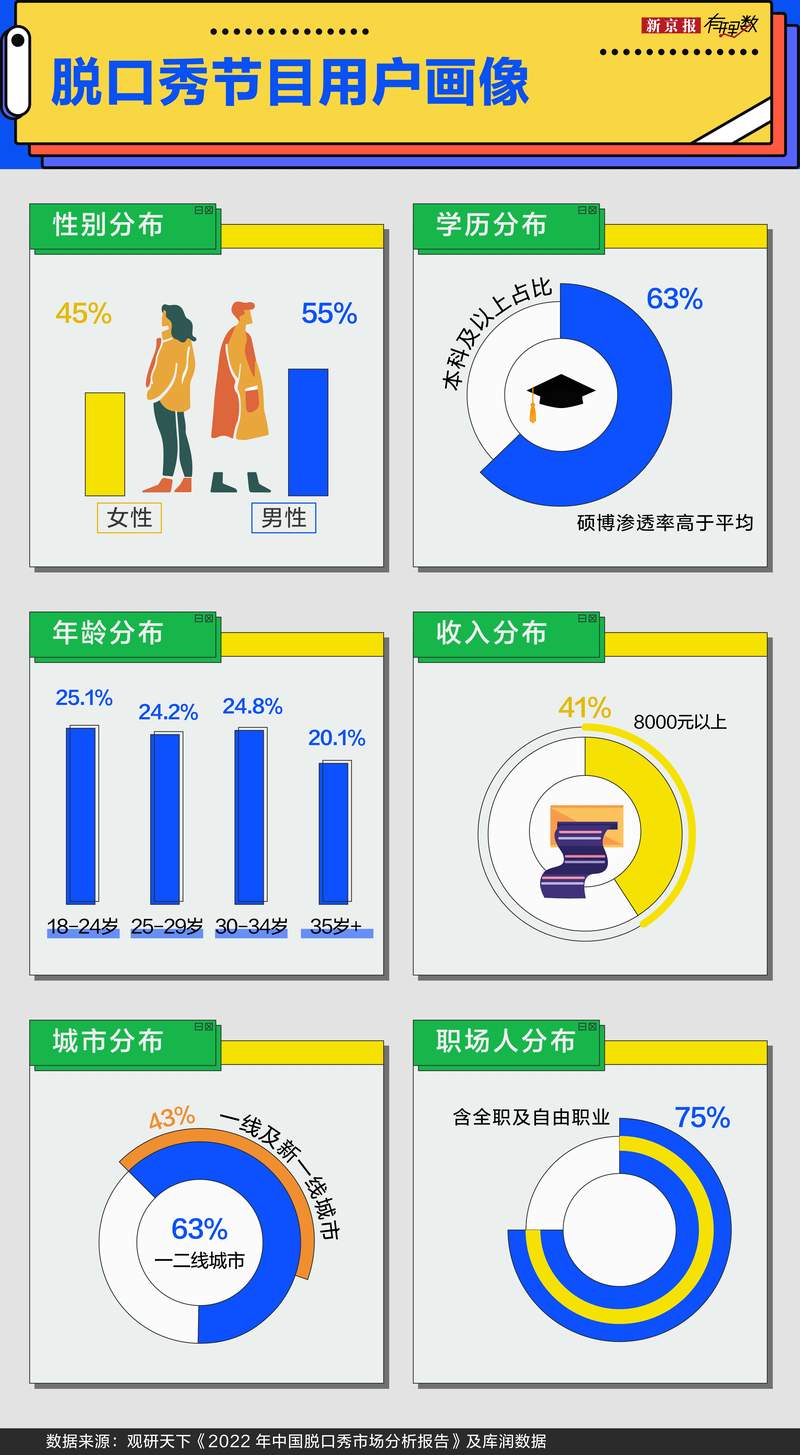
Core Insights - The summer of 2023 saw a surge in popularity for stand-up comedy, particularly with the release of two major shows, "Comedy King Stand-Up Season 2" and "Stand-Up with Friends Season 2," which generated significant online engagement with a total reading volume of 8.15 billion on Douyin [1] - The success of these shows has led to a booming live performance market, with tickets for related events selling out rapidly, indicating a strong demand for live comedy experiences [1] - However, the industry is facing increased competition as many new clubs and brands emerge, leading to a more challenging environment for performers and venues that cannot adapt to changing audience expectations [1][2] Industry Trends - Following the conclusion of the comedy shows, at least 26 groups of performers are set to launch personal or collaborative performances in 2024, with ticket prices significantly higher than average, indicating a shift towards quality over quantity in the industry [2][22] - The audience for stand-up comedy is becoming younger and more urbanized, with 75% of fans aged 18-34, which is influencing the content and themes of performances [3][8] - The competition among comedians has intensified, with a focus on addressing contemporary social issues, leading to a phenomenon referred to as "internal competition" within the industry [8][15] Audience Engagement - The audience's increasing expectations for content quality and relevance are pushing comedians to explore deeper societal themes, which has resulted in a more diverse range of topics being covered in performances [15][24] - The online popularity of comedians is translating into ticket sales, with top performers commanding higher prices based on their social media following, creating a tiered pricing structure in the market [20][21] Market Dynamics - The stand-up comedy market is experiencing a bifurcation, where top performers are thriving while many smaller clubs struggle to remain profitable, particularly in lower-tier cities where the market is saturated [22][27] - The industry is at a crossroads, facing challenges such as talent shortages, content repetition, and varying performance quality, which are complicating the path to profitability for many venues [24][27] - There is a pressing need for standardized practices and the cultivation of new talent to ensure the sustainability and growth of the stand-up comedy sector [27][28]

脱口秀的争议,不止因为性别与抄袭
Hu Xiu· 2025-09-17 07:10
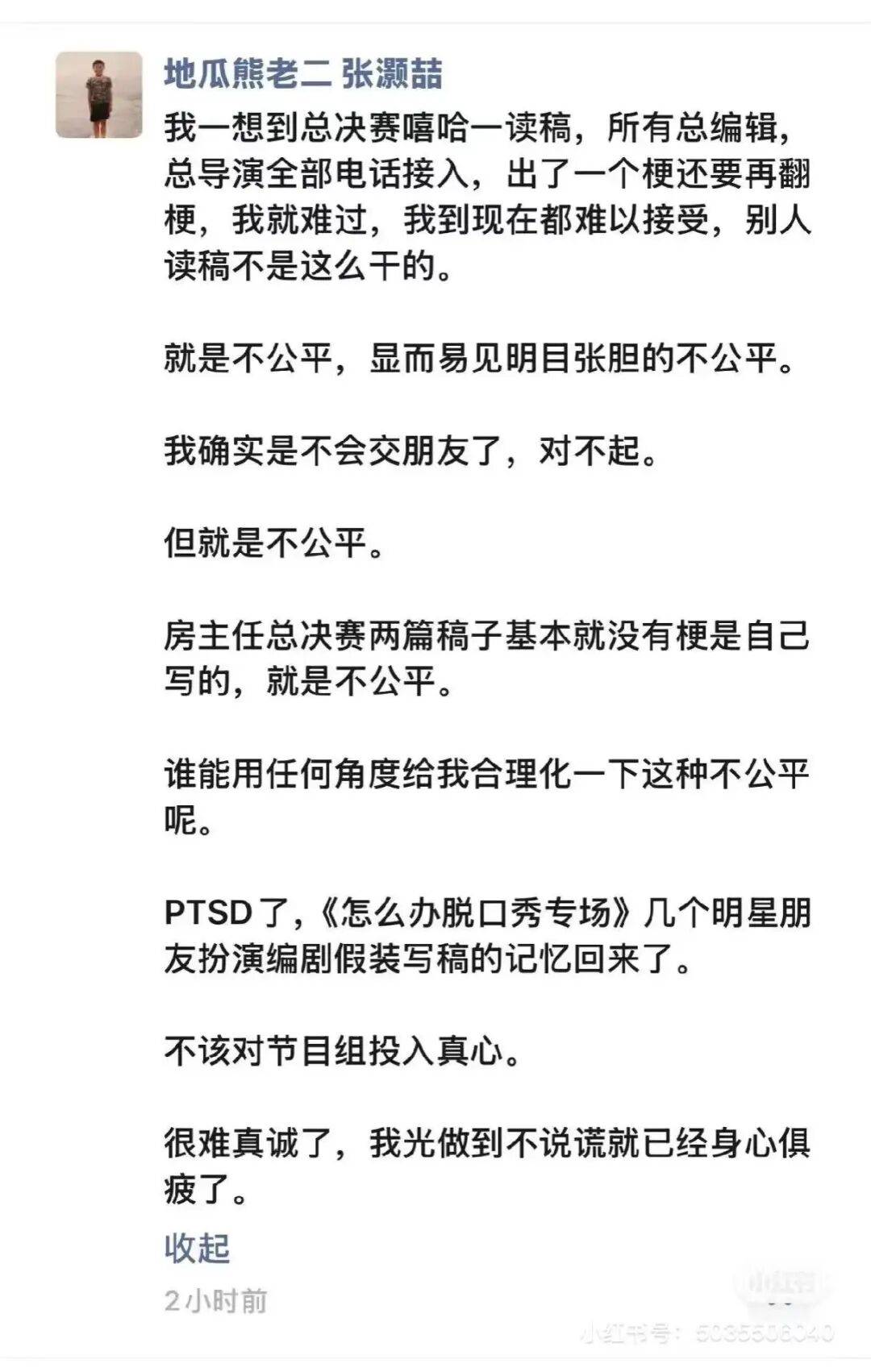
Core Viewpoint - The article discusses the ongoing controversies surrounding Chinese stand-up comedy shows, particularly focusing on the differences between stand-up performances and variety shows, and how these differences lead to audience expectations and industry challenges [7][10][38]. Group 1: Industry Dynamics - The rapid development of stand-up comedy in China has been heavily influenced by media and capital, contrasting with the historical evolution of stand-up in the U.S. [11][12]. - Major companies like Xiaoguo Culture and Tencent Video have established themselves as key players in the industry, shaping the landscape and creating a monopolistic environment for talent and content [15][17]. - The industry faces a structural imbalance where the "symbolic capital" of performers increases rapidly, while the "cultural capital" (true creative ability) does not grow at the same pace, leading to a disconnect between fame and skill [18][19]. Group 2: Audience Expectations - The audience's expectations have shifted towards seeking emotional resonance and quick, relatable content, often at the expense of deeper narratives and complex humor [26][30]. - The rise of platforms like Douyin and Xiaohongshu has changed the way comedy is consumed, favoring short, impactful statements over longer, structured performances [22][24]. - This shift has led to a demand for authenticity in storytelling, with audiences applying everyday logic to judge the performances, which can create conflicts with the artistic nature of comedy [27][31]. Group 3: Content Creation Challenges - The commercialization of comedy has led to a homogenization of content, where creators may prioritize market-driven topics over genuine artistic expression, resulting in audience fatigue [28][30]. - The focus on easily digestible content has marginalized more complex and provocative themes, limiting the scope of discussions within the comedy genre [25][29]. - The article highlights the tension between the artistic world of comedy and the everyday world of audience expectations, which can lead to misunderstandings and disputes [10][31]. Group 4: Future Outlook - As the industry matures, there is a growing recognition among performers that online and offline comedy are fundamentally different, leading to a potential decline in participation in online formats [37][38]. - The article suggests that for stand-up comedy to thrive, it must navigate both online and offline spaces effectively, adapting to the unique demands of each environment [39].
把“主理人”批倒批臭,就能让服务变好吗?
Hu Xiu· 2025-08-19 00:41
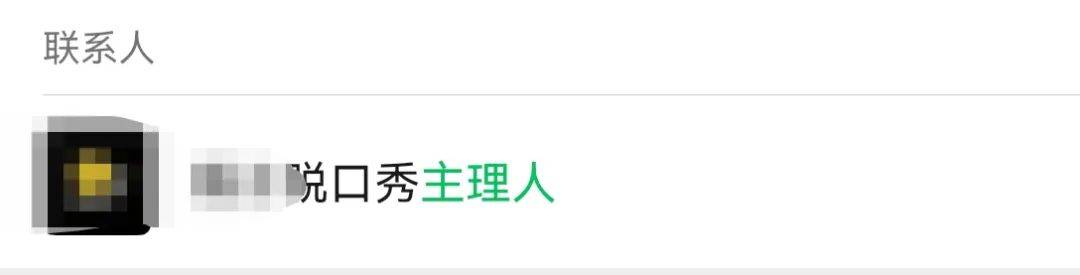
Group 1 - The term "主理人" (main person) is widely used across various industries, including the stand-up comedy scene, coffee shops, and bars in Shanghai [1][3] - The role of a "主理人" is ambiguous, with no clear definition whether it refers to a boss, partner, or manager [2][3] - The term can be applied to various positions within organizations, suggesting a flexible interpretation of roles and titles [3][4] Group 2 - The author expresses a preference for the term "主理人," indicating that it can be used for various roles, including legal positions and leadership titles [3][5] - There is a critique of the notion that certain titles should be reserved for specific individuals, arguing against a rigid hierarchy in naming conventions [5][6] - The term "假精致" (false sophistication) is mentioned, indicating that some view "主理人" as a representation of this concept, leading to its negative perception [6][7]
单人涨粉超百万,直播票房十几万,短视频成为脱口秀新战场
3 6 Ke· 2025-08-13 09:43
Core Insights - The rise of stand-up comedy shows is rapidly capturing the short video market, with platforms like Douyin (TikTok) becoming key channels for promotion and audience engagement [1][6][17] Group 1: Show Impact and Audience Engagement - Stand-up comedy shows like "脱口秀和Ta的朋友们" and "喜剧之王单口季" have gained significant popularity, with individual performers like "小帕" and "房主任" achieving over 200 million and 6 billion views respectively on Douyin [1][3][5] - The official accounts of these shows distribute highlight clips across various platforms, leading to increased follower counts for participating comedians, with some gaining over 300,000 followers during the airing period [5][7] Group 2: Short Video Adaptation - The format of short videos aligns well with the quick, punchy nature of stand-up comedy, allowing audiences to quickly grasp humor in just a minute or even a single quote [8][9] - The most popular stand-up videos are predominantly clips from shows, with a focus on female-centric themes that resonate with viewers, contributing to the rise of new female comedians [8][9] Group 3: Revenue Generation and Ticket Sales - Short video platforms have become crucial for ticket sales, with some clubs reporting that up to 40% of their revenue now comes from Douyin, surpassing traditional ticketing platforms [17][24] - The trend indicates a shift where short videos serve not just as promotional tools but also as primary sales channels for comedy clubs, especially in smaller cities [24][26] Group 4: Industry Dynamics and Challenges - The pathway to success in the stand-up comedy industry is narrowing, with only a small number of clubs able to produce comedians who reach mainstream shows, leading to revenue declines for many smaller venues [19][24] - Despite the challenges, many clubs are adapting by leveraging social media for marketing and ticket sales, indicating a shift in operational strategies within the industry [22][24]
脱口秀线下俱乐部,赔麻了
36氪· 2025-08-01 13:34
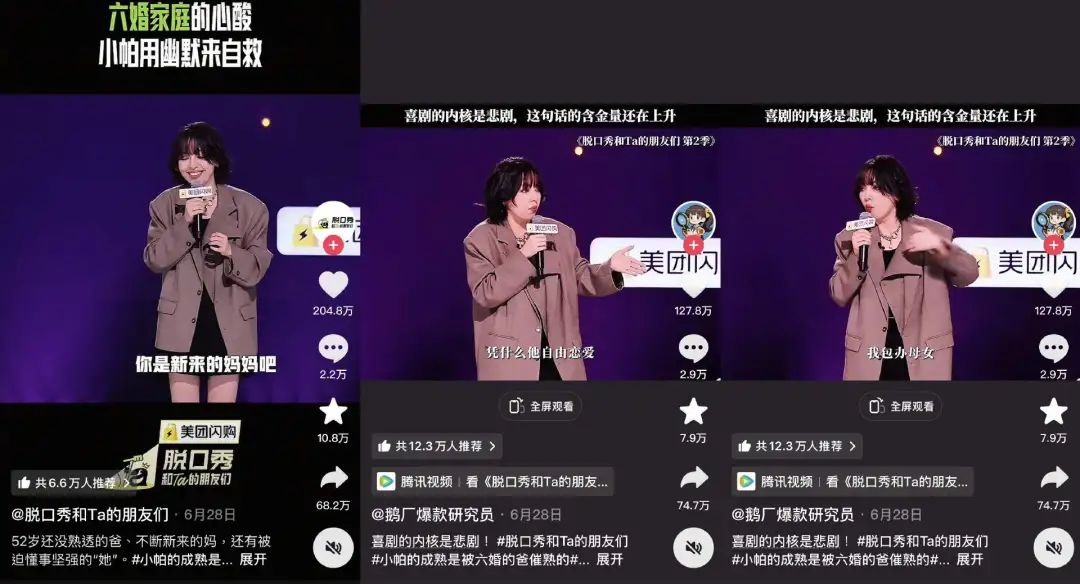
Core Viewpoint - The article discusses the challenges and transformations within the stand-up comedy industry in China, particularly focusing on the impact of popular variety shows on the market dynamics and the necessity for clubs to have star performers to survive in a saturated environment [5][30]. Group 1: Industry Growth and Challenges - The stand-up comedy market in China saw rapid growth from 2018 to 2022, with market size increasing from 720 million to 3.23 billion yuan, reflecting a compound annual growth rate of 45.8% [9]. - The initial success of shows like "Roast" and "Stand-Up Comedy Competition" led to a surge in the number of comedy clubs and performers, with many clubs opening in major cities [11][12]. - However, by 2023, the market became oversaturated, leading to a decline in profitability for many clubs, with some closing within months of opening [13][26]. Group 2: Impact of Star Performers - The presence of star performers from popular shows has become crucial for clubs to attract audiences and generate revenue, as many clubs without such talent struggle to survive [30]. - Clubs like "Xifan Comedy" have benefited from the popularity of their signed performers, leading to increased ticket sales and audience engagement [16][19]. - The competition for visibility and success has intensified, with only a small number of performers gaining significant exposure through major variety shows, making it difficult for the majority to break through [17][30]. Group 3: Evolution of Business Models - Comedy clubs are increasingly shifting towards a talent agency model, focusing on nurturing and promoting performers to become stars, which is essential for sustaining their operations [19][30]. - The industry is witnessing a trend where clubs must not only host performances but also actively manage and develop their talent to ensure long-term viability [30][38]. - Clubs are implementing various strategies, such as hosting competitions and open mic events, to discover and cultivate new talent, although the process remains challenging and time-consuming [34][37]. Group 4: Future Outlook - The article suggests that the industry may stabilize by 2024, but the focus will remain on securing star talent to drive ticket sales and audience interest [14][15]. - The rise of social media and short video platforms presents new opportunities for comedians to build their brands and reach wider audiences, which clubs are beginning to leverage [39][40]. - Despite the challenges, the passion for stand-up comedy remains strong among many performers and club owners, indicating a resilient spirit within the industry [20][41].

年赚600万,脱口秀下沉掘金了
投中网· 2025-07-31 06:42
Core Viewpoint - The stand-up comedy market is experiencing significant growth, particularly in lower-tier cities, driven by popular online shows and an influx of new talent [4][11][18]. Group 1: Online and Offline Market Dynamics - The popularity of Tencent's "Stand-Up Comedy and Its Friends 2" and iQIYI's "Comedy King Stand-Up Season 2" has peaked audience interest in the stand-up comedy market, with market shares reaching 11.45% and 9.04% respectively [4]. - The rise of new stand-up comedians has invigorated the online scene, which in turn has positively impacted offline performances, leading to a surge in live shows [6][10]. - The number of open mic events in Beijing has increased by at least 30%, indicating a growing interest in live performances [5]. Group 2: Audience and Revenue Insights - The audience for offline shows is becoming more diverse, with many first-time attendees, while established venues attract a more targeted audience [9][13]. - Ticket prices for stand-up shows in lower-tier cities are generally around 50 yuan, which is about twice the price of a movie ticket [12]. - Stand-up comedians in lower-tier cities typically earn around 100 yuan per performance, with full-time comedians being rare due to insufficient income [13][16]. Group 3: Industry Challenges and Opportunities - The stand-up comedy industry is witnessing a divide, with top-tier clubs and brands capturing most of the audience and revenue, while new entrants struggle to achieve profitability [18]. - The survival of many clubs in lower-tier cities is uncertain, with some operators reporting no return on investment after three years [16]. - The industry is evolving, with comedians increasingly leveraging social media and short videos to build their personal brands and attract audiences [17].

脱口秀掘金下沉市场,三四线年轻人买账吗?
3 6 Ke· 2025-07-29 00:20
Core Insights - The popularity of stand-up comedy shows has peaked with Tencent's "Talk Show and Its Friends 2" and iQIYI's "King of Comedy Season 2," achieving market shares of 11.45% and 9.04% respectively, despite a slight decline compared to last year [1] - A new generation of stand-up comedians, such as Fang Zhuren and Xiao Pa, has emerged, significantly boosting both online and offline comedy markets [1][2] - The offline stand-up comedy scene is thriving, with a notable increase in open mic events, up by 30% in Beijing, indicating a growing interest in the genre [2][3] Industry Trends - The rise of online comedy shows has expanded the audience base for stand-up comedy, creating wealth and opportunities for new talent [2] - Offline venues are benefiting from the popularity of online shows, with established comedians drawing larger crowds to live performances [2][5] - The market is expanding beyond first-tier cities, with stand-up clubs proliferating in third and fourth-tier cities, indicating a shift in audience demographics [6][8] Audience Dynamics - The audience for offline performances is increasingly diverse, with many first-time attendees and a significant portion coming from online platforms [5][9] - In third and fourth-tier cities, the audience is primarily aged 18-40, with a higher percentage of female attendees [9] Economic Aspects - The ticket pricing for stand-up shows in lower-tier cities is around 50 yuan, comparable to local movie ticket prices, while performers earn between 50 to 200 yuan per show [8][9] - The financial viability of stand-up clubs varies, with some struggling to break even while others, particularly in larger cities, report annual revenues of around 6 million yuan [10][14] Talent Development - The quality of open mic events has improved, attracting well-known comedians and increasing ticket prices from 9.9 yuan to 39.9 yuan [3] - Stand-up comedians are increasingly using social media and short videos to build their personal brands and attract audiences [15] Market Segmentation - The stand-up comedy industry is becoming more segmented, with distinctions between clubs focused on stand-up and those emphasizing interactive performances [14][16] - The top-tier clubs and brands are capturing a larger share of the audience and revenue, while new entrants face challenges in monetizing their efforts [16]

上城助力“一支麦”找“新家”
Hang Zhou Ri Bao· 2025-06-17 03:19
Core Insights - The article highlights the rapid growth and popularity of the comedy venue "Yi Zhi Mai" in Hangzhou, which has been performing over 50 shows monthly and attracting more than 50,000 audience members since its establishment last year [3][4] - The venue is facing space constraints and is actively seeking a larger location to accommodate its growing audience and business needs [3][4] - The "Yi Zhi Mai" team has identified three key requirements for a new venue: sufficient space, convenient transportation, and high foot traffic [4] Venue Selection Process - The Up City Cultural Development Center responded promptly to the venue's needs by evaluating various cultural and commercial spaces in the area [4] - After thorough consideration, "Yun He Ying Xiang" was chosen as the new location due to its proximity to public transport and its cultural significance [4][6] - The new venue includes two theaters and is strategically located near a subway station, aligning perfectly with the venue's requirements [4] Support for Cultural Enterprises - The Up City Cultural Development Center is committed to providing ongoing support to "Yi Zhi Mai" by introducing various policies aimed at assisting cultural enterprises [5][6] - The center's service philosophy focuses on proactive, professional, and responsive support to address the development challenges faced by local cultural brands [6] - Upcoming initiatives include hosting the Hangzhou Comedy Festival and developing local cultural content IP landmarks [6] Policy Initiatives - In March, Up City introduced a series of supportive policies for the cultural industry, aiming to foster a favorable ecosystem for cultural enterprises [7] - The policies include financial support of up to 5 million yuan for innovative projects in the cultural sector, emphasizing the development of new business models and digital cultural products [7] - The Up City Cultural Development Center aims to fully utilize provincial and municipal cultural policies to ensure that local enterprises benefit from available support [7]
南瓜:最适合我的工作,是送外卖和讲脱口秀|进击的脱口秀演员⑤
Xin Lang Cai Jing· 2025-05-14 02:12
Group 1 - The influence of stand-up comedy has become increasingly significant in 2024, serving as a medium for emotional expression, stress relief, and social discourse [1] - Stand-up comedy has expanded beyond television to social media and short video platforms, integrating with literature, music, and film, thus becoming a cultural symbol of contemporary life [1] - The series of reports titled "The Rising Stand-Up Comedian" highlights the journey of comedians like "Pumpkin," who transitioned from a delivery worker to a full-time stand-up comedian [1] Group 2 - "Pumpkin," born in 1996 in Baoji, Shaanxi, faced numerous challenges, including academic failures and various jobs, before discovering his passion for stand-up comedy [5][9] - After moving to Shanghai, "Pumpkin" adapted to the fast-paced environment and learned to connect with urban audiences, which required understanding new cultural references [24][25] - The stand-up comedy industry in China is still in its early stages, primarily appealing to younger audiences, with potential for growth as more people seek comedic content [32]