
科研

Search documents
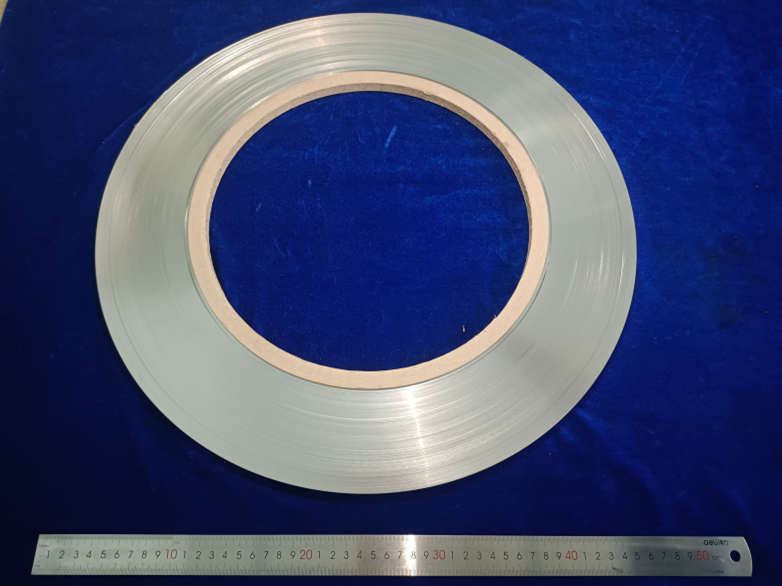
我国科研人员实现“人造太阳”关键核心材料制备
Xin Hua She· 2025-10-28 08:48
Core Insights - The research team at the Institute of Metal Research, Chinese Academy of Sciences, has successfully achieved industrial-scale production of high-purity ton-level Hastelloy alloy using self-developed purification technology, which is crucial for the production of second-generation high-temperature superconducting tapes [1][3] - The second-generation high-temperature superconducting tapes are essential for creating powerful magnetic fields necessary for controlled nuclear fusion, and the production of these tapes has previously relied on imported Hastelloy alloys, which are expensive and have uncertain supply times [1] - The newly developed Hastelloy alloy has purity levels that meet or exceed those of imported materials, addressing the supply chain issues faced by the industry [1] Production and Technical Achievements - The research team has overcome key technical challenges in processing, successfully rolling the Hastelloy alloy into ultra-thin metal substrates with a thickness of only 0.046 mm, a width of 12 mm, and a length exceeding 2000 meters, achieving a surface roughness of less than 20 nanometers [3] - The metal substrates produced have excellent thermal stability and mechanical properties, and validation work has been conducted with relevant enterprises, leading to the successful large-scale production of nearly one kilometer of high-temperature superconducting tapes [3] - A framework cooperation agreement has been established with relevant enterprises for the supply of 20 tons of metal substrates, with plans for further collaboration to optimize the production process [3]

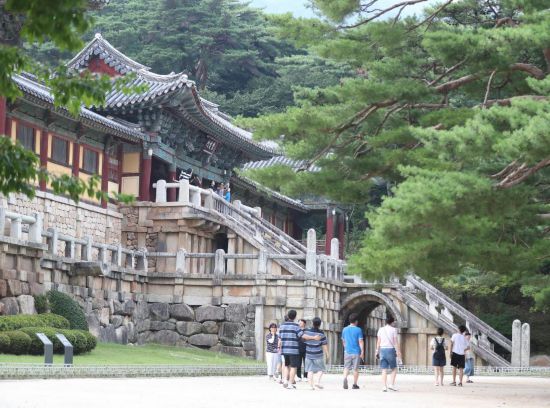
列国鉴丨记者观察:庆州,“最能代表韩国的城市”
Xin Hua Wang· 2025-10-28 00:46
Core Points - The APEC 32nd Leaders' Informal Meeting will be held in Gyeongju, South Korea, from October 31 to November 1, aiming to enhance diplomatic, economic, and cultural influence [1] - Gyeongju, known as the ancient capital of the Silla Dynasty, is rich in historical and cultural heritage, making it a representative city of Korea [1][2] Summary by Sections APEC Meeting - The South Korean government aims to use the APEC meeting to promote internationalization of small and medium-sized enterprises and encourage balanced regional development [1] - Gyeongju was selected for its historical significance and modern conference facilities, reflecting Korea's cultural identity [5] Historical Significance of Gyeongju - Gyeongju served as the capital of the Silla Dynasty from 57 BC to 935 AD, integrating cultural elements from the Tang Dynasty and fostering a unique cultural identity [2] - The city is recognized as a key site for East Asian cultural exchange, having facilitated interactions with the Tang Dynasty and Japan [2] Cultural Heritage - Gyeongju is referred to as a "rooftop-less museum," housing UNESCO World Heritage sites such as Bulguksa Temple and Seokguram Grotto, showcasing the pinnacle of Silla-era Buddhist architecture [3] - The city has successfully blended traditional and modern elements, becoming a popular destination for cultural events and tourism [3] Economic Impact - The APEC meeting is expected to generate approximately 7.4 trillion KRW (about 367 billion RMB) in economic benefits and create around 23,000 jobs [9] - The event will host over 200 activities, attracting around 24,000 political and economic figures to South Korea [9] - Gyeongju aims to leverage the meeting to boost tourism, enhance international business exchanges, and promote advanced industries [9]
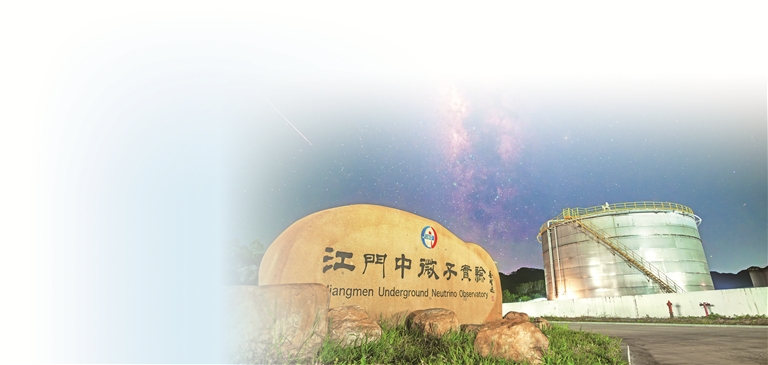
走近大国重器丨地下700米捕捉“幽灵粒子”探访超大规模超高精度中微子大科学装置
Zhong Yang Ji Wei Guo Jia Jian Wei Wang Zhan· 2025-10-27 00:26
Core Viewpoint - The construction and operation of the Jiangmen Neutrino Experiment (JUNO) represent a significant advancement in China's scientific capabilities, aiming to enhance the country's position in global scientific research and innovation [2][19]. Group 1: Overview of the Jiangmen Neutrino Experiment - The Jiangmen Neutrino Experiment is the world's largest and most precise liquid scintillator neutrino detector, marking a new chapter in neutrino research in China [2][4]. - The experiment aims to measure the mass hierarchy of neutrinos and improve the precision of neutrino oscillation parameters, contributing to the understanding of fundamental questions about matter and the universe [4][13]. Group 2: Technical Achievements - The experiment features a central detector with a 35.4-meter diameter acrylic sphere containing 20,000 tons of liquid scintillator, which is the largest of its kind globally [6][12]. - The detector's design includes 45,000 photomultiplier tubes, significantly increasing the effective detection area to 78%, surpassing other international experiments [13][15]. Group 3: Challenges and Solutions - The construction faced significant challenges, including geological difficulties due to the high water content of the rock and the need for a deep underground facility [9][10]. - A collaborative technical team was formed to address these challenges, leading to innovative construction methods and the successful installation of critical components [9][11]. Group 4: Impact on Industry and Research - The project has spurred advancements in related industries, enhancing the technological capabilities of domestic manufacturers involved in producing key components like the photomultiplier tubes and acrylic sphere [17][21]. - The successful operation of JUNO is expected to attract international collaboration, positioning China as a leader in neutrino research and contributing to the global scientific community [17][22].
天津大学的三个创新场景(科技视点)
Ren Min Ri Bao· 2025-10-26 22:19
Core Points - The article emphasizes the advancements and contributions of Tianjin University in education and scientific research, particularly in synthetic biology and earthquake engineering [7][12][16] Group 1: Educational Initiatives - Tianjin University is focusing on cultivating talent and enhancing the quality of education to meet national strategic needs, as highlighted by a letter from President Xi Jinping [7] - The university has developed project-based courses in brain-computer interface technology, encouraging students to design and build complete closed-loop control systems [12][13] - The university is iterating its new engineering education model, emphasizing problem-solving skills among students [13] Group 2: Research and Development - The National Large Earthquake Engineering Simulation Research Facility at Tianjin University is a unique large-scale facility designed to simulate earthquakes, addressing significant public safety and engineering needs [8][9] - The facility's development involved overcoming numerous technical challenges, leading to the creation of a groundbreaking "dual six-degree-of-freedom superimposed vibration table system" [9][10] - The synthetic biology laboratory at Tianjin University has achieved significant breakthroughs, including the assembly of a human genome at the megabase scale, contributing to the field of synthetic biology [16] Group 3: Interdisciplinary Collaboration - The earthquake engineering project team comprises multiple disciplines, including civil engineering, automation, and materials science, demonstrating the importance of organized research [10][11] - The synthetic biology department has integrated various fields such as neuroscience, engineering design, and signal processing to create a comprehensive knowledge and skills system [12][15]
迈向世界级科研枢纽
Jing Ji Ri Bao· 2025-10-25 22:18
Core Insights - The State Council of China issued the "He Tao Shenzhen-Hong Kong Science and Technology Innovation Cooperation Zone Development Plan," establishing a national strategic blueprint for the Shenzhen-Hong Kong tech innovation collaboration [1] - The He Tao Cooperation Zone aims to become a world-class research hub, achieving significant results in resource aggregation, collaborative innovation, and technology transfer over the past two years [1][2] Group 1: High-End Resource Aggregation - The He Tao Cooperation Zone is the only major cooperation platform in the Guangdong-Hong Kong-Macao Greater Bay Area focused on technological innovation, leveraging cross-border collaboration to accelerate towards a world-class research hub [2] - As of August 2023, the zone has gathered over 200 high-end research projects and 447 tech companies, with a 2.5 times increase in research talent to over 15,000, including 18 academicians [1][2] - The establishment of major research platforms, such as the Guangdong-Hong Kong-Macao Greater Bay Area Quantum Science Center, has facilitated significant breakthroughs, including the discovery of high-temperature superconductivity in nickel oxide [2] Group 2: Collaborative Innovation Achievements - The cooperation zone has successfully integrated Hong Kong's research advantages with Shenzhen's industrial resources, exemplified by the Hong Kong Science Park Shenzhen Branch, which has attracted nearly 70 tech companies since its opening in September 2023 [4] - Notable advancements include the development of China's first high temporal and spatial resolution electron microscope by a team from City University of Hong Kong, showcasing the zone's capacity for cutting-edge research [5] - The zone has nurtured companies like Crystal Tech and Kunlun Technology, with significant achievements in drug discovery and semiconductor technology, indicating a robust innovation ecosystem [6][7] Group 3: Soft and Hard Connectivity Enhancements - The He Tao Cooperation Zone is positioned as an experimental area for international advanced technology innovation rules, focusing on systemic institutional designs for cross-border research element flows [8] - Recent infrastructure upgrades include the commissioning of a high-quality power supply system and the establishment of a direct cross-border bus service, enhancing connectivity for researchers between Shenzhen and Hong Kong [9] - The zone's strategic initiatives aim to provide strong technological support for the development of new productive forces, contributing to the overall innovation landscape of the Guangdong-Hong Kong-Macao Greater Bay Area [9]
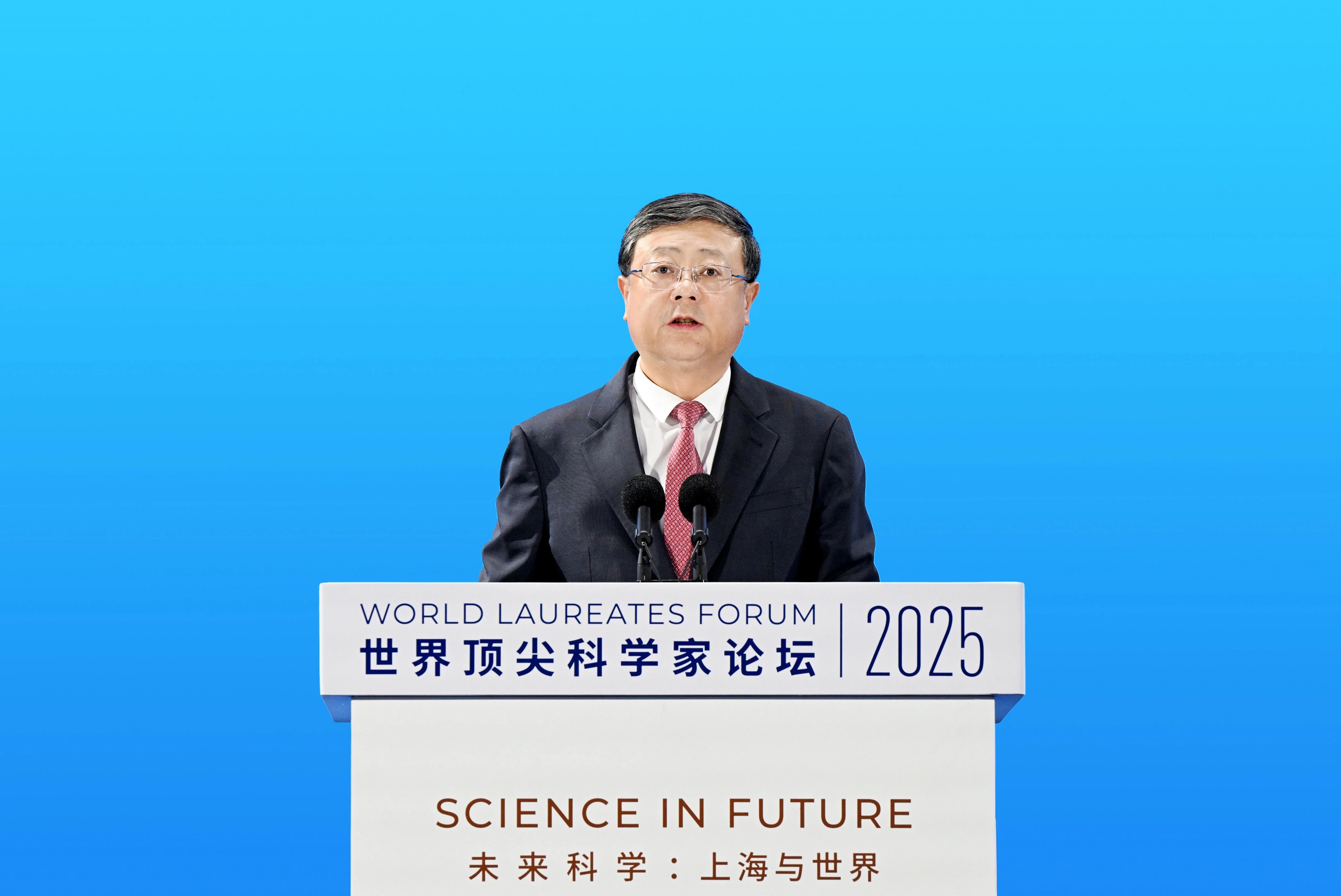
2025世界顶尖科学家论坛开幕并颁奖,陈吉宁致辞
Di Yi Cai Jing· 2025-10-25 10:55
Core Viewpoint - The 2025 World Top Scientists Forum aims to enhance scientific innovation in Shanghai and contribute to global scientific progress, emphasizing the importance of collaboration among scientists [1][4][7]. Group 1: Event Overview - The forum's theme is "Future Science: Shanghai and the World," featuring a main forum, six sub-forums, and related activities [11]. - Key discussions will focus on global technological frontiers, basic research, technological breakthroughs, integrated innovation, international cooperation, and science governance [11]. Group 2: Awards and Recognition - The "Intelligent Science or Mathematics Award" was awarded to Richard S. Sutton, and the "Life Science or Medicine Award" was given to Scott D. Emmer and Wes Sandquist during the ceremony [12]. Group 3: Government and Institutional Support - Shanghai's leadership, including Mayor Gong Zheng, emphasizes the city's commitment to deepening basic research and fostering an international innovation center [4][7]. - The event was attended by notable figures, including Nobel laureates and university leaders, highlighting the significance of the forum in the scientific community [8]. Group 4: Future Directions - Shanghai aims to create an open, fair, and non-discriminatory innovation environment, encouraging the free flow of knowledge, technology, and data to address global scientific challenges [7]. - The city plans to support young scientists in significant technological tasks, fostering a culture of scientific inquiry and innovation [7].
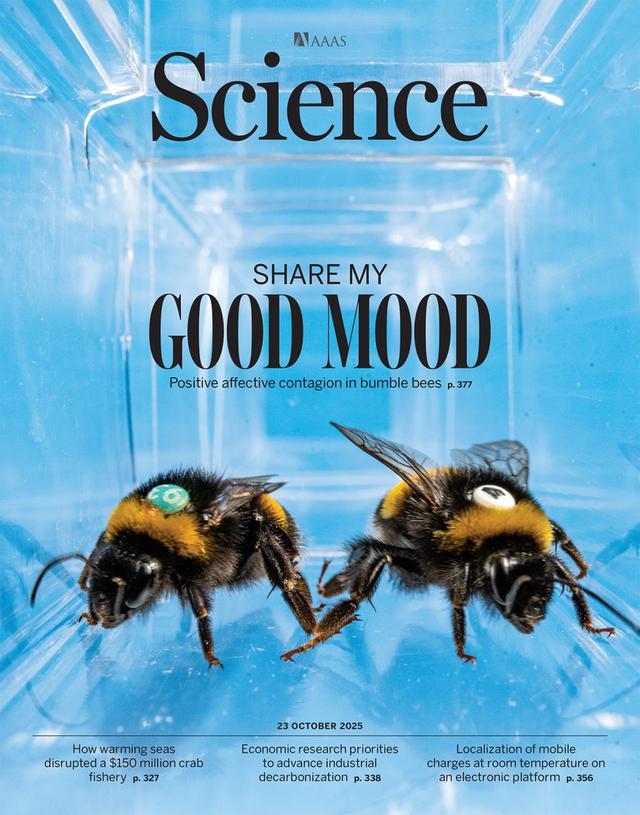
突破性发现!熊蜂也会“同甘共苦”
Huan Qiu Wang Zi Xun· 2025-10-24 09:31
Core Insights - The research conducted by a team from Southern Medical University reveals that bumblebees can exhibit "positive emotional contagion," demonstrating behaviors such as faster reactions and more optimistic decision-making when observing rewarded peers [3][4][6]. Research Findings - The study published in the journal Science challenges the traditional view that emotional contagion is exclusive to higher animals, suggesting that even invertebrates like bumblebees possess this ability [3][4]. - The research utilized a "cognitive bias" experimental paradigm, where bumblebees were trained to associate specific flower colors with rewards, allowing the team to measure emotional states based on their exploration speed and choice tendencies [4][6]. - Bumblebees that interacted with "happy" peers showed a significant increase in optimistic choices and faster response times during subsequent tests, indicating that emotional states can be transmitted through visual observation alone, without physical or chemical signals [6][7]. Historical Context - The exploration of emotional contagion in bumblebees began in 2016 when initial observations indicated that bumblebees displayed behaviors akin to "positive emotions" after receiving unexpected rewards [8][10]. - The research progressed through various experiments, culminating in the discovery of visual cues as the primary means of emotional transmission among bumblebees [10]. Practical Applications - The findings have led to the development of "bumblebee directed pollination technology," which has been successfully implemented in various agricultural settings in Guangdong, enhancing crop yields by 20% to 30% through trained bumblebees [15][17]. - This technology not only addresses challenges in manual pollination but also bridges the gap between fundamental research and practical agricultural applications, showcasing the potential of bumblebee cognition in improving farming practices [15][17].
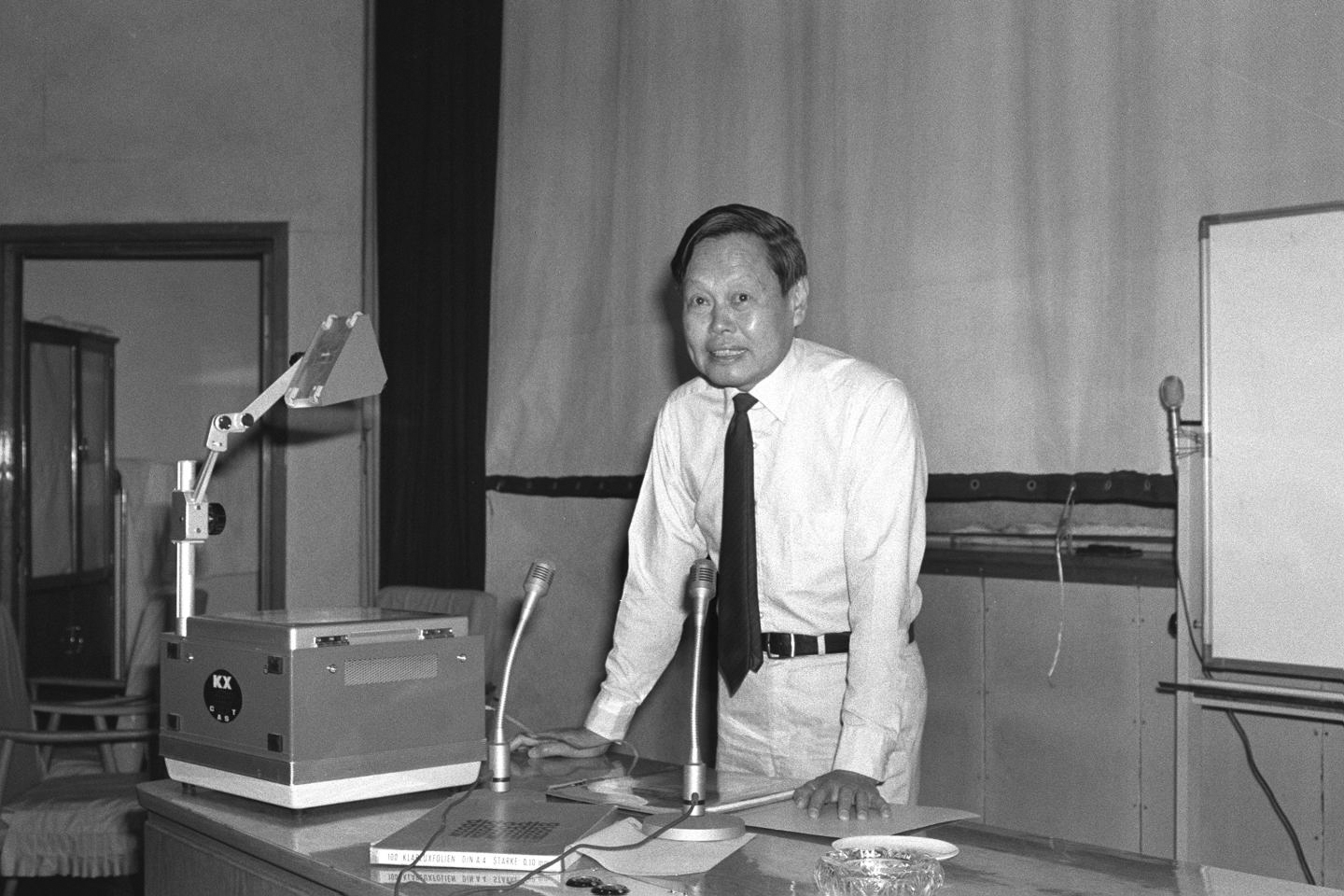
杨振宁写给中学生:把握住自己最突出的科学兴趣和天赋
Di Yi Cai Jing· 2025-10-24 02:41
Core Viewpoint - Yang Zhenning emphasizes the importance of practical skills in science, stating that those who excel in hands-on abilities are the talents most needed in China [1][4]. Group 1: Importance of Practical Skills - Yang Zhenning highlights that 90% of science is based on experimental activities, and students with strong hands-on skills should leverage this advantage to excel in scientific fields [3][4]. - He shares a personal anecdote about his son, illustrating how innate practical skills can lead to success in experimental science, despite differences in other academic areas [3][4]. Group 2: Educational System and Talent Development - The current Chinese examination system tends to undervalue practical skills, focusing instead on academic performance, which may hinder the development of essential talents in experimental sciences [4][5]. - Yang encourages parents and educators to identify and nurture the unique talents of students, particularly those with strong organizational and problem-solving abilities [4][5]. Group 3: Problem-Solving and Scientific Discovery - Solving problems is likened to scientific research, where persistence and strategic thinking are crucial for overcoming challenges [5][6]. - Yang discusses the "shelving method" proposed by mathematician Poincaré, which suggests that stepping away from a problem can lead to breakthroughs when the mind subconsciously continues to work on it [6][7]. Group 4: Broadening Knowledge and Interdisciplinary Approach - Yang advocates for cultivating a broad knowledge base, as interdisciplinary interests can lead to significant scientific advancements, citing the example of the CAT scanner's invention [8][9]. - He emphasizes that while mathematical skills are beneficial, they are not strictly necessary for scientific research, and a diverse knowledge base can be more advantageous [9][10]. Group 5: Encouragement of Young Scientists - The importance of youthful enthusiasm and fearlessness in scientific exploration is highlighted, with references to Watson's "The Double Helix" as an example of how passion can drive scientific discovery [10][11]. - Yang stresses the need for a shift in traditional Chinese educational values that often prioritize authority over innovation, advocating for a more exploratory approach to learning [11][12]. Group 6: Embracing Diverse Talents in Science - The necessity for a variety of talents in science is underscored, with a call for individuals to recognize and develop their unique interests and strengths within the scientific field [13][15].
国有企业第三届“星火”创新创意大赛启动
Liao Ning Ri Bao· 2025-10-24 01:01
Group 1 - The "Spark" Innovation and Creativity Competition in Liaoning Province aims to promote technological innovation and economic development, with a focus on enhancing R&D investment in state-owned enterprises [1][2] - The competition has attracted 326 state-owned enterprises and over 1,200 teams, resulting in 152 outstanding projects and a total investment of 1.009 billion yuan across 75 projects [1] - Notable projects include the "Intelligent Mining 5G + Unmanned Mining System" and the "Digital Twin Platform for Petrochemical Equipment," which have reached advanced domestic levels [1] Group 2 - This year's competition includes participation from research institutes, universities, medical institutions, and private enterprises, expanding the scope and diversity of the projects [2] - An online voting system with external judges has been introduced to enhance the social impact of the projects and accelerate the commercialization of innovative results [2] - The competition features a "Demand List" segment where provincial enterprises can publish key technology challenges, inviting experts to provide targeted solutions [2]
深圳先进光源研究院综合楼启用
Nan Fang Du Shi Bao· 2025-10-23 23:12
Core Insights - The Shenzhen Advanced Light Source Research Institute's comprehensive building has officially opened, marking the first completed research facility in the Guangming Science City [2][3] - The research institute focuses on key areas such as accelerators, low-temperature superconductors, laser technology, and precision optics, aiming to bridge the gap between cutting-edge technology and industrialization [3] - The Guangming Science City is set to become a world-class scientific hub, with multiple high-level research platforms, including the Shenzhen Supercomputing Center Phase II and the Pengcheng Cloud Brain III, under construction [4] Summary by Sections - **Research Institute Opening** - The comprehensive building of the Shenzhen Advanced Light Source Research Institute is located in the Guangming Science City and has a total construction area of over 30,000 square meters [3] - Its proximity to the Shenzhen Free Electron Laser project will enhance research support capabilities and contribute to the development of major scientific installations [2][3] - **Focus Areas and Goals** - The institute is dedicated to the independent research and development of scientific instruments in critical fields, aiming to facilitate original innovations and empower industrial development [3] - Academician Yang Xueming emphasized the institute's commitment to supporting the construction of the Shenzhen Free Electron Laser facility and achieving key project milestones [3] - **Guangming Science City Development** - The Guangming Science City covers a planned area of approximately 6 square kilometers, focusing on the development of major scientific infrastructure and interdisciplinary research platforms [4] - The area aims to attract high-end research talent and teams, leveraging the cluster effect of major scientific installations to accelerate the establishment of a world-class scientific city [4]
