
城市轨道交通

Search documents
买300元地铁卡付3万? 兰州轨道交通致歉:异常票款全额退回
Xin Jing Bao· 2025-12-19 06:09
对于此次给您带来的不良购票体验,我们在此向您致以最诚挚的歉意!下一步,我们将以最务实的行动 进行整改: 兰州市轨道交通有限公司 新京报讯 12月19日凌晨,兰州轨道交通就支付异常发布致歉信。详情: 2025年12月19日 尊敬的市民乘客用户: 为进一步满足广大市民乘客多样化、便捷化的出行需求,在新年来临之际,我们推出了限量发行20000 张电子计次票的惠民活动。计划从2025年12月18日至21日每日发行5000张,电子计次票单张售价300 元、不限里程可乘坐100次。12月18日22:00我们如期在兰州轨道APP发行了第一批次5000张电子计次 票。发行过程中由于第1分钟并发量骤增,导致网络卡顿引起系统重复换算金额,致使票价金额与显示 金额不一致,出现了异常支付链接。该异常情况出现后,我们第一时间组织技术团队紧急排查处理技术 故障,随于22:10恢复正常,22:25第一批次5000张电子计次票全部售罄,但在此过程中仍有个别市民乘 客按照异常链接支付了票款。对此我们及时与这部分乘客进行了电话联系,并诚恳致歉寻求谅解。同 时,组织力量于12月18日23:55前将所有支付的异常票款全额原路予以退回。 二是对于此次 ...
快播:北京地铁17号线中段即将开通 届时17号线将实现全线贯通
Xin Jing Bao· 2025-12-19 02:37
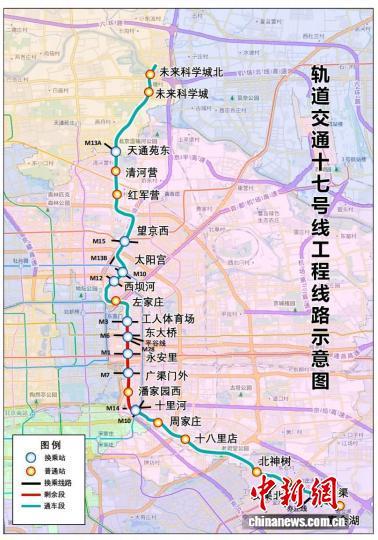
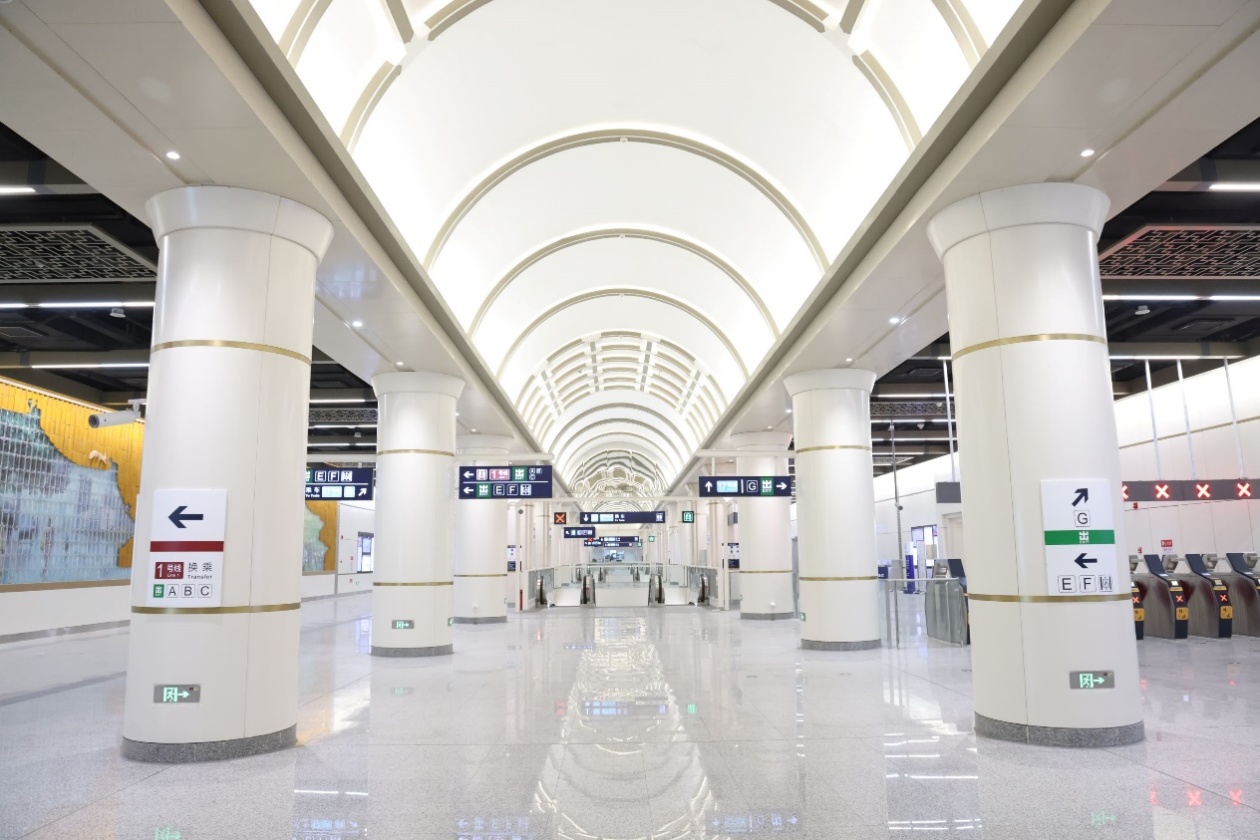
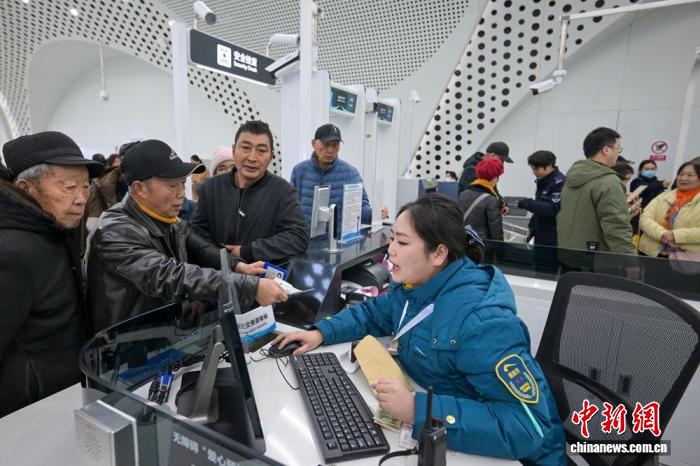
12月18日,乘客代表参观地铁17号线永安里站。 12月18日,地铁17号线永安里站配备AED设备。 本版摄影/新京报记者 王贵彬 12月18日,记者从京港地铁公司了解到,地铁17号线中段计划于今年年底开通。届时,17号线将实 现全线贯通,该线采用"大站快车"模式,全程运行时间仅需66分钟,同时,17号线可与9条地铁线实现 换乘。 继17号线南段、北段分别于2021年及2023年开通后,17号线中段的筹备工作也在稳步推进,年底即 将开通。 17号线采用"大站快车"模式,最高时速可达100公里。全线贯通后,从最南端的嘉会湖站到最北端 的未来科学城北站,仅需66分钟,缩短了乘客的通勤时间。贯通后,线路将串联起天通苑、太阳宫、潘 家园及北京经济技术开发区等重点功能区,可促进亦庄新城、未来科学城等区域发展,也将显著增强 CBD、使馆区、朝阳门外等成熟功能区的交通可达性。 记者了解到,17号线可与9条线路换乘,能够分流5号线北段天通苑区域客流,缓解10号线东段、东 直门交通枢纽及宋家庄换乘的客流压力,有助于大型活动期间的客流疏散。 亮点2 车站服务按需定制 永安里站配备多语种翻译机 17号线中段各站服务各具特色,按需定 ...


京港地铁17号线中段计划今年底开通 将实现全线贯通连接城市南北
Zhong Guo Xin Wen Wang· 2025-12-18 14:12
Core Viewpoint - The Beijing-Hong Kong Metro Line 17 is set to open its middle section by the end of 2025, achieving full connectivity and enhancing passenger travel experience through safety, convenience, and humanization [1][3]. Group 1: Operational Efficiency - The entire Line 17 will take only 66 minutes to travel from the southernmost station, Jiahuai Lake, to the northernmost station, Future Science City North, significantly reducing commuting time [3]. - The line will operate under a "fast train" model with a maximum speed of 100 km/h, connecting key functional areas such as Tiantongyuan, Taiyanggong, and Beijing Economic-Technological Development Area, thereby promoting regional development [3]. Group 2: Passenger Services - The new stations will feature mother-baby rooms and customized services, including multi-language translation machines at Yong'anli Station to assist foreign passengers [5][6]. - Enhanced passenger experience includes warm seat cushions at waiting areas, family-friendly facilities, and clear signage for wheelchair users, ensuring accessibility for all [5][8]. Group 3: Service Quality - The company has established a "Warm Journey Service Society" to promote high-quality service experiences, implementing a standardized service system across new stations [9]. - The service principles include "first response," "one-stop resolution," and "consistent service," ensuring passengers receive professional and warm service [9].
地铁17号线中段年底开通,最高时速可达100公里/小时
Bei Jing Ri Bao Ke Hu Duan· 2025-12-18 10:52
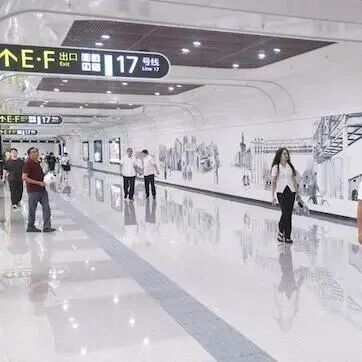
Core Viewpoint - The Beijing-Hong Kong Metro Line 17 is set to open its central section by the end of 2025, providing a more efficient and convenient travel experience for passengers, with a total travel time of 66 minutes from the southernmost station to the northernmost station [1][3]. Group 1: Operational Efficiency - The Line 17 adopts a "fast train" model with a maximum speed of 100 km/h, significantly reducing commuting time [3]. - The line will connect key functional areas such as Tiantongyuan, Taiyanggong, and Beijing Economic-Technological Development Area, enhancing accessibility to established districts like CBD and embassy areas [3]. - The line will facilitate transfers with nine other lines, helping to alleviate passenger flow pressure on the northern section of Line 5 and the eastern section of Line 10 [3]. Group 2: Passenger Services - The stations will feature multilingual translation machines, particularly at Yong'anli Station, to assist foreign passengers [5]. - Enhanced facilities include warm seat cushions at waiting areas, mother-baby rooms, and family-friendly accessible restrooms, ensuring a comfortable experience for families and individuals with disabilities [8][10]. - AED devices will be installed at all new stations, providing additional safety for passengers [10]. Group 3: Signage and Information - Clear and continuous visual guides will be implemented at stations, particularly at the uniquely structured Panjiayuan West Station, to assist passengers in navigating the station [12][14]. - Large-sized signage at station entrances will help passengers identify entry points from a distance, aiding in route planning [17][20]. - LCD dynamic electronic maps will be available on trains, providing real-time information about the train's location and nearby facilities [21]. Group 4: Service Quality - A specialized service team, "Warm Journey Service Society," will be established to ensure high-quality service standards across the new stations [21]. - Ongoing training and emergency drills are being conducted to prepare staff for various operational scenarios, ensuring passenger safety and efficient service [23].

京港地铁17号线中段即将开通,全线贯通指日可待
Huan Qiu Wang· 2025-12-18 10:19
全程仅需 66 分钟,通勤效率大幅提升 【环球网财经综合报道】备受瞩目的京港地铁17号线中段建设已进入冲刺阶段,计划于2025年底正式开通运营,标志着17号线将实现全线贯通,为市民提供 更加高效、便捷的出行选择。 自17号线南段、北段分别于2021年及2023年成功开通以来,中段的开通成为全线贯通的最后一块"拼图"。17号线采用先进的"大站快车"运行模式,最高时速 可达100公里/小时。全线贯通后,乘客从最南端的嘉会湖站至最北端的未来科学城北站,仅需66分钟,极大缩短了跨区域通勤时间。 同时,线路将串联起天通苑、太阳宫、潘家园及北京经济技术开发区等关键功能区,促进区域协同发展,增强CBD、使馆区、朝阳门外等成熟区域的交通 可达性。此外,17号线可与9条地铁线路实现换乘,有效分流5号线北段天通苑区域客流,缓解10号线东段、东直门交通枢纽及宋家庄换乘站的客流压力,为 大型活动期间的客流疏散提供有力支持。 定制化车站服务,温暖每一程出行 京港地铁在17号线中段的车站服务上进行了全面升级,力求为乘客提供更加贴心、人性化的出行体验。 针对永安里站紧邻秀水街及使馆区的特点,车站特别配备了多语种翻译机,方便外籍乘客与工作人 ...
北京地铁17号线中段年底通车 全线“大站快车”串联南北
Xin Jing Bao· 2025-12-18 08:08
12月18日,乘客代表参观地铁17号线永安里站。北京地铁17号线南段、北段已分别于2021年、2023年开 通运营,目前中段开通筹备工作正在有序推进,计划年底实现通车。 ...
二期北延段完成热滑
Shen Zhen Shang Bao· 2025-12-17 18:20
13号线二期(北延)开通后,将有效缓解深圳西部南北向交通压力,同时将与13号线一期贯通运营,从光 明科学城45分钟即可通达深圳湾口岸。 作为新建线路的"带电大考",热滑试验是验证车辆与接触网、轨道、信号等系统匹配性的关键环节,是 列车进入动车调试前的必要步骤。 据悉,13号线二期北延工程起于宝安区上屋站(不含),止于光明区李松蓢站,线路全长19.25公里,设站 11座,同时预留了未来与东莞地铁衔接的条件。 全面进入动车调试阶段 【深圳商报讯】(首席记者李秀瑜)记者从港铁(深圳)获悉,近日,深圳地铁13号线二期北延工程全线完 成热滑试验,全面进入动车调试阶段。 ...
城市轨交年底集中开通,地铁建设审批收紧
第一财经· 2025-12-17 06:28
Core Viewpoint - The article discusses the recent surge in urban rail transit construction in various cities in China, particularly highlighting the opening of new lines in Chengdu and other cities, while also indicating a potential slowdown in future expansion due to stricter approval standards from the government [3][10]. Summary by Sections Recent Openings - Chengdu's Metro Line 13 and Line 30 are set to officially open on December 16, 2025, increasing the city's total rail transit mileage to over 750 kilometers, ranking it fourth nationally [3][5]. - In addition to Chengdu, multiple cities, including Shenzhen and Nanjing, are also set to open new metro lines, contributing to a significant increase in their operational rail lengths [7][8]. Operational Data - By the end of 2025, cities with operational rail transit exceeding 500 kilometers will reach nine, with Beijing and Shanghai leading at over 800 kilometers [8]. - Chengdu's rail transit mileage has increased by 161.73 kilometers since 2020, while Guangzhou and Shenzhen have seen even larger increases of 207.9 kilometers and 212.4 kilometers, respectively [8]. Future Construction Trends - Future urban rail transit construction is expected to slow down, with stricter approval processes in place. For instance, Ningbo's plans for new rail lines are currently on hold due to insufficient passenger flow [10][12]. - The National Development and Reform Commission has implemented higher standards for new rail transit project approvals, which may affect previously approved but unimplemented projects [13]. Approval Standards - New guidelines stipulate that cities must meet specific financial and demographic criteria to qualify for rail transit project approvals, including a minimum public budget income of 300 billion yuan and a GDP of 3 trillion yuan [11]. - As of November, only 18 out of 54 cities with operational rail transit met the required passenger flow standards, indicating a broader issue with meeting the new approval criteria [12].
四川成都:地铁再添新线 助城市发展绘民生出行新图景
Zhong Guo Xin Wen Wang· 2025-12-16 07:13
Core Viewpoint - Chengdu's new metro lines, the first phase of Line 13 and Line 30, have opened, increasing the city's rail transit network to over 750 kilometers, enhancing urban development and public transportation accessibility [1][2]. Group 1: Urban Development and Transportation - The opening of the new metro lines reflects Chengdu's commitment to integrating rail transit with urban development, promoting the idea that building railways equates to building cities and improving lives [1]. - Chengdu's rail transit network has achieved a significant annual ridership of 2.123 billion passengers, resulting in a carbon emission reduction of over 4.6 million tons annually [2]. - The city has set ambitious targets for green transportation, aiming for 40% of trips to be made via rail transit, 10% by conventional buses, 35% through non-motorized transport, and 15% by motor vehicles [2]. Group 2: Transit-Oriented Development (TOD) - Chengdu has planned comprehensive development for 695 TOD stations, integrating residential, office, and leisure spaces to meet public needs effectively [3]. - Over the past five years, 24 TOD projects have been launched, with a total development area exceeding 11 million square meters [3]. - The new metro lines have significantly reduced commuting times for residents, enhancing the overall convenience of public transport in the city [3]. Group 3: Commuting Patterns and Coverage - The average one-way commuting distance for Chengdu residents is 9.7 kilometers, with metro coverage extending to 34% of commuters living within 800 meters of a station [2][5]. - Chengdu's rail network has evolved from a single-center model to a multi-polar collaborative structure, supporting urban efficiency and connectivity [5]. - The city is also expanding its rail services to surrounding areas, with the upcoming opening of the intercity rail line to Ziyang, which is expected to carry over 10 million passengers in its first year [7].

从12公里到352公里,青岛地铁十年铺就城市发展黄金动脉
Qi Lu Wan Bao· 2025-12-15 13:34
Core Insights - Qingdao Metro has transformed from a simple transportation line to a vital economic and social connector over the past decade, significantly enhancing urban mobility and connectivity [1][2][12]. Group 1: Network Expansion and Connectivity - The metro network has expanded from 12 kilometers in 2015 to 352 kilometers, covering "seven districts and one city" [1][2]. - Daily passenger flow increased from under 100,000 to a record 2.35 million by May 2, 2024, with cumulative passenger volume expected to exceed 2.5 billion by December 2025 [1][2]. - The metro facilitates a "half-hour commute to the main city and an hour to the entire region," enhancing regional connectivity [2][3]. Group 2: Service Optimization and User Experience - Operational hours have extended from an initial 15 hours and 20 minutes to an average of 18 hours and 4 minutes, with plans for further extensions [4]. - Peak hour train intervals have been reduced from 8 minutes and 40 seconds to 2 minutes and 25 seconds, improving service efficiency [4]. - The integration of public transport services has been enhanced, with over 85 bus routes optimized to connect seamlessly with metro stations [4]. Group 3: Safety and Emergency Response - Qingdao Metro has achieved 3,642 days of safe operation, covering a distance equivalent to nearly 4,500 laps around the Earth [10]. - A comprehensive safety management system has been established, with 100% participation in hazard identification and resolution by frontline teams [10]. - The metro has implemented AI-driven safety measures, improving entry efficiency by 40% and enabling real-time risk assessment [10]. Group 4: Technological Innovation and Sustainability - The metro has adopted various green technologies, including a flywheel energy storage system and solar power projects, contributing to significant energy savings and carbon reduction [12]. - The introduction of digital payment systems, including the first nationwide "digital RMB offline payment" feature, has enhanced user convenience [9]. - The metro's commitment to sustainability is reflected in its achievements of saving 87.29 million kWh of electricity and reducing carbon emissions by 72,000 tons [12]. Group 5: Community Engagement and Social Responsibility - Qingdao Metro has established a volunteer service system, providing support for various community initiatives and events, including over 200 large-scale activities [6][7]. - The metro has received over 40,000 commendations from passengers, indicating high levels of customer satisfaction [7]. - Special services for vulnerable groups, such as the elderly and disabled, have been enhanced, including the introduction of an "app-based assistance" feature [7].