Beverages

Search documents
Monster Beverage Tops Q4 Estimates but Shares Slip on Rising Costs
Financial Modeling Prep· 2026-02-27 22:07
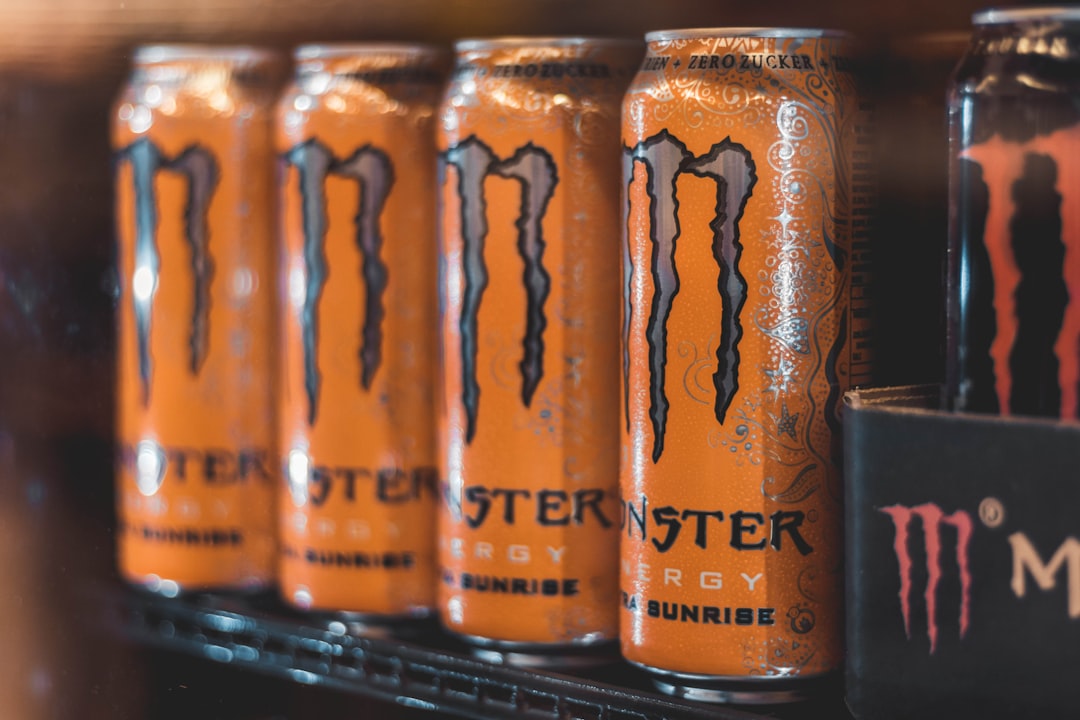
Core Insights - Monster Beverage Corporation reported fourth-quarter results that exceeded Wall Street expectations, but shares declined over 2% in premarket trading due to rising operating expenses [1] Financial Performance - The company posted adjusted earnings per share of $0.51 for the quarter ended December 31, 2025, beating the consensus estimate of $0.48 by $0.03 [2] - Revenue rose 17.6% to $2.13 billion, surpassing the $2.04 billion estimate and marking the first time the company exceeded $2.0 billion in a fiscal fourth quarter, compared to $1.81 billion in the prior-year period [2] - Adjusted operating expenses increased 21.4% to $561.6 million, outpacing revenue growth, with operating expenses as a percentage of adjusted net sales excluding alcohol rising to 26.7% from 26.0% a year earlier [3] - Adjusted operating income increased 16.0% year over year to $617.6 million [3] - International sales climbed 26.9% to $903.3 million, compared with $711.5 million in the prior-year quarter [3] - The Monster Energy Drinks segment posted 18.9% sales growth to $1.99 billion [3] Profitability Metrics - Gross profit margin improved slightly to 55.5% from 55.3%, supported by pricing actions and supply chain efficiencies, partially offset by higher aluminum can costs [4] - Net income surged 65.9% to $449.2 million, or $0.46 per diluted share, compared with $270.7 million, or $0.28 per share, a year earlier [4] - On an adjusted basis, net income rose 31.2% to $507.0 million [4] Annual Performance - For full-year 2025, Monster reported revenue of $8.29 billion, up 10.7% from $7.49 billion in 2024 [4]


Wall Street’s Quant Playbook Is Upended as AI Reorders Market
Yahoo Finance· 2026-02-27 21:41
Group 1 - The concept of safety in investments is being redefined as investors shift focus to companies with strong current fundamentals and low valuations, such as AngloGold Ashanti, Coca-Cola Co., and Acadia Healthcare Co. [1] - High-margin companies with previously justified valuations are now being avoided due to the disruptive impact of AI on their competitive advantages [2] - Quality stocks, typically associated with high profitability and stable earnings, are facing declines, with notable examples being Microsoft and AppLovin [3] Group 2 - AI is fundamentally altering the investment landscape, challenging traditional portfolio construction methods and assumptions about stock safety and value [4][6] - A recent report from Citrini suggested a dystopian future where AI could rapidly eliminate white-collar jobs, leading to significant market reactions, including a notable drop in IBM's stock [5] - Stocks in sectors providing essential infrastructure, such as utilities and chipmakers, are gaining attention as they are seen as having stable assets and lower obsolescence [7] Group 3 - The momentum factor in investing is changing, with stocks that are rising not necessarily correlating with improving fundamentals, but rather with connections to AI trends [12][13] - Investors are increasingly favoring cash-generating companies, as evidenced by the $7 billion influx into exchange-traded funds focused on dividends and buybacks this month [13] - A basket of stocks emphasizing higher cash returns has seen a gain of approximately 7% this quarter, indicating a shift in investment strategies driven by AI [14]
Dow ends week lower amid AI fears as S&P and Nasdaq follow suit
Yahoo Finance· 2026-02-27 21:23
Group 1: Bank of America and Celsius Holdings - Bank of America analysts have raised their full-year 2026 adjusted EBITDA estimate for Celsius to $815.9 million from $746 million, reflecting stronger Alani Nu topline trends [1] - The analysts upgraded Celsius Holdings shares to 'Buy' from 'Underperform,' citing strong fourth-quarter results and positive trends from the recent CAGNY conference [2] Group 2: Block Inc. and CoreWeave Inc. - Block Inc. shares rose 17% after delivering fourth-quarter earnings in line with estimates and announcing plans to cut over 4,000 jobs, reducing its workforce to just under 6,000 employees [3] - CoreWeave Inc. shares fell 17.6% despite posting fourth-quarter revenue of $1.572 billion, which topped expectations, but reported wider-than-expected losses and a cautious first-quarter outlook [3] Group 3: Duolingo Inc. and Market Trends - Duolingo Inc. shares fell nearly 15% despite reporting fourth-quarter revenue of $282.9 million, up 35% year-over-year, as its forward guidance disappointed Wall Street [4] - The broader indexes, including the Nasdaq and S&P 500, fell 3.3% and 0.86% respectively over February, amid concerns over the AI sector's impact on corporate earnings [5][6] Group 4: Producer Price Index (PPI) Insights - The Producer Price Index (PPI) increased 0.5% month-over-month, above expectations for a 0.3% rise, while core PPI climbed 0.8%, topping forecasts of 0.5% [14] - Headline PPI advanced 2.9% year-over-year, compared to estimates of 2.6%, while core PPI rose 3.6%, well above the 3.0% consensus [14] Group 5: Netflix and Paramount Skydance - Netflix shares surged over 10% after abandoning its attempt to acquire Warner Bros Discovery, allowing Paramount Skydance to take control in a deal valued at $111 billion [8] - Netflix will collect a $2.8 billion breakup fee after declining to match Paramount Skydance's offer, which created a significant gap between the two bids [17]


Market Slump: Hot PPI Data and AI Job Fears Send Dow Plunging 777 Points
Stock Market News· 2026-02-27 21:07
Market Overview - The U.S. stock market experienced a significant sell-off on February 27th, 2026, driven by unexpected inflation data, geopolitical tensions, and concerns over AI disruption [1] - Major indexes posted substantial losses, with the "higher-for-longer" interest rate narrative gaining traction [1] Major Market Indexes Performance - The Dow Jones Industrial Average (DJI) fell by 777.54 points, or 1.57%, closing at 48,721.66, heavily impacted by the financial sector [2] - The Nasdaq Composite (IXIC) declined by 257.53 points, or 1.13%, ending at 22,620.85, marking a monthly drop of approximately 2.5% [2] - The S&P 500 (SPX) decreased by 65.70 points, or 0.95%, settling at 6,843.16, while the Russell 2000 index dropped 1.83% due to higher borrowing costs affecting small-cap stocks [2] Inflation Shocks and Economic Data - The January Producer Price Index (PPI) report revealed a month-over-month increase of 0.5%, exceeding the 0.3% forecast, while Core PPI surged by 0.8%, more than double the expected 0.3% increase [3] - This inflation data suggests persistent inflationary pressures, likely leading the Federal Reserve to maintain restrictive policies longer than anticipated [3] Geopolitical Risks - Rising geopolitical tensions, particularly regarding a potential U.S. military strike on Iran, contributed to market unease, causing the CBOE Volatility Index (VIX) to spike nearly 4% [4] - Investors sought safety in gold, which reached a record high of $5,226 per ounce [4] Corporate News and AI Disruption - Block (SQ) announced a significant restructuring, cutting approximately 4,000 jobs to integrate AI into its operations, initially boosting its stock before it pared gains due to concerns over job losses [5] - Nvidia (NVDA) continued its decline, falling 2.4% despite reporting record revenue, as valuation fatigue set in [6] - Dell Technologies (DELL) saw a notable increase of 20.5% after reporting strong fourth-quarter earnings and forecasting a doubling of AI-optimized server revenue in fiscal 2027 [6] Other Notable Movers - Zscaler (ZS) dropped 15% after missing quarterly billings expectations, while Paramount Skydance (PSKY) rose 18% following a finalized merger deal [7] - Defensive stocks like McDonald's (MCD) and Coca-Cola (KO) reached all-time highs as investors shifted towards consumer staples [7] Upcoming Market Events - Investors are focused on the February Employment Report set for March 6th, which will be crucial for assessing the labor market's cooling [8] - Other key events include the ISM Manufacturing PMI on March 2nd and the ADP Employment Report and ISM Services PMI on March 4th [8]


Monster Beverage Q4 Earnings Beat Estimates, Sales Increase Y/Y
ZACKS· 2026-02-27 19:00
Core Insights - Monster Beverage Corporation (MNST) reported strong fourth-quarter 2025 earnings, with both net sales and earnings exceeding expectations and showing year-over-year growth [1][4]. Financial Performance - Adjusted earnings per share were 51 cents, surpassing the Zacks Consensus Estimate of 49 cents, and increased by 30.4% compared to the previous year [4]. - Net sales reached $2.13 billion, exceeding the Zacks Consensus Estimate of $2.05 billion, marking a 17.6% year-over-year increase [4]. - The positive impact of foreign currency exchange rates contributed $27.7 million to net sales, with foreign-currency adjusted net sales rising 16.1% [4]. - Excluding the Alcohol Brands segment, foreign-currency adjusted net sales increased by 16.7% in the fourth quarter [4]. Regional Performance - In the EMEA region, net sales increased by 32.6%, while the Asia-Pacific region saw a sales rise of 11.5% [8]. - Latin America, including Mexico and the Caribbean, experienced a significant sales jump of 90.8% in dollars and 15.1% on a currency-neutral basis compared to the same period in 2024 [8]. - In the United States and Canada, net sales grew by 13.3% year over year, driven by strong execution and innovation [11]. Segment Performance - Sales in the Monster Energy Drinks segment rose by 18.9% year over year to $1.99 billion, with a favorable impact of $24.4 million from foreign currency exchange rates [13]. - The Strategic Brands segment, which includes affordable brands like Predator and Fury, saw net sales increase by 7.8% year over year to $110 million [14]. - The Alcohol Brands segment experienced a decline, with net sales dropping 16.8% year over year to $29 million [15]. Cost and Margin Analysis - The cost of sales increased by 17.1% year over year to $947.72 million, while gross margin expanded by 20 basis points to 55.5% due to pricing and supply-chain efficiencies [16]. - Adjusted operating expenses rose by 21.4% to $561.6 million, with the operating income increasing by 16% to $617.6 million [18]. Financial Health - As of the end of 2025, the company had cash and cash equivalents of $2.09 billion and total stockholders' equity of $8.3 billion [19]. - The company did not repurchase any shares during the reported quarter, with approximately $500 million available for buyback under its existing program [19].

Decoding Coca-Cola's Options Activity: What's the Big Picture? - Coca-Cola (NYSE:KO)
Benzinga· 2026-02-27 18:01
Group 1: Market Sentiment and Trading Activity - Whales have adopted a bearish stance on Coca-Cola, with 70% of trades being bearish and only 19% bullish [1] - A total of 31 trades were detected, comprising 3 puts worth $102,498 and 28 calls totaling $1,786,370 [1] - Major market movers are focusing on a price band between $60.0 and $83.0 for Coca-Cola over the last three months [2] Group 2: Options Volume and Open Interest - Analyzing volume and open interest provides insights into the liquidity and interest for Coca-Cola's options within the strike price range of $60.0 to $83.0 over the last 30 days [3] - A snapshot of Coca-Cola's options trading patterns indicates significant whale activity in this price range [4] Group 3: Current Market Position - Coca-Cola is currently trading at $80.88, with a volume of 5,912,804 and an increase of 1.01% [6] - Analysts have issued a consensus target price of $86.4 for Coca-Cola based on recent evaluations [4]


Is the Warren Buffett Correction Coming? Buy His 4 Safest Dividend Stocks Now
247Wallst· 2026-02-27 16:09
Core Viewpoint - The article discusses the potential for a market correction following three years of double-digit gains, suggesting that investors should consider buying four of Warren Buffett's safest dividend stocks as a defensive strategy against an overvalued market [1]. Group 1: Market Overview - The stock market has experienced three consecutive years of double-digit gains, leading to speculation about an impending correction [1]. - Berkshire Hathaway has been a net seller of stocks for 12 consecutive quarters, indicating a cautious stance on the market's valuation [1]. - Warren Buffett's cash reserves have increased to between $354 billion and $381 billion, reflecting his belief that the market is overvalued [1]. Group 2: Berkshire Hathaway's Leadership Transition - Warren Buffett stepped down as CEO of Berkshire Hathaway on December 31, 2025, after leading the company for over six decades [1]. - Greg Abel has taken over as CEO, with Buffett remaining as chairman and continuing to influence investment decisions [1]. - More than 65% of Berkshire's portfolio is concentrated in just six stocks, highlighting a focused investment strategy [1]. Group 3: Recommended Stocks - **Chevron Corporation**: A major player in the energy sector with a 3.71% dividend, recently raised by 4.1%. Berkshire owns 130 million shares, representing 6.6% of the float [1]. - **The Coca-Cola Company**: A long-time holding of Buffett, with a 2.54% dividend and a stock price increase of 17.1% in 2025. Berkshire holds 400 million shares, accounting for 9.3% of the float [2]. - **Domino's Pizza**: A multinational pizza chain with a 1.72% dividend. Berkshire owns 9.9% of the float, and the stock is rated with a target price of $510 [2]. - **Kroger**: A grocery chain with a 1.98% dividend, representing a conservative investment. Berkshire holds 7.9% of the float [2].

Celsius Q4: Strong Results, Significant Upside
Seeking Alpha· 2026-02-27 13:15
Group 1 - The REIT Forum offers exclusive investment ideas and access to subscriber-only portfolios [1] - Amrita leads a boutique family office fund in Vancouver, focusing on sustainable, growth-driven companies [2] - The fund aims to maximize shareholder equity by meeting growth-oriented goals [2] Group 2 - Amrita has experience in high-growth supply-chain start-ups and has worked with venture capital firms [2] - Her newsletter, The Pragmatic Optimist, focuses on portfolio strategy, valuation, and macroeconomics [2] - The newsletter has been recognized as a top finance newsletter and aims to democratize financial literacy [2]


5 US Blue Chip Giants That Have Paid Dividends for Over 100 Years
247Wallst· 2026-02-27 13:11
Core Insights - The article highlights five US blue-chip companies that have consistently paid dividends for over 100 years, indicating their financial durability and strong management practices [1][2]. Company Summaries - **Coca-Cola (NYSE: KO)**: Founded in 1892, Coca-Cola has paid dividends since 1893, currently yielding 2.58%. It is the world's largest beverage company with over 500 brands and serves more than 1.9 billion servings daily across 200 countries. Morgan Stanley rates it Overweight with a target price of $87 [1][2]. - **Colgate-Palmolive (NYSE: CL)**: This consumer staples giant has paid dividends since 1895, yielding 2.14%. The company focuses on Oral Care, Personal Care, Home Care, and Pet Nutrition, selling products under various well-known brands. Goldman Sachs has a Buy rating with a target price of $100 [1][2]. - **Eli Lilly (NYSE: LLY)**: A healthcare company that has paid dividends since 1885, currently yielding 0.59%. Eli Lilly develops and markets pharmaceutical products, including those for cardiometabolic health and oncology. Barclays rates it Overweight with a target price of $1,350 [2]. - **Exxon Mobil (NYSE: XOM)**: This integrated oil and gas company has paid dividends since 1882, with a current yield of 2.67%. Exxon is a leader in crude oil and natural gas production and has a strong capital allocation strategy. UBS has a Buy rating with a target price of $171 [2]. - **Stanley Black & Decker (NYSE: SWK)**: The largest tool company globally, it has paid dividends for over 145 years, currently yielding 3.68%. The company offers a wide range of tools and accessories and is expected to benefit from a potential economic slowdown. Citigroup has a Buy rating with a target price of $100 [2].



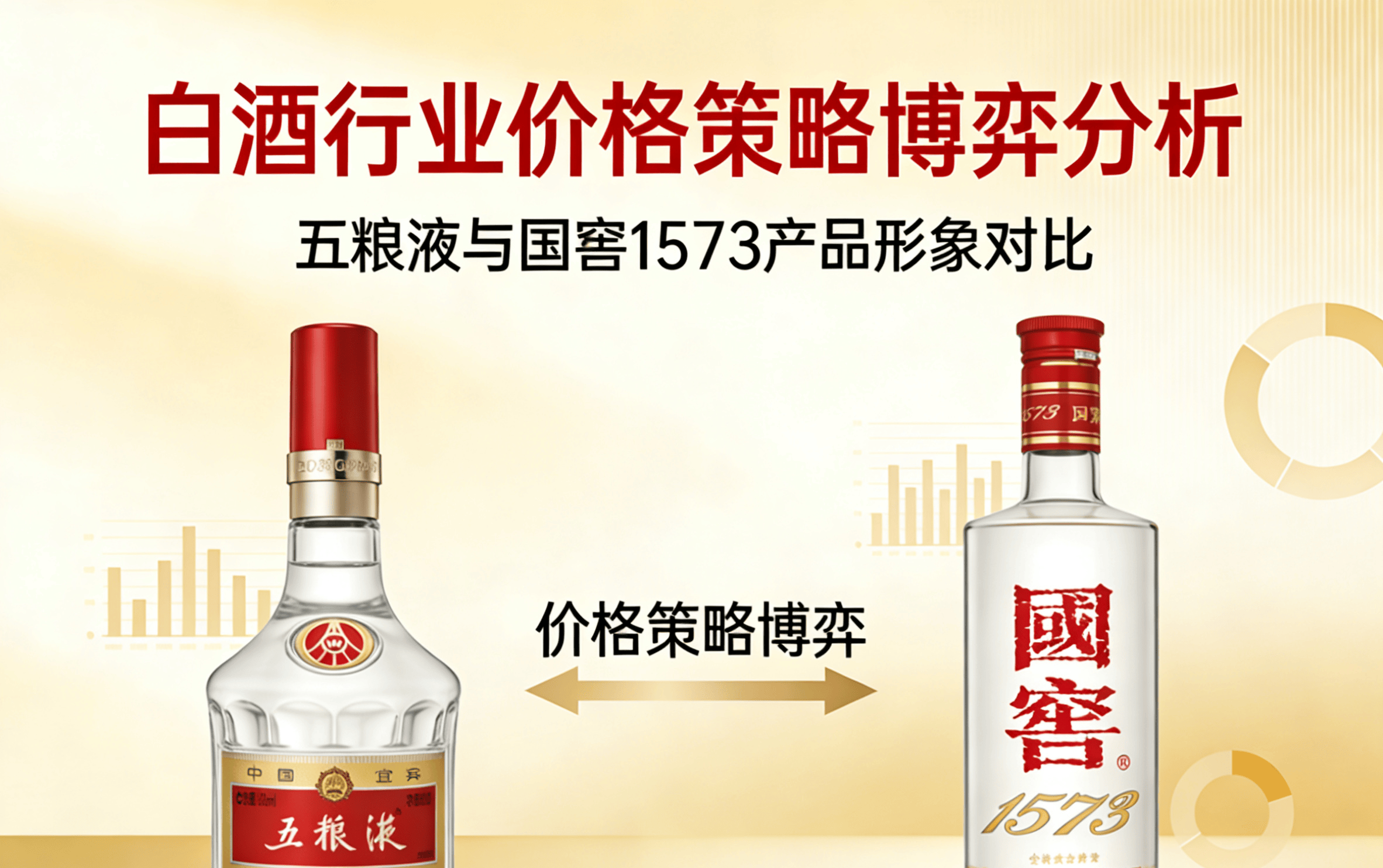
2026春节五粮液降价vs国窖挺价:谁赢了市场?
Sou Hu Cai Jing· 2026-02-27 12:37
Core Insights - The ultra-premium liquor market in China is characterized by a "one super, two strong, and multiple poles" oligopoly structure, with market concentration reaching historical highs by the end of 2025 [2] - Moutai holds over 60% market share, further increasing from 58% in 2021 to 63% by 2025, establishing itself as the pricing anchor and value benchmark in the ultra-premium segment [2] - Wuliangye and Luzhou Laojiao dominate the core price range of 800-1200 RMB, collectively accounting for about 35% of the ultra-premium market [2][3] Market Dynamics - The CR3 (Moutai, Wuliangye, Luzhou Laojiao) accounts for over 94% of the ultra-premium market, indicating a highly consolidated industry landscape [3] - The 2026 Spring Festival period is expected to show a K-shaped differentiation in the liquor industry, with overall sales down by approximately 10-15% [3] - Wuliangye adopts a strategy of maintaining factory prices while providing channel subsidies to lower terminal prices, while Luzhou Laojiao focuses on controlling supply to maintain brand value [3][5] Pricing Strategies - Wuliangye's strategy involves indirect price reductions through channel subsidies, keeping the official factory price stable at 969 RMB per bottle [5][6] - Luzhou Laojiao maintains its factory price at 980 RMB, emphasizing strict control over distribution and pricing to uphold brand integrity [7][8] Sales Performance - Wuliangye's sales during the Spring Festival period show a year-on-year increase of 5-12%, successfully capturing market share despite overall industry contraction [9][10] - Luzhou Laojiao experiences a decline in sales volume by 15-20% during the same period, missing opportunities in the market [14][15] Inventory and Channel Management - Post-Spring Festival, Wuliangye's inventory levels are reported to be at a healthy range of 45-60 days, significantly lower than the industry average [16] - Luzhou Laojiao faces challenges with inventory management, particularly in weaker regions where stock levels exceed three months [19] Brand Positioning - Wuliangye's pricing strategy has led to a reduction in brand premium, with terminal prices dropping to the 800 RMB range, potentially affecting its high-end positioning [22] - Luzhou Laojiao's strategy of maintaining higher prices reinforces its high-end brand image, although it risks losing market share in price-sensitive segments [25][26] Future Outlook - The competition between Wuliangye and Luzhou Laojiao will depend on their ability to sustain their respective strategies post-Spring Festival, with Wuliangye focusing on volume and channel health, while Luzhou Laojiao aims to maintain brand value [26]