国际教育

Search documents
国际学校教师高薪泡沫破灭,工资跌回三年前?
Hu Xiu· 2025-10-11 08:15
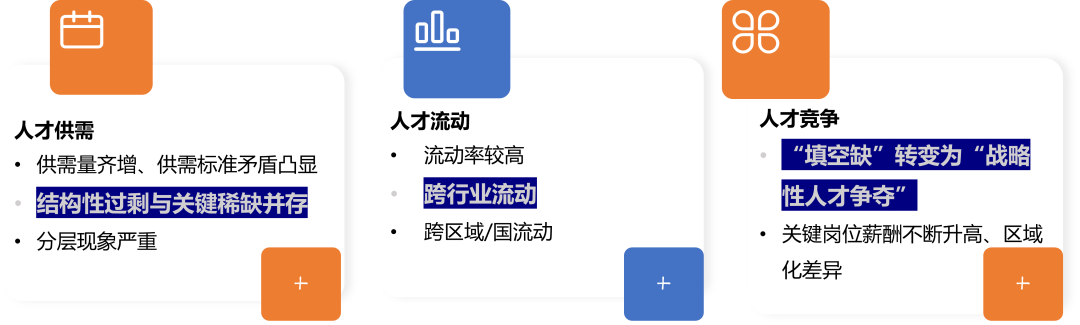
Core Insights - The international education sector is experiencing a significant transformation, moving from a phase of "filling vacancies" to a "strategic talent competition" as teacher salaries adjust to more rational levels [1][2][3] Talent Market Status - The talent market in 2025 shows a dual increase in supply and demand, but with a notable divergence in standards between job seekers and hiring institutions [4] - There is a structural surplus of teachers overall, but a scarcity of core subject leaders, leading to a competitive hiring environment for experienced educators [4][5] - High turnover rates and significant cross-industry and cross-regional mobility are prevalent, with major cities like Shanghai being the most sought-after locations for job seekers [5][7] Salary Trends - Teacher salaries are experiencing a rational decline, with average salaries for Chinese teachers dropping by 10% and foreign teachers by 8%, returning to levels seen in 2020 [9][10] - The average salary for Chinese teachers in 2023 was 18,122 yuan, while foreign teachers earned an average of 28,245 yuan [11] - There is a notable discrepancy between job seekers' salary expectations and actual market levels, necessitating a reevaluation of career positioning among teachers [11] Position and Subject Analysis - The demand for teachers in core subjects, particularly STEM, is increasing, while positions in arts and physical education are declining [8][12] - Salaries vary significantly by subject, with science teachers earning an average of 19,835 yuan, while arts teachers earn only 14,418 yuan [12][13] - School management positions, particularly for principals, command the highest salaries, with average earnings of 61,417 yuan for Chinese principals and 85,917 yuan for foreign principals [15] Regional Comparisons - Regional salary disparities are pronounced, with Southern China offering the highest average salaries for Chinese teachers at 21,451 yuan, while the Northeast offers the lowest at 15,476 yuan [18] - For foreign teachers, Northern China leads with an average salary of 32,379 yuan, while the Northeast again has the lowest at 22,547 yuan [18][19] Recommendations for Teachers - Job-seeking teachers are advised to target "scarce positions" in high-value regions, particularly in STEAM and psychological support roles [20] - Current teachers should focus on developing "composite skills" and consider transitioning into management roles for better career prospects [21] - Teachers considering a career change should emphasize transferable skills such as course design and digital teaching to bridge gaps in international school experience [22] Conclusion - Despite the challenges posed by salary reductions in 2025, opportunities still exist in "scarce positions" and "high-potential regions" within the international education market [23]

新加坡加拿大国际学校成立中英双语教研中心
Xin Hua Wang· 2025-10-10 02:32
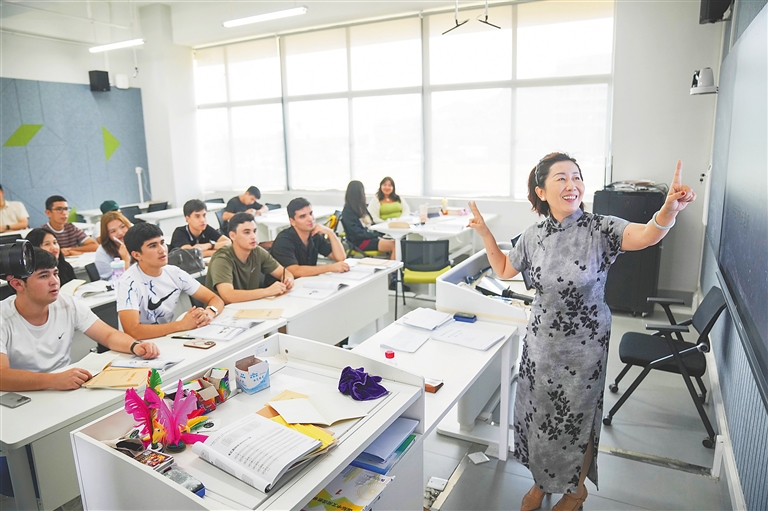
Core Points - The Singapore Canadian International School (CIS) has established a bilingual research center to integrate various research and resources related to bilingual education, focusing on new concepts and practical paths for Chinese-English bilingual learning [1] - The initiative aligns with the global trend of promoting bilingual education, with CIS aiming to build a world-class international diploma bilingual school [1] - The research center will develop international Chinese curriculum standards, assessment standards, and testing standards to assist students in learning and understanding Chinese [1] - The significance of bilingual education is increasingly highlighted in the context of the global "Chinese fever," serving as a bridge for the international dissemination of Chinese [1] Company and Industry Summary - CIS is the first international school in Singapore to offer Chinese-English bilingual courses [2]
“活力中国调研行”采访团到访海南陵水黎安国际教育创新试验区
Hai Nan Ri Bao· 2025-09-27 00:59
Core Insights - The "Vibrant China Research Tour" visited the Hainan Ling Shui Li'an International Education Innovation Pilot Zone, highlighting its role in providing quality educational resources for both domestic and international students [1][3] - The pilot zone, covering 12.72 square kilometers, is a key area in Hainan Free Trade Port, focusing on educational openness and has signed agreements with 26 renowned domestic and foreign universities [3][5] Group 1: Educational Collaboration - The pilot zone has established 10 officially approved Sino-foreign cooperative education institutions, promoting international educational collaboration [3][4] - Students from various universities can share courses, allowing for a diverse learning experience and the opportunity to earn degrees from both Chinese and foreign institutions [4][5] Group 2: Course and Resource Sharing - The pilot zone has opened 287 shared courses across multiple disciplines, ensuring that all resident universities can participate [7] - A unique "big sharing + small college" model has been implemented, allowing students to select courses from a unified platform, facilitating credit recognition and course sharing [6][7] Group 3: Growth and Future Prospects - The current student and faculty population in the pilot zone has reached 10,000, with plans to expand to 30,000 and attract over 40 universities in the future [7]
中产养娃“销金窟”,又涨价了
Hu Xiu· 2025-09-22 02:57
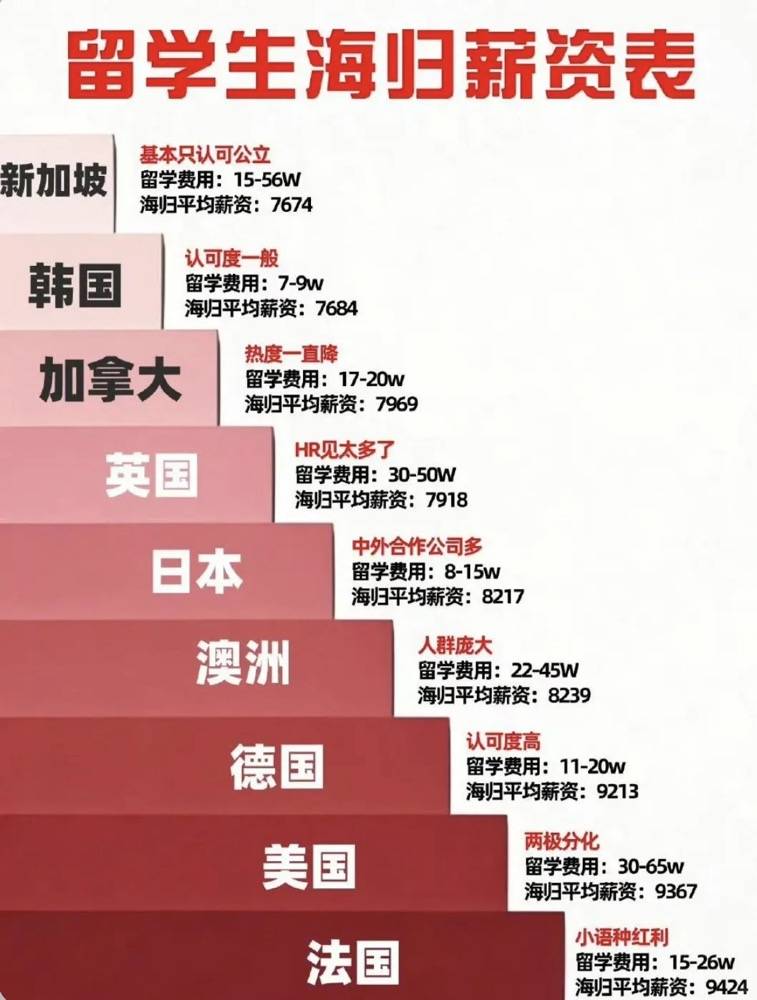
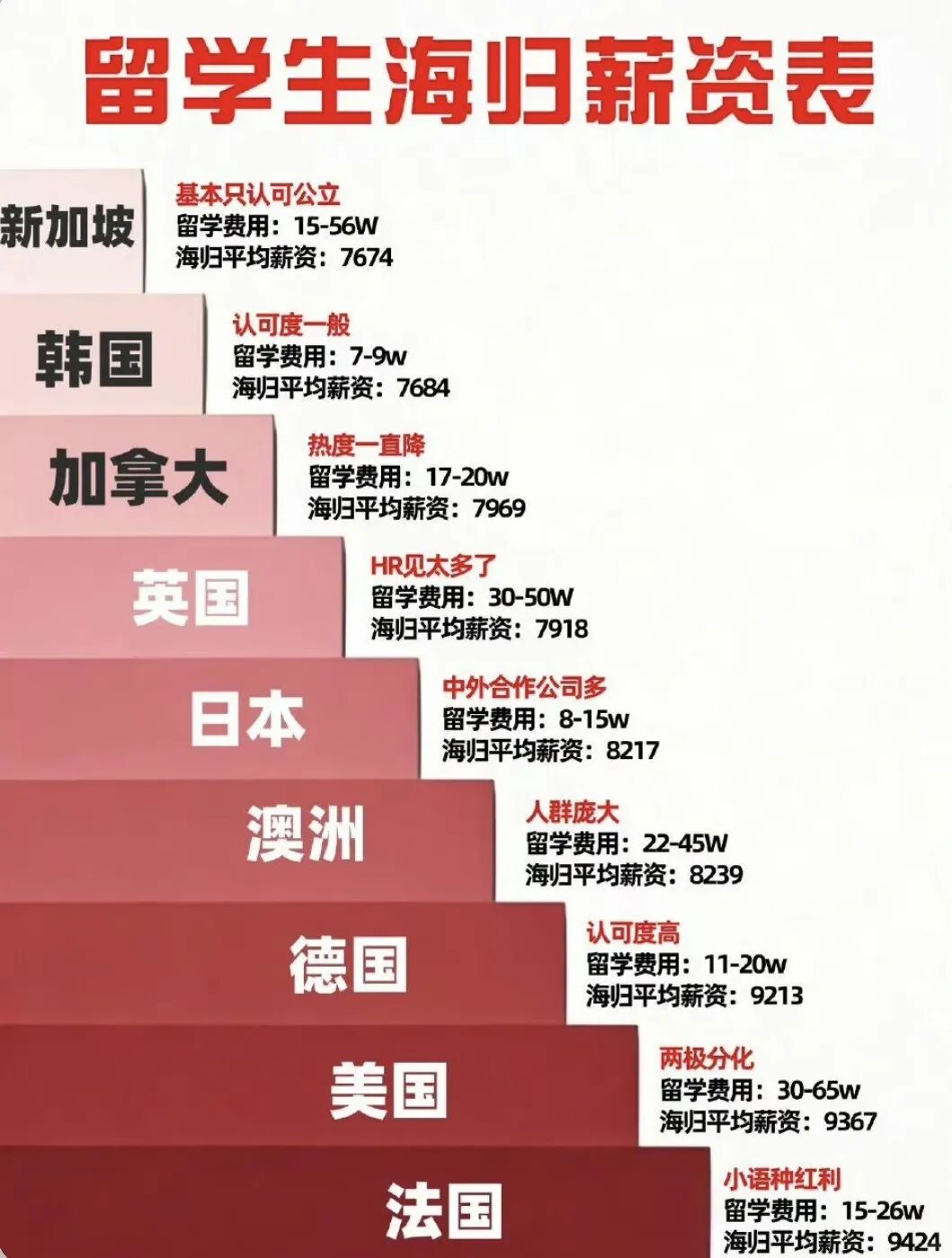
Core Insights - The rising costs of international schools in China are causing middle-class parents to reconsider their investment in education, as the perceived value of such education is being challenged by the reality of low salaries for returnees [2][4][9] - Despite the increasing tuition fees, international schools continue to raise prices, citing the need to maintain quality education, which exacerbates educational inequality [10][24][33] Tuition Increases - Many international schools in major cities like Beijing and Shanghai have announced significant tuition hikes, with some schools increasing fees by as much as 35% [11][15] - For instance, the tuition for the prestigious Dulwich College in Shanghai has reached approximately RMB 399,750, while Beijing's Keystone Academy has seen costs exceed RMB 430,000 when including additional fees [12][13] Additional Costs - The overall financial burden on families extends beyond tuition, including costs for meals, uniforms, extracurricular activities, and transportation, which can add tens of thousands of RMB annually [16][17][21] - The total cost for a middle-class family to support a child in an international school can easily exceed several hundred thousand RMB, especially for families with multiple children [22][21] Market Dynamics - The international school sector has been experiencing a trend of rising tuition fees for several years, driven by operational costs and the need for schools to remain financially viable [15][28][31] - The average profit margin for international schools was reported to be between 15% and 20%, indicating a challenging financial landscape where schools must manage costs effectively to remain sustainable [30] Educational Value Perception - The perception of international education is shifting, with parents questioning the return on investment as the job market for returnees becomes increasingly competitive and salaries stagnate [4][46] - The once-coveted international degrees are losing their value as more students graduate from overseas institutions, leading to a saturation of the job market [42][44] Future Trends - As educational costs rise, families are faced with a choice between returning to mainstream domestic education or investing heavily in prestigious international institutions [47][48] - The current economic climate is prompting a more cautious approach to educational spending among middle-class families, reflecting broader trends in consumer behavior [50][51]
中产养娃「销金窟」,又涨价了
3 6 Ke· 2025-09-22 02:52
Core Viewpoint - The rising tuition fees of international schools in China are causing disillusionment among middle-class parents, who previously viewed these schools as a guaranteed investment for their children's future success [1][4][15]. Group 1: Tuition Fee Increases - Many international schools in major cities like Beijing and Shanghai have announced significant tuition hikes, with some schools increasing fees by as much as 35% [5][9]. - For instance, the tuition for high-grade levels at the Dewei British International School in Shanghai has reached approximately 399,750 RMB, entering the "400,000 club" [6]. - Other schools have also raised fees substantially, with increases from 52,000 RMB to 70,000 RMB and from 158,000 RMB to 184,000 RMB [8]. Group 2: Additional Costs - Tuition is only a part of the overall expenses for families, which also include costs for meals, uniforms, extracurricular activities, and transportation, leading to total annual expenses exceeding 430,000 RMB for some families [11][15]. - The average annual fee for school transportation can reach up to 23,000 RMB, and uniform costs can add another 5,000 RMB annually [11]. Group 3: Economic Pressures and School Viability - The international school sector has faced financial challenges, with reports of several schools closing or struggling due to mismanagement and financial instability [22]. - The need for schools to maintain high-quality education while managing rising operational costs has led to a consistent increase in tuition fees [20][24]. Group 4: Changing Perceptions of Education Value - The perception of international education as a guaranteed pathway to elite employment is being challenged by reports of low salaries for returnees, with some graduates earning as little as 8,000 RMB per month [2][31]. - As the value of international degrees diminishes due to oversupply, many middle-class families are reconsidering the worth of investing in international education [27][31]. Group 5: Future Trends in Education Choices - Families are increasingly faced with a choice between returning to mainstream domestic education or investing heavily in prestigious international institutions [33][36]. - The trend indicates a potential bifurcation in educational paths, with some families seeking cost-effective international options in Southeast Asia [34].
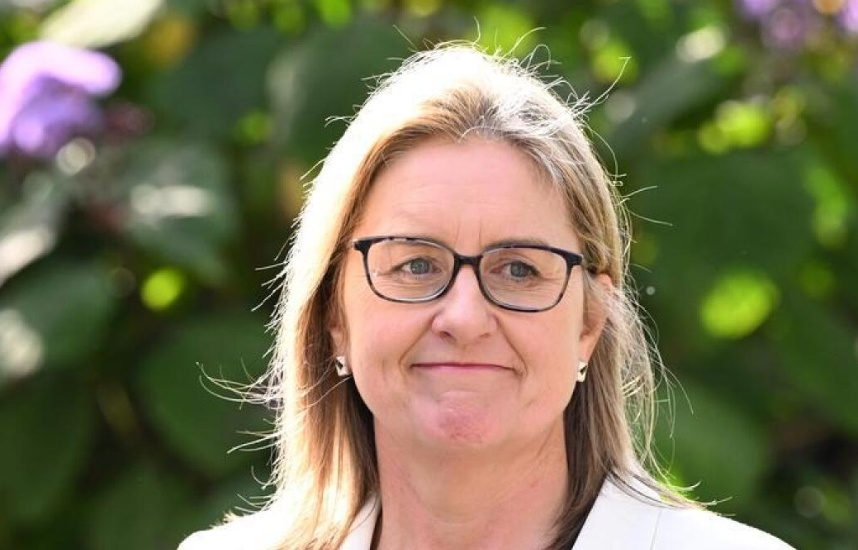
澳大利亚维多利亚州州长:始终欢迎中国留学生赴维州学习
Huan Qiu Shi Bao· 2025-09-21 22:40
Group 1 - The core focus of the article is on the importance of international education in strengthening Australia-China relations, as emphasized by Victoria's Premier Jacinta Allan during her recent visit to China [1][3]. - The Victorian government released a policy document titled "Victoria's China Strategy: Towards a New Golden Era," highlighting that international education has been the largest service export industry in Victoria since 2002, generating an estimated AUD 15.9 billion in 2024 [3]. - Approximately 330,000 international students are registered in Victoria, with 64,300 being Chinese students, indicating a significant reliance on Chinese enrollment for the state's education sector [3]. Group 2 - Allan expressed a commitment to welcoming international students and enhancing cultural exchanges, stating that education fosters trust and cooperation, which are essential for a safer future [3][4]. - The Australian government has tightened international student policies, introducing a quota system for 2024, which allows for 295,000 international students annually, an increase of 25,000 from the previous year, although actual numbers may be lower due to other immigration policies [3]. - There are discussions within the Victorian higher education sector about structural reforms to improve the quality of education and experiences offered to both domestic and international students [4].
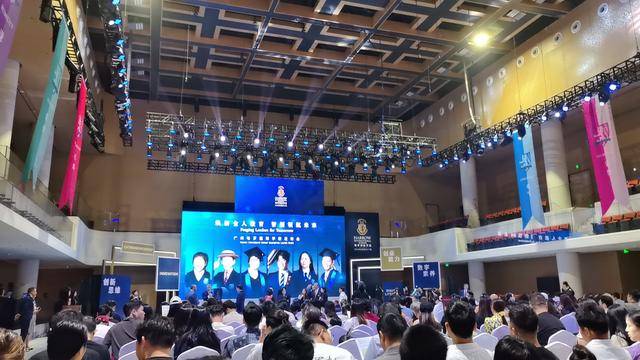
大湾区教育圈迎来新成员:广州哈罗国际学校明年9月开校
Sou Hu Cai Jing· 2025-09-20 11:42
Core Insights - The announcement of the Guangzhou Harrow International School (AISL Harrow Guangzhou) marks a significant development in the Greater Bay Area's education sector, with plans to open in September 2026 [3][11] - The school aims to address the evolving talent needs of the intelligent innovation era, promoting a holistic education philosophy centered on "Renewing Holistic Education · Leading the Future" [4] Educational Philosophy and Curriculum - AISL Harrow Guangzhou will focus on cultivating three core competencies in students: digital literacy, innovative thinking, and entrepreneurial skills, integrating rigorous academic exploration with cutting-edge professional practice [4] - The school will implement a comprehensive curriculum that includes advanced mathematics and proficiency in English, alongside a flagship innovation center that merges curriculum with advanced technology [4] Institutional Support and Collaboration - The establishment of the school has received strong support from the Guangzhou Education Bureau and Huangpu District Government, ensuring high standards of education and efficient operation [4][5] - AISL has a long-standing partnership with Harrow School in the UK, which has lasted for nearly 30 years, promising to provide extensive support in terms of teaching quality, exchange programs, and global alumni networks [8][9] Student Development and Future Prospects - The school will cater to children aged 3-18 of foreign personnel and residents from Hong Kong, Macau, and Taiwan, offering the British national curriculum, including IGCSE and A Level courses for high school students [11] - AISL Harrow Guangzhou will track students' practical achievements and growth through data, providing evidence for future academic pursuits [4]
顺义上半年GDP总量居平原新城首位
Bei Jing Qing Nian Bao· 2025-09-16 17:58
Core Insights - Shunyi District has achieved an average GDP growth of 5.8% since the 14th Five-Year Plan, with a total GDP of 238.8 billion yuan last year [1] - In the first half of this year, Shunyi maintained its position as the leading plain new city in GDP, ranking fourth in the city's general public budget revenue, and residents' per capita disposable income increased by 6%, ranking second in the city [1] Group 1: Economic Development - Shunyi District focuses on a "5+4" leading industry system, promoting high-end manufacturing (including new energy vehicles, aerospace, and healthcare) and modern service industries (such as aviation services, business exhibitions, and industrial finance) [1] - The district aims to accelerate the cultivation of new quality productivity [1] Group 2: Internationalization and Talent Attraction - Shunyi leverages its advantages from the Capital Airport and the "Two Zones" construction to create three major open development platforms, enhancing its level of openness [2] - The district is building an "internationalized overseas" environment, focusing on attracting global talent through improved international education, healthcare, community support, and public service environments [2][3] Group 3: International Education and Healthcare - Shunyi has established 11 international schools offering mainstream curricula such as IB, A-level, and AP, aiming to meet diverse student needs [2] - By 2025, 664 international school graduates are expected to successfully enroll in the world's top 100 universities, with Beijing Dewey International School ranked first nationally among the best IB schools [2] - The district is enhancing foreign medical service accessibility for expatriates, improving bilingual medical service capabilities, and equipping hospitals with smart translation devices [3] Group 4: Community Development - Shunyi focuses on international community building by introducing bilingual property service standards and organizing cultural activities for residents [3] - The district aims to create a high-quality international new city model by enhancing both hardware and software aspects in areas such as innovation, business services, living conditions, cultural exchanges, urban facilities, and foreign-related services [3]
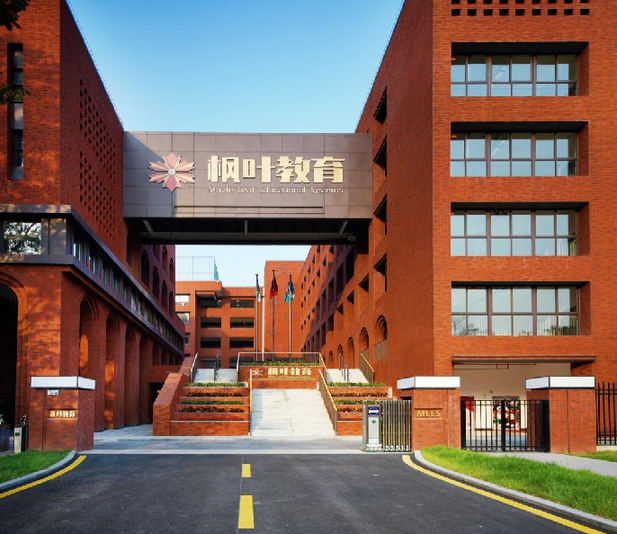
枫叶教育回购72.80万股股票,共耗资约28.39万港元,本年累计回购7860.60万股
Sou Hu Cai Jing· 2025-08-20 10:59
Group 1 - The core viewpoint of the news is that Maple Leaf Education has been actively repurchasing its shares, indicating a positive signal regarding its perceived value and confidence in future growth [1][2]. - As of August 20, 2025, Maple Leaf Education repurchased 728,000 shares at an average price of HKD 0.39 per share, totaling approximately HKD 283,900, with a cumulative repurchase of 78.61 million shares this year, representing 2.68% of its total share capital [1][2]. - The company's stock price increased by 1.28% to HKD 0.395 per share on the same day [1]. Group 2 - Maple Leaf Education Group Limited is a significant player in China's international education sector, listed on the Hong Kong Stock Exchange, and has a broad influence in the field [3]. - The company focuses on providing international education programs from kindergarten to high school, with campuses in various cities in China and overseas [3]. - Its educational model combines the strengths of both Chinese and Western education, emphasizing the comprehensive development of students and playing a positive role in the internationalization of education in China [3].
跻身教育部“全国首批”名单 枫叶世界学校课程获首肯
Xin Hua Wang· 2025-08-12 05:47
Group 1 - The Ministry of Education has established a number of compulsory education reform experimental zones and schools across the country, with 125 experimental zones and 994 experimental schools identified in the first batch, including Hainan Maple Leaf International School under Maple Leaf Education Group [1] - Hainan Maple Leaf International School has been recognized as a "National Primary and Secondary School Science Education Experimental School" due to its differentiated advantages based on the Maple Leaf World School curriculum framework, highlighting its focus on scientific innovation and interdisciplinary education [1] - The trend of educational internationalization is becoming increasingly prominent, with a significant increase in student visa approvals in countries like the UK and Australia, indicating a growing global demand for international education [3] Group 2 - The Maple Leaf World School curriculum, developed by Maple Leaf Education Group, integrates both Chinese and Western educational advantages, catering to the needs of Chinese students and emphasizing the importance of cultural elements [5] - The curriculum includes four main pillars: English academic courses, Chinese academic courses, English language courses, and Chinese language courses, designed to meet the educational needs of non-native English speakers [5] - The first graduating class of the Maple Leaf World School curriculum achieved an 80% acceptance rate into QS top 100 universities, with 17 graduates admitted to QS global top 10 universities, showcasing the effectiveness of the curriculum [6]