地热发电

Search documents
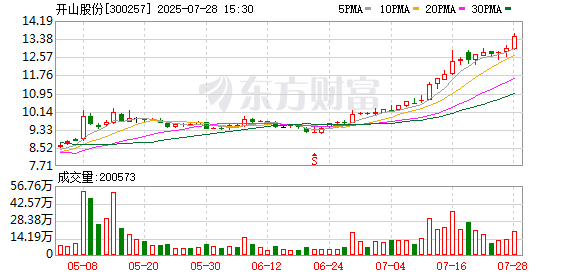
开山股份:下属公司签署SorikMarapi地热能有限公司少数股权收购协议
Mei Ri Jing Ji Xin Wen· 2025-07-28 08:28
Group 1 - OTP and its wholly-owned subsidiary KSO signed a conditional equity acquisition agreement with Supraco to acquire all shares of SMGP for a total cash consideration of 3 million USD [1] - After the completion of the transaction, OTP will hold 98.57% of SMGP, while KSO will hold 1.43%, resulting in the company owning 100% of SMGP [1] - Supraco executives will no longer serve as directors or supervisors of SMGP following the transaction [1] Group 2 - KSK's revenue composition for the year 2024 is entirely from the machinery industry, accounting for 100% [2] - SMGP holds a geothermal power project in Indonesia with a capacity of 240 megawatts and has completed five phases of development [4] - For the year 2024, SMGP is projected to generate nearly 1.2 million megawatt-hours of electricity, with total assets of 1.245 billion USD, net assets of 473 million USD, and revenue of 100 million USD [4]


能源绿色转型 中印尼合作新亮点(第一现场)
Ren Min Ri Bao· 2025-06-30 21:50
Core Insights - Indonesia aims to increase the share of clean energy from 13.09% to 31% by 2050, with significant participation from Chinese companies in developing clean energy projects [1] Geothermal Energy Projects - The Lumutbalai Phase II geothermal project, with a capacity of 55 MW, has successfully connected to the grid, showcasing advanced technology from Chinese enterprises [2] - Indonesia is the second-largest geothermal power producer globally, with over 40% of the world's geothermal resources, and plans to increase its geothermal capacity from 2.6 GW to 7.9 GW by 2035 [1][2] Hydropower Developments - The Batang Hydropower Station, with a total capacity of 510 MW, is set to be completed by the end of this year, expected to generate 2.228 billion kWh annually, significantly alleviating power supply pressure in North Sumatra [4][5] - The project will replace coal and diesel power plants, contributing to Indonesia's green energy transition and creating over 4,000 jobs during construction and operation [5][6] Solar Energy Initiatives - The Karawang 100 MW solar project is the largest land-based solar project in Indonesia, expected to provide over 150 million kWh of clean electricity annually, meeting the needs of approximately 112,000 households [7] - The project incorporates advanced smart technology, enhancing operational efficiency and reducing maintenance costs, while supporting Indonesia's industrial competitiveness [7]

日企将用深层地热等新技术为AI供电
日经中文网· 2025-06-03 02:32
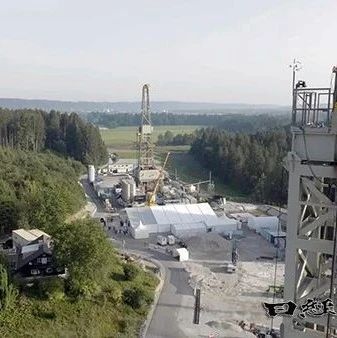
Core Viewpoint - The article discusses the advancements in geothermal power generation technology, highlighting the efforts of companies like Eavor and Quaise Energy in developing next-generation geothermal power plants in Germany, Japan, and Asia, which can tap into deeper underground heat sources for energy production [1][2]. Group 1: Technological Advancements - Eavor and other companies are constructing next-generation geothermal power plants that can extract heat from over 2000 meters underground, expanding the potential for geothermal energy development beyond traditional locations like hot springs and national parks [1]. - The new technology allows for the injection of water into underground areas lacking natural hot water or steam, making it easier to avoid depletion of hot springs and potentially lowering operational costs [1][2]. - Quaise Energy's method involves injecting water into fractured underground rock layers, achieving a power generation capacity of 25,000 to 40,000 kilowatts, which can be up to ten times larger than traditional geothermal systems [2]. Group 2: Market Potential and Government Support - Japan has over 77 million kilowatts of potential geothermal resources available for the new technology, which is more than three times that of traditional geothermal resources [2]. - The Japanese government plans to promote next-generation geothermal power by the 2030s and is discussing necessary support policies [2]. - The cost of geothermal power generation in Japan is competitive, with costs ranging from 16.1 to 16.8 yen per kilowatt-hour, similar to onshore wind power [3]. Group 3: Future Projections - The International Energy Agency (IEA) predicts that global geothermal power capacity will increase from approximately 15 million kilowatts in 2023 to around 800 million kilowatts by 2050 [3]. - In the United States, the installed capacity is expected to reach about 4 million kilowatts by 2024, indicating that only about 10% of the geothermal resource potential is currently utilized [3].
携手发展,中肯不断深化务实合作(新时代中非合作)
Ren Min Ri Bao· 2025-04-28 22:36
Group 1: Energy Development - Kenya's electricity demand has surged due to rapid economic growth, prompting the government to focus on clean energy development to address supply shortages [2] - The Sosian Geothermal Power Station, completed by China Kaishan Group in June 2023, is the first geothermal power station in Africa fully designed, constructed, and commissioned by a Chinese company [2] - The upgrade of the Olkaria I Geothermal Power Station, initiated by China Power Construction Corporation, aims to revitalize the facility's operations and enhance local employment through training [2][3] Group 2: Agricultural Advancements - The irrigation and flood control project on the Enzoya River, constructed by China Power Construction Municipal Group, is set to benefit over 12,000 farmers and enhance agricultural development in Kenya [4] - The introduction of grafting technology for tomatoes by Nanjing Agricultural University and Egerton University has significantly improved yields and reduced disease incidence, leading to increased income for local farmers [5] Group 3: Talent Development - The Mombasa-Nairobi Railway has created over 74,000 jobs and trained more than 2,800 high-quality railway professionals, contributing to Kenya's economic revitalization [6] - The Confucius Institute at the University of Nairobi is offering tailored "Chinese + Industry" training programs to meet the growing demand for bilingual professionals in various sectors [7] - Strengthening talent cultivation in trade, research, and other fields is essential for Kenya's sustainable development and modernization [7]