金融资产交易

Search documents
“百亿兑付”冲击波:浙商大佬俞发祥旗下两上市公司股权被司法冻结
Jing Ji Guan Cha Bao· 2025-12-17 06:53
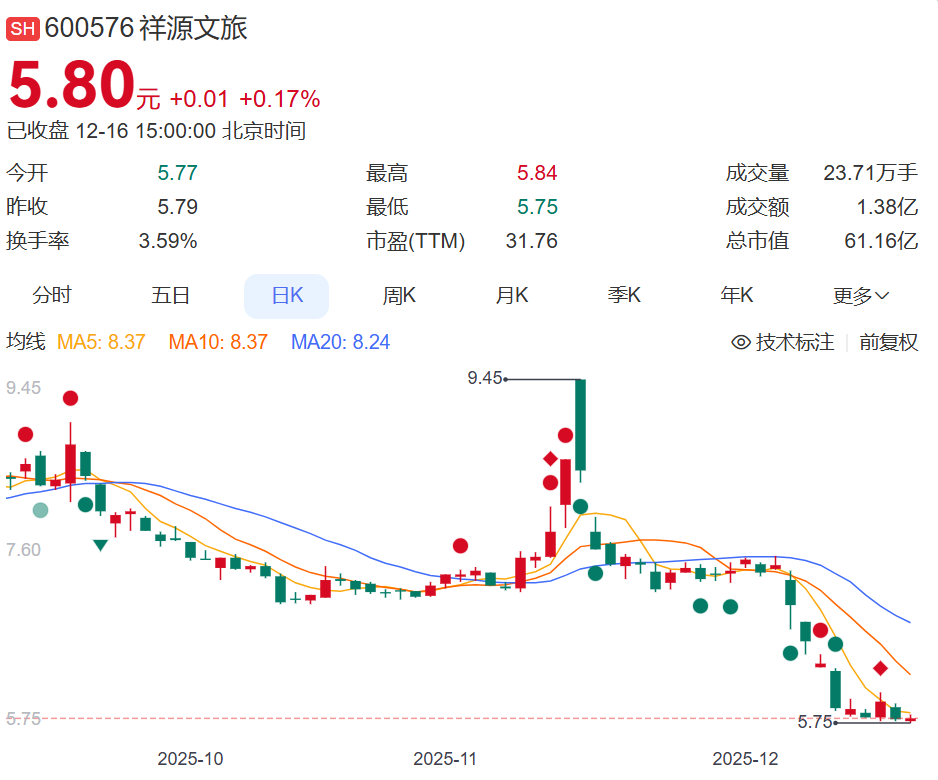
Core Viewpoint - The ongoing financial crisis involving Zhejiang Jin Asset Operation Co., Ltd. has led to the judicial freezing of shares held by Yu Faxiang, the actual controller of Xiangyuan Holdings, affecting two listed companies under his control, Xiangyuan Cultural Tourism and Jiaojian Co., Ltd. [1][2] Group 1: Share Freezing Details - Yu Faxiang's direct and indirect holdings in listed companies have entered judicial freezing status, with Xiangyuan Cultural Tourism's controlling shareholder, Xiangyuan Tourism Development Co., Ltd., having approximately 390 million shares frozen, accounting for 99.06% of its holdings and 37.03% of the total share capital [2][3] - The total number of shares frozen for Xiangyuan Cultural Tourism and its associated parties amounts to 612 million shares, representing 58.08% of the company's total share capital [3] - Jiaojian Co., Ltd. reported that Xiangyuan Holdings holds 274 million shares, with 452 million shares frozen, which is 7.31% of the total share capital [3] Group 2: Causes of Judicial Freezing - The freezing of shares is primarily due to pre-litigation preservation procedures related to financial loan guarantee contract disputes and debts associated with a platform linked to Xiangyuan Holdings [4] - The freezing actions involve multiple legal entities, including the Shanghai Financial Court and the Shaoxing Public Security Bureau, indicating a complex web of financial obligations and disputes [4] Group 3: Government Intervention - A workgroup has been established to assist Xiangyuan Holdings in addressing its asset and liability situation, ensuring the company fulfills its debt responsibilities and maintains normal operations [6][7] - The local government is actively investigating the debt risks associated with Xiangyuan Holdings, responding to public concerns and complaints [6][7] - The online service platform of Zhejiang Jin Asset is currently suspended for fund transactions while basic services remain operational, pending the outcome of the investigation [7] Group 4: Market Reaction - Following the announcements, shares of Jiaojian Co., Ltd. fell over 8%, while Xiangyuan Cultural Tourism's stock dropped nearly 2%, reflecting investor concerns regarding the stability of the companies involved [7]


“祥源系”百亿金融产品爆雷!公安、法院火速出手,有人数百万无法提现
Mei Ri Jing Ji Xin Wen· 2025-12-16 22:24
Core Points - The core issue revolves around the financial crisis faced by Xiangyuan Group, led by Yu Faxiang, resulting in the freezing of shares of its listed companies, Xiangyuan Cultural Tourism and Jiaojian Co., due to significant debt risks associated with financial products [1][10][12] Group 1: Financial Crisis and Share Freezing - Yu Faxiang's companies, Xiangyuan Cultural Tourism and Jiaojian Co., have seen their stock prices plummet over 20% and 30% respectively following the freezing of shares [1][3] - As of the announcement date, Yu Faxiang and his associated entities have had a total of 612,433,915 shares frozen, representing 58.08% of the total share capital of Xiangyuan Cultural Tourism [4][5] - The freezing of shares is linked to multiple financial disputes, including a pre-trial preservation procedure related to loan guarantee contracts with financial institutions [6][8] Group 2: Government Response and Investigation - The local government has established a working group to assist Xiangyuan Group in addressing its debt crisis and ensuring normal operations [14][15] - The working group began its investigation on December 12, 2025, focusing on the assets and liabilities of Xiangyuan Group to facilitate debt resolution [15][16] - The government aims to protect investors' rights and maintain social stability amid the ongoing financial turmoil [14][15] Group 3: Impact on Investors - Investors have reported significant losses, with many having invested substantial amounts in financial products linked to Xiangyuan Group, which are now facing default [10][12] - The total scale of the financial products at risk exceeds 100 billion yuan, with over 200 products involved, leading to widespread investor concern [10][12] - The Zhejiang provincial government has set up channels for investors to voice their complaints and seek information regarding the situation [20][21]

被关停的27家金交所现状如何?
Di Yi Cai Jing Zi Xun· 2025-12-16 09:33
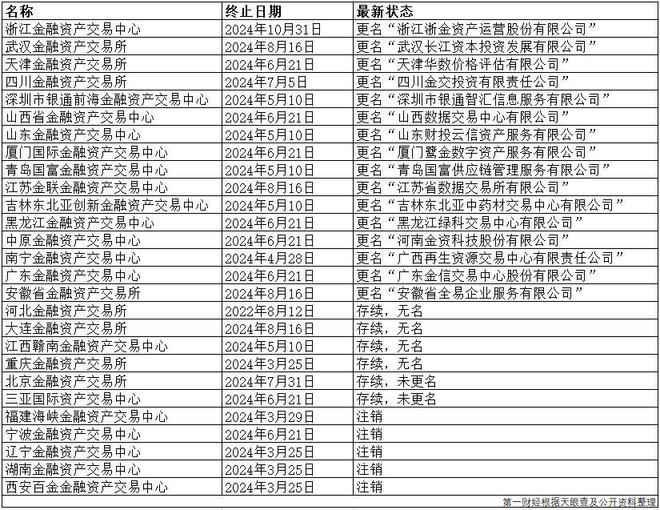
2025.12.16 去年10月31日,浙江省地方金融管理局发布公告,不再保留浙金中心金融资产交易业务资质。自公告发 布之日起,该省不再存在金融资产类交易场所。由此,浙金中心也成为去年最后一批被关停的金交所。 值得注意的是,浙江省地方金融管理局在公告中特别强调,浙金中心金融资产交易业务资质取消后,不 影响该公司依法妥善承接应予承担的法律关系,并继续承担存量业务处置的市场主体责任;不影响存量 业务融资主体依照合同约定继续承担按期兑付等责任。 本文字数:2309,阅读时长大约4分钟 作者 |第一财经 安卓 金交所,这个渐行渐远的词,因近期的违约产品爆雷一事再度被拉至公众眼前。 2024年,全国各地先后五轮集中关停地方金交所,五轮整顿过后,地方金交所近乎绝迹。在今年9月22 日召开的新闻发布会上,证监会主席吴清介绍说,"十四五"期间,关闭金交所、"伪金交所"成效明显, 应关闭的27家金交所已全部取消资质,排查出的上百家"伪金交所"也已经全部得到清理。 然而,地方金交所可以清零,但存量产品的处理责任不能"清零"。据了解,此次爆雷的违约产品正是浙 江金融资产交易中心股份有限公司(下称"浙金中心")的存量部分。或许,这将 ...

被关停的27家金交所现状如何?
第一财经· 2025-12-16 09:12
2025.12. 16 本文字数:2309,阅读时长大约4分钟 作者 | 第一财经 安卓 金交所,这个渐行渐远的词,因近期的违约产品爆雷一事再度被拉至公众眼前。 2024年,全国各地先后五轮集中关停地方金交所,五轮整顿过后,地方金交所近乎绝迹。在今年9月 22日召开的新闻发布会上,证监会主席吴清介绍说,"十四五"期间,关闭金交所、"伪金交所"成效明 显,应关闭的27家金交所已全部取消资质,排查出的上百家"伪金交所"也已经全部得到清理。 然而,地方金交所可以清零,但存量产品的处理责任不能"清零"。据了解,此次爆雷的违约产品正是 浙江金融资产交易中心股份有限公司(下称"浙金中心")的存量部分。或许,这将是最后一家爆雷的 金交所,金交所时代由此画上了一个并不算圆满的句号。 集中关停后的"存量炸弹" 有投资者表示,浙金中心APP虽不再发布新产品,但存量产品仍可转让和买入,部分投资者选择继 续持有。 事实上,金交所的业务资质逐步被取消后,存量业务的处理依然是一个重点。那么,存量业务有多 大,目前还剩多少尚不可知。 仅是去年年中,《国务院关于2023年度中央预算执行和其他财政收支的审计工作报告》中披露了部 分涉及国企的数 ...

金交所再被关注,被关停的27家现状如何?
Di Yi Cai Jing Zi Xun· 2025-12-16 07:43
金交所,这个渐行渐远的词,因近期的违约产品爆雷一事再度被拉至公众眼前。 2024年,全国各地先后五轮集中关停地方金交所,五轮整顿过后,地方金交所近乎绝迹。在今年9月22 日召开的新闻发布会上,证监会主席吴清介绍说,"十四五"期间,关闭金交所、"伪金交所"成效明显, 应关闭的27家金交所已全部取消资质,排查出的上百家"伪金交所"也已经全部得到清理。 然而,地方金交所可以清零,但存量产品的处理责任不能"清零"。据了解,此次爆雷的违约产品正是浙 江金融资产交易中心股份有限公司(下称"浙金中心")的存量部分。或许,这将是最后一家爆雷的金交 所,金交所时代由此画上了一个并不算圆满的句号。 集中关停后的"存量炸弹" 在曾经的金交所时代,浙金中心被业内认为是金交所"一哥"。 去年10月31日,浙江省地方金融管理局发布公告,不再保留浙金中心金融资产交易业务资质。自公告发 布之日起,该省不再存在金融资产类交易场所。由此,浙金中心也成为去年最后一批被关停的金交所。 值得注意的是,浙江省地方金融管理局在公告中特别强调,浙金中心金融资产交易业务资质取消后,不 影响该公司依法妥善承接应予承担的法律关系,并继续承担存量业务处置的市场主体 ...
号称年化4%-5%的“低风险”金融产品突然爆雷,众多投资者踩雷,规模上百亿
Mei Ri Jing Ji Xin Wen· 2025-12-13 06:46
Core Viewpoint - A financial product redemption crisis has emerged involving Zhejiang Zhejin Asset Operation Co., Ltd. and its affiliated company, Xiangyuan Holdings Group, leading to significant investor losses and liquidity issues due to the underlying real estate assets' poor performance [1][3][10]. Group 1: Crisis Overview - The crisis began on November 28, 2025, when multiple financial asset income rights products guaranteed by Xiangyuan Holdings failed to redeem as scheduled, affecting over 200 products with a total transaction scale exceeding 10 billion [1][3]. - The expected annual return of these "low-risk" products ranged from 4% to 5%, with underlying assets linked to Xiangyuan's real estate accounts receivable [1][8]. - As of December 5, 2025, Xiangyuan Holdings reported total assets of approximately 60 billion, covering 40 billion in liabilities, but faced a liquidity crisis due to 30 billion in unsold real estate assets and the cancellation of Zhejin Center's trading qualifications [1][10]. Group 2: Investor Reactions and Company Response - Investors expressed frustration over the lack of communication and clarity regarding redemption plans, with many reporting that their expected returns were not received within the promised timeframe [4][10]. - On December 6, 2025, a meeting was scheduled for investors at Xiangyuan's headquarters, but the location was changed, and no representatives were present to address concerns [4][10]. - By December 9, 2025, investors were informed that a special task force had been established to coordinate with local government for asset disposal, but no specific redemption plan had been provided [10][11]. Group 3: Company Background and Financial Health - Xiangyuan Holdings, led by Chairman Yu Faxiang, has a diverse portfolio including several publicly listed companies and real estate projects across multiple regions [6][22]. - The company has faced significant challenges in its real estate ventures, with many projects reported as stalled or underperforming, leading to its inclusion on a list of companies with ongoing overdue debts [12][22]. - As of December 2025, Xiangyuan Holdings had substantial pledges on its assets, including shares in its subsidiaries, indicating a precarious financial situation [22][23]. Group 4: Regulatory and Market Context - The Zhejin Center, as a trading service platform, has stated it does not bear any responsibility for the risks associated with the financial products, highlighting the regulatory challenges faced by such platforms [24][25]. - The Zhejiang provincial financial management authority announced the cancellation of Zhejin Center's financial asset trading qualifications, reflecting a broader trend of regulatory tightening on similar platforms [26][29]. - Legal experts have noted that the structure of the financial products involved in this crisis may constitute a form of self-financing that transfers internal risks to external investors, raising concerns about compliance and investor protection [28][29].
号称年化4%~5%的“低风险”金融产品突然爆雷,众多投资者“踩雷”,规模上百亿元!“祥源系”多地项目几近停工,背后浙商大佬陷危机
Mei Ri Jing Ji Xin Wen· 2025-12-13 06:31
Core Viewpoint - A financial product redemption crisis has emerged involving Zhejiang Zhijin Asset Operation Co., Ltd. and its affiliated company, Xiangyuan Holdings Group, with over 200 financial asset income rights products unable to meet redemption obligations, totaling over 10 billion yuan [1][3][11]. Group 1: Crisis Overview - The crisis began on November 28, 2025, when investors reported that expected returns were not credited as scheduled [3][11]. - The total scale of the pending redemption funds exceeds 10 billion yuan, with products maturing between December 2025 and April 2026 [1][3]. - The underlying assets of these products are primarily accounts receivable from various real estate projects associated with Xiangyuan Holdings [1][4]. Group 2: Company Financials - Xiangyuan Holdings has total assets of approximately 60 billion yuan, which can cover 40 billion yuan of total liabilities, but faces a liquidity crisis due to 30 billion yuan of unsold property value [1][3]. - The expected annualized return on the affected financial products ranges from 4% to 5% [1][8]. Group 3: Investor Response - Investors have expressed dissatisfaction with the handling of the crisis, as many have not received their expected returns within the promised timeframe [3][11]. - A communication meeting was held on December 11, 2025, where investors demanded a clear timeline for redemption and updates on asset recovery efforts [11][13]. Group 4: Regulatory and Market Context - The Zhejiang Financial Management Bureau announced the cancellation of Zhijin Center's financial asset trading qualifications, which has impacted its ability to facilitate redemptions [27][30]. - The crisis highlights the risks associated with non-standard financing arrangements and the concentration of risk within the same controlling entity [29][30]. Group 5: Company Assets and Liabilities - Xiangyuan Holdings has significant assets tied up in real estate projects, many of which are reportedly stalled or facing execution orders due to unpaid debts [16][23]. - The company has pledged a substantial portion of its shares in listed companies as collateral, indicating financial strain [24][26]. Group 6: Market Implications - The incident reflects broader challenges in the real estate sector, particularly for companies heavily reliant on financial products for liquidity [1][23]. - The situation may lead to increased scrutiny of similar financial asset trading platforms and their regulatory frameworks [27][30].

又一大型理财平台暴雷!涉3家上市公司,金额超200亿,坑惨上万人
Sou Hu Cai Jing· 2025-12-11 13:57
Core Viewpoint - The Zhejiang Financial Center, once a symbol of stability and trust, has faced a severe crisis due to its inability to allow investors to withdraw funds, affecting nearly 10,000 investors and involving over 20 billion in funds, leading to a significant loss of credibility for the center and its parent company, Xiangyuan Group [1][4][14]. Group 1: Company Background - Established in 2013, Zhejiang Financial Center was initially backed by reputable state-owned entities, which contributed to its strong credibility [4]. - The center's low investment threshold and higher-than-bank annual returns attracted many ordinary investors, who were drawn by the perceived safety of its "state-owned background" [4][5]. Group 2: Changes in Ownership and Operations - Since 2019, there has been a significant shift in the ownership structure, with state-owned capital gradually withdrawing, and by 2023, the controlling shareholder became a private entity, Hangzhou Minzhi Investment [5][8]. - The center began promoting products closely tied to Xiangyuan Group, effectively using the platform to finance its own debts under the guise of legitimate investment products [5][9]. Group 3: Regulatory Issues and Investor Impact - In October of the previous year, the Zhejiang Provincial Financial Management Bureau announced the cancellation of the center's financial asset trading qualifications, which was not widely publicized [8][9]. - Despite the regulatory announcement, the platform continued to operate normally, leading investors to mistakenly believe their investments were safe, resulting in further financial entanglement [9][10]. Group 4: Financial Health of Xiangyuan Group - Xiangyuan Group reported assets of 60 billion but liabilities exceeding 40 billion, indicating severe cash flow issues [9]. - The group's aggressive expansion into the tourism sector and real estate has led to financial strain, with many subsidiaries facing overdue commercial bills and being listed as subjects of enforcement [9][10]. Group 5: Official Response and Future Outlook - As of December 8, the Zhejiang Provincial Financial Management Bureau has begun a comprehensive investigation into the financing products associated with the crisis, providing a glimmer of hope for affected investors [10]. - The situation serves as a stark reminder of the risks associated with investments that rely heavily on perceived stability from government affiliations, highlighting the need for thorough due diligence by investors [14][16].
直击浙金中心“暂停营业”:东站服务点关门多日,连日维权持续
Di Yi Cai Jing· 2025-12-09 22:48
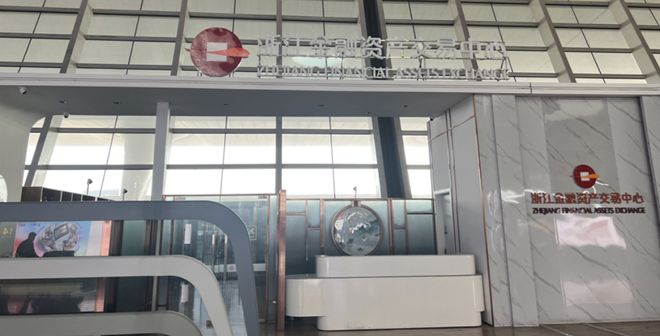
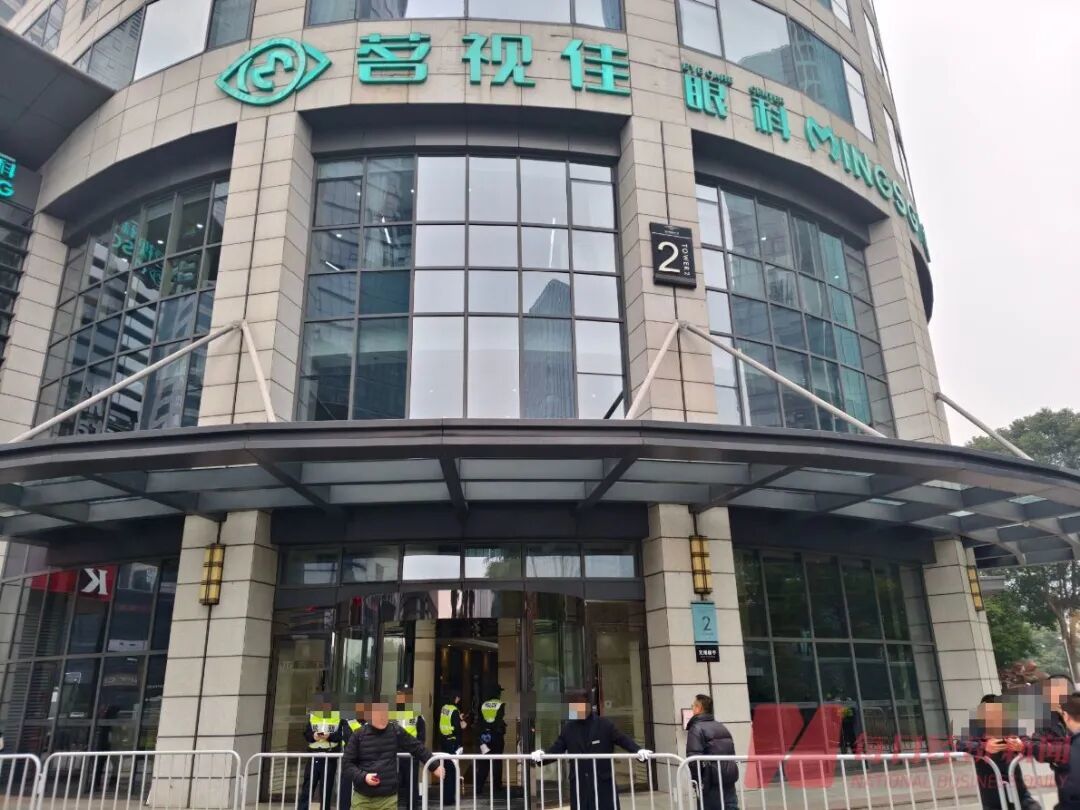
近日,浙江金融资产交易中心(下称"浙金中心")相关产品密集出现兑付问题后,投资人的线下维权陆续展开。12月9日,第一财经记者连续走访杭州与浙 金中心办公相关的地点,发现东站服务点已连续多日关门;而总部所在大楼虽仍在运作,但警力与安保明显加强。同时,距离总部约4公里的章家坝运河公 园被设为临时维权登记点,连续多日均有大批投资者前往登记。 东站服务点:前台空无一人,关门多日无人接待 12月9日,第一财经记者首先来到位于杭州东站候车大厅内的"浙江金融资产交易中心"服务点。现场玻璃门紧闭,前台无人值守。门上张贴的营业时间仍显 示"周一至周日 8:00-20:00",但显然服务点并未按照公告正常开放。 多位东站服务台工作人员告诉记者,该服务点此前一直保持运营状态,"上周还开着",但从最近三四天开始未再营业。一名值班站长表示:"可能是上周六 关的,我们没有收到任何通知,是旅客问了之后才发现已经关了。" 随后,记者来到位于杭州市上城区富春路290号钱江国际时代广场2幢的浙金中心办公点。与以往不同,大楼周边的警力与安保明显增强:入口处有多名警察 与保安驻守,多辆警车停靠在周边,外来人员需说明来意并报备方可进入。 工作人员同时 ...
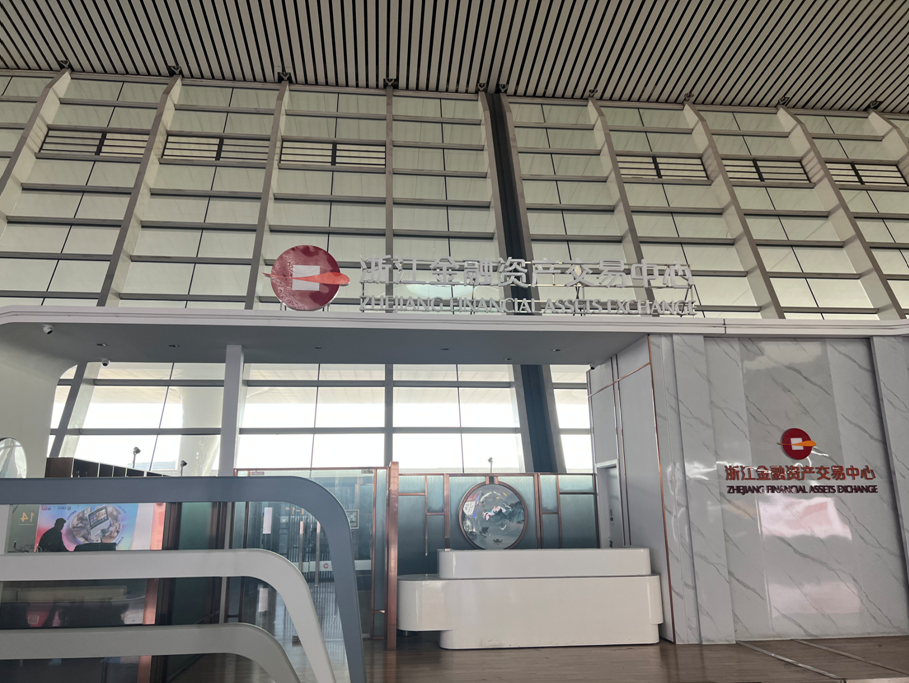
浙金中心“暂停营业”现场直击
Di Yi Cai Jing Zi Xun· 2025-12-09 15:57
2025.12.09 本文字数:1458,阅读时长大约3分钟 作者 |第一财经 陈君君 近日,浙江金融资产交易中心(下称"浙金中心")相关产品密集出现兑付问题后,投资人的线下维权陆 续展开。12月9日,第一财经记者连续走访杭州与浙金中心办公相关的地点,发现东站服务点已连续多 日关门;而总部所在大楼虽仍在运作,但警力与安保明显加强。同时,距离总部约4公里的章家坝运河 公园被设为临时维权登记点,连续多日均有大批投资者前往登记。 东站服务点:前台空无一人,关门多日无人接待 12月9日,第一财经记者首先来到位于杭州东站候车大厅内的"浙江金融资产交易中心"服务点。现场玻 璃门紧闭,前台无人值守。门上张贴的营业时间仍显示"周一至周日 8:00-20:00",但显然服务点并未按 照公告正常开放。 多位东站服务台工作人员告诉记者,该服务点此前一直保持运营状态,"上周还开着",但从最近三四天 开始未再营业。一名值班站长表示:"可能是上周六关的,我们没有收到任何通知,是旅客问了之后才 发现已经关了。" 工作人员同时强调,并不清楚该网点是否为临时调整或永久停业,也没有来自运营方的正式说明。 总部所在地:安保明显加强,前台公司标识已 ...