农产品贸易

Search documents
200万吨大豆烂港!巴西赌中国离不开它,却忘了中国早握3张王牌
Sou Hu Cai Jing· 2025-10-26 11:49
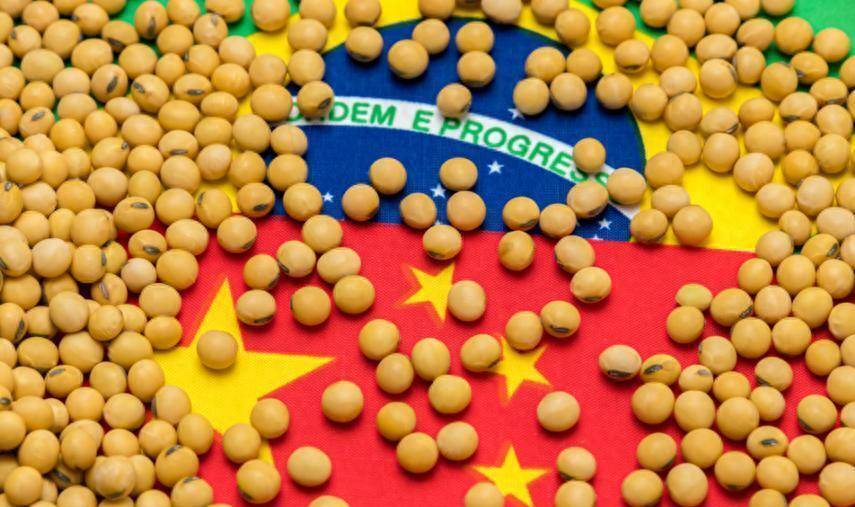
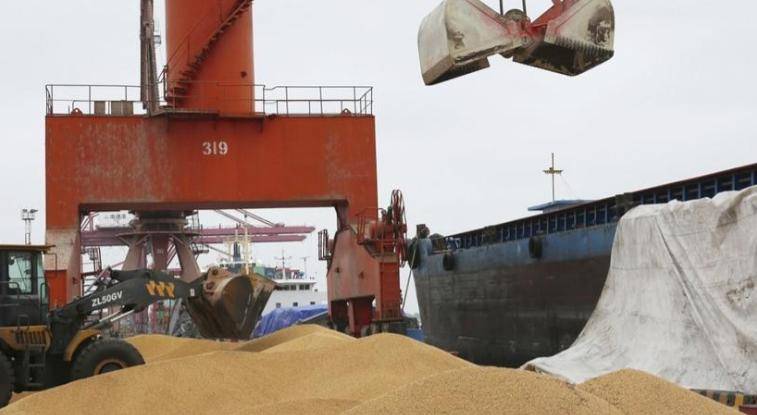
在巴西圣保罗港,成山的大豆堆积着,每天都在消耗着高达120万美元的港口滞留费用。 它们为什么会在这里"搁浅"? 今天,我们就来"解剖"这堆大豆,看看它背后究竟藏着怎样的故事。 首先,这200万吨大豆,源自于巴西严重的经济误判。 今年,随着中美关税摩擦的持续升温,中国暂停了对美国大豆的新订单采购,到9月份更是彻底切断了这条贸易线。 他们单方面将大豆报价从每吨580美元,一口气拉升到650美元,涨幅接近12%。 这是什么概念?涨价后的巴西大豆,竟然比同期的美国大豆还要贵上66美元。 巴西方面显然认为,手握独家货源的他们,有足够的底气让中国买家为这份"贪婪溢价"买单。 而他们算错了一笔大账,他们眼里的利润,在中国下游产业的眼中,却是企业的负担不起。 对拥有近百家油料压榨厂的中国工业体系而言,这已经不是赚多赚少的问题,而是生死存亡的问题。 按照1美元兑7.2元人民币的汇率粗略一算,每吨进口成本就凭空多出了750元。 这意味着,加工企业每加工一吨巴西大豆,就要实打实地亏损超过200元,整个产业链都面临着停摆的巨大风险。 当供应商的报价触碰到一个工业体系的成本红线时,市场的反应是直接且残酷的。 中国近百家压榨厂迅速达成了 ...


贪心砸了饭碗?巴西硬抬价,中国130万吨大豆订单瞬间流向阿根廷
Sou Hu Cai Jing· 2025-10-26 10:07
Core Viewpoint - The global soybean market is experiencing significant shifts, with Brazil emerging as the primary supplier to China, while Argentina's recent policy changes disrupt the pricing strategies of Brazilian exporters [1][10]. Group 1: Historical Context - China has historically relied on the U.S. for soybean imports, with U.S. exports to China reaching 32.85 million tons in 2017, accounting for 34% of China's total imports [3]. - The U.S. soybean market share declined after the 2018 trade tensions, leading to increased costs for U.S. soybeans by 300 to 500 RMB per ton, diminishing its competitive edge [3][5]. Group 2: Brazil's Rise - Brazil became China's largest soybean supplier in 2018, exporting 53.99 million tons, which constituted 56% of China's imports [5]. - By 2024, Brazil's soybean exports to China are projected to reach 74.65 million tons, representing 71.1% of China's imports [7]. - Brazilian farmers have seen significant income increases, with some purchasing private planes for monitoring crops due to the booming soybean market [7]. Group 3: Pricing Strategies and Market Dynamics - Brazilian exporters attempted to form a price alliance to raise soybean prices, leading to a premium of $66 per ton over U.S. soybeans, the highest in four years [8][10]. - However, this strategy backfired as China diversified its import sources, establishing procurement channels with Argentina, Uruguay, and Russia [10]. Group 4: Argentina's Impact - Argentina announced a reduction of export tariffs from 26% to zero, significantly lowering export costs and disrupting Brazilian pricing strategies [11]. - Following Argentina's announcement, China quickly secured 1.3 million tons of soybeans at competitive prices, undermining Brazilian exporters' plans [11][13]. Group 5: Consequences for Brazil - Brazilian exporters faced a dramatic shift in market conditions, with many unable to sell their accumulated stocks, leading to layoffs and financial distress [13][14]. - The Brazilian media criticized exporters for their short-sighted pricing strategies, which damaged trust in the Chinese market and resulted in a loss of market share [14][16].
合作热土汇聚丝路商机 中亚特产飘香杨凌农高会
Zhong Guo Xin Wen Wang· 2025-10-26 09:45
Core Insights - The 32nd Yangling Agricultural High-tech Achievements Expo serves as a significant platform for international agricultural cooperation, particularly between China and Central Asian countries [4][6] - The participation of Central Asian exhibitors has notably increased, showcasing a variety of regional products and enhancing trade relations [4][6] Group 1: Event Overview - The expo features over 200 foreign enterprises from 47 countries, with a strong representation from Central Asian companies [4] - The event has transformed into a microcosm of Silk Road trade, highlighting the cultural and commercial exchanges between China and Central Asia [3][6] Group 2: Trade Growth - In 2024, the import and export volume between Shaanxi Province and the five Central Asian countries is projected to reach 8.575 billion RMB, marking a 48.1% year-on-year increase [4] - The increasing participation of Central Asian merchants, such as those from Tajikistan and Kazakhstan, reflects the growing trade opportunities and market interest [4][6] Group 3: Cultural Exchange - The expo not only facilitates trade but also promotes cultural exchanges, with various cultural performances enhancing the atmosphere of cooperation [6] - Participants express a sense of community and warmth, indicating that the event fosters deeper cultural ties alongside commercial interactions [6]

巴西大豆烂港,中国三张王牌,让其美梦破碎。
Sou Hu Cai Jing· 2025-10-26 08:45
在巴西圣保罗港,曾经繁忙的码头现在陷入了"豆油危机"。数百万吨大豆堆积如山,似乎压得巴西粮商们喘不过气来,每天高达120万美元的滞港费让他 们的利润不断缩水。这些原本视为"摇钱树"的大豆,如今成了烫手山芋,究竟发生了什么? 这一切要从2025年全球经济格局说起。中美之间的关税冲突不断加剧,影响了全球大豆贸易。中国作为全球最大的大豆进口国,在这种紧张形势下采取了 果断措施:暂停从美国的大豆新订单,并在9月全面中断进口,将目光转向了巴西。巴西的大豆瞬间成为中国市场的热销品,2025年1月至9月,中国从巴 西进口了5210万吨大豆,占总进口量的66%,某些月份甚至占到了93%。这一巨大的市场份额让巴西粮商们看到了巨额财富,然而他们却错估了形势。 巴西粮商们一度认为,中国大豆需求旺盛且无法轻易找到替代供应源,便开始加价推销。他们将大豆价格从580美元/吨抬升至650美元/吨,涨幅接近 12%。这一价格不仅比同期的美国大豆贵了66美元/吨,且他们认为抓住了中国的"软肋",可以大赚一笔。然而,他们却忽略了中国市场的应变能力。 在巴西粮商苦于涨价困境时,阿根廷却迎来了一个"及时雨"。9月22日,阿根廷宣布对大豆及相关制品的 ...
巴西背刺,中国反手一击!800万吨大单喊停,大豆战争已经打响
Sou Hu Cai Jing· 2025-10-26 08:41
最近,中国与巴西之间的"大豆采购"竞争悄然升温。虽然大豆看似是一种小小的农产品,但它背后却与全球粮食安全紧密相关,甚至涉及到国家的战略安 全。 这场较量的起点,可以追溯到中美贸易战。那时,中国几乎完全暂停了从美国进口大豆,转而寻找南美的供应商,最终把目光投向了巴西。然而,巴西却在 尝到甜头之后,迅速提高了大豆的价格。 巴西本应更加珍惜中国这个大客户,却反手"加价"——大豆的价格从每吨580美元一跃上涨至650美元,涨幅接近12%。这个价格比美国的大豆贵了整整66美 元一吨!价格一涨,国内大豆压榨企业面临了不小的压力。每加工一吨大豆,企业的亏损额超过200元人民币。许多油厂因此决定暂停从巴西采购,尤其是 12月和明年1月的订单,共计达800万吨。 在此背景下,巴西似乎认为,中国如此依赖自己,无法轻易找到替代供应商。的确,数据显示,中国在2025年前九个月从巴西进口了5210万吨大豆,占中国 大豆进口总量的66%,某些月份甚至高达93%。可巴西却忘了,中国早已不再是那个"只有你能供应"的中国了。 近年来,中国已经开始实施"大豆进口多元化战略",不再将所有"鸡蛋"放在一个篮子里。阿根廷、乌拉圭、俄罗斯,甚至一些非洲 ...
巴西硬抬价后,中国130万吨大豆订单瞬间流向阿根廷
Sou Hu Cai Jing· 2025-10-26 07:21
Core Insights - The ongoing trade tensions between the US and China have led to a significant shift in the soybean market, with Brazil initially positioned to benefit but ultimately mismanaging the opportunity [1][20] Group 1: Market Dynamics - Since May, China has ceased soybean imports from the US due to increased tariffs, creating a gap that Brazil was expected to fill [1] - Brazil's soybean production is projected to rise from 95.7 million tons in 2015 to 177.6 million tons by 2025, surpassing the US's expected production of 116 million tons [3] - By September, Brazil accounted for 71.6% of China's soybean imports, while the US's share dropped to 22.8% [5] Group 2: Pricing Issues - Brazilian exporters raised soybean prices significantly, with prices at the Port of Paranaguá exceeding US prices by $66.1 per ton, marking a four-year high premium [9] - The price increase led to a situation where Chinese buyers decided to halt purchases, resulting in a complete stop of contracts for December and January [12] Group 3: Competitive Landscape - Argentina has emerged as a viable alternative for China, signing a 1.3 million ton soybean order shortly after negotiations with Brazil broke down [12][14] - The rise of Argentina and other countries like Uruguay and Paraguay indicates a diversification of China's soybean supply sources, reducing reliance on Brazil [16] Group 4: Future Implications - Brazil's overconfidence and price gouging may lead to a loss of market trust, with predictions that a decline in Chinese orders could leave a surplus of unsold soybeans [16][20] - The situation serves as a warning to commodity exporters about the importance of maintaining fair pricing and stable supply relationships in international trade [18][20]
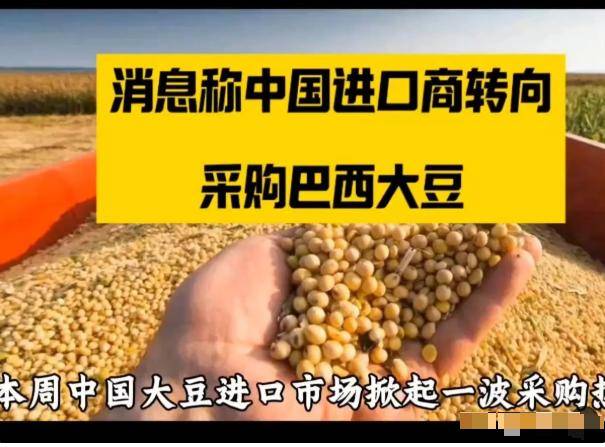
贪心砸了饭碗?巴西硬抬价,中国130万吨大豆订单瞬间转向阿根廷
Sou Hu Cai Jing· 2025-10-26 05:56
Core Insights - Brazilian soybean prices have reached a premium of $66/ton over U.S. Gulf prices, the highest in nearly four years, indicating Brazilian exporters' confidence in their pricing power in the Chinese market [1][5] - However, this confidence was quickly challenged as Chinese buyers turned to Argentina, signing contracts for 1.3 million tons of soybeans within two days, demonstrating China's ability to adapt [3][12] Market Dynamics - Brazil's dominant position in the Chinese soybean market, with over 71% market share expected by August 2025, has led to overconfidence among exporters, who predict exports to China will exceed 110 million tons for the year [5][16] - The misconception that temporary market share equates to permanent pricing power is a strategic error for Brazil, as soybean is a highly standardized commodity where competitiveness relies on cost and supply stability [7][9] China's Response - China's procurement system is complex and robust, emphasizing food security as a national strategy, which allows for diversified supply sources and strong risk management capabilities [9][11] - The swift response from China to seek alternative suppliers like Argentina, Uruguay, and Russia highlights its proactive approach to supply chain management [12][16] Financial Strategies - Chinese companies utilize financial instruments such as futures markets for hedging, allowing them to lock in procurement costs and mitigate risks from price volatility [14] - The State Grain Reserve of China maintains sufficient soybean reserves to stabilize domestic prices during international price fluctuations, signaling that China is not desperate for high-priced imports [15][16] Lessons for Exporters - Brazil's experience serves as a cautionary tale for resource-dependent countries, emphasizing the importance of trust, stability, and win-win scenarios over short-term price manipulation [16][18]
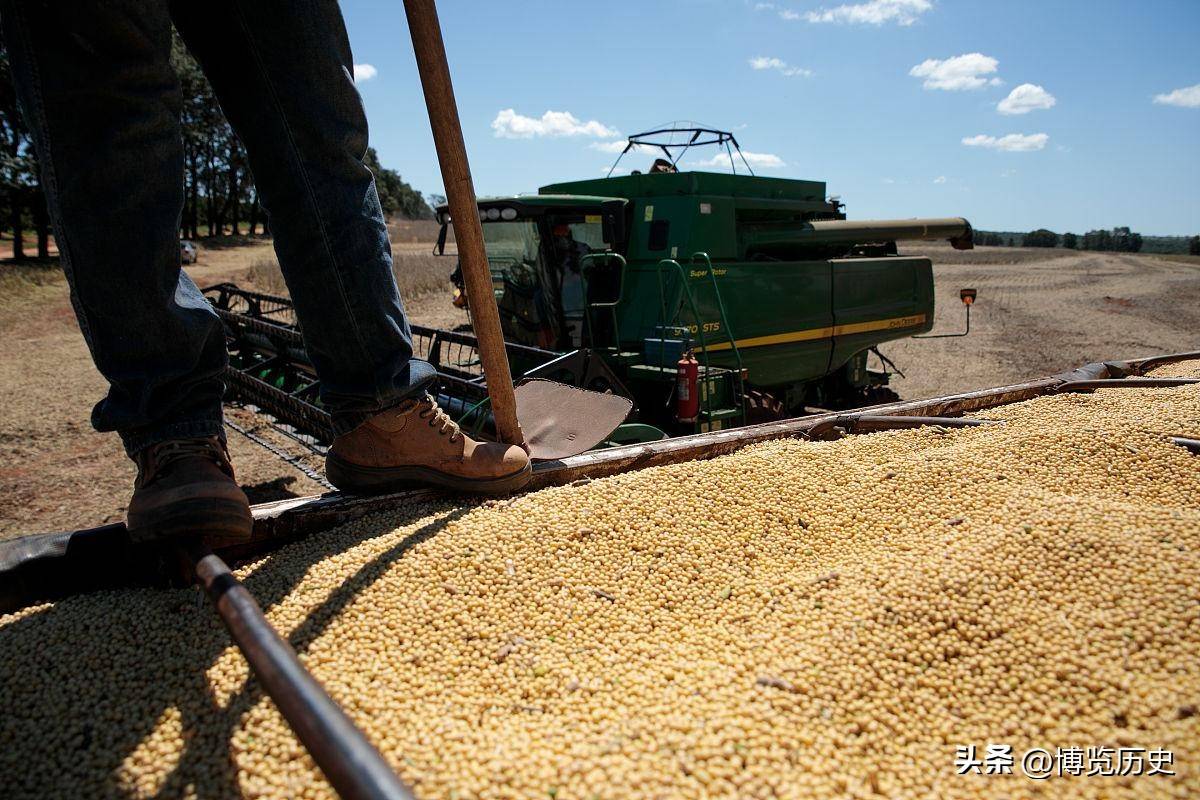
杨凌农高会外商“带货”记:从“轻装”到“满载”
Zhong Guo Xin Wen Wang· 2025-10-26 04:35
Core Insights - The Yangling Agricultural High-tech Achievements Expo has attracted international exhibitors, showcasing a diverse range of products and enhancing trade opportunities [1][3][6] - Exhibitors from various countries, including Afghanistan, Sri Lanka, Pakistan, and Tajikistan, have significantly increased their product offerings and participation levels compared to previous years [1][4][6] Group 1: Exhibitor Experiences - An Afghan exhibitor, Anif, has progressed from bringing only two suitcases of products three years ago to nearly one ton of goods this year, including carpets and jewelry [1] - Sri Lankan exhibitor Anura has expanded his offerings to over a hundred types of tea, responding to customer feedback and aiming to strengthen ties with the Chinese market [3] - Pakistani exhibitor Ali has seen his product range grow from four or five simple jade items to a wide array of nearly fifty, reflecting the growing interest from Pakistani merchants in the expo [4] Group 2: Event Significance - The expo serves as a vital platform for trade and cultural exchange among the member countries of the Shanghai Cooperation Organization (SCO), with over 100 institutions and enterprises participating [6] - The event is positioned as a bridge connecting local markets with international opportunities, fostering economic and cultural collaboration [6]
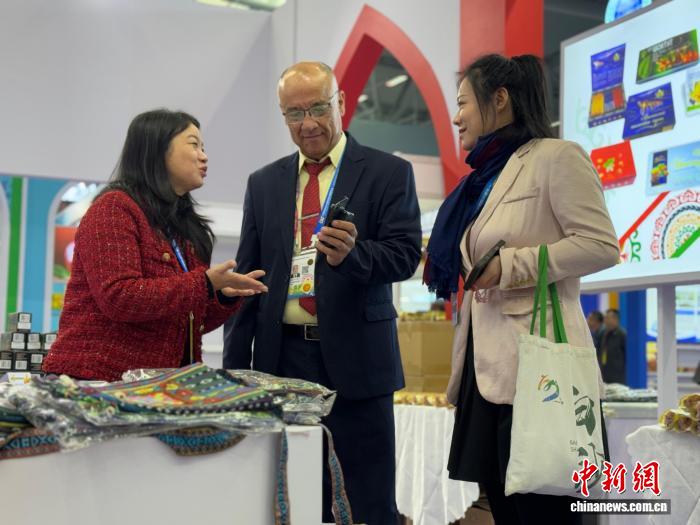
巴西大豆坐地起价,中国四招反击,130万吨大豆订单流向阿根廷
Sou Hu Cai Jing· 2025-10-26 01:50
大豆涨疯了,谁都没想到巴西大豆价格在短短6天里暴涨了20%,一度把我国采购商逼到了"暂停键"。 然而,地球另一端的中国市场,却上演了令人瞠目结舌的一幕。面对这股扑面而来的涨价潮,国内豆粕的现货价格非但没有跟风暴涨, 反而在短短一周内,从高点急转直下,价格直接跳水了700元/吨。 2025年10月下旬,国际大豆贸易市场突发震荡:巴西对华大豆报价在短短22天内从565美元 / 吨飙升至650美元 / 吨,涨幅高达15%,部分 出口商报价甚至一度触及79.9%的极端水平,创下巴西大豆对华出口历史最高价。 这一远超市场正常波动的涨价行为,让中国国内压榨企业陷入困境,每加工一吨大豆就要面临超过200元的亏损,而巴西帕拉纳瓜港的报 价更是比国际基准价高出近 美元/蒲式耳,贸易天平出现明显失衡。 就在市场担忧中国会被动接受高价时,一系列精准有力的应对措施迅速落地,130 万吨大豆订单毅然转向阿根廷,这场国际贸易博弈的 走向被彻底改写。 巴西大豆此次涨价并非偶然,多重因素的叠加推高了市场价格。 从供应端来看,南美洲遭遇百年一遇的干旱天气,导致巴西大豆主产区产量下滑,市场供应本就偏紧。 与此同时,巴西国内生产流通成本持续攀升, ...
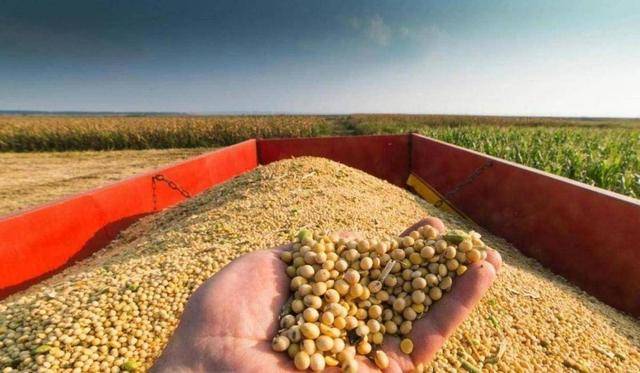
巴西趁火打劫大涨价,中国买家不接招,转头下单20船阿根廷大豆
Sou Hu Cai Jing· 2025-10-25 19:43
Core Insights - Brazilian soybean exporters have raised prices to $650 per ton, a $70 increase from the previous month, making it more expensive than U.S. soybeans, leading to losses for Chinese processing companies [1][3] - In response, China has halted purchases of 8 million tons of Brazilian soybeans for December and January, instead signing a deal for 1.3 million tons from Argentina, filling the supply gap left by Brazil [3][5] Group 1: Price Dynamics and Market Reactions - The price increase by Brazilian exporters was based on a misjudgment of China's dependency, as Brazil accounted for 66% of China's soybean imports from January to September 2025 [3] - Brazil's price surge was influenced by the halt in U.S. soybean imports due to trade tensions, leading Brazilian exporters to believe they had a monopoly [3][5] - Argentina's sudden removal of a 26% soybean export tax has made its soybeans significantly cheaper, prompting a rapid response from Chinese buyers [5][7] Group 2: Strategic Responses from China - China has a strategic reserve of approximately 45 million tons of soybeans, sufficient to meet three months of consumption, and has already released 1.5 million tons to stabilize prices [7] - The diversification of soybean import sources has expanded from three to twelve countries, including increased imports from Russia and Uruguay, reducing reliance on Brazil [7] - Technological advancements in feed have reduced the proportion of soybean meal in animal feed, decreasing annual soybean demand by approximately 18 million tons [7] Group 3: Long-term Implications and Market Dynamics - The recent developments have highlighted the issues in the global soybean pricing mechanism, where China, despite consuming 60% of the world's soybeans, has been subject to pricing dictated by the Chicago futures market [8] - China's actions signal a shift towards a buyer's market, where both supply and demand sides will influence pricing rules, moving away from a seller-dominated market [8] - Argentina's increased exports to China not only stabilize its foreign exchange income but also enhance its long-term credibility in the Chinese market [8]