火锅

Search documents
海底捞同店同款麻辣烫,美团便宜售罄,闪购价高可买?官方暂无回应
Xin Lang Ke Ji· 2025-08-16 09:14
Core Viewpoint - A consumer in Xi'an, Shaanxi province, reported a complaint against a Haidilao restaurant regarding discrepancies in the availability of a specific dish when using different discount platforms [1] Group 1: Consumer Complaint - The consumer purchased a Haidilao discount coupon from Meituan, which was advertised as applicable citywide, but found that the specific dish, dry mixed spicy hot pot, was marked as sold out at the Haidilao Yitian store [1] - The same dish was available for purchase on Taobao's flash sale at a higher price of around 30 yuan, while the Meituan coupon was priced at 22 yuan [1] - The consumer highlighted the inconsistency where the cheaper option on Meituan was unavailable, while the more expensive option on Taobao was still being sold [1] Group 2: Company Response - As of the report's publication, Haidilao had not provided any official response to the consumer's complaint [1]

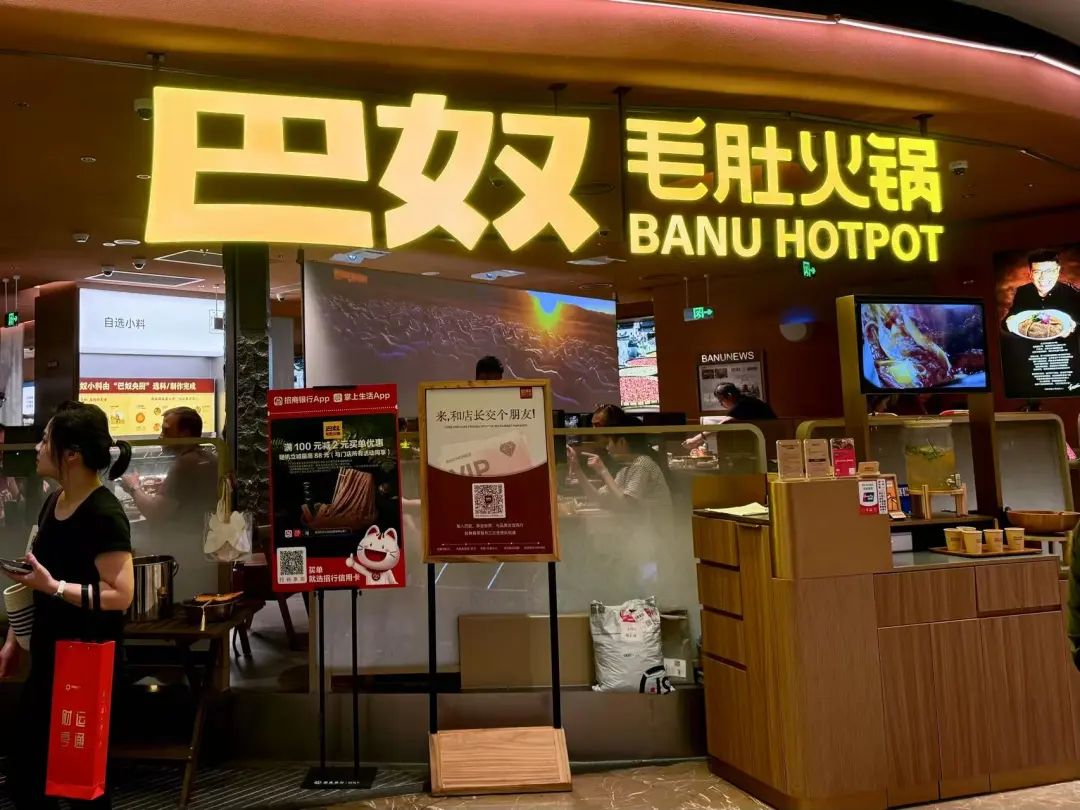
巴奴冲刺港股IPO背后:加速全国布局
Zheng Quan Ri Bao Wang· 2025-08-15 10:45
Core Viewpoint - The hot pot brand Banu International Holdings Limited is taking significant steps towards capitalizing its business by expanding its national presence and preparing for an IPO on the Hong Kong Stock Exchange [1][4]. Expansion Strategy - Since its establishment in 2001, Banu has focused on a product-centric philosophy, emphasizing fresh ingredients and unique offerings, which has helped it differentiate from competitors like Haidilao [2]. - Banu has accelerated its national expansion, with its direct-operated store network covering over 40 cities as of 2021, and reaching 145 stores by June 9, 2025, a 74.7% increase from 83 stores at the end of 2021 [2]. - The company has strategically opened new stores in key economic regions such as the Yangtze River Delta, Northwest, and South China, reinforcing its market presence [2][3]. Financial Performance - Banu's financial performance has shown steady growth, with revenues of 1.433 billion yuan in 2022, projected to reach 2.307 billion yuan in 2024, and a net profit of 123 million yuan in 2024, marking a turnaround from previous losses [4]. - In the first quarter of 2025, Banu reported a 25.7% year-on-year revenue increase to 709 million yuan, with an adjusted net profit of 76.7 million yuan and a net profit margin of 10.8% [4]. - The average customer spending decreased to 138 yuan as of March 31, 2025, from 148 yuan the previous year, while the table turnover rate increased to 3.7 times per day, indicating improved operational efficiency [4]. Market Position - Banu's expansion into lower-tier cities allows it to avoid direct competition with leading brands while leveraging local market potential for rapid growth [3]. - The company is positioned as a leader in the quality hot pot market in China, alongside other brands like Xiaobuxiang, Haidilao, and others, as it prepares for its IPO [4].
巴奴国际上市路遇阻:证监会九问“高分红”与“社保合规”等
Sou Hu Cai Jing· 2025-08-14 20:02
Core Viewpoint - Banu International Holdings Limited is facing scrutiny from the China Securities Regulatory Commission (CSRC) regarding its overseas listing plan, particularly in areas such as equity structure, data security, and dividend policy [1][2]. Company Overview - Founded in 2001 by Du Zhongbing in Anyang, Henan, Banu International focuses on healthy dining and high-quality hot pot, with its signature product being "Mao Du + Mushroom Soup" [1]. - As of 2024, Banu holds a 3.1% market share in China's quality hot pot market, with 145 direct stores across 39 cities, marking a 74.7% increase from 83 stores at the end of 2021 [1]. Financial Performance - The company's revenue has shown steady growth, with figures of 1.433 billion yuan in 2022, 2.112 billion yuan in 2023, and 2.307 billion yuan in 2024, while the first quarter of 2025 recorded revenue of 709 million yuan [2]. - After a net loss of 5.2 million yuan in 2022, Banu achieved a net profit of 102 million yuan in 2023, which further increased to 123 million yuan in 2024, and 55 million yuan in the first quarter of 2025 [2]. Regulatory Concerns - The CSRC has raised questions about the company's equity structure, particularly regarding the identification of the actual controller and the rationale behind not listing Han Yanli as a co-controller [2]. - Concerns were also expressed regarding the high dividend payout of 70 million yuan in January 2025, which accounted for 56.9% of the company's net profit of 123 million yuan for 2024, raising questions about the necessity of such dividends in light of the company's short-term debt repayment capacity [3]. Compliance Issues - Banu International has been noted for failing to fully pay social insurance and housing provident fund for some employees, with the company citing high employee turnover and personal preferences as reasons [4]. - The CSRC has mandated the company to clarify the social insurance contributions for non-full-time employees and the legality of its labor practices [4]. Data Security Requirements - The CSRC has imposed strict requirements regarding data security, demanding explanations on the collection, storage, and use of user information across various digital platforms, as well as measures for personal information protection and data security before and after the listing [5]. - To gain the trust of investors and regulatory bodies, Banu International must demonstrate a transparent equity structure, robust financial health, compliant employee welfare, and stringent data security management [5].

巴奴被指上市前突击分红、社保公积金欠缴等问题,迎来证监会九连问
Sou Hu Cai Jing· 2025-08-14 12:55
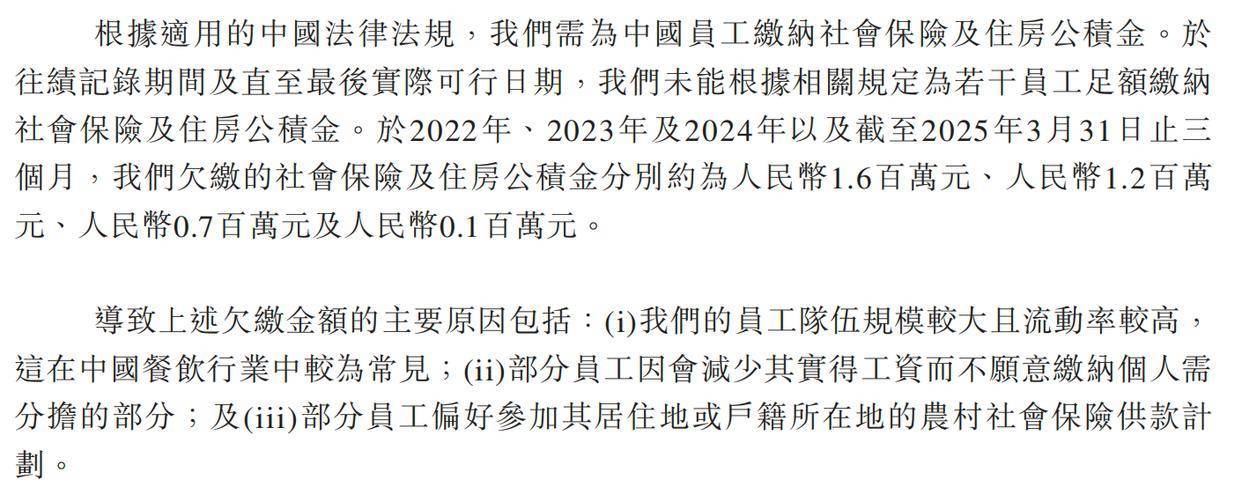
Group 1 - The core issue is that Banu International received feedback from the Securities Regulatory Commission regarding its overseas listing, focusing on three main areas: equity structure, data security, and the reasonableness of dividends, with a total of nine specific questions [2] - Banu International submitted its prospectus to the Hong Kong Stock Exchange on June 16, with CICC and Zhuhai International as joint sponsors. The company is the third-largest brand in China's hot pot market, holding a 0.4% market share based on projected 2024 revenue [4] - The company announced a dividend of 70 million yuan to shareholders in January 2025, which has been fully paid as of June 9. The Du Zhongbing family received over 58 million yuan in dividends based on voting rights [4] Group 2 - The Securities Regulatory Commission requested Banu International to clarify the internal decision-making process regarding dividends, tax payments, foreign exchange management, and the necessity of financing for the upcoming listing in light of the company's debt situation [4] - The company has reported outstanding social insurance and housing fund payments of approximately 1.6 million yuan, 1.2 million yuan, 700,000 yuan, and 100,000 yuan for the years 2022, 2023, 2024, and the first three months of 2025, respectively [5] - Banu International acknowledged three main reasons for the outstanding payments: a large and high-turnover employee base, reluctance from some employees to contribute due to reduced take-home pay, and a preference among some employees for local rural social security plans [7] Group 3 - The Securities Regulatory Commission also requested clarification on the social insurance and housing fund contributions for non-full-time employees (part-time and outsourced workers) and a conclusive opinion on the legality and compliance of labor practices [8]
一边分红一边又要上市融资 巴奴火锅被证监会九连问
Sou Hu Cai Jing· 2025-08-14 11:27
封面新闻记者 伏建宇 韩建文 早在今年6月16日,巴奴国际控股有限公司(以下简称"巴奴国际")正式向港交所递交上市申请,谋求 成为继海底捞、呷哺呷哺之后"港股火锅第三股",这一动作曾引发餐饮业高度关注。近日,中国证监会 就巴奴国际的境外上市申请发出反馈意见函,九连问聚焦股权架构、数据安全以及最受争议的"大额分 红后高额融资"的合理性,引发市场高度关注。 招股书显示,中金公司和招银国际担任联席保荐人,2022年-2024年,巴奴的营收从14.33亿元攀升至 23.07亿元,净利润也从-519万元扭亏为盈至1.23亿元,2025年第一季度,营业收入达到7.09亿元,净利 润为0.55亿元,亮眼的财务数据为上市增添了底气。 备受争议的是巴奴国际的分红行为。2025年1月,巴奴国际宣布向股东派股息7000万元,截至6月9日已 全额派付,按投票权粗略计算,杜中兵家族分红超过5800万元。2024年巴奴国际的净利润为1.23亿元, 而此次分红金额高达7000万元,占2024年净利润比例的56.9%。证监会要求巴奴国际说明分红内部决策 情况以及税费缴纳、外汇管理等监管程序履行情况,结合公司负债等情况说明实施分红的合理性,以 ...
巴奴港股IPO遭证监会“补考”
Jing Ji Guan Cha Wang· 2025-08-14 02:47
Group 1 - The core viewpoint of the article highlights that Banu International Holdings Limited is undergoing additional scrutiny from the China Securities Regulatory Commission (CSRC) after submitting its IPO application to the Hong Kong Stock Exchange, indicating a need to address compliance issues before proceeding with the listing [1] Group 2 - Banu International submitted its IPO application on June 16, aiming to leverage its flagship product, Banu Hot Pot, to capture a 3.1% market share in 2024 as the largest quality hot pot enterprise in China [1] - The CSRC's review focuses on the company's shareholding structure, particularly the high voting rights held by founders Du Zhongbing and Han Yanli, and the lack of recognition of Han Yanli as a co-actual controller, requiring clarification [1] - Financially, the company is noted to have poor short-term debt repayment capability for 2024, despite a 57.5% year-on-year increase in net profit for the first quarter of this year and a dividend payout of 70 million yuan in the five months prior to the IPO application, prompting the CSRC to question the rationale behind the dividend and financing [1] - The company employs a significant number of part-time and outsourced workers, leading the CSRC to request explanations regarding the social security and housing fund contributions for non-full-time employees and the legality of their employment [1] - Other areas under scrutiny include historical transaction compliance, user data security, and the reasonableness of the dividend policy, with the CSRC requiring Banu to hire a practicing lawyer to provide a special legal opinion on these matters [1] - Industry insiders believe that this inquiry directly addresses the compliance issues related to overseas listings, signaling a strengthening of regulatory oversight in the capital market [1]
巴奴火锅上市遇阻:证监会关注股权架构、分红合理性及社保公积金欠缴
Sou Hu Cai Jing· 2025-08-14 00:31
Core Viewpoint - Banu International, the parent company of the well-known hot pot brand Banu, is seeking to go public in Hong Kong and has received detailed feedback from the China Securities Regulatory Commission (CSRC) after submitting its prospectus over a month ago [1] Group 1: Company Overview - Banu International submitted its listing application to the Hong Kong Stock Exchange on June 16, 2023, and is currently the third-largest player in the Chinese hot pot market with a market share of 0.4% as of 2024 [1] - As of June 9, 2025, Banu operates 145 directly-owned stores across 39 cities, with 53 stores in Henan, accounting for over 36% of its total [6] Group 2: Regulatory Feedback - The CSRC has requested supplementary materials from Banu International, focusing on three main areas: equity structure, data security, and the reasonableness of dividends, with a total of nine specific questions [2] - The compliance of the equity structure is a primary concern, with the CSRC asking for detailed explanations regarding the shareholding of founders and related entities [2] - Banu International is required to clarify its data security measures, including the scale of user information collected and whether any data is shared with third parties [3] Group 3: Financial Performance - Banu International has shown continuous revenue growth in recent years, with revenues of 1.433 billion, 2.112 billion, and 2.307 billion yuan for 2022, 2023, and 2024 respectively, reflecting year-on-year growth rates of 47.34%, 9.27% [6] - The net profit figures for the same years were -5.19 million, 102 million, and 123 million yuan, with profit margins of -0.4%, 4.8%, and 5.3% respectively, indicating room for improvement in profitability compared to industry leader Haidilao [6] Group 4: Dividend and Compliance Issues - Banu International announced a dividend distribution of 70 million yuan to shareholders in January 2025, with over 58 million yuan received by the founding family [5] - The CSRC has requested explanations regarding the internal decision-making process for dividends, tax payments, and compliance with foreign exchange management [5] - The company faces issues related to unpaid social insurance and housing fund contributions, totaling approximately 1.6 million yuan for 2022 and 120,000 yuan for the first three months of 2025 [5]
上市前突击分红、社保公积金却欠缴:证监会九问巴奴
Guo Ji Jin Rong Bao· 2025-08-13 12:22
Core Viewpoint - Banu International, the parent company of Banu Hot Pot, has received feedback from the China Securities Regulatory Commission (CSRC) regarding its IPO application, focusing on compliance issues related to its equity structure, data security, and dividend rationality [1][6]. Equity Structure Compliance - The CSRC's primary focus is on the compliance of Banu International's equity structure, which includes six specific matters related to the ownership and control of the company [3]. - Banu International's founders, Du Zhongbing and Han Yanli, control approximately 83.38% of the voting rights through various entities, including D&H (BVI) LTD and BANU UNITED LTD [4]. - The company must clarify the reasons for the ownership structure involving Tomato Second and the compliance of foreign investment and foreign exchange management procedures [3][4]. Data Security Requirements - The CSRC requires Banu International to provide details on the development and operation of its digital platforms, including user information collection and storage practices, and measures for personal information protection [4]. Dividend Distribution - Banu International announced a dividend of 70 million yuan to shareholders, with over 58 million yuan distributed to Du Zhongbing's family [5]. - The CSRC has requested explanations regarding the internal decision-making process for dividends, tax payments, and the necessity of financing through the IPO in light of the company's liabilities [6]. Social Security and Compliance Issues - Banu International faces issues related to unpaid social insurance and housing fund contributions, amounting to approximately 1.6 million yuan in total for 2022 to early 2025 [6][7]. - The company attributes these unpaid contributions to high employee turnover and preferences for alternative social security plans [7]. Financial Performance - Banu International's revenue for 2022, 2023, and 2024 was 1.433 billion yuan, 2.112 billion yuan, and 2.307 billion yuan, respectively, showing a significant slowdown in growth from 47.34% to 9.27% [6]. - The net profit for the same years was -5.19 million yuan, 102 million yuan, and 123 million yuan, indicating a gradual improvement in profitability but still trailing behind industry leader Haidilao's profit margins [6].
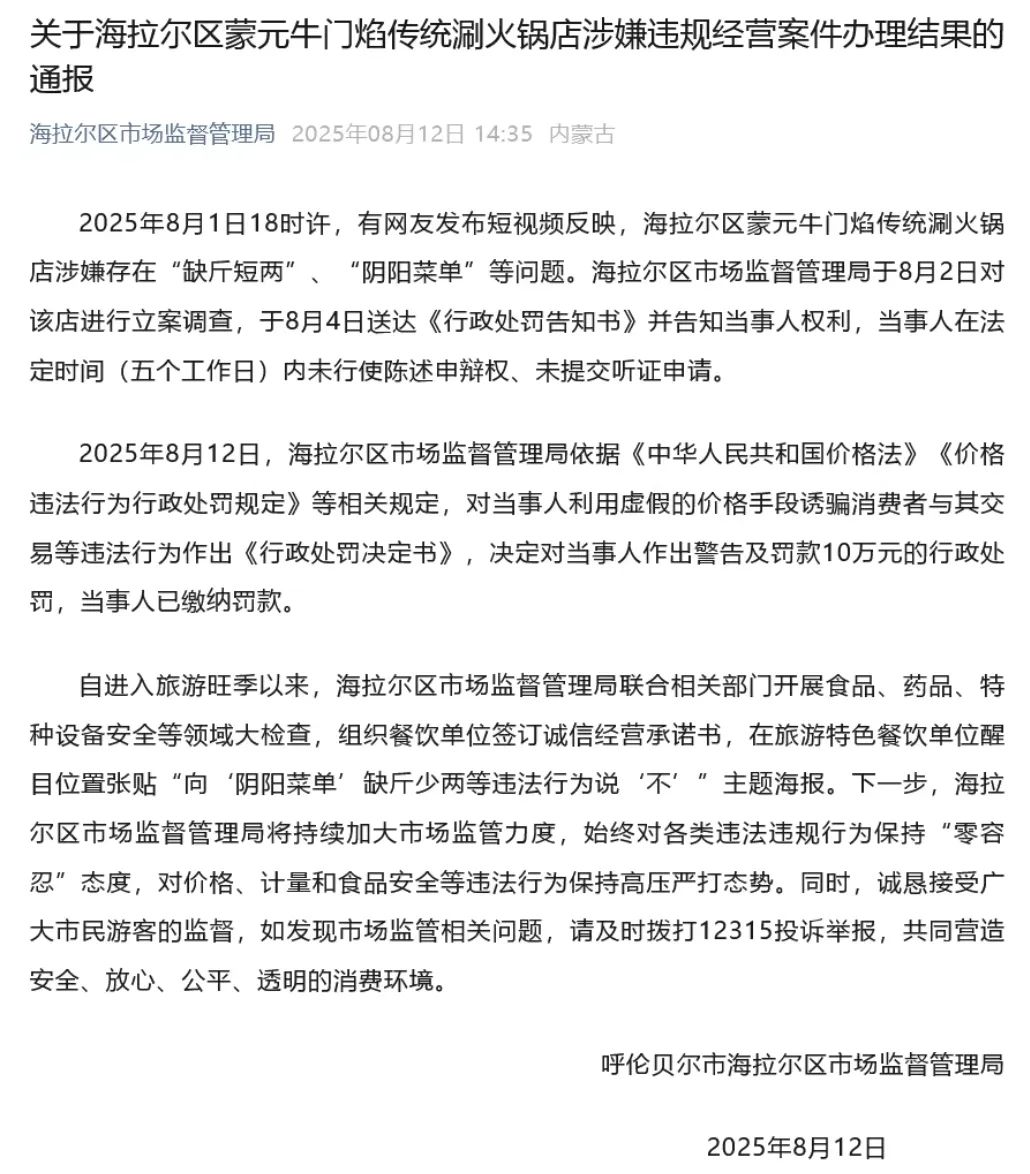
内蒙古一火锅店遭10万元处罚
Ren Min Ri Bao· 2025-08-12 22:29
《 人民日报 》( 2025年08月13日 13 版) 本报呼和浩特8月12日电 (记者赵景锋)8月12日,针对网友反映的内蒙古呼伦贝尔海拉尔区某火锅店 涉嫌存在"缺斤短两""阴阳菜单"等问题,海拉尔区市场监督管理局发布通报,决定对火锅店经营者作出 警告及罚款10万元的行政处罚。火锅店经营者目前已缴纳罚款。 据悉,8月1日,有网友发布短视频反映,海拉尔区某火锅店使用两份价格不同的菜单招待客人,本地客 人菜单的菜品价格普遍低于外地游客菜单的菜品价格,且存在缺斤短两情况。消费者提出疑问后,工作 人员称餐馆和部分旅行社有合作,本地客人是本地价,外地游客是另外的价格。8月2日,海拉尔区市场 监督管理局对该店进行立案调查,于8月4日送达《行政处罚告知书》并告知火锅店经营者权利,火锅店 经营者在法定时间(五个工作日)内未行使陈述申辩权、未提交听证申请。 (责编:牛镛、岳弘彬) ...
同一道菜,本地人198元外地人298元!官方通报火锅店“阴阳菜单”“缺斤少两”:罚款10万元,当事人已缴纳罚款
Mei Ri Jing Ji Xin Wen· 2025-08-12 14:55
Core Points - The Hailar District Market Supervision Administration issued a notice regarding the administrative penalty against the Mongolian Yuan Beef Hot Pot restaurant for illegal business practices [1] - The restaurant was found to have engaged in deceptive pricing practices, including "short weight" and "dual pricing" for local and non-local customers [4][7] - The restaurant was fined 100,000 yuan and has paid the penalty, with ongoing efforts to enhance market supervision and consumer protection [1][7] Summary by Sections Incident Overview - On August 1, 2025, a short video revealed that the restaurant was using "dual pricing," charging local customers 198 yuan for a dish while charging non-local customers 298 yuan, a price difference of 100 yuan [4] - The restaurant also misrepresented the weight of lamb, claiming 1600 grams but serving only 1174.5 grams and 1204 grams in two instances, highlighting significant short weight issues [4] Regulatory Response - Following the public outcry, the Hailar District Market Supervision Administration initiated an investigation on August 2, 2025, and confirmed the violations by August 4 [7] - The restaurant was penalized under the Price Law of the People's Republic of China for misleading consumers through false pricing tactics [1][7] Future Actions - The Hailar District Market Supervision Administration plans to continue rigorous market oversight, maintaining a "zero tolerance" policy towards various illegal activities, including pricing and food safety violations [1] - The administration encourages public reporting of market regulation issues to foster a safe and transparent consumer environment [1]