房地产中介

Search documents
让服务更加专业化,济南即将举行房地产中介行业职业技能竞赛
Qi Lu Wan Bao· 2025-08-29 09:29
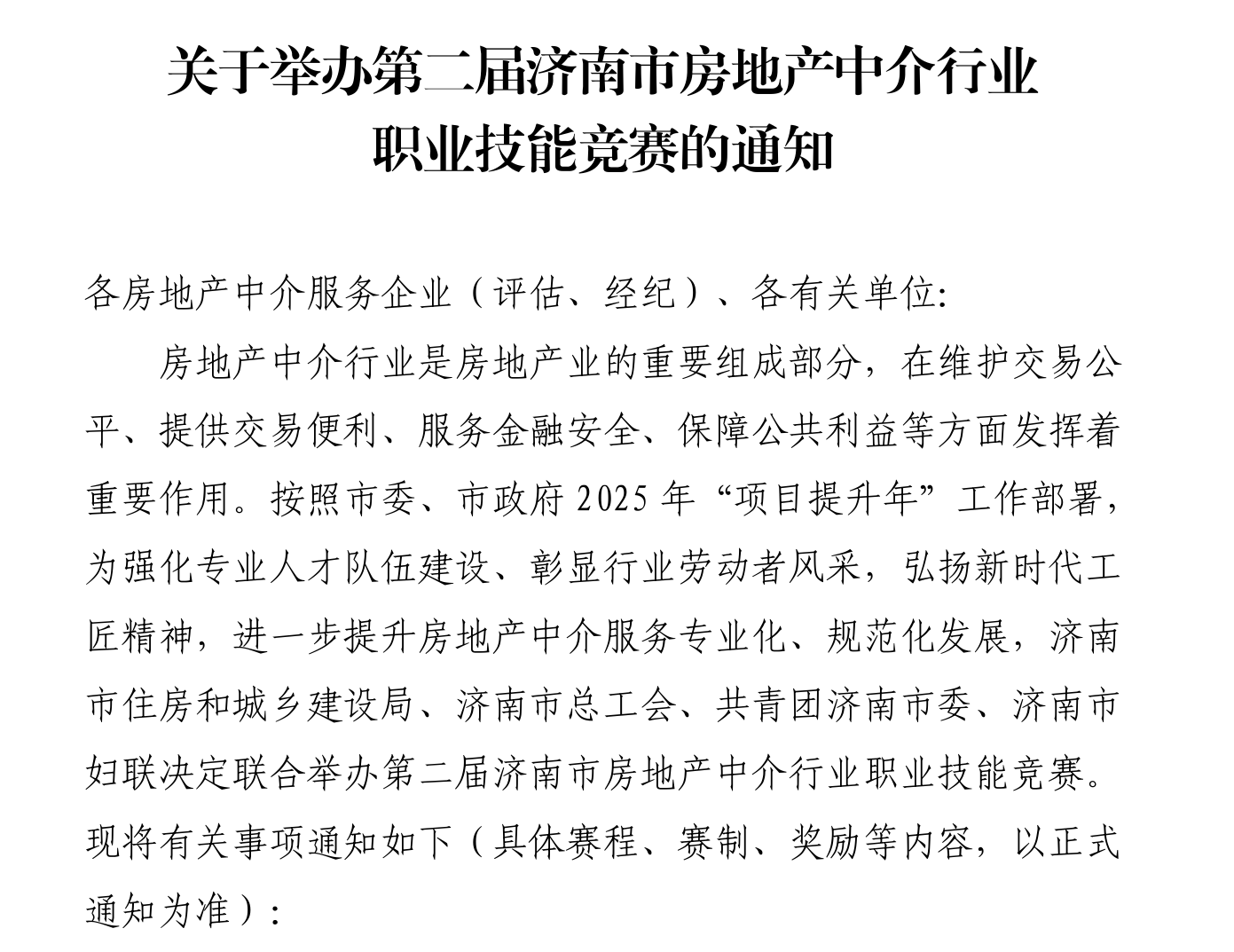
Group 1 - The second Jinan Real Estate Agency Industry Vocational Skills Competition will be jointly held by Jinan Housing and Urban-Rural Development Bureau, Jinan Federation of Trade Unions, Jinan Municipal Youth League, and Jinan Women's Federation in September 2025 to enhance the professional talent team and promote the spirit of craftsmanship in the new era [1] - The competition consists of three stages: theoretical assessment (preliminary), practical operation assessment (final), and awarding of prizes to winning teams and individuals [3] - The theoretical assessment for real estate agents will be a closed-book exam lasting 90 minutes, covering topics such as real estate agency introduction, professional basics, transaction policies, and business operations [3] Group 2 - The theoretical assessment for real estate appraisers will also be a closed-book exam lasting 90 minutes, covering topics like appraisal fundamentals, practical operations, regulations, and appraisal principles [4] - Participants must be registered employees of real estate appraisal or agency companies in Jinan, aged between 18 and 60, and hold relevant professional qualifications [4] - Each participating company can form a "brand representative team" with a maximum of 10 members, and if the number exceeds 20, they can form two teams [4]

中原地产:CCL最新报138.11点按周升0.15% 预计香港楼价将持续微升
Zhi Tong Cai Jing· 2025-08-29 09:13
Group 1 - The Central Plains City Leading Index (CCL) recently reported at 138.11 points, reflecting a weekly increase of 0.15%. The index is expected to reach a high of 139.25 points this year, with a current gap of 1.14 points or 0.83% [1] - The CCL's weekly increase has slowed down, with fluctuations observed over the past four weeks. Developers are actively promoting new properties, which has shifted market focus, while some second-hand property owners are narrowing their negotiation space, leading to a slowdown in transactions [1] - The Hong Kong interbank offered rate (HIBOR) fell in May, resulting in a slight increase in property prices. The CCL has seen nine increases and four decreases over the past 13 weeks, rising 2.18% from the low of 135.16 points [1] Group 2 - The Central Plains City Mass Index (CCL Mass) reported at 140.14 points, with a slight weekly increase of 0.07%. The CCL for small units is at 138.55 points, up 0.12% weekly, while the CCL for large units is at 135.78 points, marking a 0.30% increase, ending a four-week decline [2] - Property prices in four districts showed mixed results, with the CCL Mass for Hong Kong Island at 140.52 points, up 2.17%, while Kowloon and New Territories East and West experienced declines [2] - For 2025, the eight major property price indices indicate a cumulative increase of 0.34% for CCL, with CCL Mass up 1.46% and CCL for large units down 3.60% [2]
带我看房的中介 就一定是我的最终选择吗?什么行为构成“跳单” 法院判了
Mei Ri Jing Ji Xin Wen· 2025-08-29 02:30
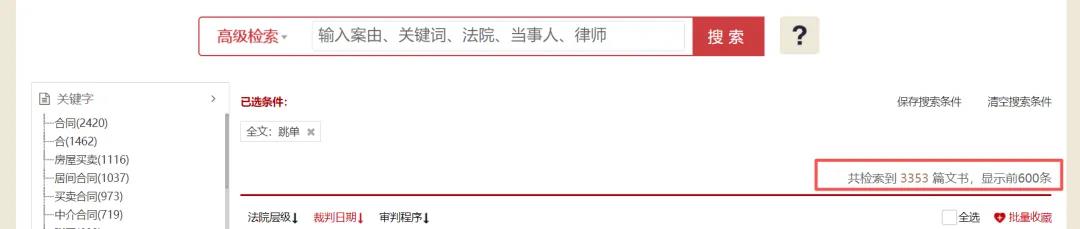
Core Viewpoint - The article discusses the legal implications of "jumping orders" in real estate transactions, highlighting various court cases that define the conditions under which such actions are considered a breach of contract [2][4][12]. Group 1: Definition and Legal Context - "Jumping orders" occurs when a client bypasses a real estate agent to directly negotiate with the property owner after utilizing the agent's services [2][4]. - Courts have established criteria for determining whether "jumping orders" has occurred, including the acceptance of intermediary services, the use of transaction opportunities provided by the intermediary, and the act of bypassing the intermediary to finalize a contract [4][12]. Group 2: Case Studies - In a case from Sichuan, a buyer utilized an agent's services to view a property but later signed a contract directly with the owner, leading the court to rule that this constituted "jumping orders" [2][3]. - Another case involved a company that viewed multiple properties through one agent but ultimately signed a lease through another agent, with the court ruling that the original agent's services were not substantial enough to warrant a "jumping orders" claim [4][5]. - A case in Guangzhou demonstrated a clear instance of "jumping orders," where both parties were found to have maliciously bypassed the agent after utilizing their services, resulting in a court ruling for the agent's compensation [11][12]. Group 3: Implications for Real Estate Agents - Real estate agents must provide substantial services beyond mere property viewing to establish a claim against clients for "jumping orders" [5][10]. - Documentation such as viewing records, communication logs, and evidence of service provision are crucial for agents to support their claims in court [12][13]. - The legal framework surrounding "jumping orders" emphasizes the importance of clear agreements and the nature of services provided by agents to protect their interests [12][13].
周期底部震荡延续,结构性布局正当时
2025-08-28 15:15
Summary of Conference Call Notes Industry Overview - The real estate market is currently experiencing a phase of stable volume but declining prices, indicating a cyclical bottom. New home transaction volumes as of July this year are flat year-on-year, while second-hand homes have shown a recovery due to price adjustments. [2] - The land supply and demand continue to decline, but local governments are attracting developers by offering quality land, leading to a noticeable increase in land transaction premium rates and floor prices this year. [2] Key Policy Signals - Recent policy changes include the cancellation of purchase restrictions outside the Fifth Ring Road in Beijing and the outer ring in Shanghai, indicating a potential for continued policy support. [3] - Future policy directions may include increased fiscal efforts to stimulate inflation and lowering actual mortgage rates to near zero, drawing lessons from Japan's experience. [3][7] - The potential for extraordinary policies includes raising the fiscal share of GDP to stimulate inflation and adjusting actual interest rates to zero, which could positively impact the market. [7][8] Investment Opportunities - In the current bottoming phase, several sectors are highlighted for investment: - Quality developers are expected to maintain sales capabilities and may emerge successfully from short-term policy expectations and long-term sales recovery. [5] - The Hong Kong real estate market shows potential for rebound due to supply contraction, policy support, and population inflow. [5][11] - Property management and commercial management companies are noted for their stable operations and profit growth, making them attractive for investment. [5][14] Housing Market Dynamics - New housing projects with low plot ratios and high usable areas are improving sales rates, while the second-hand housing market is seeing a strong trend of upgrading, although it faces significant price reduction pressures. [6] - The main transaction price range for second-hand homes is between 2-5 million, while new homes range from 3-7 million, indicating a shift towards upgrading. [6] Historical Insights for Investment Direction - Historical experiences from Japan, Hong Kong, and the U.S. provide insights into potential investment directions: - In Japan, construction companies performed well during recovery phases post-crisis. [9] - In Hong Kong, firms with a high proportion of non-development business showed stability and rental return improvements during downturns. [9] - In the U.S., leading real estate firms maintained market share and stability during recovery phases. [9] Specific Companies to Watch - Recommended developers include China Overseas, Jianfa International, China Resources, Greentown, Binjiang, and Jinmao. [15] - In the Hong Kong market, focus on companies like Thai and Home. [15] - For property management and commercial management, consider China Resources Vientiane Life, China Merchants Jinling, and Greentown Services. [15] - In the brokerage sector, Beike and Wo Ai Wo Jia are highlighted due to their benefits from the current market conditions. [15]
香港置业:预计8月香港逾500万至1千万港元二手住宅录约1300宗注册
智通财经网· 2025-08-28 13:29
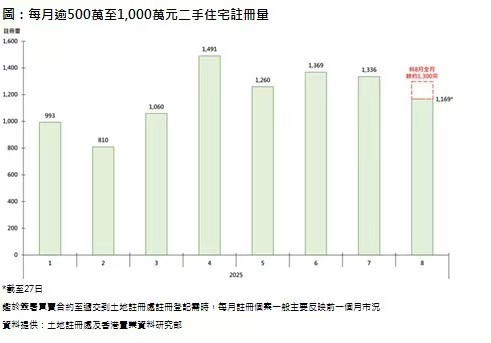
Core Insights - The number of registered second-hand residential properties in Hong Kong priced between HKD 5 million to HKD 10 million has increased to 1,169 registrations from August to date, representing a 6.5% increase compared to the same period last month [1][3] Group 1: Registration Trends - The projected total registrations for August are estimated to be around 1,300, indicating a stabilization at this level for three consecutive months [1] - In terms of regional performance, the New Territories recorded 594 registrations, a 1% increase from 588 last month; Kowloon saw 321 registrations, up 7.7% from 298; and Hong Kong Island reported 254 registrations, a significant increase of 19.8% from 212 [3] Group 2: Property Development Rankings - The top-ranked estate for registrations is Sun Hung Kai Properties' Daybreak City with 46 registrations, marking a 24.3% increase from 37 last month [4] - Mei Foo Sun Chuen ranks second with 22 registrations, a 29.4% increase from 17 [4] - Whampoa Garden ranks third with 21 registrations, which is a decrease of 22.2% from 27 last month [4]
客户9次看房后换中介成交,算不算“跳单”?法院判了
Mei Ri Jing Ji Xin Wen· 2025-08-27 15:58
Group 1 - The article discusses the legal definition and implications of "jumping orders" in real estate transactions, highlighting recent court cases that clarify what constitutes such behavior [2][3][4] - A case from Sichuan province illustrates that even without a written contract, a relationship can be established through actions such as viewing properties and receiving information from a real estate agent, leading to a ruling of "jumping orders" [2] - The Beijing court case emphasizes that three criteria must be met to determine "jumping orders": acceptance of intermediary services, utilization of the transaction opportunity or mediation services, and bypassing the intermediary to sign a contract [3] Group 2 - The Supreme Court's 2011 guiding case established that if a buyer obtains property information through legitimate means and completes a transaction without the intermediary's involvement, it does not constitute "jumping orders" [4] - A notable case involving a celebrity couple concluded that without evidence of a formal agreement, the claim of "jumping orders" was unfounded, reinforcing the idea that buyers can choose the intermediary that best suits their needs [5] - In another case from Liaoning, the court ruled that even without a written contract, the intermediary's services were crucial to the transaction, thus requiring the buyer to pay a fee [5] Group 3 - A case in Guangzhou demonstrated that both parties utilized the intermediary's services to facilitate a transaction, resulting in a ruling of malicious "jumping orders" and requiring payment of intermediary fees [6] - Legal experts suggest that evidence such as viewing records and communication logs can help intermediaries prove they provided essential services, which is critical in determining whether "jumping orders" occurred [6] - The article outlines that the key factors in assessing "jumping orders" include whether intermediary services were accepted, whether the intermediary's transaction opportunities were utilized, and whether the contract was signed directly, bypassing the intermediary [6]
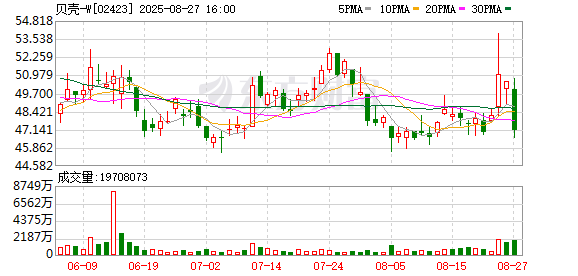
贝壳宣布扩大股份回购计划
Xin Hua Cai Jing· 2025-08-27 15:43
Financial Performance - Beike achieved a total transaction volume (GTV) of 878.7 billion RMB in Q2 2025, representing a year-on-year growth of 4.7% [2] - The company's net revenue reached 26 billion RMB, with a year-on-year increase of 11.3% [2] - Adjusted net profit for the quarter was 1.821 billion RMB [2] Share Buyback Program - Beike's board approved an expansion of the existing share buyback program, increasing the authorization from 3 billion USD to 5 billion USD, with the program extended until August 31, 2028 [2] - In Q2 2025, Beike repurchased approximately 250 million USD worth of shares [2] - For the first half of the year, the total expenditure on share buybacks was about 394 million USD, representing around 1.7% of the total shares outstanding as of the end of 2024 [2] - Since the initiation of the buyback program in September 2022, Beike has repurchased a total of 2.02 billion USD worth of shares, accounting for approximately 10.3% of the total shares outstanding prior to the program [2] Strategic Focus - Beike is leveraging a solid business foundation and diversified layout to achieve performance significantly better than the market [3] - The company is actively improving operations to maximize long-term value, with AI-driven refined operations and ecosystem optimization continuously releasing the platform's long-term potential [3] - The CFO emphasized the commitment to ongoing shareholder returns and sharing the value created by the company with its investors [3]
4类房地产洗钱方式将被严查
2 1 Shi Ji Jing Ji Bao Dao· 2025-08-27 14:27
Core Points - The Ministry of Housing and Urban-Rural Development and the People's Bank of China issued the "Management Measures for Anti-Money Laundering Work of Real Estate Practitioners," which sets regulations for anti-money laundering in the real estate sector [2][3] - The new measures require real estate developers and intermediaries to verify customer identities and report suspicious transactions, extending the record-keeping period for customer data from five to ten years [3][5] Group 1: Regulatory Framework - The new measures are the most detailed document issued by authorities regarding anti-money laundering in the real estate sector to date, reflecting the increasing complexity of money laundering methods in the industry [3][5] - The anti-money laundering regulatory framework in China has been expanding, with significant increases in prosecutions for money laundering crimes, reaching 2,971 prosecutions in 2023, nearly 20 times the number in 2019 [5][6] Group 2: Historical Context - The "Anti-Money Laundering Law" was enacted in 2006, primarily targeting financial institutions, but the focus has shifted to include real estate and other non-financial sectors due to the evolving methods of money laundering [6][7] - Previous regulations required real estate practitioners to retain customer identity information for five years, which has now been extended to ten years under the new measures [3][6] Group 3: Money Laundering Methods - Real estate is a common avenue for money laundering due to its capital-intensive nature and large transaction sizes, with methods including using "straw buyers" and shell companies to obscure the source of funds [9][10][11] - The complexity of money laundering schemes in real estate has increased, with more sophisticated methods and cross-border transactions becoming prevalent [11] Group 4: Future Implications - The implementation of local versions of anti-money laundering measures in real estate is expected to follow, with cities like Beijing already having established guidelines [12][13] - The new measures are anticipated to enhance the operational capabilities of real estate practitioners in complying with anti-money laundering regulations, thereby increasing the overall effectiveness of the regulatory framework [11][12]
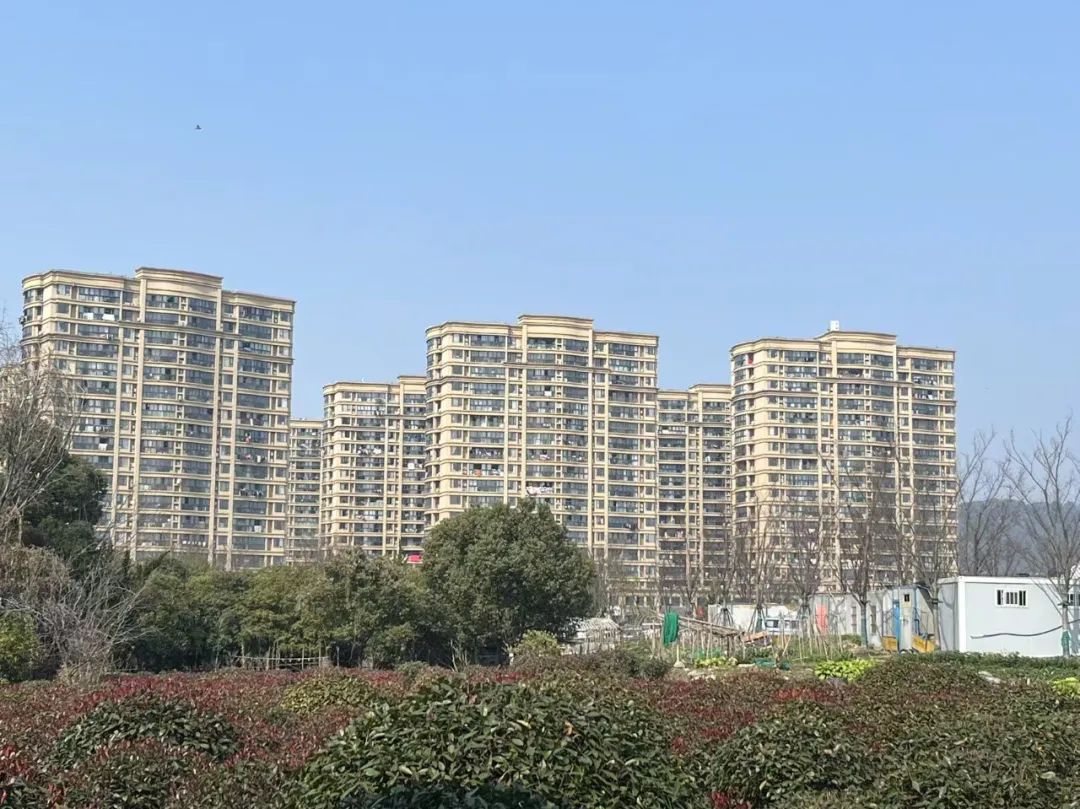
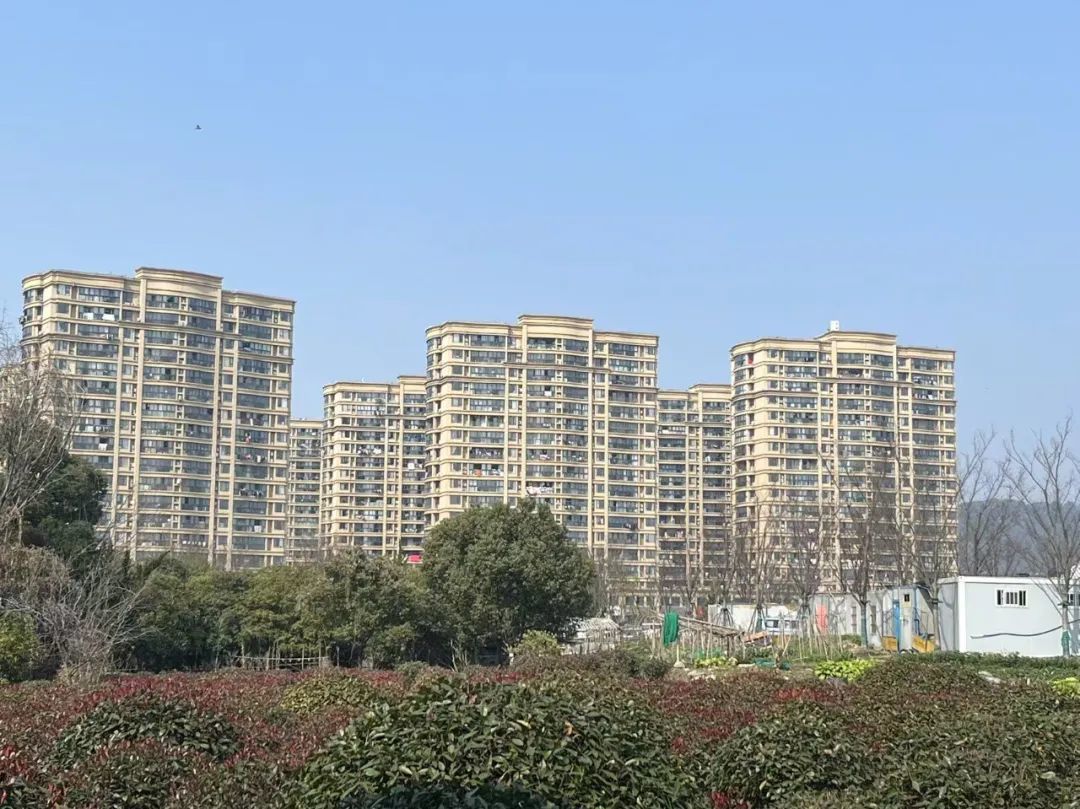
客户9次看房后换中介成交,算“跳单”还是“货比三家”?
Mei Ri Jing Ji Xin Wen· 2025-08-27 14:22
Core Viewpoint - The article discusses the legal implications of "jumping orders" in real estate transactions, highlighting various court cases that define the conditions under which such actions are considered a breach of contract [2][4][6]. Group 1: Definition and Legal Cases - "Jumping orders" occurs when a client bypasses a real estate agent to finalize a deal directly with the property owner, often leading to disputes over commission fees [2][5]. - A case from Sichuan Province illustrates that even without a written contract, a relationship can be established through actions such as viewing properties and receiving information, leading to a ruling of "jumping orders" [2][6]. - The Beijing First Intermediate Court case emphasizes that three criteria must be met to determine "jumping orders": acceptance of intermediary services, utilization of transaction opportunities, and bypassing the intermediary to sign a contract [6][12]. Group 2: Court Rulings and Precedents - The Supreme Court's 2011 guiding case established that if a buyer obtains property information through legitimate means and completes a transaction without the intermediary, it does not constitute "jumping orders" [6][7]. - In a recent case, a company that used one intermediary but signed a lease with another was ruled not to have committed "jumping orders" due to the lack of exclusive service and the higher rent negotiated with the second intermediary [5][6]. - Another case in Guangzhou demonstrated that both parties involved in a transaction that occurred after the exclusivity period of a contract were found to have maliciously "jumped orders," resulting in a court ruling for the payment of commission fees [12][13]. Group 3: Implications for Real Estate Agents - Real estate agents are advised to document their services, including communication records and viewing confirmations, to establish their role in facilitating transactions and protect their commission rights [12][13]. - The article suggests that the determination of "jumping orders" hinges on whether the client accepted the intermediary's services, utilized the provided transaction opportunities, and subsequently bypassed the intermediary [12][13].
4类房地产洗钱方式将被严查
21世纪经济报道· 2025-08-27 13:31
Core Viewpoint - The introduction of the "Anti-Money Laundering Work Management Measures for Real Estate Practitioners" aims to strengthen anti-money laundering efforts in the real estate sector, addressing the increasing complexity of money laundering methods and enhancing regulatory compliance [1][2][4]. Group 1: Regulatory Framework - The new measures prohibit real estate developers and intermediaries from selling properties or providing brokerage services to clients with unclear identities, allowing them to refuse service if clients do not provide identification [1]. - The retention period for customer identity information and transaction records has been extended from five years to ten years, reflecting a more stringent regulatory approach [2][6]. - The measures are part of a broader trend of expanding anti-money laundering regulations in China, which have been increasingly detailed and comprehensive over the years [4][7]. Group 2: Trends in Money Laundering - Money laundering through real estate is characterized by large transactions, making the sector a common avenue for illicit funds [9]. - Common methods of laundering money in real estate include splitting purchases into smaller transactions, selling properties at a loss to relatives, and using shell companies to disguise the source of funds [10]. - Recent trends indicate that money laundering methods have become more sophisticated and intertwined with financial instruments, necessitating updates to existing laws and regulations [10]. Group 3: Implementation and Future Directions - The new measures are expected to enhance the legal responsibilities of real estate practitioners, with a focus on detailed operational guidelines and the division of responsibilities among regulatory bodies and industry associations [11]. - Local adaptations of these anti-money laundering measures are anticipated, with cities like Beijing already having established preliminary frameworks for implementation [11].