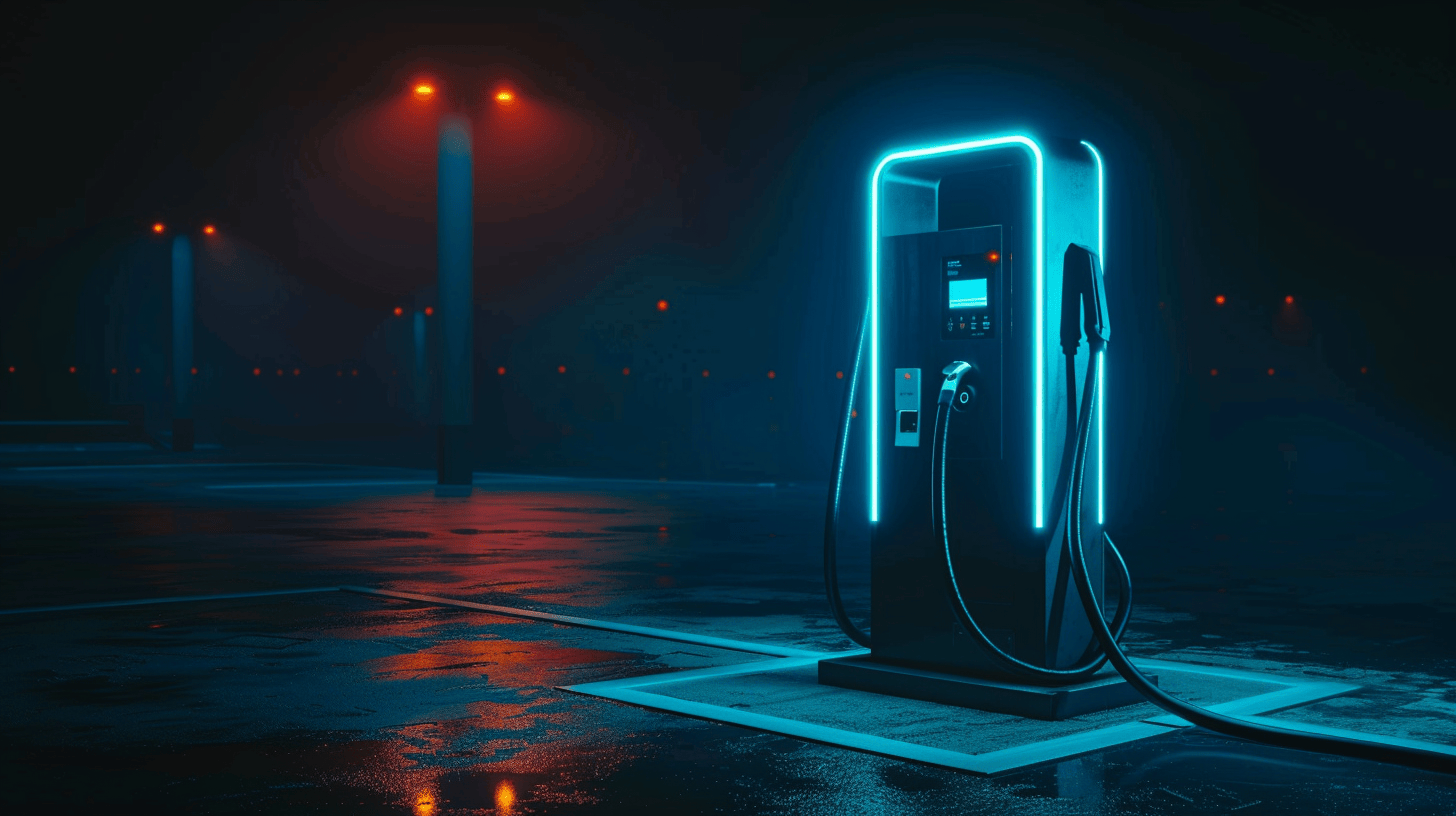
充电桩

Search documents
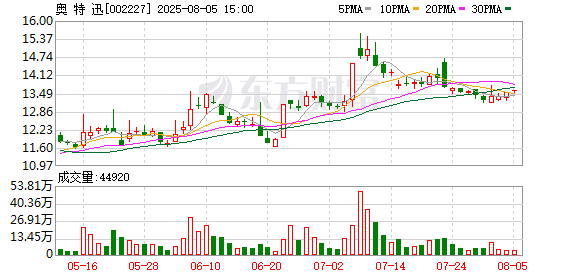
奥 特 迅:茂名南站充电桩项目正处于中标公告阶段,项目总金额为500多万元,未达披露标准
Mei Ri Jing Ji Xin Wen· 2025-08-05 08:38
每经AI快讯,有投资者在投资者互动平台提问:茂名南站5000多万元的充电桩中标订单,奥特迅占比 多少 奥特迅(002227.SZ)8月5日在投资者互动平台表示,您好,感谢您对公司的关注。该项目目前正处于 中标公告阶段,项目总金额为500多万元,未达披露标准。如公司中标或签订的合同金额达到信息披露 标准,公司将及时履行信息披露义务。 (文章来源:每日经济新闻) ...


充电桩变 “僵尸桩”:2000 万台设备背后的充电焦虑
3 6 Ke· 2025-08-05 05:58
Core Insights - The article highlights the growing issue of "zombie charging stations" in China, where many charging facilities are either non-functional or underutilized, despite the increasing number of electric vehicles and charging stations [2][3][5] Group 1: Current Situation - As of 2025, China is projected to have nearly 40 million electric vehicles and over 20 million charging stations, achieving a car-to-station ratio of 2:1, yet many stations are not operational [2] - A survey in a northern provincial capital found that out of 20 public charging stations, 6 were completely unusable, and 4 had insufficient power, severely affecting daily travel for EV owners [2][3] - In first-tier cities, the charging station availability is around 85%, while in lower-tier cities, it often drops below 50%, with highway service areas showing even worse conditions [3] Group 2: Causes of "Zombie Stations" - The problem stems from multiple factors, including flawed subsidy mechanisms that incentivize quantity over quality, leading to poorly maintained stations [4] - The charging service industry has seen a brutal market shakeout, with 37 operators exiting the market, leaving behind neglected facilities [4] - Outdated technology standards contribute to the issue, as many early-installed charging stations are now obsolete and unable to meet current vehicle charging needs [3][4] Group 3: Impact on the Industry - The proliferation of "zombie stations" negatively affects user experience, with a reported satisfaction score of only 68 out of 100 for EV owners, a decline of 11 points from 2023 [5] - An estimated investment of over 60 billion yuan is tied up in non-functional charging stations, which not only fail to generate returns but also incur ongoing maintenance costs [5] Group 4: Solutions and Recommendations - A shift in policy focus from construction to operation is necessary, with incentives for operational efficiency rather than just installation [6] - Implementing a comprehensive lifecycle management system for charging facilities, including mandatory inspections and real-time monitoring, can improve operational reliability [6] - Promoting technological innovation and standardization in maintenance practices is crucial, as demonstrated by successful initiatives like AI-based monitoring systems [7] - Exploring diversified business models, such as integrating leisure services at charging stations, can enhance user experience and increase revenue [7]
斥1.18亿元,铭普光磁拟入股深圳ABB电动交通
Mei Ri Jing Ji Xin Wen· 2025-08-04 14:21
Core Viewpoint - Mingpu Guangci plans to acquire 60% equity of Shenzhen ABB Electric Transportation for approximately 118 million yuan, aiming to enhance its position in the electric vehicle charging market [1][5]. Company Overview - Shenzhen ABB Electric Transportation is a wholly-owned subsidiary of ABB Group, focusing on the research, production, and sales of electric vehicle charging solutions, serving clients globally [2][3]. - The company has a significant presence in the electric vehicle charging market, providing comprehensive solutions including hardware, software, and services [2][3]. Financial Performance - As of the end of 2024, Shenzhen ABB Electric Transportation reported total assets of 670 million yuan, total liabilities of 418 million yuan, and a net asset value of 252 million yuan [3]. - The company experienced a net loss of approximately 83.28 million yuan in 2024, but showed signs of recovery with a net profit of approximately 1.71 million yuan in the first quarter of 2025 [3]. Strategic Importance - The acquisition is seen as a critical move for Mingpu Guangci to reverse its ongoing losses, with expectations of leveraging Shenzhen ABB Electric Transportation's established market presence and technological capabilities [5][6]. - The electric vehicle charging market is projected to continue expanding due to policy incentives, technological advancements, and increasing demand [5]. Future Prospects - There is a potential for Mingpu Guangci to acquire the remaining 40% equity of Shenzhen ABB Electric Transportation after a lock-up period, which could lead to full ownership and further integration of operations [6]. - The collaboration is expected to enhance operational efficiency and strengthen market presence in overseas markets, particularly in Europe and Southeast Asia [6].
铭普光磁拟1.18亿元收购深圳ABB电动交通,助力国际化进程
Ju Chao Zi Xun· 2025-08-04 03:23
Core Viewpoint - Mingpu Optoelectronics plans to acquire 60% equity of Shenzhen ABB Electric Transportation Technology Co., Ltd. for approximately 118 million yuan, aiming to enhance its market position in the electric vehicle charging sector [2][3] Group 1: Acquisition Details - The acquisition agreement was signed on August 1, 2025, and upon completion, Mingpu will consolidate the target company into its financial statements [2] - The total enterprise value of the target company is determined to be 140 million yuan, with the 100% equity value set at 197 million yuan, making the 60% equity value approximately 118 million yuan [3] Group 2: Target Company Overview - The target company specializes in global AC charging and DC charging business, providing comprehensive charging solutions to over 70 countries, including hardware, software, and services [2] - As of December 31, 2024, the target company reported total assets of 669.59 million yuan, total liabilities of 418.00 million yuan, and a net asset value of 251.59 million yuan, with a revenue of 363.72 million yuan and a net loss of 83.28 million yuan [2] - By March 31, 2025, the target company’s total assets increased to 723.45 million yuan, with total liabilities of 454.74 million yuan and a net asset value of 268.71 million yuan, achieving a revenue of 54.23 million yuan and a net profit of 17.12 million yuan for the first quarter [3] Group 3: Strategic Synergies - The acquisition is expected to create strong synergies in supply chain and channel management, particularly in the magnetic components required for charging stations [3] - Mingpu Optoelectronics aims to leverage the target company's overseas sales channels to enhance its international business development, particularly in key markets such as Europe and Southeast Asia [3]
铭普光磁(002902.SZ):公司拟以1.18亿元购买ABB电动交通60%股权
Xin Lang Cai Jing· 2025-08-04 02:03
Group 1 - The company Mingpu Optoelectronics (002902.SZ) announced plans to acquire 60% equity of Shenzhen ABB Electric Transportation Technology Co., Ltd. for approximately 118 million yuan [1] - Upon completion of the acquisition, the company will consolidate the target company into its financial statements [1] - The target company is part of ABB E-Mobility B.V. and specializes in global AC charging and DC charging business, providing comprehensive product R&D, production, and sales capabilities [1] Group 2 - The target company offers one-stop charging solutions, including hardware (AC, DC, etc.), software (CPMS charging pile management software), and services (installation, Charging as a Service) to over 70 countries [1] - In 2024, nearly two-thirds of the target company's sales revenue is expected to come from overseas markets [1]
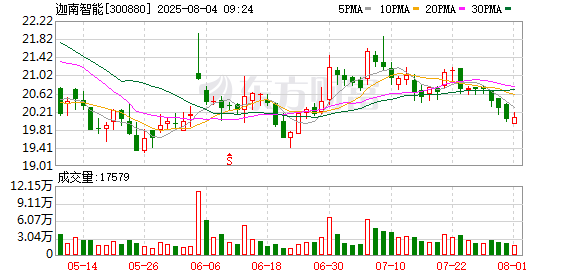
迦南智能:政策驱动10万台目标 大功率快充布局蓄力增长新动能
Zheng Quan Shi Bao Wang· 2025-08-04 01:23
Core Viewpoint - The demand for high-efficiency, compatible high-power charging solutions is increasing due to the rising penetration of electric vehicles and the accelerated adoption of high-voltage platform models. The government has issued a directive to promote the scientific planning and construction of high-power charging facilities, aiming to establish over 100,000 units by the end of 2027, addressing the industry's low energy replenishment efficiency and outlining a transition path towards high-power, high-safety, and high-efficiency charging infrastructure [2]. Group 1: Industry Developments - The National Development and Reform Commission and other departments have issued a notice to promote the construction of high-power charging facilities, targeting over 100,000 units with a power rating of 250 kW or more by the end of 2027 [2]. - The notice aims to address the industry's pain points regarding low energy replenishment efficiency and outlines a clear evolution path for charging infrastructure [2]. Group 2: Company Initiatives - Canaan Intelligent (300880.SZ) is seizing industry opportunities with its subsidiary, Cachan New Energy, which has launched intelligent ultra-fast charging equipment to meet market demand [2]. - Cachan New Energy's product range includes two series of charging devices, IP65 independent air duct and IP55 direct air duct, available in integrated and split forms to cater to various deployment scenarios [2]. Group 3: Technological Advancements - The charging equipment offers a power range from 40 kW to 800 kW and supports flexible configurations of 2 to 16 charging guns, maximizing charging power utilization through a full matrix power distribution technology [3]. - The conventional fast-charging self-cooling gun can output up to 350 kW, while the ultra-fast liquid-cooled gun can reach 800 kW, meeting the fast-charging needs of mainstream electric vehicles [3]. - For special vehicles like heavy trucks, a dedicated 1.6 MW high-power charging device fills a technical gap in rapid energy replenishment [3]. Group 4: Operational Management - Cachan Intelligent's ultra-fast charging equipment features an innovative multi-mode dynamic scheduling system that integrates three core strategies: FCFS (First Come First Serve), MPO (Maximum Power Output), and FRT (Fast Turnaround), enhancing user experience by addressing issues like long wait times [3]. - The system can flexibly switch strategies based on different operational scenarios, providing a comprehensive smart operation solution for charging stations [3]. Group 5: Capacity and Industry Chain Layout - Canaan Intelligent is increasing its production capacity with a new project in Ningbo Cixi, set to start in April 2025, with an annual production capacity of 50,000 high-power supercharging piles and a total investment of 466 million yuan [4]. - The project focuses on three main areas: ultra-fast charging equipment, core energy storage components, and energy management software, aiming to transition from a single equipment supplier to an "energy comprehensive service provider" [4]. - The company's strategic positioning in the high-power fast charging sector, along with intelligent solutions and steady capacity expansion, is expected to drive significant growth in its new energy business segment [4].

铭普光磁拟约1.18亿元购买深圳ABB电动交通科技有限公司60%股权
Zhi Tong Cai Jing· 2025-08-03 16:28
Core Viewpoint - Mingpu Optoelectronics plans to acquire 60% equity of Shenzhen ABB Electric Transportation Technology Co., Ltd. for approximately 118 million yuan, which will enhance its operational efficiency and competitive advantages in the charging pile market [1] Group 1: Acquisition Details - The acquisition agreement was signed on August 1, 2025, and upon completion, Mingpu will consolidate the financials of the target company [1] - The target company is a subsidiary of international giant ABB, specializing in electric vehicle charging solutions [1] Group 2: Market Outlook - The charging pile market is expected to maintain rapid expansion driven by policy incentives, technological advancements, and downstream demand [1] - The target company possesses strong performance foundations, brand strength, a diverse product portfolio, a complete AC/DC technology stack, and a high-quality overseas customer base [1] Group 3: Strategic Advantages - The acquisition will leverage Mingpu's strong local industry foundation and management system to enhance operational efficiency [1] - The deal is anticipated to strengthen channel operations, customer expansion, and supply chain integration, leading to promising future performance growth [1]
铭普光磁(002902.SZ)拟约1.18亿元购买深圳ABB电动交通科技有限公司60%股权
智通财经网· 2025-08-03 16:25
Group 1 - The company Mingpu Optoelectronics plans to acquire 60% equity of Shenzhen ABB Electric Transportation Technology Co., Ltd. for approximately 118 million yuan [1] - Following the acquisition, the company will consolidate the target company into its financial statements [1] - The charging pile market is expected to maintain rapid expansion driven by policy dividends, technological iterations, and downstream demand [1] Group 2 - The target company, as a subsidiary of international giant ABB, possesses strong performance foundations, brand strength, a rich product portfolio, a complete AC and DC technology stack, and a high-quality overseas customer base [1] - The buyer's status as a major shareholder in a future Sino-foreign joint venture, combined with its strong local industry foundation and management system, is expected to enhance the operational efficiency of the target company [1] - The acquisition is anticipated to strengthen core competitive advantages in channel operations, customer expansion, and supply chain integration, leading to promising future performance growth [1]
铭普光磁拟1.18亿收购深圳ABB电动交通60%股权,布局充电桩全球市场
Sou Hu Cai Jing· 2025-08-03 15:42
Group 1 - The core point of the news is that Mingpu Optoelectronics plans to acquire 60% of Shenzhen ABB Electric Transportation Technology Co., Ltd. for approximately 118 million yuan, which will be included in its consolidated financial statements after the acquisition [1] - The target company, Shenzhen ABB Electric Transportation, serves as the global AC charging and China DC charging business carrier for ABB E-Mobility B.V., with a complete product R&D, production, and sales system covering over 70 countries [3] - As of March 31, 2025, Shenzhen ABB Electric Transportation had total assets of 723 million yuan, total liabilities of 455 million yuan, and net assets of 269 million yuan, with revenue of 54.43 million yuan and net profit of 17.12 million yuan for Q1 2025 [3] Group 2 - The charging pile market is expected to maintain rapid expansion driven by policy incentives, technological advancements, and downstream demand, with a direct correlation between the market size and the increase in charging piles [4] - Mingpu Optoelectronics' core business in magnetic components aligns with the target company's operations, creating significant industrial chain synergy [4] - The acquisition will enhance Mingpu Optoelectronics' overseas business development, particularly in key markets such as Europe and Southeast Asia, thereby advancing its internationalization strategy [4]
铭普光磁1.18亿收购深圳ABB电动交通60%股权,布局充电桩产业链
Sou Hu Cai Jing· 2025-08-03 15:36
Core Viewpoint - Mingpu Optoelectronics plans to acquire 60% equity of Shenzhen ABB Electric Transportation Technology Co., Ltd. for approximately 118 million yuan, which will be included in the consolidated financial statements after the acquisition is completed [1] Company Overview - Shenzhen ABB Electric Transportation Technology Co., Ltd. is part of ABB E-Mobility B.V. and focuses on global AC and DC charging business, providing comprehensive charging solutions to customers in over 70 countries [3] - The company has a total asset of 723 million yuan, total liabilities of 455 million yuan, and net assets of 269 million yuan as of March 31, 2025 [3] - For the first quarter of 2025, the company achieved operating revenue of 54.23 million yuan, total profit of 16.39 million yuan, and net profit of 17.12 million yuan [3] Industry Synergy Analysis - The charging pile market is expected to maintain rapid expansion driven by policy incentives, technological advancements, and downstream demand [4] - There is strong synergy between Shenzhen ABB Electric Transportation and Mingpu Optoelectronics in supply chain and channel aspects, as charging piles require multiple magnetic components [4] - The acquisition will provide Mingpu Optoelectronics with mature overseas customer resources and sales networks, facilitating its global expansion efforts, particularly in Europe and Southeast Asia [4]