医疗护理

Search documents
广西医疗护理员改革破解“一老一小”护理难题
Guang Xi Ri Bao· 2025-05-16 02:48
Core Viewpoint - Guangxi is advancing the reform of medical caregivers, aiming to cover over 60% of medical institutions in the region by the end of the year, addressing the caregiving challenges for the elderly and children [1][2][3] Group 1: Reform Initiatives - Guangxi has prioritized the training and management of medical caregivers as a public service initiative for two consecutive years, allocating 15 million yuan for vocational training and certification [1][2] - The region has established an innovative "654321" reform model, which includes six unifications, five systems, and three bottom lines to effectively tackle the issues of caregiving difficulty and cost [2] Group 2: Achievements and Metrics - The number of medical caregivers under standardized management has significantly increased from 1,666 to 3,527 in the pilot institutions, indicating a growing employment capacity [2] - The number of individuals holding relevant vocational skill certificates surged by 279%, from 917 to 3,476, marking the end of the history of unregulated caregiver certification [2] - Patient and caregiver satisfaction rates have risen, with an average satisfaction rate of 97% among patients and their families [2] - Hospital care costs have decreased by approximately 30% compared to private one-on-one caregiver services, making it more affordable for patients to hire medical caregivers [2] Group 3: Future Plans - In 2023, Guangxi plans to allocate 108.5 million yuan to expand the coverage of caregiver training and management reforms to over 60%, with a target of training 25,000 individuals and achieving a satisfaction rate of over 98% [3] - The initiative aims to enhance the quality of caregiving services and explore expansion into elderly care and maternal-infant care sectors, contributing to the overall health and employment quality in Guangxi [3]
广东率先成立免陪照护医院联盟
Nan Fang Ri Bao Wang Luo Ban· 2025-05-13 08:26
Group 1 - The concept of "unaccompanied care" is gaining traction in the healthcare sector, with 110 hospitals in Guangdong forming an alliance to explore its operational mechanisms and quality control standards [1] - The alliance aims to provide sustainable solutions for China's aging society by integrating medical, nursing, and daily care services through professional caregivers [1] - The initiative is supported by the Guangdong Provincial Nurses Association, which emphasizes the importance of replicable and scalable models for unaccompanied care [1] Group 2 - The Guangdong Provincial Nursing Department announced a plan to train 1,000 unaccompanied care designers and 10,000 health caregivers within three years, collaborating with vocational schools and medical institutions [2] - The unaccompanied care designers will be selected from top nursing management personnel to participate in the design and standardization of unaccompanied care services [2] - A partnership was established between the Guangdong Provincial Nurses Association and China People's Property Insurance Company to explore new insurance models that could cover unaccompanied care service costs [2] Group 3 - Starting from April this year, Guangdong public hospitals have implemented pricing standards for unaccompanied care services, aiming to alleviate public concerns regarding costs [2] - The province is working on improving payment mechanisms to encourage insurance companies to include unaccompanied care service fees in commercial insurance [2] - The initiative includes the development of new insurance products or the optimization of existing ones to cover related costs of unaccompanied care services [2]
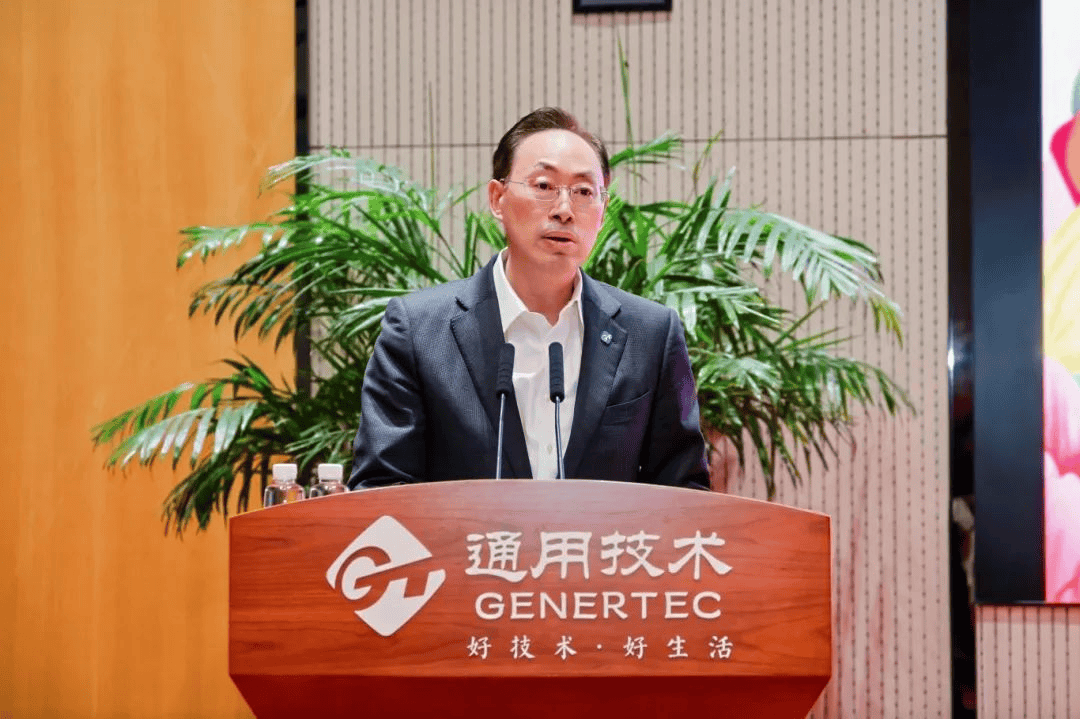
通用技术集团举办2025年国际护士节庆祝大会
Sou Hu Cai Jing· 2025-05-12 08:14
Core Viewpoint - The event held by China General Technology Group on May 10 celebrated International Nurses Day and emphasized the importance of nursing in the healthcare sector, highlighting the commitment to improving nursing services and supporting healthcare workers [1][4]. Group 1: Importance of Nursing - Nursing is identified as a crucial foundation for the development of the Group's healthcare and elderly care business, serving as a key defense for public health [4]. - The Group aims to enhance the quality of nursing services and integrate healthcare and elderly care industries, aligning with national health strategies [4]. Group 2: Call to Action for Nurses - The Group encourages nurses to uphold the spirit of Florence Nightingale, providing high-quality, efficient, and professional care to patients [4]. - There is a focus on deepening reform and innovation in nursing to achieve high-quality development, transitioning from labor-intensive to smart and precise nursing services [4]. - The Group emphasizes the importance of responsibility and mission in nursing, aiming to improve patient experiences through technological innovation and humanistic care [4]. Group 3: Recognition and Support - The event recognized outstanding nursing teams and individuals, showcasing the dedication and achievements of nursing professionals [6]. - The Group plans to create a "nurse-friendly" professional ecosystem and a comprehensive training system to support nurses [5]. - The launch of the "White Paper on Improving Nursing Services" marks a significant step in enhancing nursing care within the Group [6][8]. Group 4: Educational Initiatives - The third session of the General Health Forum was held, featuring reports on advanced nursing concepts and technological innovations to broaden the professional perspectives of nursing staff [8].