
文化旅游

Search documents
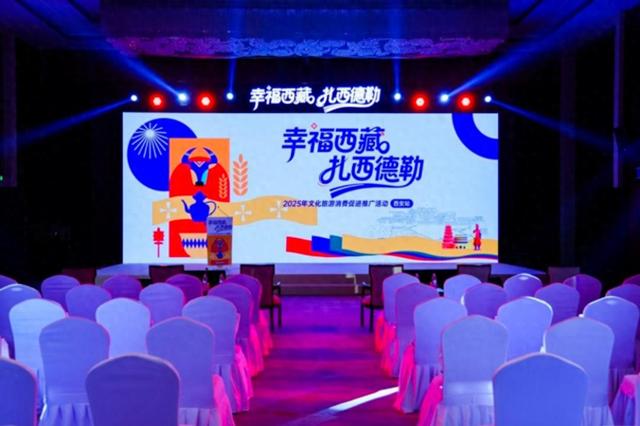
幸福西藏 扎西德勒架起合作桥梁,陕藏联动激活文旅发展新动能
Xin Lang Cai Jing· 2025-12-21 09:22
Core Viewpoint - The "Happy Tibet Zhashidele" cultural tourism promotion event held in Xi'an aims to showcase the unique charm of Tibetan culture and tourism, establishing a cross-regional cooperation mechanism to boost the cultural tourism industry in the northwest and southwest regions of China [1][10]. Group 1: Event Overview - The event was organized by the Tibet Autonomous Region's Department of Culture and Tourism, with support from Shaanxi Province's Department of Culture and Tourism [3]. - It featured an immersive cultural space combining intangible cultural heritage experiences, food tasting, and cultural product exhibitions, highlighting the rich heritage of Tibetan culture [3][5]. - Nearly 50 quality travel agencies from Shaanxi participated, creating a vibrant atmosphere for discussions and exchanges [3]. Group 2: Promotion Activities - The event included diverse interactive experiences, such as traditional Tibetan printing demonstrations and tasting of local delicacies like butter tea and Tibetan yogurt [5]. - A special promotion for the Ali region showcased its unique natural and cultural resources, attracting significant attention from travel agencies [3][7]. - Tibet Airlines promoted various flight routes, including seasonal routes to Tibet, enhancing travel connectivity [7]. Group 3: Cultural Integration - A flash mob performance by Tibetan artists at the iconic Big Wild Goose Pagoda symbolized the cultural integration between Shaanxi and Tibet under the Belt and Road Initiative [10]. - The event exemplified the implementation of the cultural power strategy and the high-quality development of the cultural tourism industry in Tibet [10]. Group 4: Future Directions - The Tibet Autonomous Region's Department of Culture and Tourism plans to deepen cross-regional cooperation and promote the integration of Chinese culture with highland ecology [11]. - The initiative aims to expand the "Happy Tibet Zhashidele" brand to a broader stage, enhancing its appeal and impact [11].

巴蜀文化旅游走廊建设首轮规划期满,成效鲜明 川渝携手贯通三条跨省文旅廊道
Si Chuan Ri Bao· 2025-12-21 01:39
Core Insights - The construction of the Bashu Cultural Tourism Corridor is a key component of the Chengdu-Chongqing economic circle, with significant achievements in collaborative mechanisms, spatial structure, and cultural preservation [2] Group 1: Planning and Development - The first round of planning goals for the Bashu Cultural Tourism Corridor has been successfully achieved, including over 100 million visits from residents and tourists [1] - The development framework of "dual cores, three belts, seven zones, and multiple lines" has been fully implemented, connecting three cross-provincial cultural tourism corridors [2] Group 2: Cultural and Legislative Initiatives - Collaborative efforts have led to the legislative advancement of Sichuan Opera, marking a national first in inter-provincial cultural legislation [2] - Major cultural projects, such as the Longjiang National Cultural Park and the Sichuan and Chongqing Stone Carving National Heritage Park, are progressing steadily [2] Group 3: Brand Development and Promotion - The joint promotion of the "Anyi Sichuan · New Rhythm Chongqing" cultural tourism brand aims to create over 70 themed boutique routes and 65 new international consumption scenarios [3][5] - The Bashu Cultural Tourism Corridor will see the launch of over 1,780 themed trains to enhance regional tourism connectivity [3] Group 4: Future Initiatives - The next phase of the Bashu Cultural Tourism Corridor will focus on eight key areas, including the creation of a cultural ecological protection zone and the enhancement of public service sharing [4] - The initiative will align with the national "14th Five-Year Plan" to strengthen the integration of cultural and tourism development [4]
烟台2025冬季消费季正式启动!计划举办各类促消费活动超百场
Qi Lu Wan Bao· 2025-12-21 01:37
Group 1 - The "2025 Winter Consumption Season" was launched in Yantai to stimulate winter consumer potential and enhance citizen consumption experiences [1][4] - The event will focus on six main themes: "Winter Celebration, Winter Shopping, Winter Flavors, Winter Competitions, Winter Tourism, and Winter Living," aiming to create a comprehensive activity matrix with over 100 promotional events [1][3] - The initiative includes significant financial support, with over 30 million yuan allocated for automotive consumption vouchers and 20 million yuan for "Double Festival" consumer vouchers [3] Group 2 - Various activities will be organized, including a community New Year goods fair, a culinary festival, and a winter sports event, to meet diverse consumer needs [3] - The housing sector will play a crucial role, with eight quality development companies showcasing diverse housing products and offering promotional policies for winter [3][4] - The city aims to enhance consumer experience and release consumption potential, transforming the winter season into a peak consumption period [4]
2025嘉兴冬季文旅消费季火热开启
Xin Lang Cai Jing· 2025-12-21 00:07
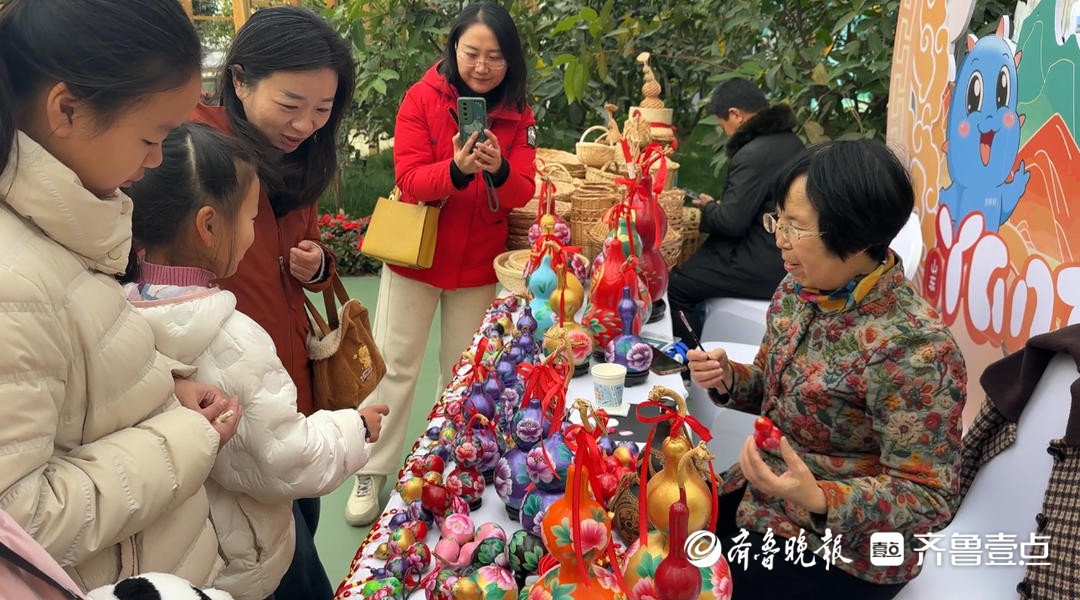
(来源:嘉兴日报) 转自:嘉兴日报 ■记者 陶慧琳 通讯员 胡景涛 昨天上午,嘉兴火车站南广场人潮涌动、暖意融融。"一起来嘉游 冬韵满禾城"2025嘉兴冬季文旅消费 季暨"江南味觉记忆"非遗美食乐享行动启动。 这个冬季,嘉兴文旅精准锚定游客"沉浸式体验"核心需求,创新融合冬季时令美食与三大冬衣产业,通 过多元业态组合构建"可看、可玩、可品、可购、可享"全维度消费场景,以满满诚意迎接八方来客。 王牌活动集中官宣 活动现场,热气腾腾的非遗美食摊位、品质优良的冬衣展销、创意满满的特色文创市集,吸引市民和游 客驻足流连。坡地轮滑、亲子露营……一旁的游玩休闲区内欢笑声不断,洋溢着温馨的家庭出游氛围。 "没想到一出火车站就碰上这么热闹的活动,正好先去逛逛冬衣展销!"来自上海的朱女士一家特意乘早 班火车前来感受嘉兴韵味。她向记者展示手机备忘录里的"嘉兴漫游计划":上午到南湖打卡,午后去月 河历史街区漫步,晚上在南湖天地享用一顿地道晚餐,次日去濮院古镇体验江南风情。 如今,利用周末进行"微度假"的长三角游客日益增多,嘉兴正成为他们心中"可停留、可沉浸"的理想目 的地。嘉兴南湖机场通航进入倒计时,10条规划航线将显著拓宽客源版 ...
聚力落地转化提能级 实干争先冲刺全年红
Xin Lang Cai Jing· 2025-12-21 00:06
Group 1 - The Deqing Jiangnan Cultural Heritage Park project, with a total investment of approximately 1.6 billion yuan, is rapidly progressing and includes the completion of 12 venues such as the Porcelain Source Museum and Archaeological Science Popularization Exhibition Hall [1] - The park aims to create the first comprehensive experience area for "Jiangnan culture" in China, integrating various cultural elements such as porcelain, tea, and poetry [1] - The park is set to open its first phase on the 28th of this month, with the Porcelain Source Museum and Agricultural Civilization Exhibition Hall officially starting operations [1] Group 2 - Deqing County is focusing on five key areas to enhance development, including major project attraction and construction, technological innovation, and improving living standards [2] - The Mogan Mountain High-tech Zone has made significant progress in the artificial intelligence sector, with the launch of a data collection training facility that has attracted over 10 companies for collaboration [2] - The high-tech zone has introduced 41 projects with a total investment exceeding 15.6 billion yuan, promoting the development of high-end and intelligent industries [2] Group 3 - The county is implementing practical measures to improve efficiency and aims to transition from merely "doing" to "doing well" and "optimizing" its work [3] - Key focuses include preparing for major meetings, promoting harmonious living standards, ensuring safety, and maintaining discipline [3] - The county is striving to achieve a balance of multiple goals to lay a solid foundation for high-quality development in the new journey ahead [3]
第四届“文化旅游看河北——探美五彩传统村落”媒体行活动在邢台启动
Xin Lang Cai Jing· 2025-12-20 23:09
本报讯(记者史晓多)12月20日,由河北省住房和城乡建设厅、河北省文化和旅游厅、中国新闻社河北 分社主办的第四届"文化旅游看河北——探美五彩传统村落"媒体行活动在邢台市信都区前南峪村启动。 本届活动旨在以五彩视觉为线索,以"留住乡亲,护住乡土,记住乡愁"为方向,推动传统村落从"单一 保护"向"全域赋能"迈进,激发传统村落的新生命力,进一步扩大"这么近,那么美,周末到河北"品牌 影响力。当天启动仪式上,《冀韵入画 探美五彩传统村落》主题宣传片以五彩视觉为线索,呈现河北 各地传统村落的自然景观、人文肌理与色彩印象;"五彩村落印象"主题推介环节,邢台市信都区、邯郸 武安市分别推介具有代表性的河北传统村落旅游资源;主旨分享环节,专家学者聚焦传统村落整体保 护、古建修缮、活态利用等领域分享见解与经验。 河北历史悠久,文化底蕴深厚,传统村落资源丰富。文化旅游看河北系列活动自创办以来,相继在衡 水、保定、石家庄、邢台等地举行,以特色小镇和传统村落为主题进行一系列宣传及活动推广,持续搭 建文化遗产保护与文旅融合的传播平台。活动从最初的资源挖掘与理念倡导,到如今逐步形成品牌影响 力,在宣传推广、资源对接、国际传播等方面取得扎实 ...
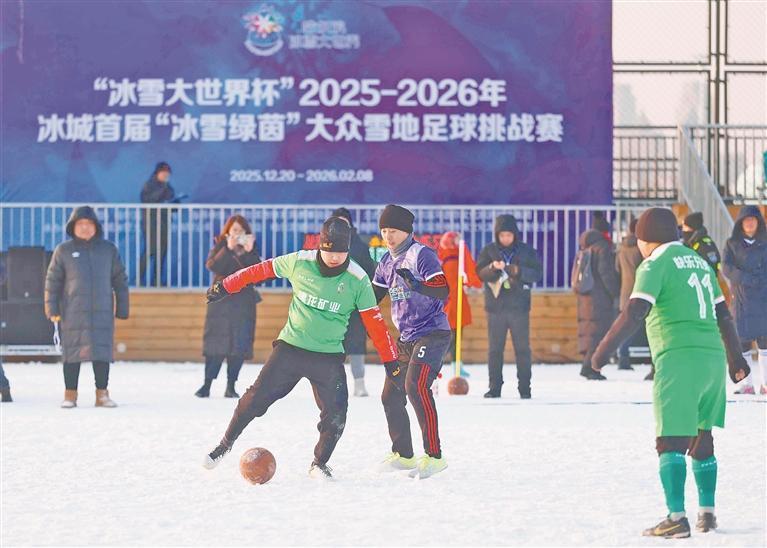
冰城首届“冰雪绿茵”大众雪地足球挑战赛开赛
Xin Lang Cai Jing· 2025-12-20 23:09
Core Viewpoint - The "Ice Super" series of ice and snow events in Harbin has officially launched, marking the beginning of a nearly two-month winter sports festival aimed at invigorating the winter cultural tourism market in the city [3][4]. Group 1: Event Overview - The event is supported by the Harbin Sports Bureau and organized by the Harbin Matier Cultural Tourism Investment Group, with participation from 24 teams competing in snow soccer [3][4]. - The competition will run from December 20 to February 8, taking place at the snow soccer field in Harbin Ice and Snow World, featuring a combination of group round-robin and knockout formats [3][4]. - On the first day of competition, 6 matches resulted in a total of 47 goals scored, showcasing strong offensive performances and generating excitement for future matches [3]. Group 2: Strategic Importance - This event is a significant initiative to implement the strategy of bringing sports events into scenic areas, streets, and commercial districts, aiming to create a dual flow of sports event traffic and tourist traffic to the Ice and Snow World [4]. - The organizing committee has made extensive preparations in terms of venue setup, event coordination, referee selection, and logistical support to ensure a fair and exciting environment for teams and spectators [4]. - The event also serves as an innovative platform for cultural exchange between northern and southern regions of China, featuring teams from both local northeastern cities and southern cities like Suzhou and Ganzhou, with over 300 athletes participating [4].
西域旅游:公司将秉持服务诠释价值的发展理念,为游客提供更加优质的文化旅游产品
Zheng Quan Ri Bao Wang· 2025-12-19 15:41
Core Viewpoint - The company emphasizes its commitment to service as a means to create value, leveraging its core tourism resources, brand advantages, and management experience to enhance cultural tourism offerings for visitors [1] Group 1 - The company plans to fully utilize its geographical advantages in tourism [1] - The company aims to enhance its brand advantages in the cultural tourism sector [1] - The company intends to leverage its operational management experience to improve service quality [1] Group 2 - The company is focused on exploring high-quality cultural tourism product supply within the region [1] - The company aims to provide visitors with superior cultural tourism products [1]
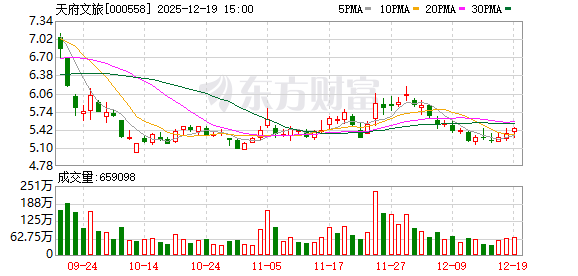
天府文旅:董事会延期换届
Zheng Quan Ri Bao· 2025-12-19 15:20
证券日报网讯 12月19日,天府文旅发布公告称,成都新天府文化旅游发展股份有限公司(以下简称"公 司")第十一届董事会于2025年12月18日任期届满。鉴于公司董事会换届工作尚在筹备中,为保证公司 董事会相关工作的连续性和稳定性,公司第十一届董事会将延期换届,董事会各专门委员会、高级管理 人员的任期亦相应顺延。 (文章来源:证券日报) ...

在千年商道赶文明大集!文明集市促消费系列活动在广州北京路启幕
Nan Fang Nong Cun Bao· 2025-12-19 13:02
Core Viewpoint - The "Civilization Market" series of promotional activities aimed at boosting consumption was launched on December 19 in Beijing Road, Guangzhou, integrating cultural promotion, tourism, and consumer engagement to stimulate economic activity in Guangdong province [6][13][27]. Group 1: Event Overview - The event features over 10 unique activities and more than 8 types of consumption scenarios, showcasing traditional Lingnan culture within modern urban life [7][8]. - The series of activities will run from December 19 to December 28, focusing on promoting local agricultural and cultural tourism products [12][13]. - The initiative is part of a broader strategy to enhance consumer spending and support local economies, aligning with the directives from the 20th National Congress of the Communist Party of China [10][11]. Group 2: Economic Impact - The event aims to activate the economic consumption potential at the end of the year, with a focus on a one-stop experience for high-quality products from various counties in Guangdong [30][32]. - The Beijing Road pedestrian street has seen a cumulative foot traffic of 124 million visitors from January to November 2025, reflecting a year-on-year increase of 1.74%, with projected sales reaching 17.3 billion yuan [44][45]. - The activities are expected to enhance the platform effect and flow value of Beijing Road, making it a showcase for the coordinated development of urban and rural areas in Guangdong [48]. Group 3: Cultural Integration - The event integrates cultural elements with consumer activities, featuring performances such as Chaozhou Yingge dance and Lufeng shadow puppetry to stimulate consumer enthusiasm [91][92]. - Various cultural and creative exhibitions will be held, allowing visitors to purchase local cultural products and experience Guangdong's rich heritage [95][96]. - The initiative also includes health and wellness activities, such as traditional Chinese medicine workshops, to promote community engagement and well-being [103][104]. Group 4: Marketing and Promotion - The organizers are leveraging social media and influencers to enhance visibility and attract visitors, creating a buzz around must-buy products and experiences [111][113]. - The event aims to convert foot traffic into sales, emphasizing the transformation of "flow" into "sales" through strategic marketing efforts [113].
