Semiconductors

Search documents
Truth Social Diplomacy: How One Man’s Thumb Controls Your 401(k)
Stock Market News· 2026-03-28 06:00
Group 1: Market Reactions to Political Developments - The announcement of a ten-day pause on strikes against Iranian energy infrastructure led to a temporary increase in Bitcoin, which rose by 4.2% as it approached the $70,000 mark, showcasing the volatility of cryptocurrencies influenced by geopolitical events [2][3] - The broader markets, including the DOW and S&P 500, experienced a decline as investors realized the pause was temporary, with 3,554 targets in Iran still pending, creating uncertainty in market projections [3] - The NASDAQ faced significant losses as tech companies, particularly chipmakers like NVDA, grappled with the implications of potential tariffs and trade tensions with China [5] Group 2: Trade Policies and Tariffs - Trump threatened a 50% tariff on the European Union and a 25% penalty on Apple, which saw a 2.3% drop in pre-market trading, raising concerns about the impact on American consumers and the overall economy [4] - The proposed 100% tariffs on all Chinese goods, including specific items like "flirty skater skirts," have created confusion and concern among U.S. companies regarding supply chain adjustments [5] - A new round of support for farmers affected by tariffs was announced, reflecting a cycle where tariffs harm export markets, and government funds are used to compensate those affected, leading to skepticism about the sustainability of such policies [6] Group 3: Global Market Impact - The Nifty 50 index in India dipped below 23,000, indicating that U.S. political decisions have far-reaching effects on global markets, affecting pension funds and investments worldwide [7] - Asian markets, including the Sensex, have been trading under "ongoing tension," highlighting the uncertainty created by U.S. political statements and their potential economic ramifications [8]



中东战火下,半导体供应链受阻
财联社· 2026-03-28 05:52
Core Viewpoint - The semiconductor industry is facing significant procurement and cost pressures for key materials due to geopolitical tensions, particularly the conflict between the US and Iran, which has raised concerns about supply disruptions and price volatility [4][5]. Group 1: Supply Chain Concerns - Korean chip manufacturers are closely monitoring the situation, fearing that supply interruptions could affect critical raw materials such as helium, diluents, ethanol, and isopropyl alcohol (IPA) [5]. - Helium prices have surged over 50% recently, prompting manufacturers like Samsung Electronics and SK Hynix to prioritize securing inventory at current market prices, with procurement teams actively checking supply and price fluctuations daily [5]. - The rebuilding of the Ras Laffan Industrial City may take years, leading to long-term risks of supply shortages and price volatility, especially since helium is crucial in semiconductor manufacturing and lacks viable substitutes [6]. Group 2: Price Increases in Key Materials - The rise in oil prices has indirectly increased production costs for semiconductor materials, with suppliers notifying price hikes for key components like propylene oxide (PO), which is used to produce diluents [7]. - The price of PGMEA, a diluent, is expected to rise by 40% to 50% due to these cost pressures, affecting suppliers such as DuPont and LG Chem [7]. - Other materials like ethanol and IPA are also seeing price increases, with Korean suppliers announcing double-digit percentage hikes this week [8]. Group 3: Investment Implications - The increasing geopolitical risks are prompting a reevaluation of the semiconductor materials investment logic, which is now driven by a "dual engine" approach [9]. - Short-term supply chain security concerns are accelerating the willingness and urgency of downstream manufacturers to adopt domestic solutions, particularly for critical supply chain segments [9]. - Long-term capital investments are expected to accelerate, with a high certainty of expansion in domestic advanced processes and storage, creating growth opportunities for upstream suppliers [9].
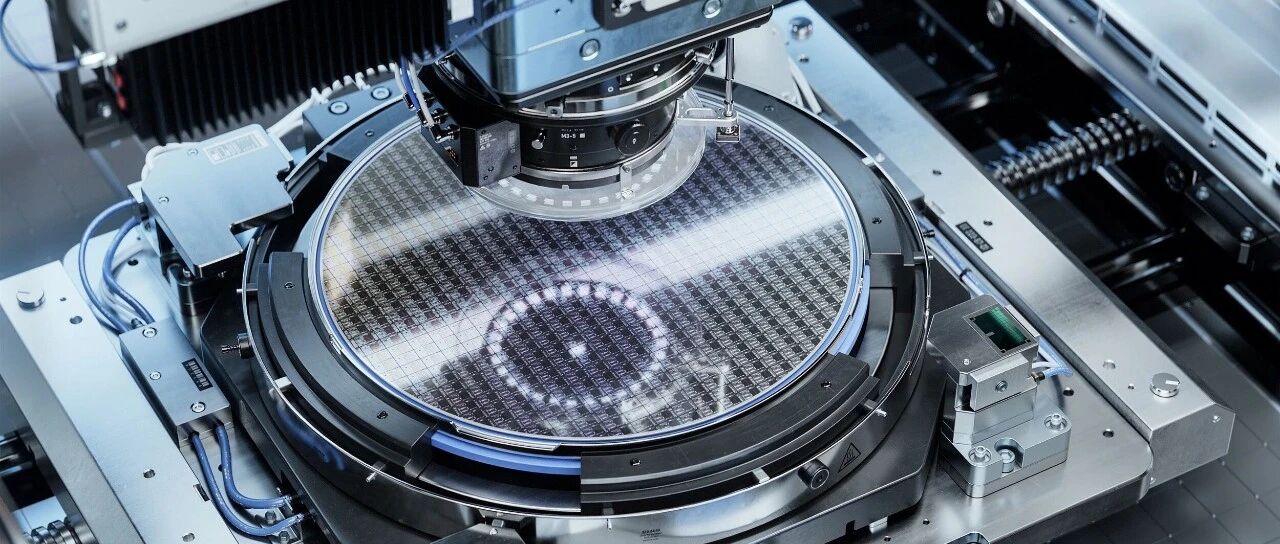
Morgan Stanley sends clear message on semiconductor stocks after selloff
Yahoo Finance· 2026-03-28 02:33
Semiconductor stocks have come under pressure. Over the past month, the sector tracked by the iShares Semiconductor ETF (SOXX) has dropped roughly 10%, as investors grow cautious about valuations, demand trends, and the sustainability of recent gains. On March 24, Alphabet’s Google (GOOGL) rolled out TurboQuant, a new compression method that could reduce the amount of memory required to run AI models by 6x, causing a sell-off in memory names, with Micron (MU) and Sandisk (SNDK) down more than 10% in the ...



显示驱动芯片,大涨
半导体行业观察· 2026-03-28 01:12
Core Insights - The article highlights the increasing cost pressures faced by Display Driver IC (DDIC) manufacturers due to rising semiconductor wafer foundry and backend packaging testing costs starting from 2025, compounded by the escalating prices of precious metal raw materials [1][2] Cost Structure Analysis - Wafer foundry costs account for 60% to 70% of the overall DDIC costs, while backend packaging and testing costs represent about 20% [1] - Recent increases in raw materials, energy, and labor costs have led to higher wafer foundry prices, particularly due to the long-term lack of expansion in 8-inch capacity, which is being occupied by power management chips (PMIC) and discrete power devices, resulting in tight supply and increased costs for DDIC high-voltage processes [1] Backend Packaging and Testing - The backend process for DDIC products involves multiple steps, including gold bumping, packaging, and testing, with current packaging capacity being tight and costs rising due to increased material and labor expenses [2] - The international gold price has been rising since 2024, leading to increased costs for gold bump materials, although some manufacturers are gradually introducing alternative solutions to reduce reliance on gold, which cannot fully offset the cost pressures in the short term [2] Pricing Adjustments and Market Impact - Some DDIC suppliers are evaluating price adjustments to counteract upstream price increases, and if the trend of rising wafer foundry and packaging costs continues, the likelihood of DDIC price increases will grow [2] - The adjustment of DDIC prices will depend on upstream cost trends, supply-demand relationships, and changes in end-market demand, which are key indicators to monitor in the industry [2]
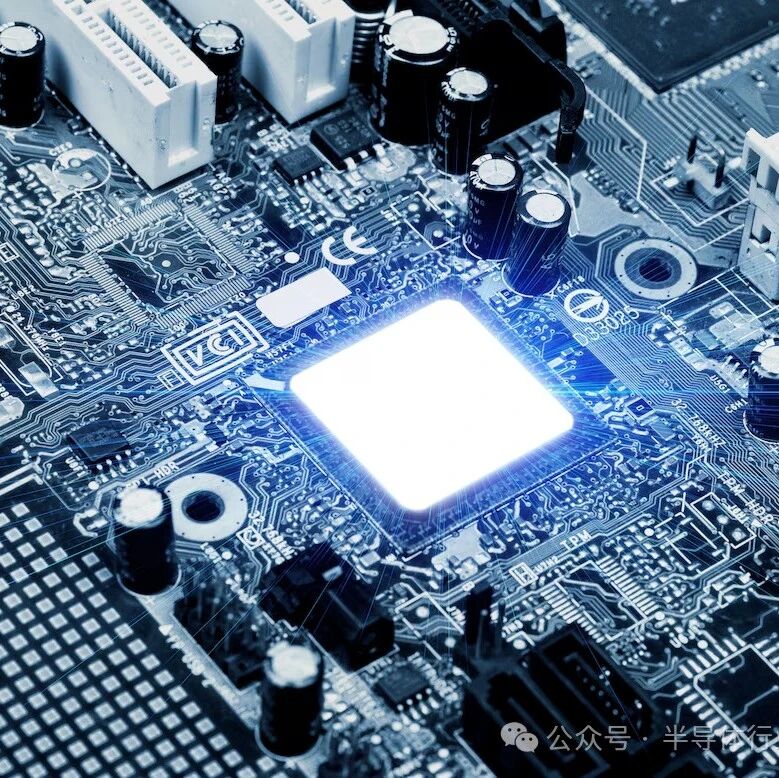
国产算力芯片,即将兼容CUDA?
半导体行业观察· 2026-03-28 01:12
Core Viewpoint - Huawei's latest AI chip, Ascend 950PR, does not currently provide a significant advantage over NVIDIA products for domestic cloud providers, but it has achieved a major upgrade by becoming compatible with the CUDA ecosystem [1] Group 1: Key Breakthroughs - The Ascend 950PR features a significant breakthrough in CUDA compatibility, with the upgraded CANN Next software stack introducing a SIMT programming model that closely aligns with CUDA's native functions [2] - CANN Next is designed to create a development environment that can nearly seamlessly replace CUDA, allowing developers to maintain their existing programming habits while optimizing for Ascend chips [2] Group 2: Market Demand and Production Capacity - Major cloud companies like ByteDance and Alibaba are reportedly planning to purchase the Ascend 950PR in bulk, with Huawei aiming for a production capacity of 750,000 units this year [3] - The chip supports low-precision computing formats, with peak performance of 1 PFLOPS for FP8 and 2 PFLOPS for FP4, and features a memory bandwidth of 2 TB/s [3] Group 3: Industry Context - There is a pressing need for domestic alternatives to NVIDIA's computing products in the Chinese market, especially among leading cloud providers facing strict regulatory constraints on purchasing NVIDIA chips [3] - Huawei is leveraging the CANN Next software stack and Ascend 950PR chip to strengthen its position in the domestic AI industry, although challenges remain regarding production capacity and the readiness of clients for large-scale deployment [3]

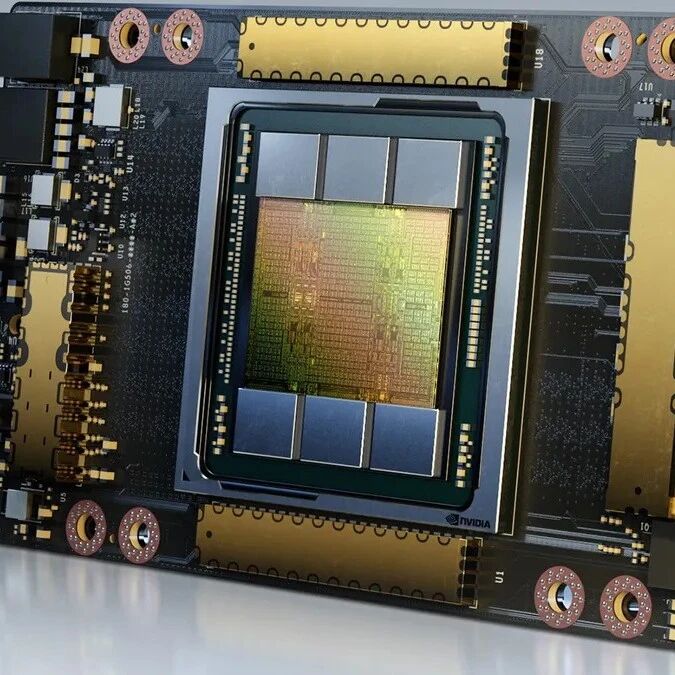
模拟电路进入魔法时代
半导体行业观察· 2026-03-28 01:12
Core Viewpoint - The article discusses the transformative impact of AI on analog circuit design, highlighting how AI can autonomously understand circuit semantics, streamline design processes, and enhance productivity in the field [3][71]. Group 1: AI's Role in Circuit Design - AI has evolved from a mere simulation tool to an intelligent assistant capable of understanding circuit semantics and executing complex tasks autonomously [3][13]. - The integration of AI allows for significant reductions in time spent on tasks that traditionally required extensive manual effort, transforming the role of engineers from executors to decision-makers [32][69]. - AI can autonomously generate and analyze circuit designs, producing clear and structured outputs such as waveforms and performance metrics [21][30]. Group 2: Efficiency Improvements - The time required for circuit design tasks has drastically decreased; what once took days can now be accomplished in minutes with AI assistance [68][69]. - AI can handle repetitive and tedious tasks, allowing engineers to focus on higher-level design decisions and trade-offs [34][38]. - The ability of AI to perform single-point validations and full-link simulations enhances the reliability of design outcomes [18][56]. Group 3: Knowledge and Collaboration - The article emphasizes the importance of open knowledge sharing and collaboration in the industry, suggesting that proprietary knowledge will diminish in value as AI systems become more integrated [88][90]. - The shift towards semantic modeling and natural language interfaces allows for more efficient communication of design intent, enabling AI to execute tasks based on verbal instructions [72][96]. - The future of analog design will rely on the ability to convert experiential knowledge into machine-executable formats, positioning those who adapt quickly as leaders in the field [97].

3 No-Brainer AI Stocks to Buy Before They Soar, According to Wall Street
The Motley Fool· 2026-03-27 23:55
Group 1: Nvidia - Nvidia is currently the largest company by market cap, with significant sales growth driven by high demand for AI computing units, reporting a 73% year-over-year revenue increase in Q4 of fiscal 2026 and projecting 77% growth for Q1 of fiscal 2027 [3] - The average 12-month price target for Nvidia is approximately $270, indicating a potential rise of about 57% from its current trading price of $175 [5] Group 2: Nebius - Nebius, a company invested in by Nvidia, has a market cap just below $30 billion and is positioned as a key partner for AI hyperscalers like Microsoft and Meta Platforms due to its access to Nvidia's products [6] - Nebius expects its annual run rate to grow from $1.25 billion at the end of 2025 to between $7 billion and $9 billion by the end of 2026, showcasing rapid growth potential [7] - The current average stock price target for Nebius is $167, representing a potential gain of about 47% from its current price of $100.92 [9] Group 3: Microsoft - Microsoft has experienced a 24% decline year-to-date in 2026, despite reporting a 17% year-over-year revenue increase and a 60% rise in earnings per share in its fiscal 2026 Q2 [10][11] - Analysts have set an average price target of $595 for Microsoft, which is 55% above its current levels, suggesting a favorable entry point with a price-to-earnings ratio of about 24 [13]



It was another week when it paid to get out of anything in tech that used to be good: Jim Cramer
Youtube· 2026-03-27 23:48
Market Overview - The stock market has experienced significant declines, with the Dow dropping 93 points, S&P falling 1.67%, and NASDAQ plummeting 2.15% amid ongoing geopolitical tensions and rising oil prices [1][2][6] - The current market sentiment is heavily influenced by the war in Iran, leading to a preference for cash positions among investors [1][5] Oil and Stock Correlation - There is a consistent trend where rising oil prices correlate with declining stock prices, indicating a one-to-one relationship [2][6] - Oil stocks are favored by investors, regardless of fluctuations, as crude oil prices are expected to rise [2][4] Technology Sector Performance - The technology sector, particularly companies like Nvidia and Microsoft, has seen a downturn, with stocks failing to attract institutional and individual investors [3][4][5] - Despite the companies' strong fundamentals, their stock performance has been poor, leading to a lack of investor confidence [3][4] Company-Specific Insights - McCormick is in talks to merge with Unilever's food business, which could potentially enhance its market position, although its stock has declined 22% this year [8][9] - Nike is facing challenges due to intense competition and inventory issues, with no clear path to recovery in the near term [10][11][12]


The Market Is Down 5% in 2026. Here's the Best Dividend Stock to Buy With $10,000 Right Now.
The Motley Fool· 2026-03-27 23:32
Core Viewpoint - The stock market, represented by the S&P 500 index, has declined by 5.4% year-to-date as of March 24, indicating a broader downturn affecting many companies' stocks, which in turn enhances the dividend yield for dividend-paying stocks [1] Group 1: Investment Recommendation - The Schwab U.S. Dividend Equity ETF (SCHD) is recommended for long-term investment, suitable for various investment amounts ranging from $10,000 to $100,000 [2] - The ETF offers a dividend yield of 3.3%, significantly higher than the S&P 500's yield of 1.1%, providing both price appreciation and dividend income [2] - The ETF has shown strong performance with average annual gains of 12.90% over the past 3 years, 8.92% over the past 5 years, and 12.36% over the past 10 years [3] Group 2: ETF Composition and Holdings - The Schwab U.S. Dividend Equity ETF tracks an index of approximately 100 healthy dividend-paying companies, providing diversified exposure [3] - The top 10 holdings in the ETF include major companies such as Chevron (5.31% yield), Verizon Communications (5.56% yield), and Coca-Cola (2.76% yield), among others [3] - This ETF is positioned as a robust investment option, likely to continue paying dividends even during market downturns, making it a reliable choice for passive income [3]
陆家嘴财经早餐2026年3月28日星期六
Wind万得· 2026-03-27 23:12
Group 1 - The U.S. and Israel have been conducting military strikes against Iran's industrial and nuclear facilities for 28 days, with Iran retaliating using drones and missiles, and threatening to close the Strait of Hormuz [2] - The U.S. Department of Defense is considering deploying up to 10,000 ground troops to the Middle East while President Trump weighs options for peace talks with Iran [2] - The Israeli Defense Minister stated that Israel will escalate its attacks on Iran, expanding the range of targets and areas covered [2] Group 2 - The State Council of China emphasized the need to expand market access and open up service sectors to stimulate economic growth [3] - The Ministry of Commerce announced two trade barrier investigations against the U.S. in response to its actions affecting global supply chains and green product trade [3] - In the first two months of this year, profits of China's industrial enterprises above designated size increased by 15.2% year-on-year, with high-tech manufacturing profits rising by 58.7% [4] Group 3 - The Chinese central bank is focused on improving the systemic financial risk prevention and resolution framework, aiming to mitigate risks in key financial sectors [4] - The Chinese Foreign Minister expressed support for Pakistan's role in mediating the Iran situation, highlighting the importance of regional peace and stability [4] Group 4 - A-share market showed fluctuations with the Shanghai Composite Index rising by 0.63%, while the market turnover hit a new low for the year at 1.86 trillion yuan [6] - Hong Kong's Hang Seng Index also saw gains, led by the pharmaceutical sector, while southbound funds recorded a net sell-off of nearly 2.9 billion Hong Kong dollars [6] Group 5 - The China Securities Regulatory Commission plans to enhance the legal framework for capital market construction and strengthen the enforcement against securities violations [7] - The CSRC reported that long-term funds significantly increased their market participation, with net purchases of A-shares exceeding 800 billion yuan [7] Group 6 - Major banks in China reported modest profit growth for 2025, with Industrial and Commercial Bank of China showing a 0.7% increase in net profit [9] - BYD's net profit for 2025 is projected to decrease by 18.97%, while Longfei Fiber expects a 20.4% increase [9] Group 7 - New regulations for unmanned aerial vehicles in Beijing will take effect in May 2026, requiring all outdoor flight activities to be approved [11] - Various cities in China are implementing new housing policies, including subsidies for parking space purchases and interest subsidies for young talent applying for housing loans [11] Group 8 - Anthropic's new AI model "Claude Mythos" has raised concerns about cybersecurity risks, being described as a significant breakthrough in AI performance [12] - Honor announced a new product based on its open-source framework, Openclaw, which is currently in a closed testing phase [12]