医疗科研

Search documents
中山医院将建设国家人工智能应用中试基地
Jie Fang Ri Bao· 2025-08-07 01:57
Core Insights - The National Development and Reform Commission has officially approved the establishment of the "National Artificial Intelligence Application Pilot Base (Clinical Medical Research Direction)" to be undertaken by Zhongshan Hospital [1] - The base aims to focus on clinical research, address industry pain points, and build an ecological benchmark, creating an innovative support platform covering the entire chain from R&D to application [1] Group 1: Infrastructure and Capabilities - The base will construct a domestic computing power support platform, ensuring privacy data remains within the domain, which is crucial for secure and efficient data processing and model training [1] - A comprehensive model service system will be developed, utilizing domestically controllable foundational large models and AI frameworks, covering model engineering, agent engineering, and AI asset management [1] Group 2: Application and Impact - The base will target areas such as medical research, enhancement of intelligent diagnostic capabilities, development of smart medical devices, and research on intelligent medical robots, with plans to implement at least 49 distinctive application scenarios [1] - More than 10 supporting standards and specifications will be published, significantly improving diagnostic accuracy and efficiency, allowing medical personnel to focus on complex cases and treatment optimization [1] - Patients will benefit from more efficient diagnostic processes, personalized treatment plans, and optimized services throughout the entire process from pre-consultation to post-operative follow-up [1]
预算1.05亿元!上海交通大学近期大批仪器采购意向
仪器信息网· 2025-07-23 03:37
Core Viewpoint - Shanghai Jiao Tong University has announced procurement intentions for 33 items of laboratory equipment, with a total budget of 105 million yuan, scheduled for procurement between May and August 2025 [1][2]. Summary by Categories Procurement Overview - The procurement includes various advanced instruments such as small animal live Micro CT imaging systems, high-sensitivity full-spectrum cell sorters, superconducting magnet systems, and high-temperature high-pressure turbulent combustion experimental platforms [2][5]. Instrument Descriptions - **High-Sensitivity Full-Spectrum Cell Sorter**: Used for precise analysis and classification of cells in biological research and clinical diagnostics, integrating optical technology and flow cytometry [3]. - **Multi-Functional Enzyme Labeling Instrument**: Applicable in life sciences, drug development, and clinical diagnostics, capable of various detection modes including absorbance and fluorescence [3]. - **High-Resolution High-Contrast Transmission Electron Microscope**: A powerful tool for material characterization, providing nanometer-level resolution for observing fine structures [3]. - **High-Throughput Spotting Instrument**: Designed for efficient and precise distribution of micro-volumes of liquid, widely used in genomics and proteomics [4]. Detailed Procurement List - The procurement list includes specific instruments with their respective budgets and intended functionalities, such as: - Small Animal Micro CT Imaging System: 3.5 million yuan for research on lung diseases and metabolic disorders [5]. - High-Sensitivity Full-Spectrum Cell Sorter: 5 million yuan for high-parameter analysis of cell populations [5]. - Superconducting Magnet System: 1.6 million yuan for generating stable high magnetic fields [5]. - Magnetic Sputtering Equipment: 1.3 million yuan for thin film deposition [5]. - High-Temperature High-Pressure Turbulent Combustion Experimental Platform: 3.5 million yuan for aviation engine and gas turbine combustion research [5]. Additional Instrument Specifications - **Solid Oxide Electrolysis Cell Testing System**: Aimed at renewable synthetic fuel preparation, with a budget of 3.8 million yuan [6]. - **Real-Time Cell Analysis System**: Designed for non-invasive detection of various cellular behaviors, enhancing research capabilities [8]. - **High-Throughput Single-Cell Library Construction System**: For high-throughput analysis of gene expression and immune function [9]. Future Implications - The procurement of these advanced instruments is expected to significantly enhance research capabilities in various fields, including biomedical research, drug development, and clinical diagnostics, thereby contributing to advancements in personalized medicine and precision healthcare [2][3][4].


济宁市第一人民医院首场“科研MDT”成功举办
Qi Lu Wan Bao Wang· 2025-06-23 08:51
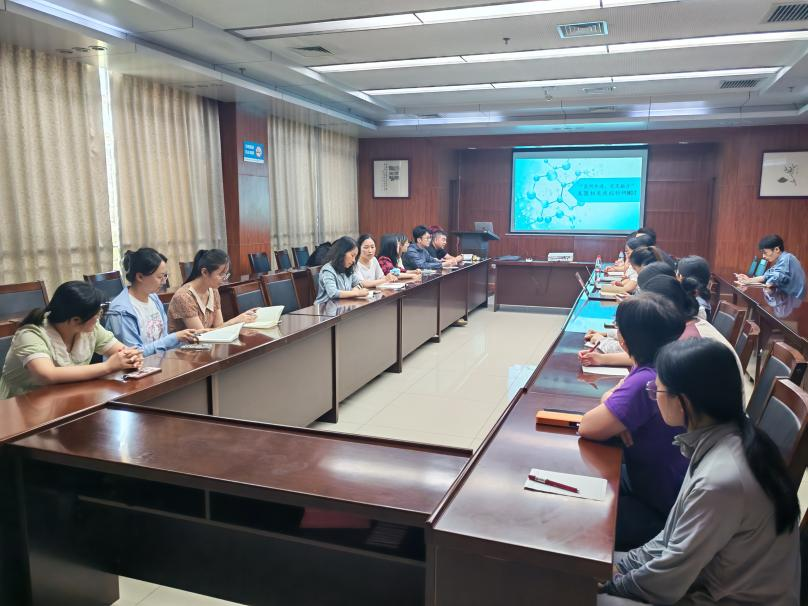
Core Viewpoint - The "Research MDT" initiative at Jining First People's Hospital aims to enhance the integration of basic and clinical research, addressing challenges in diagnosing and treating invasive fungal diseases through interdisciplinary collaboration [1][3]. Group 1: Objectives and Initiatives - The initiative seeks to establish a regular communication mechanism between basic research and clinical departments, breaking down disciplinary barriers to improve clinical research capabilities [1]. - The first "Research MDT" successfully brought together experts from various departments, focusing on rapid diagnosis and treatment of fungal diseases [1][3]. Group 2: Challenges and Solutions - The hospital faces significant challenges such as delayed diagnosis of invasive fungal diseases and rising drug resistance, necessitating a collaborative approach to research and clinical practice [3]. - The integration of basic research in medical mycology with clinical diagnostics and treatment practices is essential for overcoming these challenges [3]. Group 3: Collaborative Efforts - The event facilitated discussions on critical issues like drug-resistant fungal infections and innovative treatment methods, fostering a collaborative environment between clinical and research personnel [3][4]. - The "Research MDT" serves as a platform for clinical practitioners to gain insights into laboratory breakthroughs while researchers understand the pressing clinical challenges [4]. Group 4: Future Directions - The hospital plans to continue nurturing this innovative environment, ensuring that laboratory findings are effectively translated into clinical applications to strengthen patient care [4].
细胞新图谱揭示关键DNA对癌症进化的作用
Huan Qiu Wang Zi Xun· 2025-06-19 02:47
Core Insights - The research published by the National Medical Center of Hope City, USA, reveals the critical role of extrachromosomal DNA (ecDNA) in cancer evolution, providing a foundation for future precision medicine and personalized treatment options for cancer patients [1][2] Group 1: Research Findings - The study identifies the significant role of ecDNA, which has been previously overlooked, in driving cancer development and evolution [1] - New mechanisms of interaction between different ecDNAs have been uncovered, indicating that their presence alongside certain oncogenes can lead to a hypoxic tumor microenvironment, which is linked to cancer progression and treatment resistance [1][2] Group 2: Methodology and Applications - The research combines spatial transcriptomics and genomic data to identify distinct cell populations that have acquired additional mutations from a common ancestor, aiding in the understanding of tumor evolution [2] - The study focuses on glioma samples and establishes a comprehensive analytical framework that can be referenced by other research teams, with the potential for broader application in personalized cancer treatment [2]
美国两千多项研究资助终止,临床试验突然叫停!数十名诺奖得主联名抗议
第一财经· 2025-06-11 10:10
Core Viewpoint - The article discusses the significant budget cuts and funding terminations at the National Institutes of Health (NIH) under the Trump administration, highlighting the impact on research and patient health [1][2]. Group 1: NIH Budget Cuts - NIH has faced a termination of 2,100 research funding grants totaling approximately $9.5 billion since January 20, 2021, and a suspension of $2.6 billion in contracts supporting research [1]. - The White House plans to reduce U.S. healthcare spending by over 25% by 2026, with NIH's budget expected to decrease by $18 billion to $27 billion this year, representing a 40% reduction [2]. - The budget for the NIH BRAIN initiative for fiscal year 2025 is set at $320 million, down over $80 million from $400 million in fiscal year 2024, indicating a reduction of approximately 20% [2]. Group 2: Response from the Scientific Community - Over 300 current and former NIH employees, along with more than 40 external scientists including 24 Nobel laureates, signed a letter protesting the funding cuts and urging the restoration of grants that were delayed or terminated for political reasons [1]. - The NIH has established an appeals process for the termination of grants, with hundreds of appeals already submitted [1]. - Concerns have been raised regarding the safety of clinical trials, with reports of participants being abruptly withdrawn from medications and undergoing unmonitored device implants [2].

北京市设立首发罕见病科研专项,每项经费不超过100万元
news flash· 2025-06-10 02:57
Core Insights - Beijing has established a special fund for rare disease research to enhance the original medical innovation and industrial support capabilities of medical institutions [1] - The initiative aims to improve the clinical research level of medical institutions [1] Funding Details - Each project will receive funding ranging from 200,000 to 1,000,000 yuan [1] - The funding encourages the use of a "lump-sum" management approach to reduce the burden on researchers [1]
脑机接口走进现实!华中首位患者在同济医院完成大脑信号采集
Chang Jiang Ri Bao· 2025-06-06 00:48
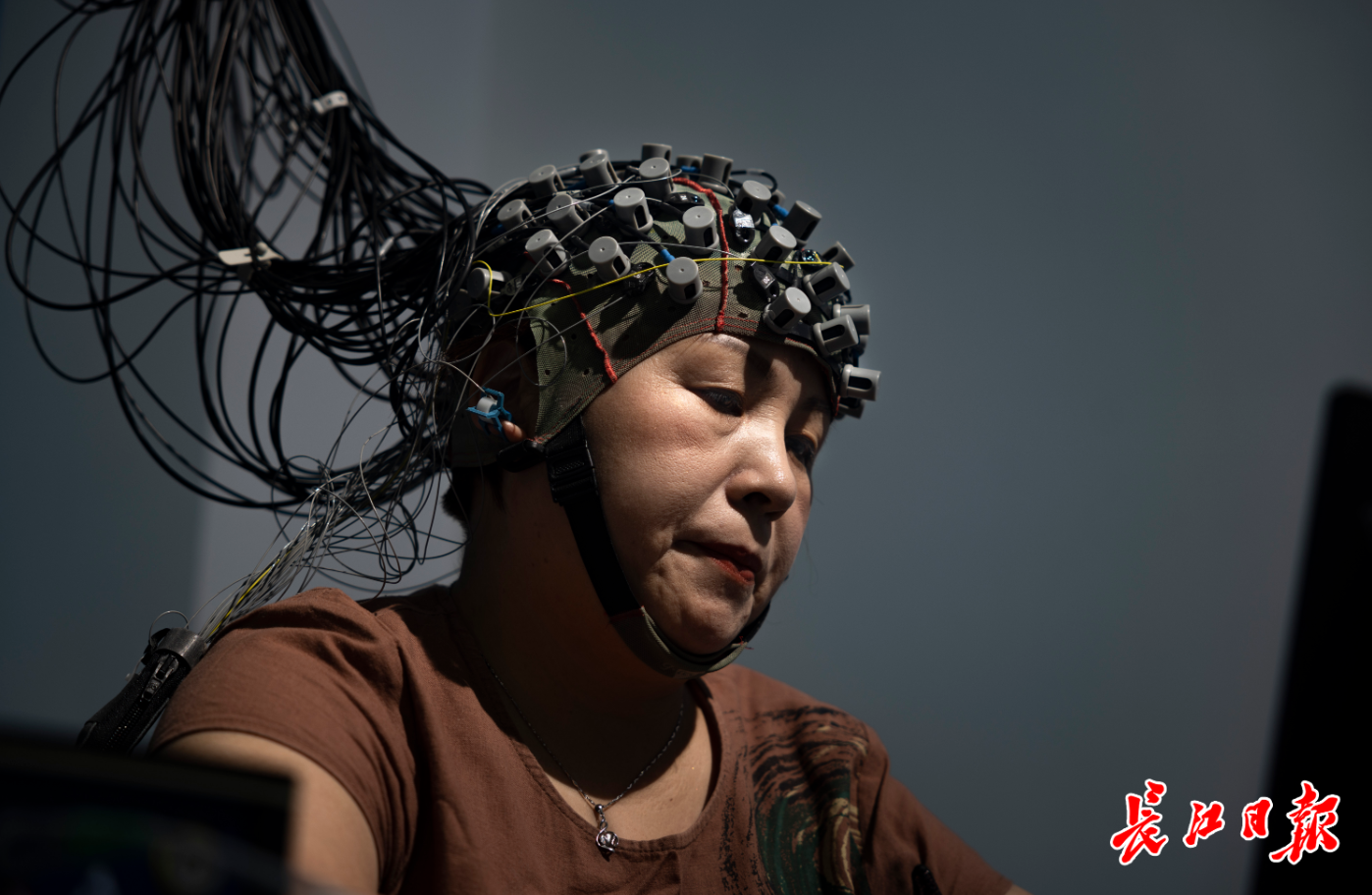
Core Insights - The establishment of the brain-computer interface (BCI) outpatient clinic at Huazhong University of Science and Technology's Tongji Hospital marks a significant advancement in the application of neuroscience and artificial intelligence in medical treatment in Hubei province [1][6] Group 1: Patient Experience - The first patient, Ms. Xia, successfully underwent non-invasive brain signal collection, expressing confidence in her future rehabilitation [1][2] - Ms. Xia suffered from left-side paralysis due to a brain hemorrhage and sought better treatment options after limited success with various therapies [2][4] Group 2: Clinical Procedures - The outpatient clinic employs both invasive and non-invasive BCI methods, with a team of neurologists and neurosurgeons assessing patients to determine the most suitable treatment [4][10] - Ms. Xia underwent a series of evaluations, including a behavioral assessment where she scored 13 out of 57, indicating moderate paralysis [4][5] Group 3: Technology and Methodology - The BCI clinic utilizes a dual-signal collection system, combining 32-channel electrical signals and a 90-channel near-infrared signal system, improving accuracy to 75% [5] - The brain signal collection process took approximately 30 minutes, with data analyzed through artificial intelligence algorithms and manual review [5][10] Group 4: Future Developments - The hospital plans to conduct clinical trials for semi-invasive BCI procedures, targeting conditions such as spinal cord injuries and aiming to enhance patient functionality through thought-controlled movements [6][10] - The BCI outpatient clinic will provide nationwide access to BCI technology assessments and treatment consultations, establishing a long-term follow-up database to support ongoing technology optimization [10]
预算1.11亿元!中国医学科学院近期大批仪器采购意向
仪器信息网· 2025-05-20 06:32
Core Viewpoint - The Chinese Academy of Medical Sciences has announced procurement intentions for 22 types of laboratory equipment, with a total budget of 111 million yuan, scheduled for procurement between March and September 2025 [1][2]. Summary by Categories Procurement Overview - The procurement includes high-throughput automated cell monitoring and analysis instruments, fully automated magnetic cell sorting instruments, parallel bioreactors, macromolecular drug purification analysis systems, ultracentrifuges, vacuum freeze dryers, and ultra-sensitive multifunctional imaging instruments [2][3]. Budget Allocation - The total budget for the procurement is 111 million yuan, which is allocated across various projects, including: - Drug research: 7 devices with a budget of 793 million yuan [3]. - Pathogen biology research: 19 devices for building and maintaining biological sample storage and experimental use [3]. - Medical experimental animal research: 1826 million yuan for key equipment to improve research conditions [3]. Specific Equipment and Quantities - The procurement list includes: - High-throughput automated cell monitoring analysis instrument: 1 unit - Fully automated magnetic cell sorting instrument: 1 unit - Parallel bioreactor: 1 unit - Macromolecular drug purification analysis system: 1 unit - Ultracentrifuge: 1 unit - Vacuum freeze dryer: 1 unit - Ultra-sensitive multifunctional imaging instrument: 1 unit - Various other specialized instruments for medical and biological research [3][4]. Timeline - The expected procurement period is set for March to September 2025, indicating a strategic planning phase for enhancing research capabilities within the Chinese Academy of Medical Sciences [2][4].

国家“十四五”重点研发课题在深启动 北大深圳医院牵头“解题”
Shen Zhen Shang Bao· 2025-05-12 23:31
Core Viewpoint - The project "Optimization of Techniques and Innovations to Reduce Uterine Damage" under the national "14th Five-Year" key research and development plan has been officially launched in Shenzhen, focusing on protecting women's reproductive health and addressing clinical challenges in gynecology [1][5]. Group 1: Project Overview - The project has a three-year implementation period and is led by Peking University Shenzhen Hospital, with collaboration from Shenzhen Maternal and Child Health Hospital and Sun Yat-sen University Sixth Affiliated Hospital [1]. - The project includes four sub-topics aimed at improving reproductive health, including standardization of the PUSH technique for diffuse uterine lesions, photodynamic therapy for precancerous cervical lesions, high-intensity focused ultrasound (HIFU) for uterine fibroids, and stem cell technology for severe intrauterine adhesions [2][3]. Group 2: Innovations and Techniques - The PUSH technique, developed by Peking University Shenzhen Hospital, aims to protect uterine structures while treating severe uterine conditions, achieving a leading preservation rate internationally [3]. - Shenzhen Maternal and Child Health Hospital has pioneered the use of HIFU for non-invasive treatment of uterine fibroids, significantly reducing the post-operative contraception period from 6-12 months to 3 months, thereby enhancing fertility success rates [3]. - Sun Yat-sen University Sixth Affiliated Hospital has introduced a combined approach of surgical release and stem cell transplantation to address recurrent intrauterine adhesions, improving clinical pregnancy rates [3]. Group 3: Strategic Goals - The project aims to create a comprehensive clinical transformation pathway integrating technology optimization, functional assessment, and pregnancy management, contributing to the national public health strategy of ensuring safe and healthy childbirth [4]. - The initiative has garnered support from leading experts in the field, including Academician Guo Ying from the Chinese Academy of Engineering, providing valuable guidance for the innovation of techniques in photodynamic therapy [4].
过于离谱!妇科论文惊现“子宫肌瘤男性患者”,院方:记过处分、降级处理
21世纪经济报道· 2025-05-06 09:05
Core Viewpoint - The article discusses a controversial academic paper on uterine fibroids that included male patients, raising concerns about academic integrity and the credibility of medical research in China [2][4][7]. Group 1: Academic Integrity Issues - The paper in question was published in 2017 and involved a study on the effects of targeted nursing interventions on patients with uterine fibroids, but it erroneously included male patients, leading to public outrage [2][9]. - Shandong University Qilu Hospital conducted an investigation and confirmed academic misconduct, resulting in disciplinary actions against the nurse involved, including demotion and disqualification from promotions for five years [4][7]. - The incident highlights broader issues of academic misconduct in the medical field, with previous cases reported by the National Health Commission revealing similar integrity violations across various hospitals [11][12]. Group 2: Systemic Challenges in Medical Research - The article points out a systemic issue where the nursing research field may prioritize formalities over practical effectiveness, leading to a devaluation of actual clinical problem-solving [7][16]. - The current medical title evaluation system in China places significant pressure on healthcare professionals to publish papers, often leading to the emergence of a "gray industry" for paper writing and submission [15][18]. - Data from the "China Health Statistics Yearbook 2023" indicates that the majority of registered nurses hold lower educational qualifications, raising questions about their research capabilities and the necessity of their involvement in academic publishing [16][17]. Group 3: Reform Initiatives - Recent reforms are being explored to alleviate the pressure of paper publication for professional advancement, allowing for alternative achievements such as clinical case studies and technical patents to be considered [18]. - The shift aims to refocus the evaluation criteria on practical contributions to healthcare rather than solely on publication metrics, addressing the root causes of academic misconduct [18].