学前教育

Search documents
多校幼师专业大幅缩招,去年幼儿园教师减少超24万
第一财经· 2025-12-19 10:37
Core Viewpoint - The article discusses the significant impact of declining birth rates on the early childhood education sector in China, particularly focusing on the reduction in the number of kindergartens and qualified teachers [3][4]. Group 1: Changes in Early Childhood Education - The number of full-time kindergarten teachers in China decreased by 241,800 from 2022 to 2024, dropping from 3,244,200 to 2,831,900, marking a total decline of 412,300 over two years [4]. - The total number of kindergartens in China has also seen a continuous decline since 2022, with a reduction of 5,610 kindergartens in 2022 (1.9% decrease) and 14,808 in 2023 (5.12% decrease), resulting in a total loss of 41,569 kindergartens over three years [4]. Group 2: Future Trends and Adjustments - Despite the ongoing decline in birth rates, the rate of decrease is expected to slow down, with a projected increase of 520,000 in the birth population for 2024 compared to 2023, which may stabilize the number of kindergarten teachers and kindergartens in the future [5]. - Several teacher training colleges are adapting to these changes, with institutions like Hengyang Preschool Normal College establishing new departments to align with industry needs, such as setting up a Measurement and Automation Department to support advanced manufacturing [5][6]. Group 3: Institutional Responses - Ningbo Preschool Normal College has reduced its enrollment for five-year and three-year preschool education programs, aiming to eliminate the five-year program within three years and cut the three-year program enrollment by half, while also expanding into related fields like infant care and early education [6][7]. - Hunan Preschool Normal College is focusing on transforming its educational approach by developing new programs that cater to the entire lifecycle of child education and care, emphasizing the integration of digital transformation and industry needs [7].

四川11个部门联合推进托幼一体化发展 鼓励现有幼儿园增设托班
Si Chuan Ri Bao· 2025-12-19 03:27
Core Viewpoint - The implementation plan aims to promote integrated early childhood education and care services in Sichuan, focusing on expanding accessible childcare resources and improving service quality based on population trends and community needs [1][2]. Group 1: Key Tasks of the Implementation Plan - The plan outlines five main tasks: expanding accessible childcare resources, standardizing childcare services, securing financial support, enhancing fee management, and strengthening workforce development [1]. - Existing kindergartens are encouraged to establish childcare classes, particularly those with available capacity or suitable for expansion [1][2]. Group 2: Infrastructure and Facility Requirements - New public kindergartens are urged to consider childcare class construction simultaneously, and existing kindergartens in urban areas can be repurposed to offer childcare services [2]. - Childcare classes must meet specific requirements, including being located on the ground floor and equipped with age-appropriate furniture and materials that comply with safety and environmental standards [3]. Group 3: Financial Support and Fee Management - Public kindergartens that meet the criteria for establishing childcare classes will receive one-time construction subsidies, and recognized facilities providing affordable childcare will receive monthly subsidies of 200 yuan per child [3]. - Clear public disclosure of fee structures and prohibitions against arbitrary fee increases or additional charges are mandated to ensure transparency [3]. Group 4: Workforce Development - Each childcare class is required to have dedicated teachers and caregivers, with salary policies ensuring equitable pay for public and private kindergarten staff [3].
聚焦自主游戏,促进内涵发展
Qi Lu Wan Bao· 2025-12-18 23:28
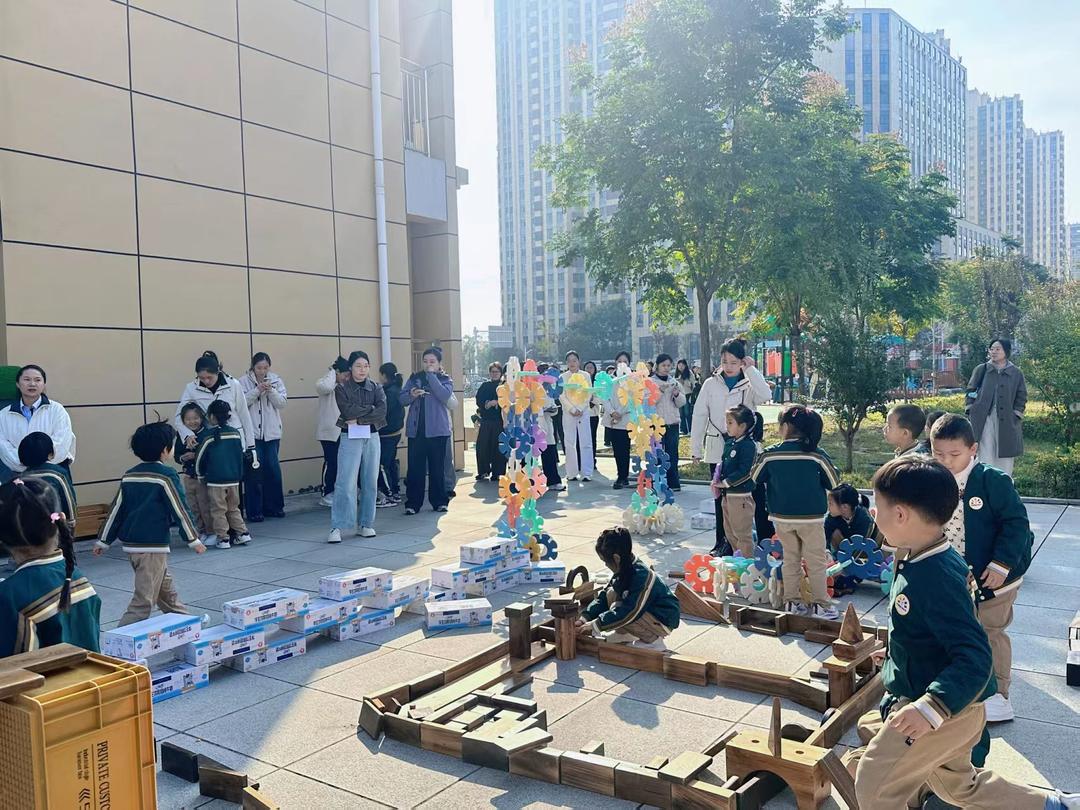
在推进过程中,各园坚持"儿童在前、教师在后"的理念,优化游戏空间与活动流程,强化过程性观察与教学 反思,推动教师从管理者向观察者、支持者、引导者转变。教研共同体通过分组研讨、案例剖析与同伴 观摩,不断将实践问题转化为研究议题,提升了教育教学质量。 济宁高新区高度重视学前教育工作,全维设计,系统推进,幼儿自主性与创造力明显增强,教师专业能力持续 提升,园所教研与教学形成良性循环。下一步,高新区将进一步健全示范带动机制,加强骨干教师培养,深化 教研制度化建设,推动家园协同,持续提升学前教育服务质量,确保每一名幼儿在高质量游戏教育中健康成 长。 济宁高新区依托学前教育教研共同体,聚焦自主游戏教学,以骨干教师为引领、街道示范园为载体,推动全 区学前教育由规范落实向内涵提升迈进。 (通讯员 张燕红) 近期,洸河街道科苑幼儿园、柳行中心幼儿园、王因中心幼儿园、黄屯中心幼儿园、接庄中心幼儿园等 示范园通过主题汇报和现场观摩,系统展示了自主游戏在环境创设、材料投放、教师支持和游戏组织等 方面的实践成果,示范活动形成点面联动的教研格局,有效促进了区域内教学资源共享和专业成长。 ...
济宁高新区聚焦自主游戏,推动学前教育质效双升
Qi Lu Wan Bao· 2025-12-17 09:55
近期,洸河街道科苑幼儿园、柳行中心幼儿园、王因中心幼儿园、黄屯中心幼儿园、接庄中心幼儿园等示范园通过主题汇报和现场观摩,系统展示了自主 游戏在环境创设、材料投放、教师支持和游戏组织等方面的实践成果,示范活动形成点面联动的教研格局,有效促进了区域内教学资源共享和专业成长。 在推进过程中,各园坚持"儿童在前、教师在后"的理念,优化游戏空间与活动流程,强化过程性观察与教学反思,推动教师从管理者向观察者、支持者、 引导者转变。教研共同体通过分组研讨、案例剖析与同伴观摩,不断将实践问题转化为研究议题,提升了教育教学质量。 为实现学前教育质量的稳步提升与内涵式发展,济宁高新区依托学前教育教研共同体,聚焦自主游戏教学,以骨干教师为引领、街道示范园为载体,推动 全区学前教育由规范落实向内涵提升迈进。 近年来,济宁高新区高度重视学前教育工作,全维设计,系统推进,幼儿自主性与创造力明显增强,教师专业能力持续提升,园所教研与教学形成良性循 环。下一步,高新区将进一步健全示范带动机制,加强骨干教师培养,深化教研制度化建设,推动家园协同,持续提升学前教育服务质量,确保每一名幼 儿在高质量游戏教育中健康成长。 (通讯员张燕红) ...
五大板块驱动,深圳福田第一幼教集团走出集团化办园新范式
Nan Fang Du Shi Bao· 2025-12-10 06:09
近日,深圳市福田区第一幼教集团(以下简称"集团")立足学前教育高质量发展需求,以"创新治理、 系统赋能、课程共建、协同育人、强师提质"五大板块为驱动,构建科学治理体系、专业师资梯队、特 色课程体系及开放共享的发展共同体。集团通过制度创新、资源共享、合作共赢,推动治理效能、保教 质量、科研成果全面提升,以"幼有善育"为目标,绘就区域学前教育集团化办学发展新图景。 创新治理机制,筑牢协同发展"压舱石" 集团将现代化治理体系建设置于首位,探索出一套科学决策、规范运行且能动态优化的成熟治理模式。 通过严格执行"开学工作部署会议""阶段性工作会议"及专题会议三级决策机制,所有重大事项均经集体 研讨并完整归档。坚持"计划-执行-检查-改进"管理循环,定期召开阶段性工作会议,系统复盘党 建、行政、研训等方面工作,并部署下一阶段重点任务。针对专项工作形成包含问题诊断、责任分工与 流程监督的系统方案,确保各项工作目标明确、有序推进。 在治理结构上,通过《集团理事会议事制度》《内部管理标准化手册》等制度明确权责边界。依托常态 化的会议决策、系统性的阶段复盘与制度化的协同机制,集团建立起一个完整、稳定且高效的运行系 统,为可持续发 ...
北京通州金宝等四所幼儿园涉嫌存在“小学化”问题被通报
Bei Jing Shang Bao· 2025-12-02 03:46
目前,通州区教委已将上述四所幼儿园涉嫌违规办学的案件线索,移交至通州区市场监督管理局进行下 一步处置。 北京商报讯(记者 吴其芸)12月2日,北京市教委官方微信公众号"首都教育"发布的消息显示,近日, 通州区教委在日常检查中发现,通州区金宝幼儿园、通州区未来大脑幼儿园、北京红杉幼儿园有限公 司、北京未来贝星幼儿园有限公司四所民办非普惠幼儿园,涉嫌存在违规教授小学课程内容的行为。此 类"小学化"错误教育行为,违背了幼儿身心发展规律,干扰了正常的学前教育秩序,与国家及北京市关 于科学保教的相关规定背道而驰。 通州区教委表示,将持续加大对违规办园行为的检查力度,针对幼儿园在办学行为中出现的违背幼儿身 心发展规律、损害幼儿家长利益等问题,坚持违规必查、违法必究,切实营造良好的学前教育环境。 ...
涉嫌违规教授小学课程内容,北京通州区四所幼儿园被通报
Xin Jing Bao· 2025-12-01 10:22
这四所幼儿园分别是北京市通州区金宝幼儿园,注册地址在北京市通州区运河东堤东侧运潮减河南侧交 汇处8号楼、11号楼、芙蓉园515号楼;北京市通州区未来大脑幼儿园,注册地址在北京市通州区梨园镇 怡乐西路;北京红杉幼儿园有限公司,注册地址在北京市通州区怡乐中路268、270、272、274、276、 278、280、282号;北京未来贝星幼儿园有限公司,注册地址为北京市通州区翠景北里20号楼1至2层 101。 北京市通州区教委通报表示,依据《中华人民共和国学前教育法》及《教育部办公厅关于开展幼儿 园"小学化"专项治理工作的通知》等相关要求,已将上述四所幼儿园涉嫌违规办学的案件线索,移交至 通州区市场监督管理局进行下一步处置。通州区教委表示将持续加大对违规办园行为的检查力度,针对 幼儿园在办学行为中出现的违背幼儿身心发展规律、损害幼儿家长利益等问题,坚持违规必查、违法必 究,切实营造良好的学前教育环境。 新京报讯(记者刘洋)12月1日,北京市通州区教育委员会通报四所民办幼儿园的违规情况。据介绍, 通州区教委在日常检查中发现,通州区金宝幼儿园等四所民办非普惠幼儿园,涉嫌存在违规教授小学课 程内容的行为,此类"小学化"错 ...
汇聚学术大咖 艺教工程幼儿园园长共同体赋能幼儿德育专业化发展
Zhong Guo Jin Rong Xin Xi Wang· 2025-11-27 09:42
Core Insights - The first annual conference of the Kindergarten Principals Community, co-hosted by the Shenzhen Aisheng Public Welfare Foundation and the China Children’s Culture and Art Foundation, was successfully held in Beijing, focusing on the theme "Cultivating Virtue and Leading the Future" [1][3] - The conference aimed to explore new models and innovative paths for early childhood moral education, gathering experts, principals, and teachers in the field [1][3] Group 1 - The Kindergarten Principals Community was established in November 2023, with plans to officially launch its activities in April 2025, aiming to create a national platform for early childhood moral education that integrates diverse resources and wisdom [7] - The community has appointed prominent figures in the field, including Chen Lai from Tsinghua University as the chief advisor and Liu Jingbo from Nanjing Normal University as the head of the expert committee, ensuring strong academic support [7] - The community has initiated the "Aide Shuo" moral education project, engaging 41 outstanding kindergarten principals from across the country to lead practical moral education activities [10] Group 2 - During the conference, representatives from various kindergartens shared their innovative practices and achievements in moral education, highlighting the community's role in facilitating resource sharing and experience exchange nationwide [10] - The showcased cases included both cutting-edge explorations from first- and second-tier cities and unique practices from rural kindergartens, demonstrating the community's impact on early childhood moral education [10] - Experts present at the conference provided professional feedback on the work of the principals and highly praised the achievements of the Kindergarten Principals Community in moral education practices [10]

回归教育本真,全国学前教育专家共研混龄教育
Chang Jiang Ri Bao· 2025-11-14 13:07
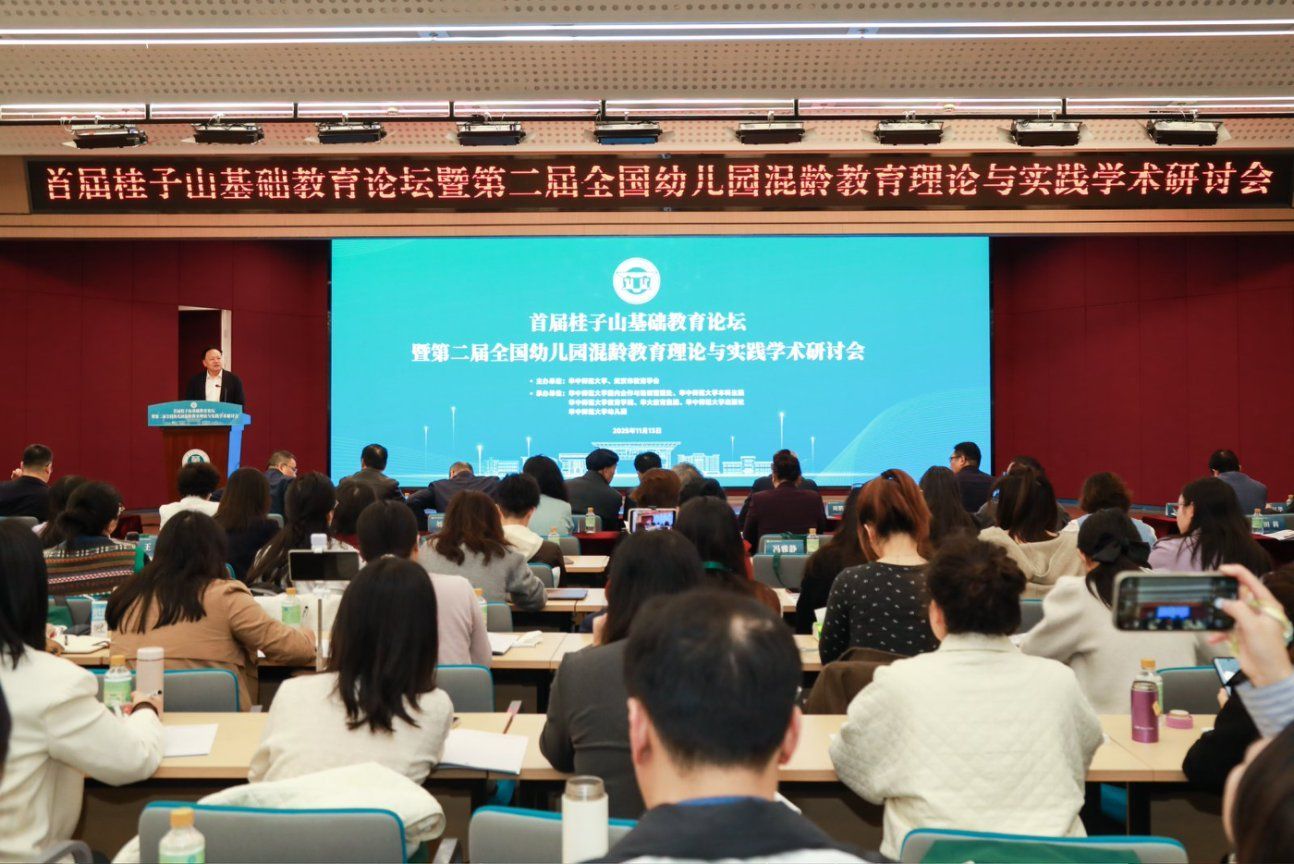
将不同年龄段的儿童编入同一班级共同学习生活,混龄教育能为每个孩子的个性化成长提供自然土壤。但办好混龄教育,对教师素质 提出了更高挑战。13日至14日,全国学前教育界权威专家、教育行政部门领导、知名中小学校长及一线教师代表等近300人共聚华中师范 大学,参加首届桂子山基础教育论坛暨第二届全国幼儿园混龄教育理论与实践学术研讨会。 周洪宇表示,混龄教育与陶行知"生活教育"理论一脉相承,其中"小先生制"所倡导的即知即传、教学相长,正是混龄教育核心理念的 当代先声。 据了解,此次论坛由武汉市教育学会联合华中师范大学等单位共同发起。在当前《中华人民共和国学前教育法》正式实施和湖北省推 行学前一年免费教育政策的背景下,混龄教育展现出优化资源配置、增强供给弹性的独特价值。 华中师范大学校长彭双阶致辞。 本次论坛以"幼儿园混龄教育理论与实践"为主题。华中师范大学校长彭双阶、中国教育学会副会长周洪宇,以及湖北省教育科学研究 院、武汉市教育学会、洪山区教育局等相关单位主要负责人参加。 彭双阶介绍,为破解人才培养中的学段割裂问题,华中师范大学创办 "桂子山基础教育论坛",其核心目标是推动高等教育与基础教 育一体化发展,在本科培养中有 ...
广东一地关停4所幼儿园
Nan Fang Du Shi Bao· 2025-11-04 13:51
Core Points - The announcement from the Education Bureau of Qingcheng District, Qingyuan City, Guangdong Province, states that four kindergartens have had their operating licenses expire and are no longer qualified to operate [1] Group 1: Kindergarten License Expiration - The following kindergartens have had their licenses expire: 1. Qingyuan City Qingcheng District Longtang Town Jingjing Kindergarten 2. Qingyuan City Qingcheng District Hengfeng Kindergarten 3. Qingyuan City Qingcheng District Chaoyang Kindergarten 4. Qingyuan City Qingcheng District Honghe Street Gangtou Qiming Kindergarten [1] - According to the "Regulations on the Implementation of the Private Education Promotion Law of the People's Republic of China," the licenses of these kindergartens are void from the expiration date, and they must cease all educational activities [1] - The kindergartens are required to organize their own liquidation and apply for cancellation of registration with the registration authority [1]