
汽车销售

Search documents
武汉喆昇汽车销售服务有限责任公司成立 注册资本500万人民币
Sou Hu Cai Jing· 2025-08-19 02:26
Group 1 - A new company, Wuhan Zhesheng Automobile Sales Service Co., Ltd., has been established with a registered capital of 5 million RMB [1] - The legal representative of the company is Hu Yi [1] - The company's business scope includes various automotive-related activities such as automobile sales, new energy vehicle sales, and manufacturing of auto parts [1] Group 2 - The company is involved in the sales of new energy vehicle charging facilities and equipment, including charging stations and battery swap facilities [1] - Additional services offered by the company include vehicle repair and maintenance, as well as sales of agricultural machinery and environmental protection equipment [1] - The company is permitted to operate various projects that are not prohibited or restricted by laws and regulations [1]
仅三成达成销售目标 新能源品牌盈利优势显现
Zhong Guo Zheng Quan Bao· 2025-08-18 20:17
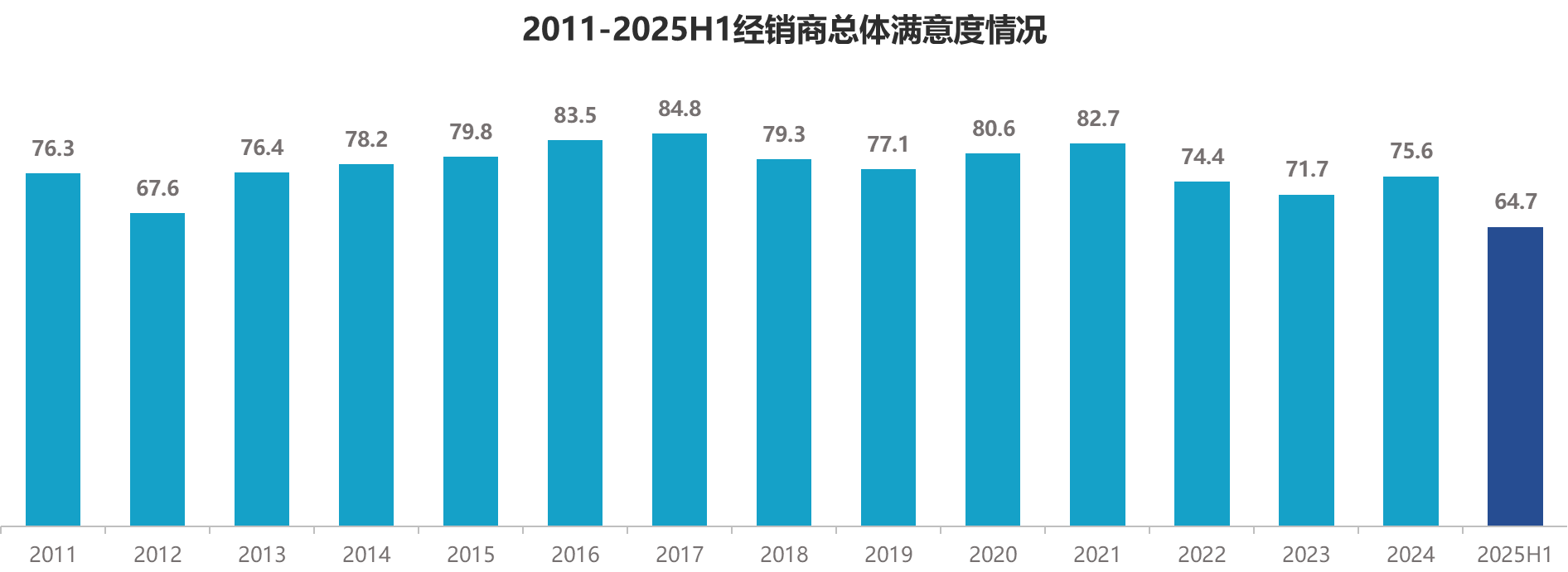
Core Insights - The overall satisfaction score of automotive dealers in China dropped significantly to 64.7 points in the first half of 2025, primarily due to multiple operational pressures [2] - Only 30% of dealers met their sales targets in the first half of the year, indicating increased survival pressure for dealers [2] - The profitability of dealers is under severe strain, with 52.6% reporting losses, while only 29.9% reported profits [2] Group 1: Dealer Performance - The proportion of dealers completing sales targets is low, with 29% of dealers achieving less than 70% of their targets [2] - Among new energy independent brand dealers, 42.9% reported profits, compared to only 25.6% of traditional fuel vehicle brand dealers [2] - The overall performance of dealers is further complicated by a significant increase in the number of dealers reporting losses [2][3] Group 2: Profitability and Revenue Sources - The gross profit contributions from new cars, after-sales, and financial insurance are -22.3%, 63.8%, and 36.2% respectively, indicating a negative contribution from new car sales [3] - New energy brand dealers show relatively better profitability in new car sales compared to traditional fuel vehicle brand dealers [3] Group 3: Pricing and Financial Pressures - 74.4% of dealers experienced price inversion, with 43.6% facing price inversions exceeding 15% [4] - The severe price inversion is consuming dealers' liquidity, particularly affecting traditional fuel brand dealers [4] - The automotive industry is facing challenges with the complexity of rebate policies from manufacturers, which need to be simplified to alleviate financial pressures on dealers [4][5]
仅三成达成销售目标新能源品牌盈利优势显现
Zhong Guo Zheng Quan Bao· 2025-08-18 20:14
Core Insights - The overall satisfaction score of automotive dealers in China has significantly decreased to 64.7 points in the first half of 2025, reflecting multiple operational pressures [1] - Only 30% of dealers met their sales targets in the first half of the year, indicating a challenging survival situation for dealers [1] - The proportion of dealers reporting losses has risen to 52.6%, with only 29.9% reporting profits [1] Group 1: Dealer Performance - Dealers of independent new energy brands performed better than traditional fuel vehicle brands, with 42.9% of new energy dealers reporting profits compared to 25.6% of traditional dealers [2] - The overall satisfaction with new and used car sales remains low, with issues such as high target tasks and insufficient brand competitiveness affecting new car sales [2][3] - 74.4% of dealers experienced price inversion during sales, with 43.6% reporting a price inversion exceeding 15% [2] Group 2: Financial Pressures - Severe price inversion has consumed dealers' liquidity, particularly affecting traditional fuel brand dealers who face significant losses in new car sales [3] - The rebate policies from manufacturers are complex and need optimization, with a high proportion of vague rebates causing financial strain on dealers [3] - The recommendation is for manufacturers to simplify rebate policies and implement monthly assessments to improve cash flow for dealers [3]
和谐汽车(03836)完成出售海外新能源汽车业务45%权益
智通财经网· 2025-08-18 14:43
智通财经APP讯,和谐汽车(03836)发布公告,根据该协议的条款及条件,所有条件均已获达成,出售事 项已于2025年8月18日完成。出售事项完成后,公司仍持有出售公司55%的股权,出售集团的成员公司 将继续作为公司的附属公司,其业绩、资产和负债将继续合并到集团的综合财务报表中。 ...
永达汽车8月18日注销2130.9万股已购回股份
Zhi Tong Cai Jing· 2025-08-18 13:01
Core Viewpoint - Yongda Automobile (03669) announced the cancellation of 21.309 million shares that have been repurchased, effective on August 18, 2025 [1] Company Summary - The company is set to cancel a total of 21.309 million shares, which indicates a strategic move to manage its share capital [1]
永达汽车(03669)8月18日注销2130.9万股已购回股份
智通财经网· 2025-08-18 12:58
智通财经APP讯,永达汽车(03669)发布公告,于2025年8月18日该公司注销2130.9万股已购回股份。 ...
对厂家满意度创新低!上半年汽车经销商承压:亏损比例上升至52.6%,仅三成完成销售目标
Mei Ri Jing Ji Xin Wen· 2025-08-18 12:43
Core Insights - The satisfaction score of automotive dealers towards manufacturers has significantly declined, reaching the lowest level in nearly 14 years due to multiple operational pressures and increased price inversion [1][3] Group 1: Dealer Performance - In the first half of 2025, 74.4% of automotive dealers experienced varying degrees of price inversion, with nearly half facing price inversions exceeding 15% [3] - Only 30.3% of dealers met their sales targets, while 29.0% had a completion rate below 70%, and 40.7% completed between 70% and 100% of their targets [3][7] - The profitability situation among dealers worsened, with 52.6% reporting losses, 17.5% breaking even, and 29.9% making profits [7] Group 2: Brand Performance - Dealers of independent new energy brands performed better than those of traditional fuel vehicle brands, with profit rates of 42.9% for new energy brands compared to 25.6% for traditional brands [7] - Loss rates for traditional fuel vehicle brand dealers reached approximately 58.6%, indicating significant financial strain [7] Group 3: Market Dynamics - Domestic automotive consumption showed mild recovery due to vehicle scrappage and replacement policies, but intense market competition led to a situation where increased sales did not translate into higher revenue or profits [10] - Manufacturers have implemented various rebate structures for dealers, but the complexity and length of rebate cycles have created challenges for dealers in accurately calculating and utilizing these rebates [10] Group 4: Future Outlook - Dealers anticipate a trend of slight growth or stability in 2025, with only 49% expecting an increase in annual sales, a decrease in optimism compared to the end of 2024 [10]

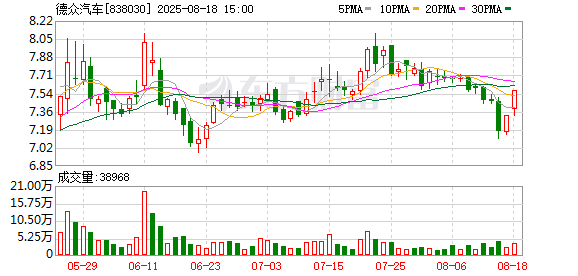
德众汽车:关于全资子公司完成减资的公告
Zheng Quan Ri Bao· 2025-08-18 12:39
Group 1 - The company announced a reduction in capital for its wholly-owned subsidiaries, Hengyang Yunjie Automobile Sales Service Co., Ltd. and Yueyang Baoli Automobile Sales Service Co., Ltd. [2] - The board meetings to approve the capital reductions were held on April 29, 2025, and June 9, 2025, respectively [2] - The company has received the business licenses reflecting the capital reductions for both subsidiaries [2]

调查显示上半年汽车经销商亏损比例升至52.6% 仅三成完成上半年销售目标
Xin Hua Cai Jing· 2025-08-18 11:39
Core Insights - The survival status of automotive dealers in China has worsened significantly in the first half of 2025, with only 30.3% achieving their sales targets, and over 52.6% reporting losses [1][2][4] Group 1: Sales Performance - Only 30.3% of automotive dealers met their sales targets in the first half of 2025, with 29.0% achieving less than 70% of their goals [2] - Among different brand categories, luxury brands performed slightly better than joint venture and independent brands in terms of target completion [2] Group 2: Pricing Issues - A staggering 74.4% of automotive dealers faced varying degrees of price inversion, with 43.6% experiencing price inversions exceeding 15% [3] - Price inversion has severely impacted cash flow for dealers, particularly those selling traditional fuel vehicles, leading to significant losses in new car sales [3] Group 3: Profitability and Losses - The proportion of automotive dealers reporting losses rose to 52.6% in the first half of 2025, with only 29.9% reporting profits [4] - New car sales contributed negatively to gross profit at -22.3%, while after-sales and financial insurance contributed positively at 63.8% and 36.2%, respectively [4] - Independent brand dealers in the new energy sector fared better, with 42.9% reporting profits compared to only 25.6% of traditional fuel vehicle dealers [4] Group 4: Dealer Satisfaction - Overall satisfaction among automotive dealers has declined, with a score of 64.7, significantly lower than at the end of 2024 [5] - Dealers expressed dissatisfaction due to increased price inversions, reduced profit margins, and a lack of support from manufacturers, particularly in new and used car sales [5] - The survey covered 936 valid responses from various automotive dealer groups, indicating a broad representation of the industry's challenges [5]
中国汽车流通协会:上半年完成销售目标的经销商占比仅三成
Jing Ji Guan Cha Bao· 2025-08-18 10:27
(原标题:中国汽车流通协会:上半年完成销售目标的经销商占比仅三成) 8月18日讯,中国汽车流通协会发布《2025年上半年全国汽车经销商生存状况调查报告》显示,2025年 上半年,仅30.3%的经销商完成销售目标,目标完成率低于70%的经销商占比29.0%,目标完成率高于 70%不足100%的经销商占比40.7%。分品牌组来看,豪华品牌目标完成率略好于合资品牌和自主品牌, 合资品牌中完成70%及以下目标的经销商占比,高于豪华/进口品牌及自主品牌。 ...