人工智能硬件

Search documents
投资人,正在大疆门口“蹲”项目
Hu Xiu· 2025-10-10 07:59
Core Insights - The article discusses the current trend of investment in AI hardware, highlighting that many financial advisors (FAs) are relocating their offices near DJI in Shenzhen to capitalize on the AI boom [1][3] - The focus has shifted from high-quality FA services to basic tasks, with a strategy of targeting employees from major tech companies for investment opportunities [2][3] - Recent financing activities in the AI hardware sector indicate a strong interest from investors, particularly in companies that have connections to established tech giants [4][5] Investment Trends - The AI hardware sector is experiencing significant investment, with companies like Robopoet and Ropet securing millions in funding [4][5] - Notable recent financings include Nothing's $200 million Series C round and Haivivi's 200 million yuan Series A round, indicating a robust interest in AI-integrated products [4][5] - The trend shows that many investors are "all in" on consumer hardware, driven by China's strong supply chain and the recent IPO of a successful AI hardware company [5] AI Toy Market - The AI toy segment is emerging as a rapidly growing niche, with 96 investment institutions currently involved [6] - Investors are divided on the value of AI in toys, with some seeing potential in the technology while others criticize the lack of differentiation in products [6][8] - User retention rates for AI toys are declining, suggesting that initial novelty wears off quickly, impacting long-term engagement [7][8] Future of AI Devices - There is ongoing speculation about the next generation of smart devices that could replace smartphones, with companies like OpenAI and Meta exploring new form factors such as AI-driven glasses [12][13][15] - OpenAI is developing a pocket-sized AI device that integrates advanced context-aware systems, while Meta is betting on smart glasses as the future of personal devices [12][13] - The market for smart glasses remains contentious, with differing opinions on their viability based on user habits and technological readiness [15] Emerging Opportunities - Investment opportunities are categorized into "upgrade opportunities" that enhance existing products and "definition opportunities" that create entirely new categories [16][17] - Specific needs, such as those for special education tools for children with disabilities, are identified as potential areas for growth [18][19] - The concept of interactive IP-based products is gaining traction, allowing for personalized user experiences through smart devices [20]
搞懂就赢!2025年A股牛市本质是 “科技牛”,脱离主线全是瞎折腾
Sou Hu Cai Jing· 2025-10-06 16:17
Core Viewpoint - The essence of the current bull market in A-shares is identified as a "technology bull," which is crucial for investors to understand in order to navigate the market effectively [1][5][8]. Market Performance - Since the beginning of 2025, particularly after April 8, A-shares have experienced a rare bull market, characterized by significant performance differences among various indices [1][5]. - From early 2025 to September 22, the Shanghai Composite Index and the CSI 300 Index both saw a cumulative increase of approximately 15%, while the Sci-Tech Innovation 50 Index surged by 42%, and the ChiNext Index rose by 47% [5][6]. Investment Focus - Investors are advised to focus on technology stocks, as they have significantly outperformed traditional cyclical stocks and large-cap blue chips [6][9]. - The performance gap is evident, with the Sci-Tech Innovation 50 Index outperforming the Shanghai Composite Index by 27 percentage points and the ChiNext Index leading the CSI 300 by 32 percentage points [5]. Valuation Insights - As of September 19, the TTM price-to-earnings ratio of the Shanghai Composite Index was at the 95th percentile of the last ten years, indicating it is close to its historical high, while the CSI 300 Index was at the 82nd percentile, suggesting it is also in a relatively expensive range [7]. - In contrast, the ChiNext Index's valuation was at the 50th percentile, indicating that despite its significant rise, it remains at a moderate level compared to historical data, suggesting it is not yet in a bubble [7]. Future Catalysts - The technology sector is expected to benefit from numerous favorable events in the near future, including advancements in robotics, AI hardware, semiconductors, low-altitude economy, quantum technology, and smart driving [7]. - These upcoming developments are anticipated to provide ongoing momentum for the technology sector, reinforcing its leading position in the current bull market [8].


汤姆猫上半年业绩双降、利润转亏 AI创新布局谋求转型破局
Xin Lang Zheng Quan· 2025-09-30 09:02
Core Insights - The company is leveraging the classic IP of "Talking Tom Cat" to establish a presence in the new AI hardware sector [1] - The latest semi-annual report indicates challenges in performance, with overall revenue and net profit declining compared to the same period last year [1][2] - The company is shifting its strategy towards "AI + IP + Agent," aiming to extend the Tom Cat IP into innovative hardware areas like AI emotional companion robots [1] Business Performance - The core business of Tom Cat is under pressure, particularly in the online mobile application sector, which has faced market challenges [2] - The gaming business, a major revenue source, has seen adjustments compared to the previous year [2] - Despite maintaining a high gross margin, profit margins are being squeezed due to rising operating expenses, which have negatively impacted net profit [2] - Total assets have decreased compared to the end of the previous year, and the asset-liability ratio has increased [2] - Cash flow from operating activities has declined year-on-year, indicating pressure on cash turnover during the business transformation [2] AI Innovation Strategy - In response to structural adjustments in the gaming sector, the company views AI companion robots as a key strategic direction and is actively advancing product development and market expansion [3] - The company is building an online and offline multi-channel marketing system to accelerate market penetration of AI robot products, which are now available on major platforms like Douyin, JD.com, Tmall, WeChat, Pinduoduo, and Xiaohongshu [3] - The Tom Cat IP family includes multiple classic character images, and the company plans to launch AI emotional companion robots featuring different IP characters to cater to diverse user preferences [3] - The first-generation AI emotional companion product will serve as a foundation for launching portable, multifunctional products that can operate in various environments, expanding from desktop to outdoor and family spaces [3] - The company is also exploring integrated AI edge model solutions, focusing on data security and low-latency applications to enhance long-term competitiveness in the AI smart application field [3] - The success of the company's transformation and the potential for new growth drivers will depend on market validation as the AI companion robot product matrix expands and new gaming products are launched [3]

张一鸣和奥特曼都得学小扎
36氪· 2025-09-29 10:23
Core Viewpoint - The article discusses the emerging trend of AI hardware development by leading tech companies like OpenAI and ByteDance, highlighting their strategies and potential market impacts. Group 1: OpenAI's Hardware Strategy - OpenAI is shifting focus towards hardware development, integrating design expertise from Jony Ive's team and collaborating with manufacturers like Luxshare Precision and GoerTek for AI product components [5][11][12] - The first product from OpenAI is expected to be a "screenless smart speaker" with potential future products including glasses and wearable devices, aiming for a release by late 2026 or early 2027 [6][12] - OpenAI's hardware team is led by former Apple executives, indicating a strong background in hardware design and manufacturing [11][12] Group 2: ByteDance's AI Hardware Plans - ByteDance is also venturing into AI hardware, planning to launch self-developed AI smart glasses and expanding its robotics efforts, having already produced over 1,000 logistics robots [6][16] - The company has previously launched AI headphones, but the market response was lukewarm, indicating challenges in establishing a strong hardware presence [16][18] - ByteDance's AI glasses are expected to focus on voice interaction and photography, similar to Meta's Ray-Ban products, but with a different approach to display technology [19][20] Group 3: Meta's Market Position - Meta has successfully established itself in the AI glasses market with the Ray-Ban series, achieving over 2 million units sold and aiming for an annual production of 10 million by 2026 [7][25] - The collaboration with EssilorLuxottica has allowed Meta to leverage existing retail networks for product trials and sales, enhancing consumer acceptance [20][22] - Meta's strategy emphasizes integrating AI into familiar product designs rather than creating entirely new categories, which has contributed to its market leadership [22][26] Group 4: Industry Challenges and Comparisons - Both OpenAI and ByteDance face significant challenges in hardware development, particularly in establishing effective distribution channels and consumer engagement [20][27] - The article suggests that learning from Meta's approach could be beneficial for both companies, as they navigate the complexities of the hardware market [28]


珞博智能完成红杉中国数千万元天使+轮融资
Xin Lang Cai Jing· 2025-09-26 04:05
Core Insights - Robopoet, an AI companion hardware company, has completed a multi-million angel round financing led by Sequoia China, with participation from existing investors Jinsha River Ventures and Zero One Ventures [1] Company Developments - The financing will enhance the company's core AI capabilities while expanding both online and offline sales channels [1] - Robopoet aims to build brand recognition and an IP universe around its product "Fuzozo" [1] - The company plans to collaborate with top global IPs to launch limited edition co-branded products in the future [1]
以对话重塑智能边界:Plaud揭示背后的“三高”哲学与产品信仰
Huan Qiu Wang Zi Xun· 2025-09-25 04:31
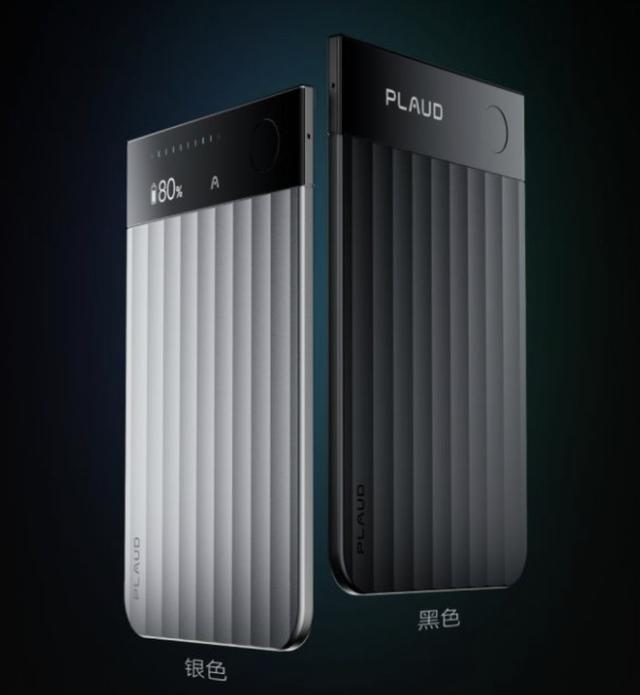
Core Insights - Plaud aims to be an intelligent partner in the AI era, focusing on understanding, thinking, and empathizing rather than just being a faster recording tool [1][2] - The company has officially entered the Chinese mainland market, launching three core products, including the Plaud Note Pro, Plaud Note, and the wearable AI note-taking device Plaud NotePin [2][4] - Since its global product launch in 2023, Plaud has sold over one million devices across 170 countries, targeting high-level professionals in various fields [4][6] Product Strategy - Plaud emphasizes a unified product experience globally, avoiding significant adjustments for different markets, while acknowledging a 3-6 month gap in model capabilities compared to overseas versions [5][6] - The target user group is defined as "three high" individuals: high dialogue dependence, high knowledge density, and high decision leverage, including executives, doctors, and financial professionals [6][8] - The company prioritizes product quality over price competition, with Plaud Note Pro priced around 1100-1200 yuan, focusing on delivering the best user experience rather than competing on cost [8][9] Technological Features - Plaud's products integrate multiple top-tier models to ensure optimal output, with a focus on stability and reliability over flashy features [7][9] - The Plaud Note Pro is designed to be ultra-thin and lightweight, measuring only 2.99 mm thick and weighing 30 grams, which limits the inclusion of a Type-C interface [7][8] - The product features a "one-click marking" function to help users capture key information in real-time, enhancing the AI's understanding of context and intent [9][10] Future Directions - Plaud does not plan to develop its own models but aims to enhance memory and context building for better long-term user engagement [10] - The company is focused on providing value rather than competing in the crowded AI hardware market, emphasizing the importance of user output over input [10]
深度|“长眼睛”的奇多多AI学伴,凭什么能爆卖10000台?
Z Potentials· 2025-09-25 03:05
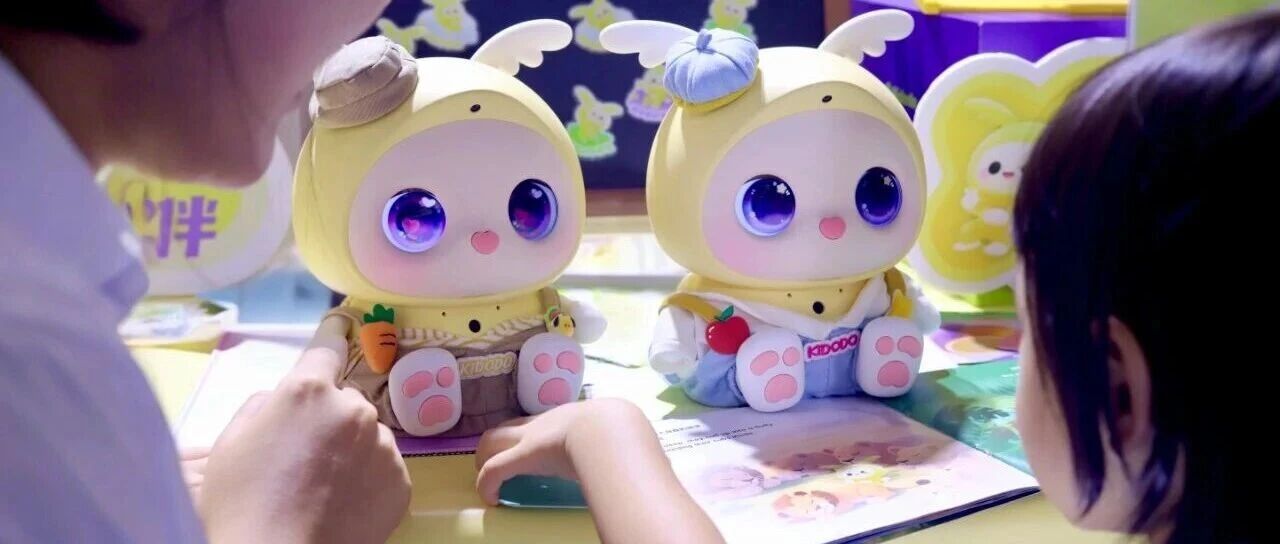
Core Insights - The article discusses the launch of the "Qiduo AI Learning Companion," the first AI interactive robot based on an "end-to-end real-time multimodal interaction model" in China, which has gained significant traction in the early education market with over 10,000 units sold in just one week of pre-sale [1][5][6] - The product emphasizes three breakthroughs: the ability to "see" the world, low-latency feedback comparable to human interaction, and personalized companionship that can "grow" with the child [1][5] Group 1: Product Features and Innovations - The Qiduo AI Learning Companion focuses on addressing the pain points in early education by providing a rich emotional and memory system, low-latency feedback, and precise recognition of children's speech [5][6] - The product's model boasts two main advantages: visual capabilities that align with children's learning habits and millisecond-level feedback, which is crucial for maintaining children's attention [6][8] - The product is designed to cater to different developmental stages of children aged 0-10, with specific features for each age group, including interactive reading and emotional support [11][14][19] Group 2: Market Positioning and Competitive Advantage - The choice of the early education hardware market is based on a comprehensive analysis of market size, company barriers, and industry trends, indicating a high ceiling for AI companion robots [9][11] - Qiduo differentiates itself from competitors by offering a comprehensive solution that combines multiple functionalities into one product, reducing the need for multiple devices [19][21] - The company claims a significant cost advantage, having reduced costs by 95% through in-house model development, allowing for a lifetime free use of AI features for users [19][30] Group 3: Technical Framework and Capabilities - The underlying technology, the EVA model, integrates multimodal capabilities to provide human-like interactions, addressing the challenges of traditional AI in children's learning environments [22][24] - The model has been optimized for early education scenarios, achieving high accuracy rates in recognizing various types of books and objects, even in complex environments [24][25] - The product includes a personalized memory engine that adapts to individual users, enhancing engagement and interaction quality [27][28][29] Group 4: Ecosystem and Future Development - The EVA OS is designed to be an open platform, allowing other hardware manufacturers to integrate its capabilities without starting from scratch [31][33] - Initial partnerships have shown significant improvements in user engagement and sales for collaborating companies, indicating the potential for broader applications of the technology [33][35] - The company aims to create a collaborative ecosystem that fosters innovation in multimodal AI applications across various smart hardware [33]
AI硬件革命来袭 OpenAI从云端走向终端
Bei Jing Shang Bao· 2025-09-25 01:43
Core Insights - OpenAI is intensifying its efforts in the AI hardware market, collaborating with major supply chain companies like Luxshare Precision and Goertek, aiming to create a closed-loop system of "model + hardware" to reshape the hardware entry point in the AI era [1][3]. Group 1: OpenAI's Hardware Strategy - OpenAI has established a strategic partnership with Luxshare Precision to co-develop a consumer-grade AI device, currently in the prototype stage, expected to launch by late 2026 or early 2027 [3]. - The planned AI hardware includes smart glasses, digital voice recorders, and wearable badges, designed to integrate deeply with OpenAI's AI models for enhanced human-computer interaction [3][4]. - OpenAI's shift from investment to self-designed hardware reflects its ambition to control the entire design ecosystem and leverage existing industrial design expertise through acquisitions [5][6]. Group 2: Market Dynamics and Challenges - Despite OpenAI's high-profile initiatives, the overall AI hardware industry remains in a challenging position, with many products failing to gain traction in the market [8]. - Previous attempts by companies like Meta to launch AI hardware have faced significant setbacks, highlighting the difficulties in achieving user acceptance and functionality [8][9]. - Analysts suggest that successful AI hardware must address user experience, energy consumption, and practical application scenarios to avoid the pitfalls of earlier products [9][10]. Group 3: Talent Acquisition and Ecosystem Building - OpenAI has actively recruited over 25 professionals from Apple, focusing on enhancing its hardware engineering capabilities and reducing bureaucratic barriers to foster innovation [6]. - The collaboration with Luxshare Precision is expected to leverage Asia's efficient supply chain to build technological barriers and enhance product development [6][7]. - OpenAI's strategy emphasizes creating an ecosystem that combines algorithms, hardware, and data to drive competitive advantage in the AI landscape [6].



对话 Plaud 莫子皓:你还记得 PMF 的感觉吗?
Founder Park· 2025-09-25 01:03
Core Insights - Plaud is aggressively hiring and aims to expand its team to enhance its AI hardware capabilities, reflecting its growth trajectory and market potential [2][9] - The company reported over $100 million in earnings last year, with projections to exceed $200 million this year, indicating strong financial performance and market demand [3][4] - Plaud's product, a $150 recording card, has sold to over 1 million users globally, showcasing its success in the AI hardware startup space [4] Group 1: Business Model and Market Position - Plaud's business model is not heavily reliant on external financing, as it has established itself as a leading AI hardware startup [4] - The company emphasizes the importance of product-market fit (PMF), which has driven its rapid growth, achieving a fourfold increase in sales within a year [5][18] - The competitive landscape is evolving, but Plaud remains focused on delivering cutting-edge intelligence to its users, rather than being distracted by slower competitors [6][9] Group 2: Product Development and User Engagement - The company is iterating on its product offerings, moving from a simple recording device to a more comprehensive work companion that integrates various functionalities [58][70] - New features like "Press to Highlight" allow users to mark important moments during recordings, enhancing the value of the captured information [44][46] - Plaud aims to align AI capabilities with user intentions, ensuring that the technology not only records but also understands and processes user needs effectively [47][56] Group 3: Future Directions and Market Strategy - The company plans to expand its presence in the Chinese market, recognizing the significant opportunity presented by a large user base [68] - Future product iterations will focus on integrating advanced AI capabilities, with an emphasis on context and user interaction [70][74] - Plaud is committed to maintaining a strong engineering team to support its ambitious goals in the AI hardware space, prioritizing talent that can drive innovation [78][79]

专访Plaud中国区CEO:我们只做「必须做」和「不做要死」的事
36氪· 2025-09-25 00:00
Core Viewpoint - The article highlights the success of Plaud as a leading AI hardware company, emphasizing its unique approach to product development and market entry strategies, particularly in the context of the AI revolution [4][11]. Group 1: Company Overview - Plaud has sold over 1 million units of its AI note-taking products across 170 countries within three years of its establishment [5]. - The company anticipates a total revenue of $250 million by September 2025, which includes both hardware and subscription-based AI software [6][7]. Group 2: Product Strategy - Plaud focuses on a specific niche in the market, targeting dialogue-driven work environments rather than document-driven ones, which differentiates it from competitors like DingTalk and Feishu [19][44]. - The newly launched "Ask Plaud" feature allows users to engage in deep Q&A with the AI based on recorded content, showcasing a unique approach to user interaction [20][25]. Group 3: Market Positioning - Despite the presence of larger competitors, Plaud maintains its pricing strategy without undercutting, believing that the value provided justifies the cost [16][102]. - The company aims to position itself as a "work companion" rather than a mere productivity tool, focusing on providing intellectual value rather than just efficiency [36][75]. Group 4: Team and Culture - The core competitive advantage of Plaud is its dedicated team, which operates with a high level of commitment and alignment towards the company's vision [14][48]. - The management style is characterized by quick decision-making and a flat organizational structure, allowing for efficient communication and rapid adjustments [61][63]. Group 5: Future Outlook - Plaud is focused on leveraging advancements in AI models to enhance its product offerings, aiming to remain at the forefront of the AI note-taking market [109][110]. - The company is committed to continuous innovation and growth, with a strong emphasis on maintaining product quality and user satisfaction as key drivers of success [113][120].