
保险中介

Search documents
竞相上市与黯然退场并现保险中介行业含金量几许
Zhong Guo Zheng Quan Bao· 2025-06-16 20:58
Group 1: Market Overview - The insurance intermediary market is experiencing a "listing boom" with several companies, including Shouhui Group, seeking to go public, while the number of institutions is decreasing, indicating a significant industry divide [1][4] - As of the end of 2024, there were 2,539 insurance intermediary institutions in China, a decrease of 27 from the end of 2023, with over 20 institutions having deregistered in 2025 [4][5] - The market for insurance intermediary equity transactions is sluggish, with many institutions facing lower transfer prices and instances of unsold shares [4][5] Group 2: Shouhui Group's Performance - Shouhui Group, a life insurance intermediary service provider, went public on May 30, 2024, but its stock price fell over 34% from its initial offering price by June 16, 2024 [1][2] - The company reported revenues of 806 million yuan in 2022, 1.634 billion yuan in 2023, and projected 1.387 billion yuan in 2024, with net profits of 131 million yuan in 2022, a loss of 356 million yuan in 2023, and a projected loss of 136 million yuan in 2024 [2] Group 3: Industry Challenges and Trends - The insurance intermediary industry is undergoing transformation due to increased regulatory scrutiny and competitive pressures, leading to a "Matthew effect" where larger firms gain market share at the expense of smaller ones [4][5][6] - The implementation of the "reporting and operation integration" policy has compressed commission margins, putting additional pressure on intermediaries that rely heavily on commission income [6][8] - Experts suggest that insurance intermediaries need to enhance their service capabilities, leverage technology, and focus on differentiated services to remain competitive in a challenging market [6][7][8] Group 4: Future Directions - Industry insiders recommend that insurance intermediaries should not solely pursue scale but instead focus on precise operations and specialized services to achieve differentiation [7][8] - The need for digital transformation is emphasized, with many listed or prospective companies highlighting their technological attributes to attract users [7][8] - Continuous improvement in long-term service capabilities, team quality, and technological investment is essential for building a competitive edge in the market [8]
保险中介公司融资与并购的战略选择
Sou Hu Cai Jing· 2025-06-11 18:09
Core Viewpoint - The insurance intermediary industry is increasingly active in capital markets, with financing and mergers & acquisitions (M&A) becoming essential strategies for rapid expansion, resource optimization, and enhanced competitiveness [1][3]. Financing Strategy: Diversified Channels and Capital Value Restructuring - IPO financing is breaking through profitability bottlenecks and enhancing brand premiums, with companies like ZhiBao Technology raising $120 million and achieving an $800 million valuation after listing [4]. - Zhongmiao Tech raised HKD 350 million for AI risk control system development, with a 45% year-on-year growth in premium volume in 2023, but faces challenges from declining commission rates [4]. - Pan Asia Financial Holdings issued CNY 500 million in corporate bonds and secured a $300 million investment from Temasek to accelerate international expansion, increasing AI underwriting system coverage from 30% in 2023 to 65% in 2024 [4]. M&A Strategy: Horizontal Expansion and Vertical Integration - Horizontal M&A is used to expand market share, with Pan Asia acquiring regional insurance agencies, increasing its agency count from 120 to 180 and achieving a 22% year-on-year growth in premium volume [4]. - Youjia Insurance's acquisition of three regional insurtech companies raised its online insurance rate from 40% to 60% and improved customer retention by 15% [4]. - Vertical M&A, such as Xinhua Insurance's acquisition of health management companies, increased health insurance customer conversion rates from 12% to 25%, with new business value in bank insurance channels growing by 516% in 2024 [4]. - Cross-industry M&A, exemplified by JD Allianz's collaboration with JD Health, reduced health insurance claim processing time from 7 days to 24 hours, resulting in a 38% year-on-year increase in premium income [4]. Key Drivers of Strategic Choices - Policy incentives and regulatory requirements, such as the "M&A Six Guidelines" encouraging capital market support for M&A, are driving industry consolidation [4]. - Technology barriers and differentiated competition are critical, with leading firms investing 15%-20% of revenue in technology compared to 5% for smaller companies [4]. - Capital exit and long-term value balance are essential, with 60% of listed insurance intermediaries established before 2015, and sustainable growth relying on business model transformation [4]. Conclusion: From "Scale Expansion" to "Value Creation" - The industry is shifting focus from merely expanding scale to creating value through strategic financing and M&A activities [4].

流量驱动失速、上市就破发,手回集团在港股价值重估
Sou Hu Cai Jing· 2025-06-11 07:54
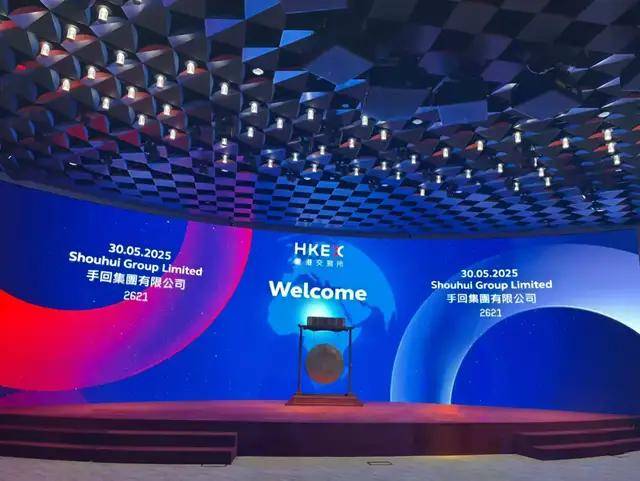
Core Viewpoint - The Hong Kong stock market is becoming increasingly active, with a notable rise in IPOs compared to previous years. However, the recent IPO of the internet technology company, Shouhui Group, has faced significant challenges, including a drop in stock price shortly after listing, indicating potential issues with its business model and market reception [2][5]. Company Overview - Shouhui Group is a personal insurance intermediary service provider that utilizes an online platform to offer insurance solutions to policyholders and insurers. The company primarily generates revenue through three main business segments: Niubao 100, Xiaoyusan, and Kachabao, with over 60% of its revenue coming from Niubao 100 [5][9][10]. Market Position - In 2023, the total premium of China's personal insurance market reached RMB 3.8 trillion, with the personal insurance intermediary market totaling RMB 237 billion, accounting for 6.3% of the overall market. Shouhui Group ranked eighth in the domestic personal insurance intermediary market with a market share of 2.9% [6][7]. Financial Performance - Shouhui Group's revenue fluctuated significantly from 2021 to 2024, with reported revenues of RMB 1.548 billion, RMB 806 million, RMB 1.634 billion, and RMB 1.387 billion, respectively. The company experienced net losses in 2021 and 2023, while achieving profitability in 2022 [8][19]. Revenue Breakdown - The revenue contributions from the three business segments are as follows: Niubao 100 contributed 67.6% in 2023, Xiaoyusan contributed 19.5%, and Kachabao contributed 12.9%. Niubao 100 is primarily driven by external traffic from media and licensed brokers [15][14]. Cost Structure - The main costs for Shouhui Group include commissions paid to insurance agents and brokers, channel promotion expenses, and employee salaries. Commissions accounted for 55.8% of total costs in 2024 [20][21]. Marketing Strategy - The company has maintained a high marketing expenditure, with over 40% of sales and marketing costs allocated to advertising and promotions in the past three years. In 2024, the total channel expenses reached RMB 801 million, significantly overshadowing the RMB 51 million spent on research and development [23][21]. Market Challenges - The competitive landscape for Shouhui Group is intense, with competition from other intermediaries, banks, and insurance agencies. The reliance on online traffic for customer acquisition poses challenges, especially in a market that increasingly demands profitability over growth [7][25].
上市对保险中介品牌价值的影响与提升
Sou Hu Cai Jing· 2025-06-11 05:56
Group 1 - The core viewpoint of the article highlights the value enhancement driven by capital empowerment and governance upgrades in the insurance intermediary sector, particularly through the experiences of companies like Fanhua Holdings, Huize Insurance, and Waterdrop Inc [1][4][5] Group 2 - Fanhua Holdings reported a net profit attributable to shareholders of 170 million yuan in Q3 2023, a year-on-year increase of 382.6%, with total premium income exceeding 12.4 billion yuan, up 35% year-on-year [1] - The company raised over 1.5 billion yuan through targeted placements and convertible bonds, with 60% allocated to digital platform development and mergers [1] - Fanhua's market coverage increased by 87% through acquisitions, expanding its branches from 15 to 28 provinces [1] - Huize Insurance's listing on NASDAQ in 2020 achieved a price-to-sales ratio of 3.7, significantly higher than the traditional intermediary average of 1.2 [2] - The company has a long-term insurance renewal rate of 65%, which is 25 percentage points higher than the industry average, and customized products contributed 62% to its revenue [2] - Huize accumulated 6.3 million user data points, supporting the development of 1,967 customized products, with a total underwriting scale exceeding 8 billion yuan for its "Darwin" series critical illness insurance [2] - Waterdrop Inc's listing in 2021 included a market value driven by three premium factors: user traffic value, technology empowerment, and ecological synergy [3] - The insurance segment's revenue contribution decreased from 89% to 75%, while profit margins increased from 12% to 21% [3] - Waterdrop's net profit for 2024 is projected to be 368 million yuan, reflecting a year-on-year growth of 119.8% [3] Group 3 - The common patterns of value enhancement among the three companies include capital empowerment multiplier effects, brand premium gradient effects, and governance premium multiplier effects [4] - The average R&D investment intensity of listed institutions is 3.2 times that of non-listed institutions [4] - The article notes challenges faced by smaller listed companies, such as over-reliance on commission income, which led to a 294.26% drop in net profit for Huakai Insurance [4] - Strategies to address these challenges include transitioning to risk management services and developing second growth curves, as demonstrated by Fanhua and Waterdrop [4][5] Group 4 - The article concludes that the value enhancement for insurance intermediaries has evolved into a multi-dimensional project encompassing capital empowerment, technological drive, and ecological reconstruction [5] - Listed institutions can achieve valuation premiums of 3-5 times compared to non-listed institutions, primarily by converting capital advantages into technological and ecological barriers [5] - Future trends indicate that technology investment proportions will exceed 40%, and the contribution rate of "insurance + services" ecosystems will surpass 50% [5]
保险中介公司融资成功的关键因素探讨
Sou Hu Cai Jing· 2025-06-10 06:43
Core Insights - The success of insurance intermediary financing hinges on the ability to clearly communicate business value, growth potential, and risk control to investors [1] Group 1: Differentiated Market Positioning - Focus on high-growth areas such as health insurance technology services, new energy vehicle insurance, and digital platforms for corporate group insurance [2] - Develop tailored services for specific customer segments, such as creating exclusive overseas employer liability insurance for cross-border e-commerce sellers [2] Group 2: Sustainable Profitability - Optimize revenue structure by reducing reliance on commission income and increasing the share of value-added services [2] - Demonstrate cost control capabilities through technology investments that lower marginal costs, such as using AI to replace 50% of customer service positions, reducing service costs by 40% [2] Group 3: Compliance as a Foundation - Maintain a complete national insurance intermediary license and avoid significant penalties [2] - Establish a customer fund account to strictly separate client funds from proprietary funds [2] Group 4: Technology Empowerment - Showcase the self-control rate of core systems, such as policy management systems and actuarial models [2] - Disclose the volume of data assets and their application scenarios, like developing an industry risk index based on data from over 100,000 corporate clients [2] Group 5: Capital Path Planning - Design valuation logic combining price-to-earnings (P/E) and price-to-sales (P/S) ratios, with early-stage projects using P/S ratios of 3-5 times and mature projects using P/E ratios of 15-20 times [2] - Carefully set performance commitments to avoid aggressive clauses, such as net profit compound growth rates exceeding 50% [2] Group 6: Team DNA - Founders should possess a dual background in insurance and technology to enhance investor confidence [2] - Implement a management stock ownership plan with a 3-year vesting period to align the interests of the core team [2] Group 7: Market Dynamics - The low approval rate for new insurance intermediary licenses from 2019 to 2025, with only 2 approved out of 210 applicants, highlights the importance of acquiring existing licenses [6] - The price range for regional insurance agency licenses is typically between 1.83 million to 3.5 million yuan, while national licenses can reach around 20 million yuan [6]
保险中介公司的国际化融资策略
Sou Hu Cai Jing· 2025-06-09 16:50
Core Insights - The insurance intermediary industry is experiencing unprecedented internationalization opportunities driven by the Belt and Road Initiative, the rise of emerging markets, and digital technology innovations [1] Group 1: Capital Structure Optimization - Internationalization in the insurance intermediary sector relies heavily on strong capital support, enabling companies to lower financing costs and enhance risk resilience [2] - Major industry players are attracting foreign investment (e.g., $500 million investments) or issuing bonds (e.g., 500 million yuan corporate bonds) to expand financing channels and support overseas operations [2] - Cross-border mergers and acquisitions are effective strategies for entering new markets, exemplified by Allianz's acquisition of PIMCO and Ping An's purchase of European Fortis Group [2] Group 2: Technology Empowerment and Digital Transformation - Digitalization is a core driver of international financing for insurance intermediaries, utilizing technologies like AI and blockchain to enhance risk control and customer experience [3] - A large insurance intermediary developed an AI-driven telemedicine platform, collaborating with over 2,000 doctors in the Asia-Pacific region to improve health insurance service coverage and create innovative financing scenarios [3] - Technology output itself is becoming a new financing pathway, as seen with a Singaporean AI robotics manufacturer partnering with an insurance intermediary to integrate home care robots into elderly insurance services [3] Group 3: Global Layout and Localization Strategy - International financing must incorporate localization strategies to mitigate uncertainties related to policies, culture, and markets [4] - Companies like Fanhua Group establish offices in regions with mature legal environments, such as Hong Kong and Singapore, to reduce currency fluctuation risks and build trust with local partners [4] - In emerging markets, the "insurance + industry" model can facilitate financing and business development, as demonstrated by customized insurance products for infrastructure projects along the Belt and Road [4] Group 4: Risk Management and Compliance - Establishing a robust risk warning mechanism is essential for international financing, with companies using big data analytics to monitor overseas market fluctuations [5] - Collaboration with international reinsurance companies allows insurance intermediaries to transfer cross-border business risks to global capital pools, enhancing funding stability [5] - Compliance with regulatory frameworks in target countries, such as the EU GDPR and US SOX Act, is crucial for ensuring transparency and gaining investor trust [5] Conclusion - The international financing strategy of insurance intermediaries fundamentally involves deep collaboration among capital, technology, and global resources, positioning companies to overcome geographical limitations and gain competitive advantages in a globalized market [7]
保险中介公司近期频现上市动作
Jin Rong Shi Bao· 2025-06-04 07:24
Core Insights - The insurance intermediary sector is experiencing a wave of IPOs, with 12 companies announcing IPO-related news in 2024, driven by capital exit pressures and the need to overcome business model limitations [1][2] - The recent IPOs mark a significant shift from a long period of inactivity since the first insurance intermediary IPO in 2007, with renewed interest from investors since 2020 [1][2] - The current wave of listings is seen as a necessary response to both capital market cycles and the industry's transformation needs, emphasizing the importance of sustainable competitive advantages [3] Group 1: IPO Activity - 12 insurance intermediaries have reported IPO-related news in 2024, with 6 successfully listed and 5 in the waiting period [2] - Companies such as Yuanbao and Shouhui Group have recently gone public, indicating a trend towards increased listings in the sector [1] - The surge in IPOs is attributed to the exit window for early-stage investments made around 2015, coinciding with the rapid growth of internet insurance [2] Group 2: Industry Challenges - The insurance intermediary sector faces challenges such as reliance on commission-based revenue and the need for diversified profit models [2][3] - Companies are under pressure to accelerate their IPO processes due to constraints from investment agreements [2] - The need for companies to enhance their brand and market value through listing is critical for overcoming current profitability issues [2][3] Group 3: Future Outlook - For companies awaiting IPO, the focus must be on strengthening their capabilities to navigate market complexities and regulatory requirements [3] - For those already listed, the IPO is not the end goal; companies must innovate beyond traditional commission models to ensure long-term growth [3]
手回集团较招股价跌近三成
Nan Fang Du Shi Bao· 2025-06-03 23:11
Group 1 - The core point of the article is that Shenzhen Shouhui Technology Group Co., Ltd. has successfully passed the listing hearing on the Hong Kong Stock Exchange after multiple attempts, but faces significant challenges ahead, including financial losses and market competition [2][9]. - The company issued 24.36 million new shares at a price of HKD 8.08 per share, raising a total of HKD 197 million, but the stock price fell significantly on its debut, closing at HKD 6.61, a drop of 18.19% [2][3]. - The company has experienced substantial financial volatility, with revenues of HKD 8.06 billion in 2022, HKD 16.34 billion in 2023 (a 102.7% increase), and a drop to HKD 13.87 billion in 2024 (a 15.1% decrease) [5][6]. Group 2 - The company has accumulated losses of HKD 4.92 billion over the years 2023 and 2024, with net losses of HKD 3.56 billion in 2023 and HKD 1.36 billion in 2024 [5][6]. - The revenue structure is heavily reliant on insurance transaction commissions, with over 99% of income derived from this source, indicating a vulnerability in its business model [6][7]. - Approximately 60% of the funds raised from the IPO are intended for optimizing the sales network and research and development, highlighting the company's focus on improving operational efficiency [7][8]. Group 3 - The company has faced internal governance issues, including a notable incident in 2020 involving a power struggle among founders, which raises concerns about management stability [8][9]. - The company operates under significant pressure from investor agreements that could lead to substantial financial liabilities if it fails to meet certain milestones [7][8]. - The competitive landscape is challenging, with major players like Ant Group and Tencent exerting pressure on smaller platforms, necessitating strategic adaptations for future growth [9].

团队准备解散了
叫小宋 别叫总· 2025-06-03 16:03
Core Viewpoint - The article emphasizes the financial vulnerabilities faced by individuals, particularly in middle age, when unexpected medical emergencies can lead to significant financial strain and difficult decisions regarding family care and resources [1][2][3]. Group 1: Personal Financial Struggles - A friend faced a severe financial crisis due to unexpected medical expenses for his mother, highlighting the precarious nature of seemingly stable lives [1]. - Another case involves a teacher whose father suffered a serious accident, leading to exorbitant medical costs that strained the family's finances despite having jobs and insurance [2][3][4]. Group 2: The Dilemma of Resource Allocation - The article discusses the difficult choices individuals must make between caring for aging parents and supporting their own families, often prioritizing immediate family needs over elder care [6][8]. - It points out that many people are unprepared for the financial impact of medical emergencies, which can quickly deplete savings and lead to long-term debt [8][9]. Group 3: Importance of Insurance - The article stresses the necessity of having comprehensive insurance coverage to mitigate financial risks associated with health emergencies, as basic medical insurance often falls short [10][12]. - It suggests that families without insurance are at a significant disadvantage, likening them to fragile glass that can shatter under pressure, while those with insurance are more resilient [12]. Group 4: Insurance Services - The article introduces a specific insurance service provider, Daitong, which offers tailored insurance solutions and planning services to help families navigate their insurance needs effectively [13][14]. - It highlights the importance of professional guidance in selecting appropriate insurance products to avoid common pitfalls and ensure adequate coverage [14][16].

手回集团盘中最低价触及5.600港元,创近一年新低
Jin Rong Jie· 2025-06-03 09:10
(以上内容为金融界基于公开消息,由程序或算法智能生成,不作为投资建议或交易依据。) 资金流向方面,当日主力流入205.748万港元,流出377.468万港元,净流出171.72万港元。 手回集团有限公司是一家中国人身险中介服务提供商,致力于通过数字化人身险交易及服务平台,在线为 保险客户提供保险服务解决方案。公司分销的保险产品(包括与保险公司共同开发的保险产品)由保险公 司承保,公司不承担任何承保风险。根据弗若斯特沙利文的资料,于2023年,按总保费计,中国的人身险市场 规模为人民币3.8万亿元。公司主要与保险中介机构和保险公司内部销售人员竞争。此外,公司亦与其他 市场参与者(包括银行保险渠道及保险兼业代理机构)竞争。根据弗若斯特沙利文的资料,于2023年,中国 人身险中介市场的总保费达至人民币2,370亿元,占中国人身险市场总保费的6.3%。于2023年,以中国人身 险中介市场的总保费计,公司排名第八,市场份额为2.9%。线上中介在中国人身险中介市场中占据主导地 位,并于2023年占中国人身险中介市场总保费的89.1%。根据弗若斯特沙利文的资料,以2023年的长期人 身险的总保费计,公司是中国第二大线上保险 ...