
物流

Search documents
2026年地方交通工作会议密集召开 物流降本增效成重点
Zhong Guo Jing Ying Bao· 2026-01-13 16:31
Core Insights - The transportation investment growth model in various provinces is shifting from large-scale expansion to an emphasis on quality and efficiency in 2026 [1][2][3] Group 1: Provincial Initiatives - Shanxi Province aims to enhance its comprehensive transportation network and improve strategic service capabilities, focusing on cross-regional connectivity and logistics efficiency [1] - Shandong Province plans to implement actions to reduce logistics costs and ensure that the annual sea-rail intermodal container volume exceeds 4.7 million TEUs in 2026 [1] - Liaoning Province is targeting the construction of a strong transportation province, emphasizing comprehensive transportation network development and logistics cost reduction [1] Group 2: National Goals and Trends - The national logistics cost reduction plan aims to lower the logistics cost to GDP ratio to around 13.5% by 2027, highlighting the importance of logistics in enhancing economic efficiency [2] - The national transportation meeting identified a shift in development focus from quantity-driven growth to quality-driven improvements, emphasizing structural optimization and green transformation [2] Group 3: Investment Trends - In 2026, Henan Province plans to complete transportation investments of 76.8 billion yuan, a decrease from over 100 billion yuan in 2025 [3] - Shandong Province's transportation investment target for 2026 is set at 230 billion yuan, down from 250 billion yuan in 2025 [4] - Jiangsu Province, however, plans to maintain a high level of investment at 240 billion yuan for 2026, reflecting a positive growth trend [4] - An industry analyst predicts that most regions will see a stable decline in transportation investment, with only a few economically developed coastal provinces likely to experience slight increases [4]
603056 拟主动退市
Zhong Guo Ji Jin Bao· 2026-01-13 16:23
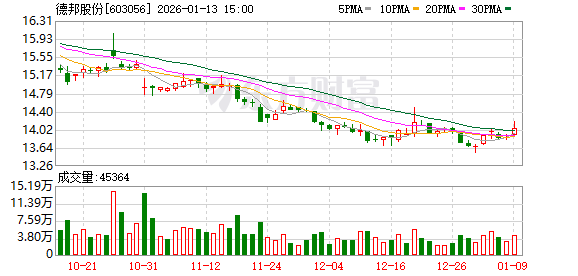
1月13日晚间,德邦股份(603056)停牌谜底揭晓:公司拟主动终止在A股上市。公司将为异议股东提供现金选择权,行权价格比该股停牌前的价格高。 公告显示,为了更好地顺应物流行业的发展趋势,更为高效、有力地统筹协调与整合JD Logistics, Inc.(京东物流股份有限公司,下称"京东物流")体系内 的物流资源,亦考虑积极践行公司间接控股股东宿迁京东卓风企业管理有限公司(下称"京东卓风")收购德邦物流时作出的关于同业竞争的承诺,根据相 关法律、法规及规范性文件的规定,经京东卓风提议,并经公司董事会审议通过,公司拟以股东会决议方式,主动撤回A股股票在上交所的上市交易,并 在取得上交所终止上市决定后,申请在全国中小企业股份转让系统退市板块继续交易。 2026年1月9日午间,德邦股份突然宣布,因京东卓风拟筹划与公司相关的重大事项,公司股票于1月9日下午停牌。 德邦股份于2018年1月在上交所主板上市,控股股东为德邦投资控股股份有限公司。2022年7月,京东集团通过下属境内子公司京东卓风,获得了德邦控股 的控制权。目前,京东卓风持有德邦控股99.987%的表决权,成为德邦控股的控股股东。 财报数据显示,2025年前 ...


京东物流资源整合!603056,拟主动终止上市!
Sou Hu Cai Jing· 2026-01-13 16:07
Core Viewpoint - JD Logistics, Inc. plans to withdraw its A-shares from the Shanghai Stock Exchange and apply for trading on the National Equities Exchange and Quotations after acquiring control of Debon Logistics, addressing competition issues and aligning with industry trends [2][3]. Group 1: Company Actions - JD Logistics intends to withdraw its A-shares from the Shanghai Stock Exchange and seek trading on the National Equities Exchange and Quotations, following a proposal from its indirect controlling shareholder, Suqian JD Zhuofeng Enterprise Management Co., Ltd. [2] - The withdrawal is part of a commitment made during the acquisition of Debon Logistics to resolve competition issues within five years [3]. - Debon Logistics' stock will be suspended pending shareholder approval for the delisting, requiring a two-thirds majority vote from shareholders [3]. Group 2: Financial Performance - For the first three quarters of 2025, Debon Logistics reported revenue of 30.27 billion yuan, a year-on-year increase of 6.97%, but a net loss of 277 million yuan, a decline of 153.54% [2]. - The company's net profit excluding non-recurring items was a loss of 361 million yuan, down 202.79% year-on-year [2]. Group 3: Investor Considerations - Investors are concerned about the timing of JD Logistics' commitment to resolve competition issues, which was a factor in their decision to purchase Debon shares [3]. - A cash option will be provided to dissenting shareholders at a price of 19.00 yuan per share, higher than the closing price of 14.04 yuan on January 9 [3]. Group 4: Future Operations - After delisting, Debon Logistics will maintain its brand and operations independently while enhancing collaboration with JD Logistics to provide comprehensive logistics services [5]. - The board of Debon Logistics has authorized management to select a qualified securities company to assist with the listing procedures on the National Equities Exchange and Quotations [5].
深夜公告!603056 拟主动退市!
Zheng Quan Shi Bao· 2026-01-13 15:53
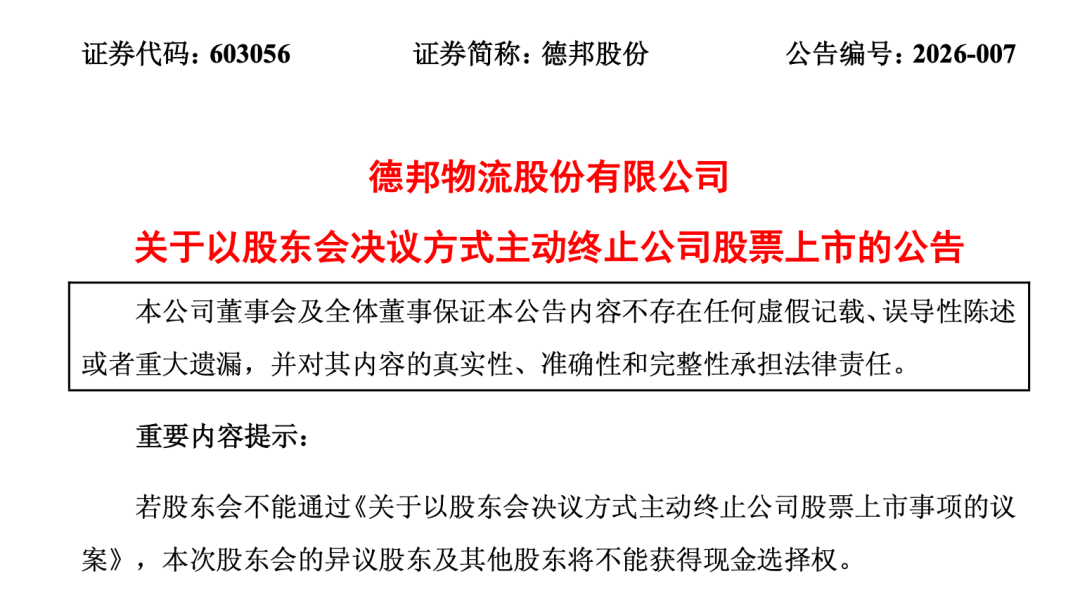
德邦股份拟以股东会决议方式主动终止公司股票上市。 1月13日晚间,德邦股份(603056)发布多条公告,公告显示,公司拟以股东会决议方式主动撤回德邦股份 A股股票在上海证券交易所的上市交易,同时,公司股票将自2026年1月14日(星期三)开市起复牌。 | 证券代码 | 证券间称 | 停复理类型 | 停牌起始 | 停牌期间 | 停牌终止 | 夏澤日 | | --- | --- | --- | --- | --- | --- | --- | | | | | H | | H | | | 603056 | 德邦股份 | A HS 量 | | | 2026/1/13 | 2026/1/14 | 此前,因公司间接控股股东宿迁京东卓风企业管理有限公司(以下简称"京东卓风")筹划与公司相关的重大 事项,德邦股份股票自1月9日午间起停牌。 德邦股份表示,为了更好地顺应物流行业的发展趋势,更为高效、有力地统筹协调与整合JD Logistics, Inc. (京东物流股份有限公司,以下简称"京东物流")体系内的物流资源,亦考虑积极践行公司间接控股股东京 东卓风于收购公司时作出的关于同业竞争的承诺,根据相关规定,经京东卓风提议,并经 ...
深夜公告!603056,拟主动退市!
证券时报· 2026-01-13 15:38
Core Viewpoint - Debon Holdings plans to voluntarily withdraw its A-share listing on the Shanghai Stock Exchange through a shareholder resolution, with trading resuming on January 14, 2026 [1][5]. Group 1: Company Actions - Debon Holdings announced multiple resolutions on January 13, indicating the intention to withdraw its A-share listing due to strategic alignment with JD Logistics and to address competition commitments made during the acquisition by its indirect controlling shareholder, Suqian JD Zhuofeng Enterprise Management Co., Ltd. [1][4][5]. - The company will hold a special shareholder meeting on January 29, 2026, to vote on the delisting proposal, which requires approval from more than two-thirds of the voting rights held by attending shareholders [5]. Group 2: Financial Details - The cash option for dissenting shareholders will be priced at 19.00 yuan per share, while the last trading price before suspension was 14.04 yuan per share [5].

德邦股份拟主动退市
Di Yi Cai Jing Zi Xun· 2026-01-13 15:08
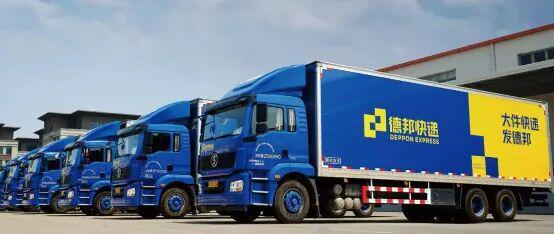
Core Viewpoint - The company plans to voluntarily withdraw its A-shares from trading on the Shanghai Stock Exchange and will apply for continued trading on the National Equities Exchange and Quotations (NEEQ) after obtaining the delisting decision from the Shanghai Stock Exchange [2] Group 1 - The decision requires approval from more than two-thirds of the valid voting rights held by shareholders present at the company's general meeting [2] - This move aims to better align with the logistics industry's development trends and to efficiently coordinate and integrate logistics resources within JD Logistics [2] - The company will maintain its independent brand and operations, and its assets, personnel, and business will not be adversely affected after the delisting [2] Group 2 - The company's stock is set to resume trading on January 14, 2026 [2]
德邦股份拟主动退市
第一财经· 2026-01-13 14:59
公司终止上市后,公司的资产、人员、业务将不会受到不利影响,仍保持独立的品牌及运营。公司股 票于2026年1月14日(星期三)开市起复牌。 微信编辑 | 雨林 第 一 财 经 持 续 追 踪 财 经 热 点 。 若 您 掌 握 公 司 动 态 、 行 业 趋 势 、 金 融 事 件 等 有 价 值 的 线 索 , 欢 迎 提 供 。 专 用 邮 箱 : bianjibu@yicai.com (注:我们会对线索进行核实。您的隐私将严格保密。) 2026.01. 13 德邦股份公告,公司拟以股东会决议方式 主动撤回A股股票在上海证券交易所的上市交易,并在取 得上海证券交易所终止上市决定后申请在全国中小企业股份转让系统退市板块继续交易。 该事项尚 需经出席德邦股份股东会的全体股东所持有效表决权的三分之二以上通过。 此举是为了更好地顺应物流行业的发展趋势,更为高效、有力地统筹协调与整合京东物流体系内的物 流资源,亦考虑积极践行公司间接控股股东京东卓风于收购公司时作出的关于同业竞争的承诺。 推荐阅读 哈梅内伊喊话特朗普 r . 7 MESTING ...
德邦股份退市:战略选择与股东利益双赢 要约溢价超35%
Zheng Quan Shi Bao Wang· 2026-01-13 14:36
在德邦发布停牌公告之后,投资者平台上出现了关于德邦股份通过资产注入、京东物流回A股等多种猜 想。针对此类猜想,相关投行业内人士表示,从监管要求、业务逻辑与行业实际来看,这些路径均不具 备可行性,主动退市是最优解。 首先,京东物流体系其他物流资产的注入无法解决核心的同业竞争问题。物流行业中,快递、快运与供 应链业务的边界并无清晰明确的界定,尤其是供应链业务涵盖仓配一体化、干线运输、末端配送等多个 环节,本质上是 "仓+快运+快递" 的融合形态。即便德邦股份与其他物流资产进行整合,仍可能认定为 与京东物流的供应链业务存在同业竞争,无法从根本上解决同业竞争,反而可能增加业务复杂度与监管 风险。 其次,京东物流回A上市或资产注入等方式不符合当前监管政策要求。全面实行注册制后,境外上市的 红筹企业申请A股主板上市需满足严格条件,京东物流的行业属性与市值规模均难以满足要求。对比各 类资本运作方式的约束条件,主动退市能够直接解决同业竞争问题,推进资源整合,是当前最具可操作 性、最能保障各方利益的路径选择。 1月13日,发布停牌公告后的德邦股份(603056.SH)宣布主动撤回A股股票上市交易。据了解,主动退 市并非偶然的资 ...
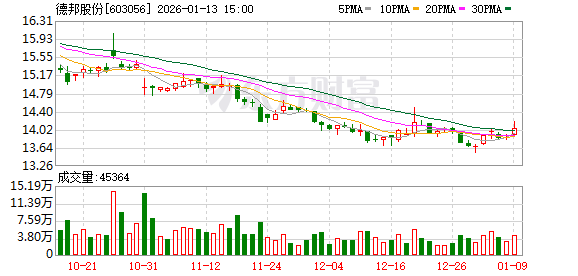
京东物流(02618):拟主动撤回德邦股份于上交所的上市交易
智通财经网· 2026-01-13 14:26
Core Viewpoint - JD Logistics (02618) announced the proposal to voluntarily withdraw Debon Holdings' shares from the Shanghai Stock Exchange, which has been approved by Debon's board of directors [1] Group 1: Withdrawal Proposal - Debon Holdings, a subsidiary of JD Logistics, plans to withdraw its shares from the Shanghai Stock Exchange, pending approval from Debon's shareholders [1][2] - Following the approval, Debon will submit an application for the withdrawal of its listing [2] Group 2: Cash Option for Shareholders - As part of the withdrawal plan, JD Logistics' subsidiary will offer a cash option to Debon shareholders at a price of RMB 19.0 per share [1] - Debon shareholders currently hold a total of 203 million shares, representing 19.99% of the total Debon shares, excluding treasury shares [1] - The estimated value of the cash option, assuming all shareholders exercise it, is approximately RMB 3.797 billion [1]
“挑灯揽才”,江苏推出求职新场景
Jiang Nan Shi Bao· 2026-01-13 14:21
Core Insights - Jiangsu province has launched a new employment initiative called "Talent Night Market," aimed at providing job opportunities in a vibrant night market setting, enhancing the job search experience for young people [1][2] Group 1: Employment Opportunities - Over 50 employers participated in the first event, offering 2,300 job positions across various sectors including software, intelligent manufacturing, cultural tourism, hospitality, and domestic services [1] - The event attracted many young job seekers, with participants expressing satisfaction in finding job opportunities while enjoying the festive atmosphere [1][2] - Job positions available include high-end technical roles with salaries up to 450,000 yuan annually, urgent manufacturing roles, and various service positions aimed at flexible employment [2] Group 2: Event Structure and Future Plans - The "Talent Night Market" is part of a broader initiative to extend employment services beyond traditional hours, addressing the mismatch in availability between job seekers and employers [1][3] - The initiative will see regular monthly events in various public employment service locations, ensuring accessibility and sustainability of the employment service model [3] - The employment services will also include policy consultations and support for job seekers, leveraging high-traffic events and seasonal peaks to maximize outreach [3]