生物医药研究

Search documents
孔雀开屏:首都医科大学最新论文登上Cell子刊封面
生物世界· 2025-07-23 08:07
Core Viewpoint - The study reveals that lactylation of YTHDC1 at K82 enhances its phase separation, stabilizing oncogenic mRNA and promoting the progression of renal cell carcinoma (RCC) in a hypoxic environment [2][6][9]. Group 1: Research Findings - The research systematically mapped the lactylation profile of proteins under hypoxic conditions in RCC, focusing on the functional mechanism of YTHDC1 K82 lactylation [2][6]. - Elevated levels of global lysine lactylation (Kla) were found in human RCC tissues and cells, which promotes malignant development of RCC [6][7]. - YTHDC1 K82 lactylation, mediated by p300 under hypoxic conditions, promotes the malignancy of RCC both in vitro and in vivo [6][7]. Group 2: Mechanism of Action - YTHDC1 K82 lactylation enhances the phase separation of YTHDC1, leading to the expansion of nuclear condensates that protect oncogenic transcripts BCL2 and E2F2 from degradation by the PAXT-EXO complex [6][7][9]. - The study highlights that the increased lysine lactylation regulates the stability of YTHDC1 target genes, thereby facilitating the progression of RCC [9]. Group 3: Study Highlights - Quantitative lactylation proteomics analysis revealed high levels of lactylation modification proteins under hypoxic conditions [7]. - The study identifies a novel regulatory pathway involving YTHDC1 lactylation that opens new therapeutic targets in the intersection of tumor metabolism and RNA regulation [2][6].


美国国会预算办公室称研究资金削减将致未来30年美国新药数量骤降
第一财经· 2025-07-21 14:07
Core Viewpoint - The proposed budget cut of $18 billion (40%) to the National Institutes of Health (NIH) by the Trump administration for 2026 is expected to significantly reduce the number of drugs entering the market, with long-term implications for biomedical research and innovation [1][2]. Group 1: Budget Cuts and Impacts - The NIH budget cut, if approved, will take effect on October 1, 2025, and is projected to lead to a reduction of at least 20 drugs entering development over the next 30 years, resulting in a decrease of approximately 4.5% in new drug approvals [1]. - A report from Grant Watch indicates that as of July 3, 2025, 4,473 NIH grant projects are affected, with over $10 billion at risk of funding freeze, primarily impacting research grants [1][2]. Group 2: Talent and Research Environment - The funding cuts may lead to a significant "brain drain," as young researchers may seek opportunities abroad, undermining the U.S.'s leadership in global research [2][3]. - The uncertainty in funding is expected to reduce the number of research institutions and laboratories in the U.S., potentially weakening collaborative capabilities and subsequent innovations [2][3]. Group 3: Regulatory Changes - In addition to budget cuts, the Trump administration has tightened drug approval regulations, including a significant layoff of 3,500 employees at the FDA, which is anticipated to increase the review time for new drug applications by nine months [3].
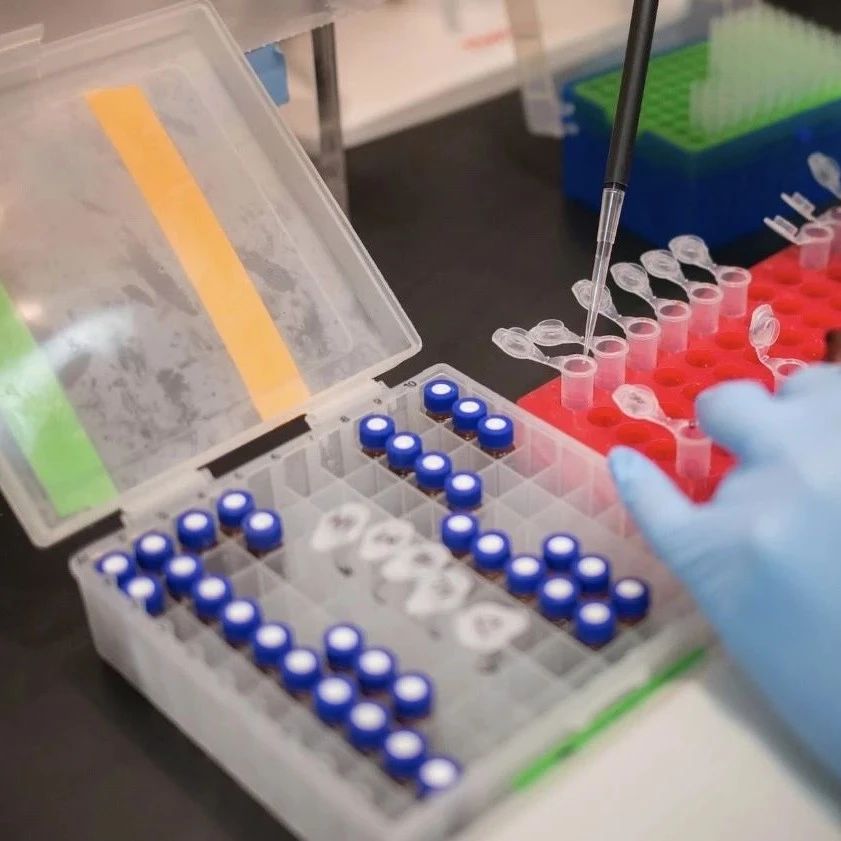
美国国会预算办公室称研究资金削减将致未来30年美国新药数量骤降
Di Yi Cai Jing· 2025-07-21 10:28
Core Points - The Trump administration plans to cut the NIH budget by $18 billion for 2026, representing a 40% reduction, which could significantly impact drug development in the long term [1][3] - The Congressional Budget Office (CBO) estimates that a 10% reduction in NIH funding for preclinical research could lead to a decrease of at least 20 drugs entering development over the next 30 years, resulting in a 4.5% reduction in new drug approvals [3] - As of July 3, 4473 NIH grant projects are affected, with over $10 billion at risk of funding freezes, primarily impacting research grants [3] - NIH supports approximately 2500 institutions and over 300,000 scientists, making it a cornerstone of biomedical research in the U.S. [3] - A study published in the Proceedings of the National Academy of Sciences indicates that NIH funding was crucial for the research of 210 new drugs approved by the FDA between 2010 and 2016 [3] Impact on Talent and Research - Scientists warn that funding cuts may lead to significant talent loss, pushing young researchers to seek opportunities abroad and weakening U.S. leadership in global research [4] - The potential outflow of researchers could reduce the number of research institutions and laboratories in the U.S., impacting collaboration and innovation [4] - Experts emphasize that long-term government investment in basic research is essential for scientific breakthroughs, which may not always translate directly into drugs but can yield life-saving results [4] Regulatory Changes - In addition to budget cuts, the Trump administration has tightened new drug regulatory approval processes, including significant layoffs at the FDA, which could increase the review time for new drug applications by nine months [5]
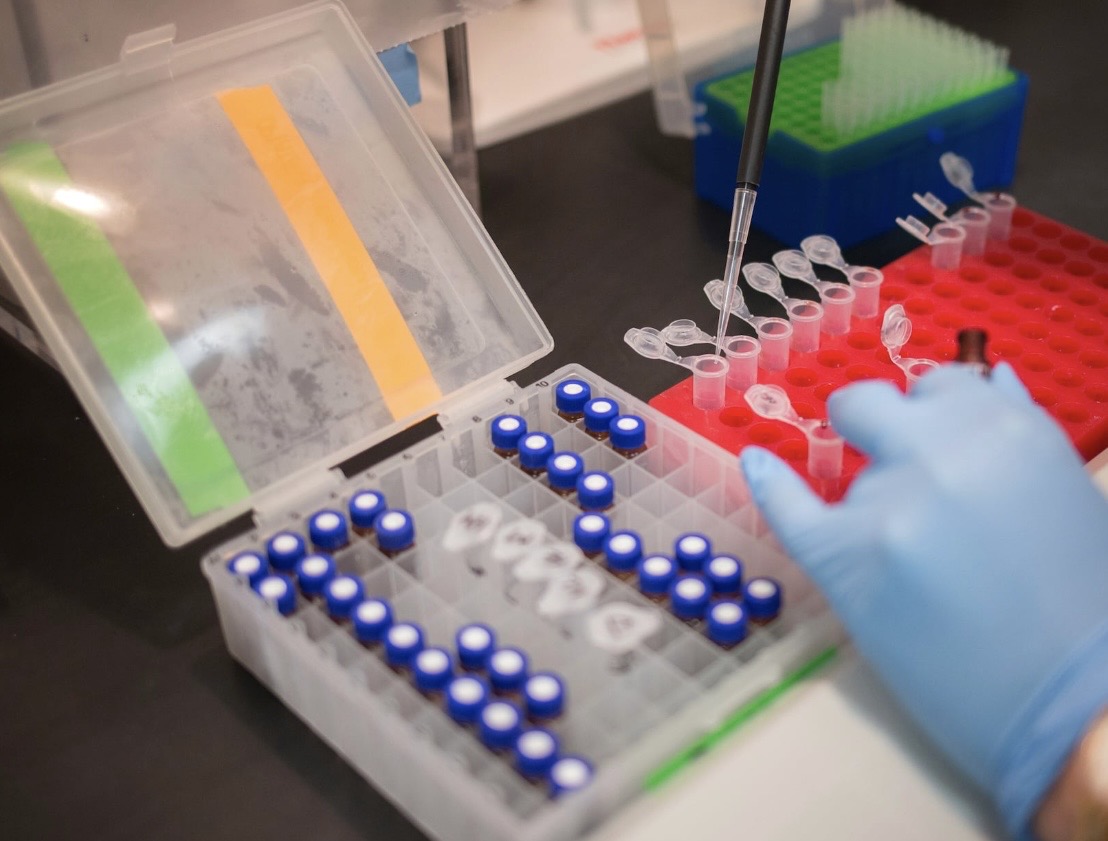
Immunity:西湖大学何丹阳/徐和平团队发现神经炎症复发的关键开关与治疗新靶点
生物世界· 2025-07-16 04:11
Core Viewpoint - The study highlights the pathogenic role of meningeal B cells in driving neuroinflammation relapses in central nervous system autoimmune diseases, particularly multiple sclerosis (MS) [2][6]. Group 1: Research Findings - Meningeal autoreactive B cells interact with antigen-specific T cells, accelerating neuroinflammation [3][6]. - In an experimental autoimmune encephalomyelitis (EAE) mouse model, meningeal autoreactive B cells amplify local pro-inflammatory mechanisms through their interaction with T cells, promoting neutrophil recruitment and endothelial cell activation prior to clinical disease onset [4][6]. - The mechanism requires B cells to express major histocompatibility complex class II (MHC II) molecules and T cells to produce granulocyte-macrophage colony-stimulating factor (GM-CSF) [5]. Group 2: Implications for Treatment - The findings confirm that local autoreactive B cells in the brain are key initiators of neuroinflammation in relapsing MS and represent promising therapeutic targets [6][7]. - Selective depletion of brain-resident B cells can alleviate relapses in experimental autoimmune encephalomyelitis [7].

65%糖代谢案例,异常有望通过饮食干预逆转!
GLP1减重宝典· 2025-07-14 00:56
Core Insights - The article discusses a groundbreaking study published in "Nature Medicine" that reveals the significant role of gut microbiota in the development and management of type 2 diabetes (T2DM) through metabolic reprogramming [3][4][8]. Group 1: Research Findings - The study integrates multi-omics analysis to elucidate the molecular mechanisms by which gut microbiota influences glucose metabolism, highlighting the interaction between gut microbiota and blood metabolites [3][6][11]. - It identifies 502 metabolites significantly associated with glucose metabolism abnormalities, with a notable contribution of gut microbiota accounting for nearly 30% of blood metabolite variation [8][9]. - Specific microbial species were linked to key metabolites, indicating their potential as intervention targets for diabetes management [9][11]. Group 2: Clinical Implications - The research suggests a paradigm shift in diabetes treatment from mere pharmacological control to metabolic restoration through personalized dietary interventions and gut microbiota modulation [4][10]. - Clinical trials showed that 65% of participants achieved normalized glucose metabolism indicators after 12 months of personalized dietary intervention, closely related to gut microbiota reprogramming [3][4]. - The findings emphasize the importance of early intervention and personalized strategies in diabetes prevention and management, potentially reducing the risk of complications [4][12]. Group 3: Methodology and Validation - The study utilized a dual-cohort design with high-throughput metabolomics to analyze 978 plasma metabolites and identified 1,427 microbial gene clusters [6][7]. - Machine learning algorithms were employed to establish predictive models for metabolite levels based on clinical indicators, dietary intake, and microbiota characteristics, enhancing the reliability of the findings [7][8]. - An interactive network platform was developed to facilitate global research collaboration and data analysis, promoting the advancement of personalized diabetes intervention strategies [7][10].
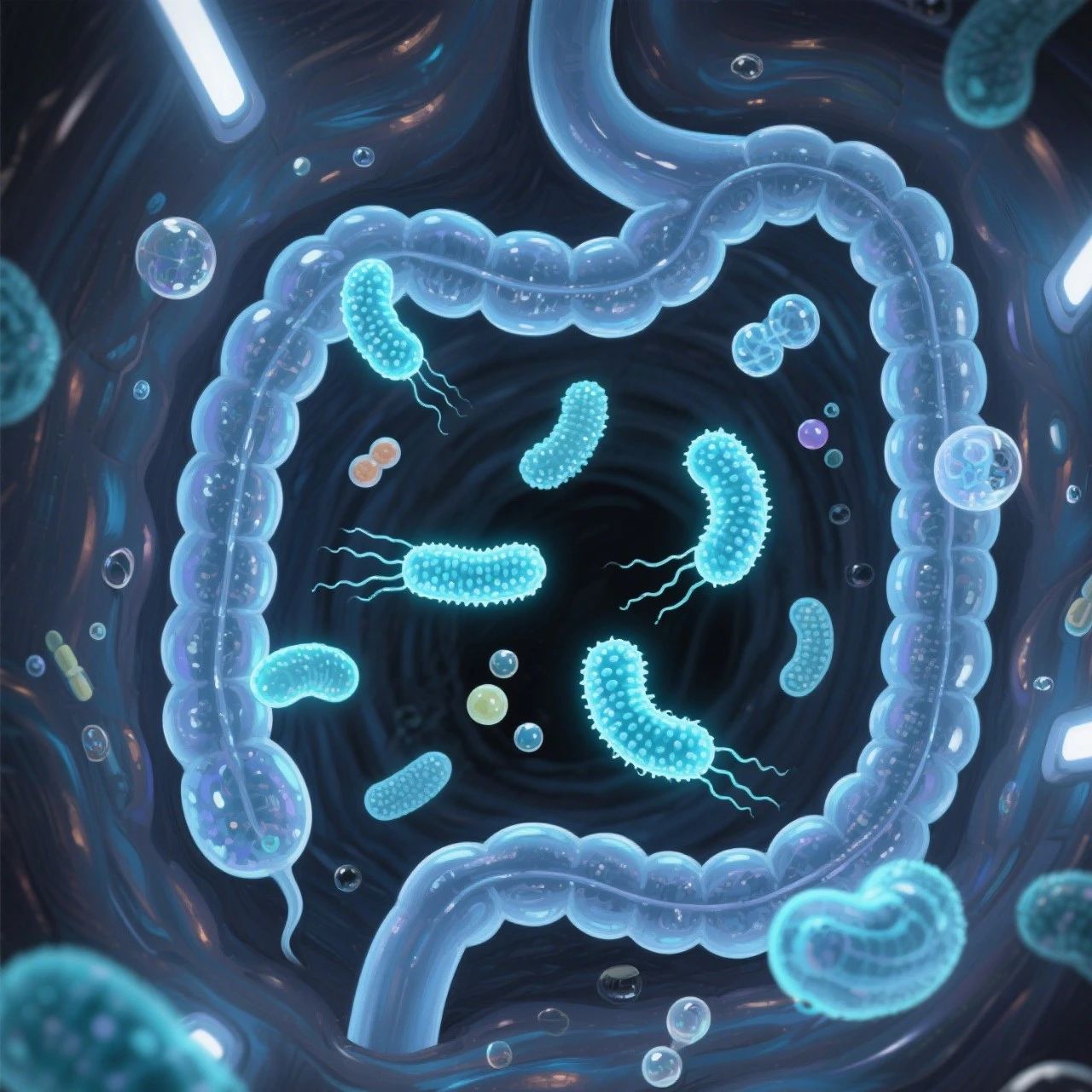
关键分子信号有望破解造血难题
Ke Ji Ri Bao· 2025-07-10 01:30
Core Findings - Researchers from the University of Konstanz and Queen Mary University of London have identified a key molecular signal, chemokine CXCL12, which induces erythroid progenitor cells to expel their nuclei, a critical step in red blood cell maturation [1][2] - This discovery provides a new pathway for large-scale production of artificial blood, addressing the long-standing challenges in artificial hematopoiesis research [1] Group 1: Research Significance - The process of blood generation in the human body is complex and not fully understood, with blood naturally produced in the bone marrow [1] - CXCL12, primarily found in the bone marrow, plays a crucial role in inducing erythroid progenitor cells to expel their nuclei, allowing for more efficient oxygen transport [1] Group 2: Implications for Artificial Blood Production - The ability to trigger the nuclear expulsion process in erythroid progenitor cells using CXCL12 could significantly enhance the efficiency of artificial blood production [2] - Future large-scale and personalized production of artificial blood could alleviate blood shortages, enable targeted synthesis of rare blood types, and facilitate autologous blood regeneration for precise treatments of diseases such as cancer and genetic disorders [2]
江南大学发表最新Cell子刊论文
生物世界· 2025-07-09 07:24
Core Viewpoint - Ferroptosis is a newly regulated form of programmed cell death closely related to various liver diseases, with a lack of specific covalent inhibitors targeting ferroptosis [2][3]. Group 1: Research Findings - The research team identified Rociletinib (ROC), an EGFR inhibitor in clinical trials, as a potent ferroptosis inhibitor through virtual screening and mechanistic studies [4]. - ROC covalently binds to the 170th cysteine of the ACSL4 protein, inhibiting its enzymatic activity, thereby suppressing lipid peroxidation and subsequent ferroptosis [5][8]. - ROC effectively alleviates acute liver injury mediated by ferroptosis in mouse models, establishing it as a promising therapeutic strategy for ferroptosis-related diseases [7][8]. Group 2: Target and Mechanism - ACSL4 is a key enzyme in lipid metabolism and its abnormal activation leads to ferroptosis, making it an important therapeutic target for ferroptosis-related diseases [3]. - The study highlights ROC as a direct covalent inhibitor targeting ACSL4, providing a new avenue for treatment [7].

胆固醇平衡破坏“元凶”酶锁定
Ke Ji Ri Bao· 2025-07-07 01:01
Core Insights - The research team from the University of Texas at Arlington has identified the IDO1 enzyme as a key player in cholesterol metabolism, suggesting that inhibiting this enzyme could help maintain healthy cholesterol levels and offer new hope for treating major diseases such as heart disease, diabetes, and cancer [1][2] Group 1: Enzyme Role and Mechanism - The study reveals that blocking the IDO1 enzyme significantly suppresses the inflammatory response of macrophages, which is crucial since chronic inflammation is a common trigger for diseases like heart disease, cancer, diabetes, and Alzheimer's [1] - IDO1 enzyme activation leads to the production of kynurenine, which interferes with macrophages' ability to process cholesterol, indicating a direct link between inflammation and cholesterol metabolism [1] Group 2: Implications for Disease Treatment - The research indicates that targeting both IDO1 and nitric oxide synthase may provide revolutionary therapies for millions of patients suffering from inflammation-driven diseases [1] - The team is exploring the network relationship between IDO1 and cholesterol regulation, aiming to identify other enzymes that may be involved, which could lead to the development of safe and effective IDO1 inhibitors [2]
中国团队联合破解细胞膜的“脆弱密码”
Zhong Guo Chan Ye Jing Ji Xin Xi Wang· 2025-06-18 00:21
Core Insights - The research led by Sun Yat-sen University First Affiliated Hospital and Rutgers University has identified a transmembrane protein called NINJ1, which plays a significant role in the mechanical rupture of cell membranes, potentially offering new therapeutic avenues for treating sepsis and inflammation-related diseases [1][2] Group 1: Research Findings - The study reveals that NINJ1 significantly influences the probability of membrane rupture under mechanical stress across various cell types, indicating its role in maintaining membrane stability even in the absence of inflammatory pathways [1] - When NINJ1 is active, cell membranes are more prone to rupture under pressure; conversely, its knockout results in membranes that are unusually robust and pressure-resistant [2] Group 2: Clinical Implications - NINJ1 may serve as a novel target for regulating stress-related tissue damage, excessive inflammatory responses, and autoimmune diseases, particularly in conditions like lung injury, sepsis, or tumor microenvironments [2] - The potential therapeutic approach involves using small molecule drugs or nanoantibodies to inhibit NINJ1 activity, which could help control the release of damage-associated molecular patterns and reduce tissue destruction in sepsis-related inflammatory storms [2]
浙江大学发表最新Cell子刊论文
生物世界· 2025-06-16 08:49
Core Viewpoint - The research identifies a class of micropeptides related to hepatocellular carcinoma (HCC) and reveals their regulatory mechanisms on mitochondrial RNA processing, providing new insights for cancer diagnosis and treatment [3][8]. Group 1: Research Findings - A new study published in Molecular Cell describes micropeptides associated with HCC and their role in modulating mitochondrial RNA processing machinery [3]. - The research team utilized a novel ultrafiltration tandem mass spectrometry method to identify a significant number of micropeptides in clinical HCC samples [4]. - One specific micropeptide, mitochondrial RNase P inhibitory peptide (MRPIP), derived from long non-coding RNA (lncRNA), inhibits the progression of HCC by regulating mitochondrial RNA processing [4][5]. Group 2: Mechanism of Action - MRPIP interacts with the R25 residue of HSD17B10, preventing the assembly of the mitochondrial RNase P (mtRNase P) complex, which disrupts HSD17B10 oligomerization and subsequent formation of the HSD17B10-TRMT10C subcomplex [5]. - This disruption leads to disturbances in post-transcriptional RNA processing, translation, and energy generation in mitochondria, thereby inhibiting cancer progression [5]. Group 3: Implications for Treatment - The research generated a functional peptide of 20 amino acids from the MRPIP sequence, which significantly inhibits the progression of HCC both in vitro and in vivo [6].