
Automobiles

Search documents
Third Avenue Value Fund Q4 2025 Commentary
Seeking Alpha· 2026-02-10 06:20
Performance Overview - The Third Avenue Value Fund achieved a return of 7.47% for the three months ended December 31, 2025, outperforming the MSCI World Index at 3.12% and the MSCI World Value Index at 3.34% [3] - For the year-to-date period, the Fund returned 35.46%, significantly higher than the MSCI World Index and MSCI World Value Index, which returned 21.09% and 20.79%, respectively [3] - Annualized performance for the trailing three-year and five-year periods was 16.76% and 18.00%, respectively [3] Key Contributors to Performance - Warrior Met Coal was the largest contributor to the Fund's performance, followed by Lundin Mining and Capstone Copper [4] - Bank of Ireland and Horiba also made significant positive contributions during the quarter [4] - Warrior Met Coal began commercial-scale mining at its Blue Creek project ahead of schedule, positively impacting revenue and cash flow [5] European Holdings - The Fund's Western European holdings, including Bank of Ireland, Buzzi Spa, and BMW, contributed positively to performance [6] - A weaker U.S. dollar enhanced returns for euro-denominated investments, which comprise over 70% of the portfolio [6] Banking Sector Insights - Bank of Ireland and Deutsche Bank have improved their operating performance, leading to better valuations and increased returns on capital [7] - Deutsche Bank shares traded above book value for the first time since the global financial crisis, marking a significant milestone [8] Copper Market Dynamics - Lundin Mining and Capstone Copper were significant contributors to performance, driven by the indispensable nature of copper in modern economies [9] - The supply of copper has proven challenging to increase, leading to a looming supply gap as demand accelerates [13] Japanese Investments - The performance of Japanese investments was mixed, with Horiba contributing positively while JEOL detracted from performance [15] - Subaru performed well despite concerns over U.S. import tariffs, achieving a total return of 26.28% in 2025 [16] Energy Sector Performance - The Fund's oil and gas-related businesses did not perform well in 2025, with significant headwinds affecting offshore energy service sectors [21] - Delays in offshore projects and changes in spending by major producers created challenges for the sector [21] Resource Conversion Activities - The Fund engaged in robust resource conversion activities, including acquisitions and divestitures, to enhance shareholder value [27] - Harbour Energy executed several strategic transactions, significantly shifting its production base and improving its financial position [28] New Investments - The Fund initiated a position in T.S. Lines Ltd., a container shipping company focused on routes within the Asia-Pacific region, which is expected to benefit from growing trade activity [35] - T.S. Lines has a strong balance sheet and operates a younger fleet, positioning it well for future growth [37]



豆包公布春晚奖品:宇树机器人,奔驰奥迪使用权
Xin Lang Cai Jing· 2026-02-10 03:30
Core Insights - Doubao has launched its "Doubao New Year" campaign, which includes the distribution of red envelopes and over 100,000 technology gifts integrated with Doubao's large model during the 2026 Spring Festival Gala [1][3] Group 1: Campaign Details - The campaign consists of two phases: the first phase starts on February 13 at 20:00, allowing users to engage in AI-generated New Year greetings and participate in a lottery for cash red envelopes [1][3] - The second phase will occur on February 16 during the Spring Festival Gala, featuring live interactions and three opportunities for users to win cash prizes up to 8,888 yuan or technology gifts [1][3] Group 2: Technology Gifts - The technology gifts include 17 popular products such as the Yushu Robot, Tuo Bamboo 3D printer, and DJI drones, as well as smart consumer products like the XGIMI projector and Supor rice cooker [1][3] - Notably, the gifts also include usage rights for electric vehicles like the SAIC Audi E5 Sportback and the Mercedes-Benz CLA [1][3] Group 3: Integration of Technology - The technology prizes are deeply integrated with Doubao's large model capabilities through the Volcano Engine, enhancing user experience [2][4] - For instance, the Yushu Robot features a human-like voice and tone supported by Doubao's voice synthesis model, large language model (LLM), and visual language model (VLM) [2][4] - The SAIC Audi E5 Sportback includes the "Audi Assistant," enabling near-human natural dialogue between users and the vehicle [2][4]

“豆包过年”活动今天上线 春晚互动将送宇树机器人等大礼
Xin Lang Cai Jing· 2026-02-10 03:29
Core Viewpoint - Doubao is launching the "Doubao New Year" event on its app, featuring a lottery for cash prizes and technology gifts during the Chinese New Year celebrations [1] Group 1: Event Details - The "Doubao New Year" event will go live on February 10, with a lottery starting on February 13 at 8 PM [1] - On New Year's Eve, February 16, Doubao will distribute over 100,000 technology gifts and cash prizes up to 8,888 yuan during the Spring Festival Gala [1] Group 2: Prizes and Products - The technology gifts include 17 popular tech products such as Yushu robots, Songyan power robots, Magic Atomic robotic dogs, Tuo Bamboo 3D printers, and DJI drones [1] - Other prizes consist of smart consumer products like Xiaomi smartwatches and Supor rice cookers, as well as usage rights for electric vehicles including the SAIC Audi E5 Sportback and Mercedes-Benz CLA [1]
中国股票策略-中国原材料价格上涨的影响-China Equity Strategy Implications from Raw Material Price Hikes in China
2026-02-10 03:24
Summary of Key Points from the Conference Call Industry Overview - **Commodity Price Surge**: Commodity prices have increased significantly and are stabilizing at higher levels, impacting various sectors in China positively and negatively [1][11]. Positive Impacts - **Basic Materials Sector**: Beneficiaries include aluminum, copper, and lithium suppliers, with companies like Chalco, Hongqiao, and Zijin Mining receiving Buy ratings [2][1]. - **Gold Jewelry Sector**: Gold jewelers are expected to benefit from rising gold prices, with brands in the high-end segment likely to gain market share [72][73]. - **CCL Players**: Companies in the copper-clad laminate (CCL) sector may see gross margin expansion due to rising copper prices [1][6]. Negative Impacts - **Automakers**: Mass-market battery electric vehicles (BEVs) and plug-in hybrid electric vehicles (PHEVs) are projected to face cost increases of Rmb6,565 and Rmb4,310 per vehicle, respectively, due to raw material price hikes [3][23]. - **Battery Industry**: Tier-2 battery makers are under pressure from rising raw material costs, while CATL is better positioned due to its bargaining power [4][27]. - **Energy Storage Systems (ESS) and Solar Equipment**: Companies like Sungrow and Trina Solar are vulnerable to margin cuts due to increased costs of silver and copper [5][45]. - **Industrial & Robotics Firms**: Companies such as Johnson Electric and Hongfa Technology may experience earnings pressure from rising copper and silver costs [6][51]. - **Home Appliances**: Producers like Gree and Midea are facing margin reductions due to increased copper costs in air conditioning units [66][67]. - **Technology Sector**: Xiaomi is expected to see pressure on smartphone margins due to high memory costs, which account for 10-20% of the bill of materials [7][81]. Sector-Specific Insights - **Basic Materials**: The demand for aluminum and copper is driven by infrastructure development and the growth of AI, data centers, and electric vehicles [2]. - **Automotive Sector**: BYD and Geely are better positioned to absorb cost increases compared to smaller players like Xpeng and GAC [3][24]. - **Battery Makers**: Rising lithium prices have increased LFP battery cell costs by Rmb80/kWh, with significant pressure on margins expected [27][29]. - **ESS and Grid Equipment**: Pinggao is identified as the most vulnerable to commodity price increases, with a significant portion of its profits derived from gas-insulated switchgears [41][42]. - **Industrial Sector**: KBL is expected to benefit from the copper upcycle, with projected earnings growth significantly outpacing competitors [55][56]. Additional Considerations - **Market Outlook**: The overall outlook for the PRC stock market in 2026 is optimistic, particularly for sectors like technology, healthcare, and basic materials [13]. - **Insurance Sector**: Gold price increases could benefit insurers participating in gold investment pilots, although current investments remain cautious [101]. Conclusion The report highlights the mixed impact of rising commodity prices across various sectors in China, with certain companies positioned to benefit while others face significant challenges. The insights provided can guide investment decisions in the context of the evolving market landscape.



豆包宣布参与总台春晚,除夕送机器人等10万份科技大礼
Xin Lang Cai Jing· 2026-02-10 02:52
Core Viewpoint - Doubao has launched its "Doubao New Year" campaign, which includes the distribution of red envelopes and over 100,000 technology gifts integrated with Doubao's large model during the 2026 Spring Festival Gala broadcast [1][4]. Group 1: Campaign Details - The campaign consists of two phases, with the first phase starting on February 13 at 20:00, allowing users to experience AI-generated New Year greetings and participate in a lottery for cash red envelopes [3][6]. - The second phase will take place on February 16 during the Spring Festival Gala, featuring live interaction and three rounds of opportunities to win cash prizes up to 8,888 yuan or technology gifts [3][7]. Group 2: Technology Gifts - The technology gifts include 17 popular products such as Yushu robots, Tuo Zhu 3D printers, DJI drones, as well as smart consumer products like XGIMI projectors and Supor rice cookers [3][7]. - Notably, the prizes also include usage rights for electric vehicles like the Audi E5 Sportback and the Mercedes-Benz CLA, which are enhanced by Doubao's large model capabilities [3][7]. - The Yushu robot's human-like voice and tone are supported by Doubao's voice synthesis model, large language model (LLM), and visual language model (VLM) technology [3][7].

BROAD ARROW BRINGS THE ULTIMATE MILLENNIUM-ERA GARAGE LINEUP TO THE 2026 AMELIA AUCTION DURING THE AMELIA CONCOURS
Globenewswire· 2026-02-09 18:57
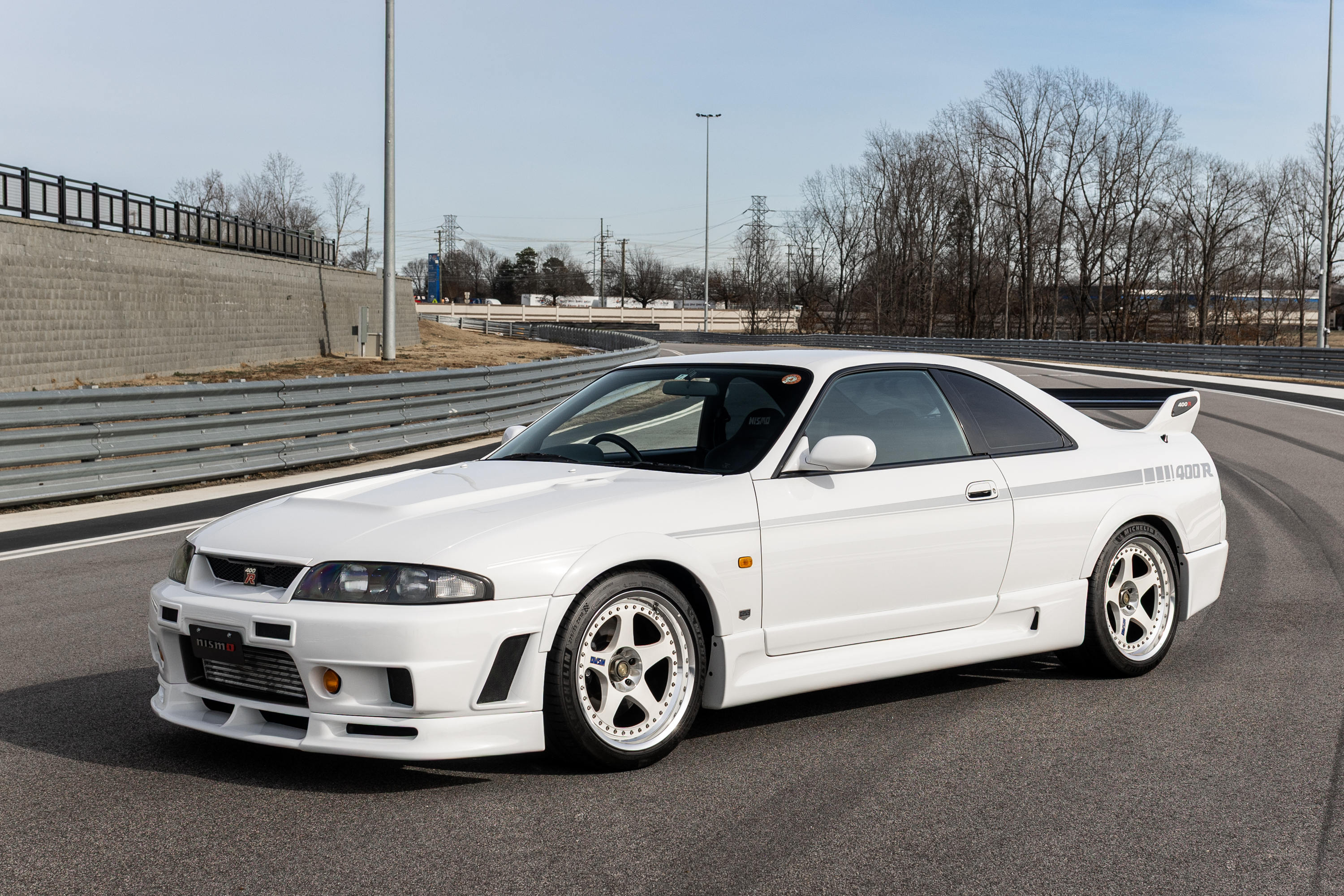
Core Insights - Broad Arrow Auctions is set to host its Amelia Auction on March 6-7, 2026, featuring over 150 performance cars from the 1990s and 2000s, making it a significant event for collectors and enthusiasts [1][2]. Auction Highlights - The auction will showcase a 1996 Nissan NISMO 400R, estimated between $900,000 and $1,100,000, which gained popularity through the Gran Turismo video game series and is considered a cultural icon [2][3]. - Another highlight is the 2006 Mercedes-Benz CLK DTM AMG Cabriolet, estimated at $550,000 to $650,000, known for its performance and limited production of only 80 units [5][6]. - Additional notable cars include a 1993 Jaguar XJ220, a 1997 Mercedes-Benz SL 70 AMG, a 1997 Porsche 911 Carrera 4S, and a 2001 RUF RGT, each with unique features and historical significance [1][11][22]. Vehicle Specifications - The Nissan NISMO 400R features a 2.8-liter twin-turbocharged inline-six engine, producing 400 horsepower, capable of accelerating from 0 to 60 mph in four seconds, and has a top speed of 186 mph [3][4]. - The CLK DTM AMG Cabriolet is powered by a 5.4-liter supercharged V8 engine, generating 582 horsepower and 590 lb-ft of torque, achieving 0 to 62 mph in four seconds [5][6]. - The 1993 Jaguar XJ220 was the world's fastest production car at its debut, with only 281 units produced, showcasing advanced engineering and design [22]. Market Position - Broad Arrow Auctions, driven by Hagerty, is recognized as a leading global collector car auction house, focusing on connecting exceptional collector cars with enthusiasts worldwide [14]. - The auction aims to cater to a diverse range of collectors, emphasizing cars that have made a significant cultural impact during the Y2K era [10].

以旧换新显实效 江苏智能家电零售额增长32.9%
Jiang Nan Shi Bao· 2026-02-09 17:05
Group 1 - The core viewpoint is that Jiangsu Province is implementing a robust "old for new" policy in 2025, leading to double-digit growth in retail sales of certain green and smart products [1] - The overall retail sales of consumer goods in Jiangsu Province are projected to reach 46,394.2 billion yuan in 2025, with a year-on-year growth of 3.3% [1] - Key categories driving growth include new energy vehicles (21.2%), energy-efficient products (39.5%), smart home appliances (32.9%), and computers (34%), collectively contributing 3.4 percentage points to the overall retail sales growth [1] Group 2 - Online retail is experiencing rapid growth, with total online retail sales expected to reach 13,739.1 billion yuan in 2025, marking a year-on-year increase of 7.8% [2] - The online retail of physical goods is projected to be 11,317.7 billion yuan, growing by 5%, which is 1.7 percentage points higher than the overall retail sales growth [2] - The provincial statistics bureau emphasizes the need to enhance consumer policies, innovate consumption scenarios, and boost consumer willingness to further unleash demand potential [2]
Market Movers: OpenAI Nears $100 Billion Funding, Alphabet Seeks $15 Billion Bond Sale, Uber Acquires Getir’s Turkish Operations, and Major Offshore Drilling Merger Announced
Stock Market News· 2026-02-09 13:38
Group 1: OpenAI and AI Sector - OpenAI is nearing a monumental $100 billion funding round, which would value the company at approximately $830 billion, driven by a resurgence in growth with ChatGPT exceeding 10% monthly growth [3][7] - Nvidia is reportedly close to investing about $20 billion in OpenAI as part of this funding initiative, highlighting strong investor confidence in the AI sector [3] Group 2: Alphabet's Financial Moves - Alphabet (GOOGL) plans to raise approximately $15 billion through a new US bond sale, aimed at general corporate purposes including debt repayment and investments in AI [4][7] Group 3: Uber's Strategic Acquisition - Uber Technologies Inc. (UBER) is acquiring Getir's food delivery business for $335 million and will invest an additional $100 million for a 15% stake in Getir's broader operations in Türkiye [5][7] Group 4: Offshore Drilling Consolidation - Transocean (RIG) announced its intention to acquire Valaris (VAL) in an all-stock transaction valued at approximately $5.8 billion, creating a combined entity with a pro forma enterprise value of around $17 billion [6][7] Group 5: Ferrari's Electric Vehicle Launch - Ferrari (RACE) has introduced "Ferrari Luce," its new full-electric sports car, with plans for its debut in October 2026, marking a significant entry into the electric vehicle market [8][7] Group 6: MicroStrategy's Bitcoin Strategy - MicroStrategy (MSTR) purchased an additional 1,142 Bitcoin for approximately $90 million, reinforcing its position as a leading corporate holder of Bitcoin [9] Group 7: Currency and Economic Insights - The IMF Chief has downplayed concerns regarding the dollar's short-term fluctuations, noting a 1.2% decline in January 2026, while contextualizing it within a broader historical perspective [10]






Here Are Monday’s Top Wall Street Analyst Research Calls: Autozone, Doximity, Li Auto, Oracle, Robinhood Markets, Roblox, SoFi Technolgy, Terawulf and More
Yahoo Finance· 2026-02-09 13:12
Market Overview - Futures are trading lower after a significant rally on Friday, where major indices surged following a three-day sell-off that nearly caused a market meltdown [2] - The Dow Jones Industrial Average reached a new all-time high, closing at 50,115, up 2.47%, while the S&P 500 and Nasdaq also saw gains of 1.97% and 2.18% respectively [2] - The Russell 2000, representing small-cap companies, surged 3.60% to close at 2,670 [2] Treasury Bonds - Treasury yields remained largely unchanged as traders awaited confirmation of the rally's sustainability [3] - Short-term debt was sold off as investors shifted towards riskier assets, leading to a slight steepening of the yield curve [3] - The 30-year bond closed at 4.85%, while the benchmark 10-year note was at 4.21% [3] Oil and Gas - Oil prices increased amid rising geopolitical tensions between the U.S. and Iran, with Brent crude closing at $68.05, up 0.64%, and West Texas Intermediate at $63.55, up 0.41% [4] - Natural gas prices fell by 2.48% to $3.42 due to profit-taking and expectations of warmer weather [4] Economic Outlook - Attention will shift to economic data as fourth-quarter earnings season concludes, particularly following surprising January layoff figures [5] - Market technicians will monitor trading patterns for potential follow-through from the recent rally and anticipate continued sector rotation [5]

Erebor Bank receives national bank charter
Yahoo Finance· 2026-02-09 12:27
Core Insights - Erebor Bank has received its national bank charter, marking a significant milestone as the first new national bank chartered under the current Trump administration [2][4] - The bank aims to serve start-ups and high-net-worth individuals in sectors such as cryptocurrency, artificial intelligence, defense, and manufacturing [2][3] Group 1: Bank Formation and Approval - Erebor Bank was founded by tech billionaire Palmer Luckey and received its national bank charter less than four months after a conditional charter and two months after deposit insurance approval [1][2] - The bank opened with $635 million in capital and has several potential clients in the defense and tech sectors [3] Group 2: Regulatory Support and Industry Impact - The approval reflects the Office of the Comptroller of the Currency's (OCC) commitment to a dynamic and diverse financial system [4] - The OCC has conditionally approved several bank charters recently, indicating a trend towards supporting new banking institutions [4] Group 3: Operational Focus and Technology Integration - Erebor Bank emphasizes the integration of blockchain technology, allowing for transactions to be settled at any time [5] - The bank is required to maintain a minimum 12% tier 1 leverage ratio during its first three years of operation [5]