
卫星监测与管理

Search documents
近地轨道“大拥堵”“太空交管”来破局
Xin Lang Cai Jing· 2026-01-31 07:07
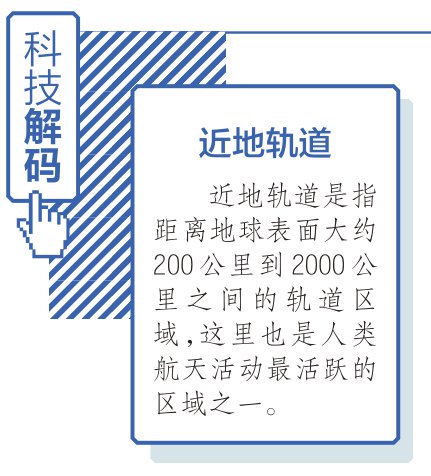
Group 1 - The near-Earth orbit has become one of the most crowded and dangerous areas in the solar system, with over 12,000 active satellites and tens of thousands of space debris orbiting the Earth [2] - The altitude range of 400 to 600 kilometers is identified as the most congested zone, where various satellites, including China's space station and the US Starlink satellites, operate at speeds close to 8 kilometers per second, leading to potential collision risks [2] - A collision between two satellites could result in catastrophic consequences, creating thousands of high-speed debris pieces that could further collide with other satellites, leading to a domino effect and potentially forming a lethal debris belt around the Earth [2] Group 2 - In response to the threat of space debris potentially trapping humanity on Earth, China is actively exploring solutions, including the "Star Eye" space awareness constellation plan launched by a Chinese aerospace company [3] - The "Star Eye" plan consists of 156 satellites designed to monitor and track tens of thousands of targets in space, creating real-time digital records for each satellite and debris, and providing collision risk calculations and warnings [3] - Establishing a global unified "space traffic regulation" is deemed essential for ensuring the safety of thousands of satellites and protecting the common interests of humanity [3]

构筑太空安全新防线 星图测控“星眼”太空感知星座正式发布
Zheng Quan Shi Bao Wang· 2025-11-27 05:45
Core Insights - The "Star Eye" space perception constellation plan was officially launched by Xingtong Measurement and Control, aiming to create an innovative path for space traffic management and establish a new model for space management services [1][2] - The current space environment faces unprecedented challenges, with an increasing number of satellites in orbit leading to heightened collision risks, threatening the sustainable development of space [1] - The National Space Administration has recently released a plan emphasizing the integration of commercial space into the overall national space development layout, highlighting the growing importance of space situational awareness for national security [1] Company Developments - The "Star Eye" constellation will consist of 156 satellites, designed to create a global, responsive near-Earth orbit monitoring network [2] - The constellation will utilize the self-developed "Observer" space information analysis platform and the space management service platform "Space Cloud" to track, orbit, and catalog satellites, monitor space debris, and analyze satellite orbit data [2] - Xingtong Measurement and Control aims to become a global leader in space management services, focusing on enhancing its capabilities and increasing R&D investment to contribute to a safer and more orderly space environment [2]