咖啡旅游

Search documents
人民日报:海南澄迈推动智力运动与文旅产业融合发展
Ren Min Ri Bao· 2025-10-20 02:11
Core Insights - Hainan's Chengmai County is promoting the integration of intellectual sports and cultural tourism, leveraging events like the National Chess Association Master Tournament to attract participants and tourists [2][3] Group 1: Event and Participation - The National Chess Association Master Tournament in Chengmai attracted over 500 participants, with 109 players successfully advancing in rankings [2] - The tournament is structured into 9 rounds, with players grouped by their chess certification levels, including separate categories for men and women [2] Group 2: Infrastructure and Development - Chengmai County's intellectual sports base is part of the National Sports Training Southern Base, emphasizing the importance of cultural tourism infrastructure in event planning [2] - The base includes a competition center, cultural creation hall, and outdoor training areas, catering to various sports including intellectual sports, e-sports, and tech sports [3] Group 3: Tourism and Economic Impact - The Fushan Coffee Cultural Town has received over 700,000 visitors since January, with events like the Coffee Master Championship attracting coffee enthusiasts and participants [3] - Chengmai County has introduced over 220 intellectual sports brand events, aiming to enhance the quality of sports tourism and cultural services [3]
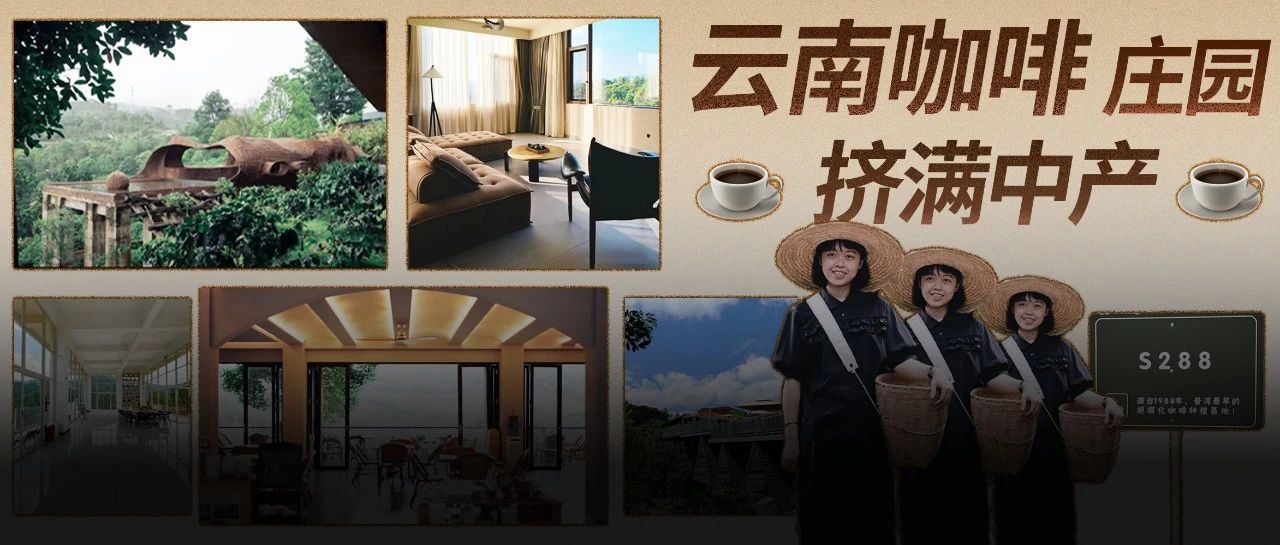
我在云南建高端「咖啡庄园」,被人调侃躺着收钱
36氪· 2025-05-06 12:59
Core Viewpoint - The article highlights the growth and potential of the coffee industry in Pu'er, Yunnan, emphasizing the shift towards high-quality coffee production and tourism integration, driven by a new generation of coffee farmers known as the "third generation" [5][19][36]. Group 1: Coffee Market Dynamics - The coffee market in Pu'er is experiencing significant growth, with the price of C-type coffee futures in the US rising from 247 cents per pound in April 2024 to 340 cents per pound in April 2025, an increase of over 37% [7]. - Local coffee farmers are seeing substantial profits, with one farmer reporting a net profit of over 500,000 yuan from 100 acres of coffee land in the past year [5]. Group 2: Tourism and Coffee Experience - Coffee estates in Pu'er are evolving into integrated tourism destinations, offering experiences such as "coffee + homestay" and "coffee + culture," attracting a growing number of visitors [8][9]. - The Wild Duck Valley Coffee Estate has seen over 60,000 visitors annually, with a focus on high-end family tourism [11]. Group 3: The Role of the "Third Generation" - The "third generation" of coffee farmers, who have inherited land from their parents, are innovating by creating coffee parks and enhancing the coffee experience for tourists [8][15]. - Young farmers like Yang Hongjian and Mei Zi are investing heavily in upgrading their estates, with Mei Zi's estate planning to charge 1,200 yuan per night for accommodations [11][26]. Group 4: Historical Context and Development - The coffee industry in Pu'er has roots dating back to 1988 when Nestlé began collaborating with local farmers, leading to the establishment of a coffee cultivation and processing center in 2016 [17][26]. - As of now, Pu'er has 680,000 acres of coffee plantations and 252 coffee shops, positioning it as a significant center for coffee processing in China [19]. Group 5: Demographic Shifts and Cultural Impact - There is a notable trend of young people returning to rural areas, with a report indicating that rural returnees exceeded urban migrants for the first time in 2023 [36]. - The coffee culture is becoming more accessible to local residents, with many now enjoying coffee rather than just cultivating it [27].