手冲咖啡

Search documents
当行业还在拼开店,蜜雪冰城在做另一件事
36氪未来消费· 2026-03-25 10:51
Core Viewpoint - The article highlights the impressive financial performance of Mixue Ice City amidst a challenging beverage industry, showcasing its strategic focus on supply chain efficiency, brand development, and cautious expansion [3][5][19]. Group 1: Financial Performance - In 2025, Mixue Ice City reported revenues of 33.56 billion yuan and a net profit of 5.93 billion yuan, representing year-on-year growth of 35.2% and 33.1% respectively [3]. - The company expanded its domestic store count to 44,000 by the end of 2025, adding 13,300 new stores throughout the year [4]. Group 2: Market Environment - The ready-to-drink tea industry faced a contraction in 2025, with over 25,000 tea shops closing, while the coffee sector saw a net increase of about 20,000 new stores [5]. - Consumer preferences shifted from "taste" to "value," indicating a more discerning market [5]. Group 3: Franchise Growth - Mixue added 6,474 new franchisees in 2025, maintaining a franchise approval rate of around 5%, focusing on experienced operators like young entrepreneurs and family-run businesses [7][33]. - The closure rate of Mixue's global franchise stores was only 4.2%, one of the lowest in the industry, indicating strong franchisee confidence [7]. Group 4: Strategic Focus - The new CEO emphasized improving store operational quality and investing in infrastructure while cautiously expanding the number of stores [10][11]. - Mixue's management recognized the need for long-term investments in supply chain capabilities to maintain low prices and ensure stable raw material supply [12][19]. Group 5: Supply Chain and Cost Leadership - Mixue has been enhancing its supply chain since 2012, establishing central factories and multiple production bases to ensure standardized production and efficient logistics [12][13]. - The company aims to achieve a "total cost leadership" strategy by integrating supply chain strength, brand development, and store operation optimization [15]. Group 6: Brand Development - The "Snow King" IP has evolved into a strategic asset, contributing significantly to revenue and enhancing customer engagement through various merchandise and experiences [21][23]. - Mixue plans to develop a "Snow King Park" and a movie project, aiming to transform the IP into a long-term asset rather than a one-time marketing tool [24]. Group 7: Coffee and New Ventures - The coffee brand "Lucky Coffee" has expanded rapidly, reaching over 10,000 stores and focusing on high-quality, affordable coffee products [25][26]. - Mixue's foray into the fresh beer market with "Fulu Family" indicates its strategy to leverage existing supply chain capabilities into new consumer segments [29][30].


当行业还在拼开店,蜜雪冰城在做另一件事
36氪· 2026-03-25 10:47
Core Viewpoint - The article highlights the strong performance of Mixue Ice City in a challenging beverage market, showcasing its revenue growth and strategic focus on supply chain efficiency and brand development [3][5][33]. Group 1: Financial Performance - In 2025, Mixue Ice City reported a revenue of 33.56 billion yuan and a net profit of 5.93 billion yuan, representing year-on-year growth of 35.2% and 33.1% respectively [3]. - By the end of 2025, the number of domestic stores reached 44,000, with a net addition of 13,300 stores throughout the year [4]. - Despite the closure of over 25,000 milk tea shops in the past year, Mixue managed to maintain a low closure rate of 4.2%, indicating strong operational resilience [5][8]. Group 2: Franchise and Market Dynamics - The company added 6,474 new franchisees in 2025, maintaining a strict approval rate of below 5%, focusing on experienced operators such as young entrepreneurs and family-run businesses [8][33]. - The shift in consumer preferences from taste to value has influenced franchisee decisions, reflecting a more rational approach in a competitive market [5][19]. Group 3: Strategic Focus and Management Changes - The new CEO, Zhang Yuan, emphasized the need for quality improvement in store operations and a cautious approach to expansion, with a planned investment of 1.4 billion yuan in domestic supply chain upgrades [11][17]. - The company aims to enhance its digital capabilities and operational efficiency through the introduction of smart tools and a membership system [18][19]. Group 4: Supply Chain and Cost Leadership - Mixue has established a robust supply chain since 2012, focusing on standardized production and cold chain logistics, which differentiates it from competitors [13][15]. - The company is committed to a long-term investment strategy aimed at reducing costs and enhancing product quality, with a planned strategic investment of 1.8 to 2 billion yuan in 2026 [17][19]. Group 5: Brand Development and IP Strategy - The launch of flagship stores and the development of the "Snow King" IP have positioned Mixue as a unique brand in the market, with significant revenue contributions from merchandise [21][23]. - The company is exploring new avenues for its IP, including the development of a themed amusement park and a feature film, aiming to create a sustainable asset from its brand [24][25]. Group 6: Coffee and New Business Ventures - The coffee brand "Lucky Coffee" has expanded rapidly, reaching over 10,000 stores and focusing on high-quality, affordable coffee products [26][27]. - Mixue's foray into the fresh beer market with the "Fulu Family" brand demonstrates its ability to leverage supply chain capabilities across different consumer segments [28][29].
大钲买下蓝瓶的真实意图
创业邦· 2026-03-07 03:40
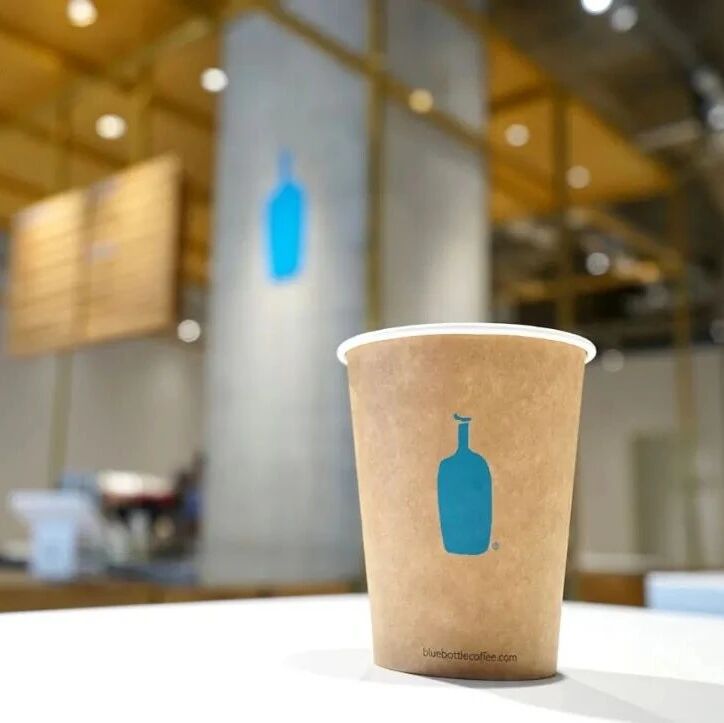
Core Viewpoint - The article discusses a significant capital transaction where Dazhong Capital, a major shareholder of Luckin Coffee, has reached an agreement with Nestlé to acquire all global offline store assets of Blue Bottle Coffee for less than $400 million, indicating a strategic move in the coffee market amidst ongoing price wars in China [5][9]. Group 1: Transaction Details - Dazhong Capital will gain complete control over Blue Bottle Coffee's global offline stores, while Nestlé retains the fast-moving consumer goods segment, including coffee machines and capsules [5]. - The acquisition price being below $400 million represents a significant discount, as Blue Bottle was valued at over $700 million when Nestlé acquired a 68% stake for approximately $425 million in 2017 [9]. - This transaction aligns with Nestlé's recent strategy to shift towards a lighter asset model, allowing external capital to manage the heavier operational aspects of the brand [9]. Group 2: Market Context and Implications - The coffee market in China is characterized by a slow growth rate for premium coffee brands, with Blue Bottle currently having fewer than twenty stores in mainland China [5][9]. - The article highlights that the expansion of premium coffee brands in China faces challenges related to management and operational strategies rather than a lack of consumer demand [9]. - The collaboration between Dazhong Capital and Luckin Coffee may leverage Luckin's data and supply chain capabilities to enhance Blue Bottle's market presence in China [10][11]. Group 3: Future Prospects - Dazhong Capital is expected to drive Blue Bottle's expansion in China and may consider transferring some equity back to Luckin Coffee in the future [14]. - The partnership could provide a recognizable brand for Luckin Coffee's internationalization efforts, potentially enhancing its overall market valuation [14]. - Despite the support from Dazhong Capital, the challenges of expanding a premium coffee brand in China remain significant, as Blue Bottle has yet to demonstrate a stable profitability model [15].


欢乐过大年·乡“亲”京郊行 | 一杯咖啡里的乡村新年
Xin Lang Cai Jing· 2026-02-20 06:12
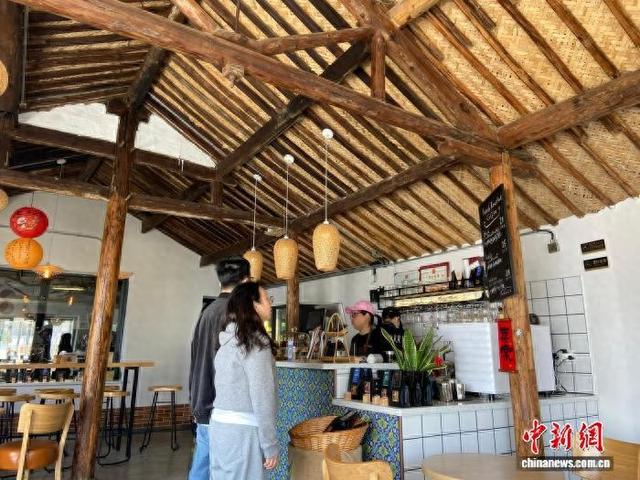
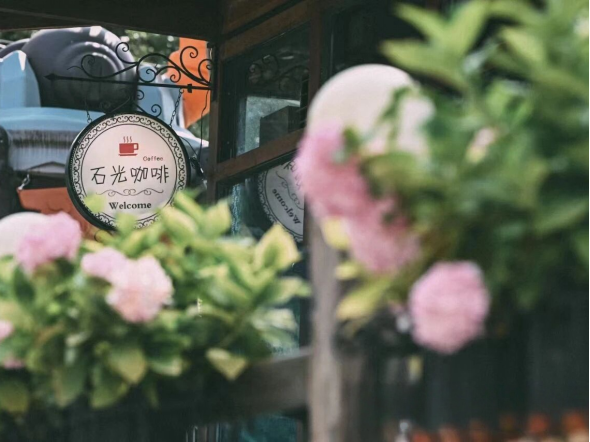
Core Viewpoint - The article highlights a shift in how people celebrate the New Year, emphasizing a quieter, more relaxed experience in rural Beijing, particularly through the enjoyment of coffee in scenic village settings [2][26]. Group 1: Coffee Experiences in Rural Beijing - Various coffee shops, referred to as "village coffee," are scattered throughout the countryside, offering unique experiences that blend local culture with coffee enjoyment [2][4]. - The "Shiguang Great Wall Coffee" in Shixia Village, located at the foot of the Great Wall, features a cozy wooden structure and serves a popular hawthorn series coffee, showcasing local flavors [4][5]. - The "Bai Ri Meng" bus in Miyun provides a picturesque setting for enjoying coffee and baked goods sourced from local farms, emphasizing a connection between coffee and the land [7]. Group 2: Notable Coffee Shops and Locations - "1+coffee" in Huairou, established in 2022, combines coffee with local culture, providing a unique experience for visitors [10][12]. - "Fuyun Coffee" in Fangshan offers a tranquil setting within a historic temple, allowing patrons to enjoy coffee while reflecting on the passage of time [15]. - "Motu Coffee" in Mentougou features a boutique homestay with personalized coffee experiences, including custom designs on coffee cups [17]. Group 3: Seasonal and Cultural Significance - The article suggests that enjoying coffee in these rural settings during the New Year can provide a sense of warmth and connection to local traditions, contrasting with the hustle and bustle of urban celebrations [26].
菜市场里开起咖啡店 大爷大妈左手拎菜右手“拿铁”
Xin Lang Cai Jing· 2026-02-01 21:21
Core Insights - A coffee shop has opened in a newly established market in Chaoyang District, attracting a diverse range of customers, including elderly individuals who have developed a taste for coffee [1][2] Group 1: Customer Demographics - Approximately 30% to 40% of the coffee shop's customers are elderly, with some being long-time coffee drinkers and others developing a habit after trying it once [2] - The oldest customer is 85 years old, who particularly enjoys the shop's milk coffee [2] Group 2: Market Positioning - The coffee shop differentiates itself in a competitive coffee industry by leveraging its unique market setting, selling around 200 cups of coffee daily on weekends and holidays [2] - The shop aims to connect more with the market by sourcing ingredients for its products, such as hot red wine, from nearby vendors [2] Group 3: Customer Experience - The coffee shop's environment is described as welcoming, with customers enjoying coffee alongside their grocery shopping, creating a natural and relaxed atmosphere [1][2] - The shop offers a variety of beverages, including coffee, coffee beans, mulled wine, and hot chocolate, catering to different customer preferences [1]
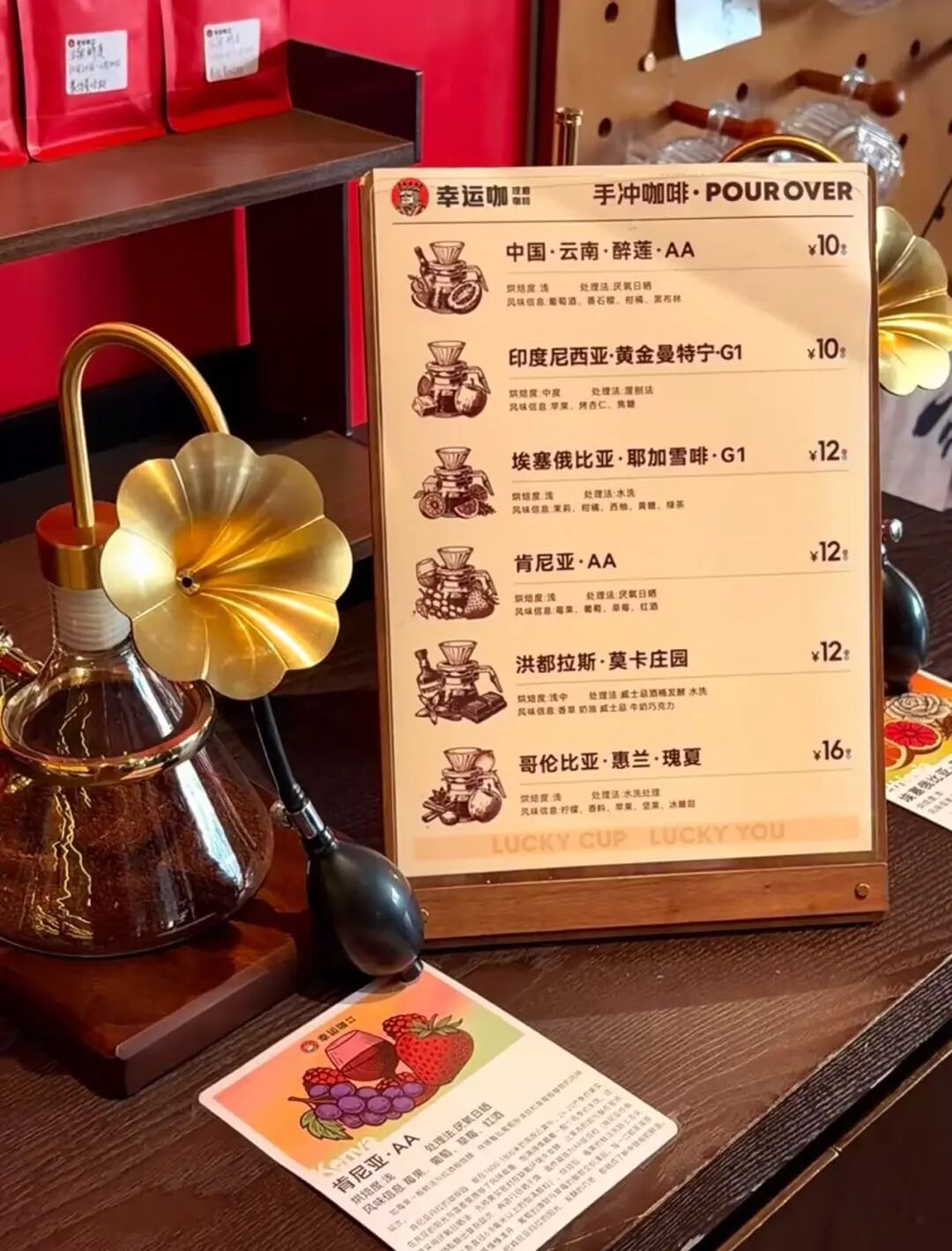
幸运咖涨价,最贵16元,哦,原来是手冲
3 6 Ke· 2026-01-23 04:44
Core Insights - The launch of hand-brewed coffee priced at 10-16 yuan by Luckin Coffee's flagship store in Zhengzhou is a strategic move to attract consumers and challenge the perception of high-end coffee [1][3] - This initiative comes after Luckin Coffee surpassed 10,000 global stores, indicating a shift from mere expansion to seeking new revenue streams amid market saturation [3][16] Pricing Strategy - The introduction of hand-brewed coffee at a low price point is seen as an attempt to break the "low-price" label and explore new revenue growth avenues [3][12] - The pricing strategy aims to capture the "high-quality affordable" market segment, especially as competitors like Starbucks adjust their pricing [10][11] Product Diversification - Luckin Coffee has expanded its product offerings beyond low-priced items, introducing various series such as "True Fruit Coffee" and "Lucky Latte Season," indicating a shift towards a comprehensive product layout [3][4] - The sales of the "Green Grape" series alone exceeded 200 million yuan, showcasing the effectiveness of their diversified product strategy [4] Supply Chain Advantage - The company's supply chain capabilities allow it to offer high-quality coffee at competitive prices, with plans to invest 4 billion yuan in coffee bean procurement over the next 3-5 years [8] - The establishment of self-owned roasting facilities and a nationwide logistics network contributes to cost efficiency, enabling the pricing of premium coffee at lower rates [8][10] Market Trends - The hand-brewed coffee market is experiencing significant growth, with transaction volumes exceeding 1 billion yuan in 2023, reflecting a shift in consumer preferences towards quality and affordability [10] - The competitive landscape is evolving, with brands like Luckin Coffee aiming to fill the gap in the "high-quality affordable" segment, moving away from traditional price wars [10][11] Challenges Ahead - Despite the potential, Luckin Coffee faces challenges related to quality perception, as low prices may lead to skepticism about the quality of coffee beans and brewing standards [12][15] - The company must balance the operational complexities of maintaining quality in hand-brewed coffee while keeping prices low, which poses a significant operational challenge [15][16] - The brand's established image as a budget-friendly option may deter higher-end consumers seeking quality and emotional value in their coffee experience [15][18]
让他们 有尊严能挣钱好生活
Xin Lang Cai Jing· 2026-01-20 17:50
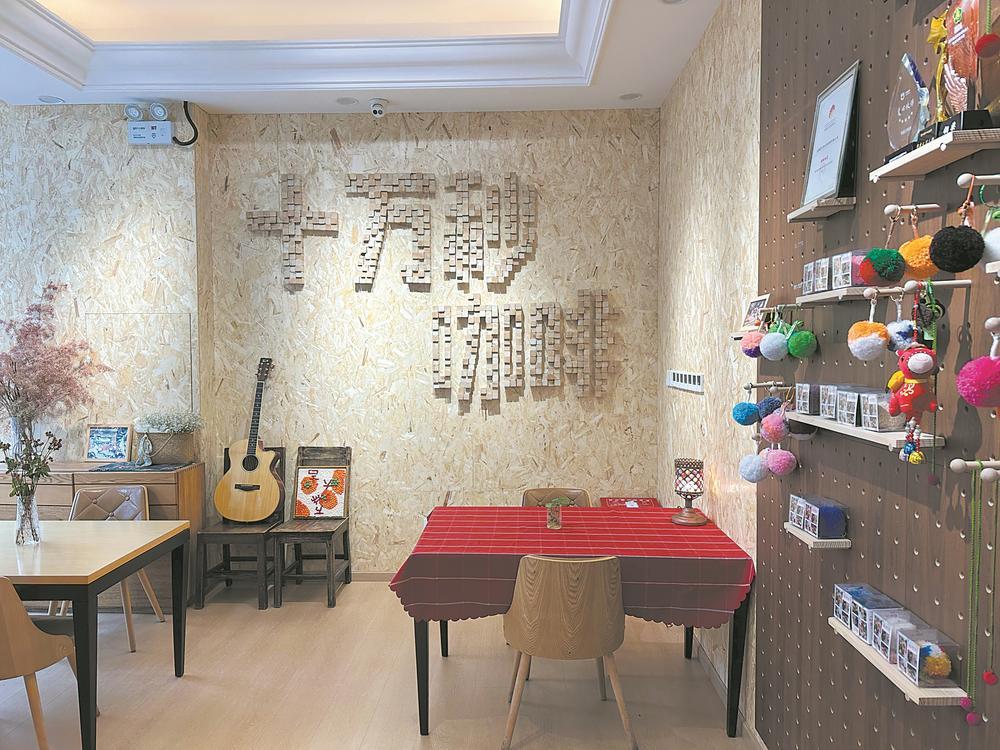
Core Viewpoint - The article highlights the efforts of a creative industry park in Chengdu that provides employment opportunities for people with disabilities, focusing on a coffee shop and traditional embroidery, showcasing their skills and enabling them to earn a dignified income [6][10][12]. Group 1: Coffee Shop Initiative - The "Ten Thousand Seconds Coffee Shop" employs mainly disabled individuals who have undergone professional training to become skilled baristas, allowing them to earn a living with dignity [6][9]. - The name of the coffee shop derives from the rigorous training regimen, where employees practice brewing coffee for a total of 100,000 seconds over the course of a year [9]. - The coffee shop aims to achieve market recognition and sustainability by collaborating with the community to reduce operational costs, such as rent, while enhancing the quality of their coffee through extensive training [10]. Group 2: Traditional Embroidery - The creative industry park also features a traditional embroidery section where over 80 disabled artisans are trained in the intricate craft of Shu embroidery, a significant cultural heritage of China [12]. - Artisans can earn over 4,000 yuan per month, and the focus on traditional crafts has led to increased sales and interest in Shu embroidery [12]. - The personal fulfillment and sense of achievement experienced by the artisans, such as a young boy who aspires to become a master embroiderer, are emphasized as key benefits of this initiative [12]. Group 3: E-commerce and Live Streaming - The initiative has expanded into e-commerce, with a live streaming platform that has helped 34 disabled individuals become influencers, generating income through online sales of their handmade products [13]. - The sales channels include WeChat mini-programs and Douyin, with total sales exceeding 2.483 million yuan from August 20, 2025, to December 31, 2025 [13].
“五小业态”燃旺乡村“烟火气”
Xin Lang Cai Jing· 2026-01-13 20:54
Core Viewpoint - The article highlights the innovative "small and beautiful" business models in rural areas of Qingyang, Anhui, which are revitalizing local economies through unique offerings that blend local culture with modern experiences [1][6]. Group 1: Micro-Transformation - The strategy focuses on "micro-transformation" that preserves local flavor while catering to tourists' demand for a "slow life" experience, converting scenic beauty into consumption power [2]. - The "Old Street Cafe" in Zhu Bei Town exemplifies this approach, generating stable monthly revenue exceeding 20,000 yuan, with peak sales surpassing 200 cups daily [2]. - The cafe has attracted additional businesses, creating a small cluster of offerings that enhance visitor experience and extend their stay from 1 hour to 3 hours, leading to a nearly 60% increase in per capita spending on rural tourism by mid-2025 [2]. Group 2: New Scenarios - The initiative to "turn waste into treasure" has transformed idle resources into new landmarks, breaking the monotony of rural scenes [3]. - The "Xiangfeng Bay Leisure Station," built from a 20-year-old pottery factory using 3D printing technology, showcases innovative construction methods that reduce costs by 30% compared to traditional methods [4]. - The multifunctional nature of the station, serving as a cafe by day and a bar by night, meets diverse visitor needs and has become a popular destination, attracting tourists from Shanghai [4]. Group 3: Collective Efforts - The establishment of alliances among local businesses has strengthened their resilience against risks, creating a community of shared interests among government, enterprises, and villagers [5]. - The "Dong Jiuhua Homestay Alliance" has successfully reduced vacancy rates from 40% to below 15%, with collective marketing strategies and standardized service protocols [5]. - Government support, including a 20 million yuan fund for rural new business development and training programs, has significantly contributed to the success of these small enterprises, with an average increase in village income of 180,000 yuan [6].
首店经济“首”发力
Xin Lang Cai Jing· 2026-01-11 21:21
Core Insights - The Peace District is actively promoting the "first store economy" as a strategy for high-quality development, with a focus on attracting flagship and concept stores to reshape the consumer landscape [1][2][5] Group 1: Economic Development - In 2024, the Peace District plans to introduce 82 various first stores, flagship stores, and concept stores, with notable brands like UH Youhe and B&C set to open in 2025 [1] - The district has implemented a "2.0 version" of its first store support policy, which was developed through consultations with over 30 businesses and 20 local departments to create a more effective support system [2] Group 2: Government Support - The Peace District's government has established a proactive service model that includes dedicated personnel for businesses, ensuring smooth communication and support throughout the project lifecycle [2][3] - Innovative government services, such as the "Peace First Store" column, aim to enhance visibility for new stores and facilitate customer engagement, transitioning from basic support to active empowerment [4] Group 3: Business Performance - The "Supply and Marketing Forward Milk Bread" first store achieved sales exceeding 5.5 million yuan within its first year, demonstrating the potential for sustained business success beyond initial popularity [5] - The ONE MOMENT first store in Peace Grand Joy City generated over 1 million yuan in sales within its first three days, indicating strong consumer interest and engagement [6] Group 4: Long-term Strategy - The Peace District aims to create a virtuous cycle of "introduction—growth—radiation" for first stores, focusing on optimizing the types of stores introduced and integrating them with urban renewal and cultural tourism [6]
“洋女婿”中国创业记:在乡村扎根咖啡梦,实现工厂化升级
Xin Lang Cai Jing· 2026-01-03 03:47
Core Insights - The article highlights the transformation of a rural coffee shop, "Bamboo Coffee Roasters," into a coffee bean roasting factory, emphasizing the integration of local culture and sustainable practices in entrepreneurship [1][3]. Group 1: Business Development - The coffee shop was established by Frank, a German national, who relocated to his wife's hometown in China, combining family life with business aspirations [1]. - The couple invested nearly a year in renovating an old rural house to create a space that serves both as a café and a roasting facility, preserving traditional architectural elements [3]. - In 2025, the business achieved a significant milestone by obtaining a food production license, marking its transition from a café to a standardized coffee bean roasting factory [5]. Group 2: Community Engagement - The business model emphasizes local sourcing, with keywords like "fresh," "local," and "social" defining its operations, creating a community platform for villagers and coffee enthusiasts [5]. - The café fosters community interaction, exemplified by villagers sharing homegrown oranges in exchange for freshly brewed coffee, enhancing social ties [5]. Group 3: Entrepreneurial Philosophy - Frank believes that successful rural entrepreneurship must balance business health, environmental sustainability, and community integration, requiring long-term planning and rational assessment [5]. - The article illustrates Frank's journey from a corporate employee to a rural entrepreneur, highlighting the evolving nature of his identity and business while maintaining a grounded approach [5].