
床垫制造

Search documents
雅兰何以连获五奖?答案在60年品质与责任的坚守里
Zhong Guo Jing Ji Wang· 2026-01-23 06:08
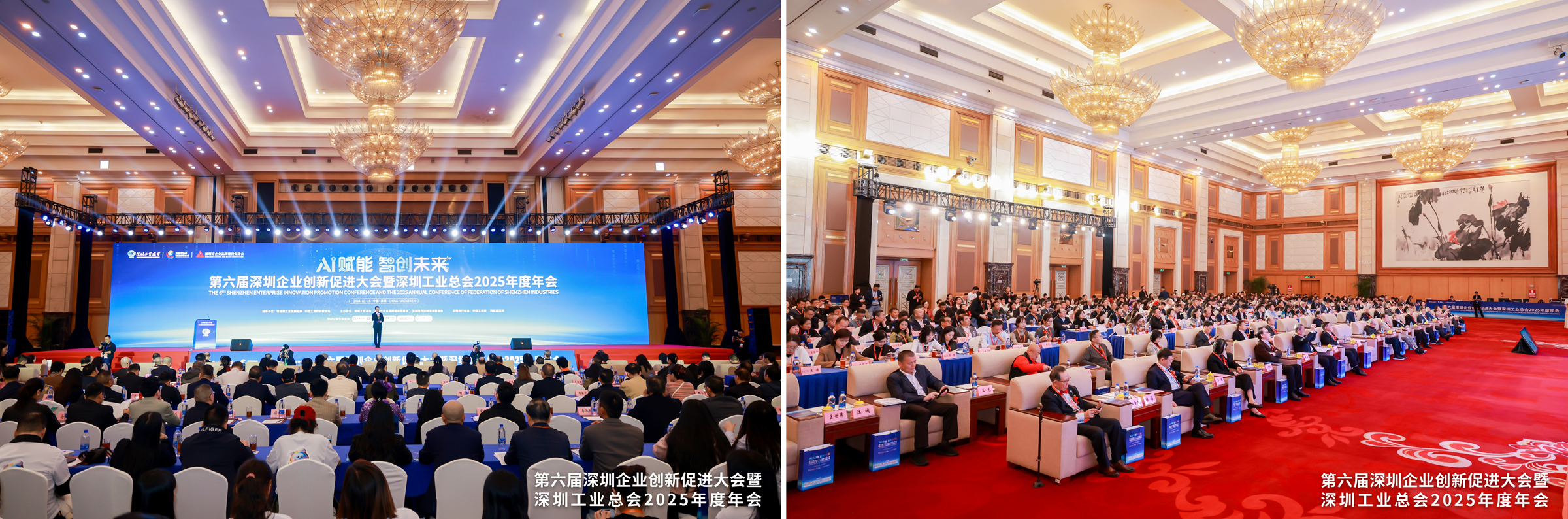
Core Viewpoint - Yalan Group has received five significant recognitions at the Sixth Shenzhen Enterprise Innovation Promotion Conference, highlighting its commitment to social responsibility, innovation, and industry leadership [2][5][9]. Group 1: Recognition and Awards - Yalan Group was awarded "Outstanding Enterprise in Social Responsibility," "Youth Cultivation Base for Industrial Power," and "Outstanding Contribution Award" at the conference [2]. - Yalan's Executive Director, Ms. Shi Jun, received two personal awards: "Outstanding Individual in Social Responsibility" and "Outstanding Contributor to Innovation" [2]. Group 2: Historical Background and Industry Impact - Founded in 1966 in Hong Kong, Yalan Group is recognized as the pioneer of the spring mattress industry in China, credited with creating the first high-end spring mattress tailored for Eastern body types [4]. - The company has been a leader in introducing advanced manufacturing equipment, contributing significantly to industry technology sharing [4]. Group 3: Commitment to Social Responsibility - Yalan has integrated social responsibility into its business model since its inception, focusing on high-quality products and community engagement [5]. - The company has invested over 10 million yuan in public welfare initiatives, demonstrating its commitment to societal well-being [5]. Group 4: Innovation and Technological Advancement - Yalan views innovation as a key driver for development, transitioning from "quality manufacturing" to "intelligent manufacturing" through the establishment of an Industry 4.0 smart production park [7]. - The company collaborates with cultural IPs to blend traditional craftsmanship with modern aesthetics, enhancing product value [7]. Group 5: Educational Initiatives and Future Vision - The establishment of the "Youth Cultivation Base for Industrial Power" signifies Yalan's strategic commitment to nurturing future talent and promoting industrial spirit [9][10]. - Yalan aims to create a sustainable model that connects industry with education, responding to the call for cultivating industrial strength from a young age [10].

山东鄄城:“一村一业”为乡村振兴赋能添彩
Zhong Guo Jing Ji Wang· 2025-12-09 08:18
Core Insights - The agricultural sector in Shandong's Jiuan County is experiencing significant growth, particularly in vegetable and poultry farming, contributing to rural revitalization efforts [1][2] Group 1: Vegetable Farming - The Heqiao Vegetable Planting Base in Jiuan County has 812 greenhouses and cultivates over 4,000 acres of crops, primarily tomatoes, yellow melons, and beans, employing over 1,600 workers [1] - The area has a total of over 10,000 acres dedicated to open-field vegetable cultivation, with 228 specialized farming households focusing on crops like spinach and coriander [1] - The local government is promoting industrial development to enhance rural revitalization, encouraging a cluster-based approach to agriculture [1] Group 2: Poultry Farming - The Qianmu Village in Jiuan County has over 100 chicken farming households, accounting for 75% of the village's total farming households, with egg production contributing 90% of the village's agricultural income [2] - The village has a chicken stock of over 1.5 million, producing approximately 180,000 pounds of eggs daily, generating a net profit of 49,000 yuan per day [2] - The average annual income for each poultry farmer is around 500,000 yuan, with the village's per capita income reaching 86,000 yuan [2] Group 3: Mattress Industry - The mattress manufacturing industry in Shijitown's Shawo Village has expanded significantly, with over 40 large-scale mattress processing factories established [2] - The local government is facilitating industry upgrades by encouraging businesses to modernize equipment and develop proprietary brands, enhancing market competitiveness [2] - This industry has created job opportunities for over 300 local residents, contributing to income growth in the community [2]
趋势研判!2025年中国弹簧床垫行业发展历程、产量、市场规模、重点品牌及未来趋势:居民对舒适睡眠需求增加,带动弹簧床垫规模达646.4亿元[图]
Chan Ye Xin Xi Wang· 2025-11-22 02:51
Core Insights - The spring mattress market in China holds a dominant position with nearly 80% market share, driven by its excellent support, breathability, and durability [1][9] - The market size of the spring mattress industry in China is projected to grow from 43.2 billion yuan in 2015 to 64.64 billion yuan in 2024, with a compound annual growth rate (CAGR) of 4.58% [1][9] - The increasing urbanization and rising income levels in China are expected to expand the consumer base and drive continuous product upgrades in the spring mattress market [1][9] Industry Overview - Spring mattresses, also known as "Simmons," are primarily categorized into various structures such as interconnected, one-wire steel, high-elasticity, independent spring bags, and independent cylinder springs [2][3] - The production process involves assembling springs, fabric covering, and edge sewing, with quality inspections to ensure material cleanliness and structural stability [2] Industry Development History - The invention of the spring mattress dates back to the 1870s in the United States, and it was introduced to China in the early 20th century, revolutionizing the mattress market [5] Industry Supply Chain - The upstream of the spring mattress industry includes raw materials like high manganese steel, carbon steel wire, foam, memory foam, latex, and fabrics [6] - The midstream involves the manufacturing of spring mattresses, while the downstream consists of sales channels including e-commerce platforms and retail stores [6] Current Market Status - The production capacity of spring mattress manufacturers in China has been steadily increasing, with production volume projected to rise from 72.08 million units in 2020 to 86.01 million units in 2024, reflecting a CAGR of 4.52% [8][9] Import and Export Trends - In 2021, the import volume of spring mattresses reached 143,600 units, a year-on-year increase of 41.14%, while the import value was 360 million yuan, up 51.92% [9] - The export volume of spring mattresses has shown a consistent upward trend, with 13.72 million units exported in the first three quarters of 2025, a year-on-year increase of 9.91% [10][9] Competitive Landscape - The spring mattress industry in China features a diverse competitive landscape, with established brands leveraging strong distribution networks and emerging brands focusing on product innovation and targeted marketing [10] - Key players in the industry include Xilinmen, Mousse, Mengbaihe, and others, with competition shifting towards material research, functional design, and sleep experience [10] Future Trends - The industry is expected to evolve towards smart health management platforms, integrating non-invasive sensors to monitor physiological data and enhance sleep quality [14] - Material innovation will focus on combining traditional materials to resolve performance conflicts, while sustainable practices will drive a green transformation across the entire supply chain [15][16]


脑机接口,AI喜临门的新跳板
Zhong Guo Chan Ye Jing Ji Xin Xi Wang· 2025-08-22 08:17
Core Viewpoint - Brain-Computer Interface (BCI) technology is rapidly advancing from science fiction to reality, with companies like Neuralink leading the charge in applications that can significantly improve the quality of life for individuals with disabilities [1][2]. Group 1: Industry Challenges and Opportunities - Despite the potential of BCI technology, there are significant challenges in its practical application, particularly in the medical rehabilitation sector, necessitating broader consumer applications [2]. - The Chinese government is actively supporting the development of non-invasive BCI technologies, aiming to accelerate their integration into various sectors such as industrial manufacturing and healthcare [2]. - A recent collaboration between Xilinmen and Qiangnao Technology aims to address sleep issues by introducing BCI technology into sleep aids, highlighting a tangible application of BCI in everyday life [2]. Group 2: Sleep Health Crisis - Global sleep disorders are a widespread issue, with over 2 billion people suffering from insomnia, and only 13% of individuals achieving quality sleep [3]. - In China, approximately 65.91% of surveyed individuals have experienced sleep disturbances, with many adults averaging less than 7 hours of sleep per night [3]. - Poor sleep quality is linked to various health issues, including cognitive decline and increased risk of diseases like Alzheimer's, prompting a surge in demand for effective sleep solutions [3]. Group 3: Market Response and Consumer Sentiment - Over 80% of Chinese consumers express willingness to use smart sleep devices, with significant purchases of products like smart eye masks and electronic sleep aids [4]. - Despite consumer enthusiasm, there are criticisms regarding the effectiveness of some sleep products, indicating a gap between expectations and actual performance [4]. Group 4: Technological Innovations - BCI technology, particularly through EEG (electroencephalography), is being explored for its potential to enhance sleep quality by monitoring brain activity [6][7]. - Non-invasive BCI products, such as the "Deep Dolphin Smart Sleep Instrument," have shown promising results in improving sleep quality, with over 70% of users reporting reduced time to fall asleep [7]. - The industry is moving towards more comfortable and integrated solutions, such as embedding sensors in pillows and mattresses to enhance user experience [7]. Group 5: Strategic Collaborations and Product Development - Xilinmen's partnership with Qiangnao Technology has led to the development of the "Baobao·BrainCo" AI mattress, which utilizes BCI technology for real-time sleep management [8]. - This collaboration aims to create a comprehensive sleep ecosystem, allowing users to maintain personalized sleep settings across different environments, including hotels [9]. Group 6: Long-term Vision and Company Evolution - Xilinmen's collaboration with Qiangnao Technology reflects a strategic shift towards integrating advanced technology into sleep solutions, marking a significant evolution in their business model [10]. - The company has undergone multiple strategic transformations over the years, focusing on technological innovation and expanding its product offerings to include smart sleep management systems [12][13]. - Recent financial results indicate a positive response to these transformations, with a reported revenue of 4.021 billion yuan and a net profit increase of 14.04% [14]. Group 7: Future Outlook - The sleep health sector is poised for significant transformation, driven by advancements in BCI technology and a growing focus on comprehensive health management solutions [16]. - As policies support innovation and technology continues to evolve, the future of sleep systems is expected to be more personalized, comfortable, and effective in addressing sleep-related issues [16].
强脑科技应用场景落地智能床垫:“让床垫读脑电波”搅动千亿睡眠经济
Zheng Quan Shi Bao Wang· 2025-07-04 06:53
Core Insights - Qiangnao Technology, one of the "Six Little Dragons of Hangzhou," is making strides in the global brain-computer interface (BCI) field, with the sleep industry being a key focus for commercializing its technology [1][2] - The company has entered into a strategic partnership with Xilinmen to develop the co-branded product "Baopao BrainCo," aiming to create an "AI companionship" smart sleep ecosystem to achieve the goal of "No one suffers from insomnia tonight" [1][2] Group 1: Company Collaboration and Product Development - The partnership between Qiangnao Technology and Xilinmen began in 2023, transitioning from conceptual research to the launch of new products powered by technology [1][2] - Qiangnao's non-invasive BCI technology can monitor users' brainwave states in real-time and provide personalized interventions based on different sleep stages [1][2] - The co-branded product "Baopao BrainCo" is the world's first mattress incorporating BCI technology, aiming to set a new standard for sleep monitoring [2][3] Group 2: Market Context and Growth Potential - In China, there are approximately 300 million people suffering from insomnia, with an average sleep onset time of 70 minutes, and sleep duration has decreased by 1.5 hours over the past decade [2] - The sleep industry in China has surpassed 400 billion yuan, with an annual growth rate exceeding 10% [2] Group 3: Technological Advancements and Unique Features - The collaboration combines Qiangnao's BCI technology with Xilinmen's unique "air spring matrix" technology, which addresses the diverse needs of consumers in the mattress industry [3][5] - The AI mattress can adaptively adjust its firmness and support based on user body type and sleeping position, and it can also intervene actively based on brainwave data [3][5] Group 4: Strategic Vision and Future Goals - Xilinmen aims to build a "sleep health industry community" and has established a joint research center with Tsinghua University to promote the deep application of AI technology in sleep [4][6] - The partnership is expected to elevate Xilinmen from a mattress manufacturer to a comprehensive sleep management service provider, covering the entire chain from precise detection to health management [5][6] Group 5: Industry Challenges and Competitive Landscape - The collaboration represents a significant shift in the Chinese mattress industry, which has traditionally been dominated by Western brands, and aims to create a unique technological barrier [6] - The mattress industry in China has a low concentration, with leading companies holding less than 20% market share, indicating a need for consumer education on "smart mattresses" [6]
梦百合:股份回购预案点评回购股份用于股权激励,彰显长期发展信心-20250511
EBSCN· 2025-05-11 13:30
Investment Rating - The report maintains a "Buy" rating for the company, indicating a positive outlook for future investment returns [5]. Core Views - The company plans to repurchase shares for employee stock ownership plans, signaling confidence in long-term development [1][2]. - The trend of mattress manufacturing returning to the U.S. continues due to anti-dumping tariffs and trade policies, impacting imports from various countries including China [2][3]. - The company's operational efficiency in U.S. production bases is improving, with profitability achieved in 2024, and the North American market is expected to contribute significantly to profits [3]. - Domestic consumption stimulus policies are being enhanced, and the company is diversifying its sales channels, which is likely to improve its competitiveness and brand influence in the domestic market [3]. - The report forecasts a profit turnaround, with projected net profits of 307 million, 464 million, and 573 million yuan for 2025, 2026, and 2027 respectively, alongside corresponding EPS of 0.54, 0.81, and 1.00 yuan [3][10]. Summary by Sections Share Repurchase - The company intends to repurchase shares worth 0.85 to 1.7 billion yuan at a maximum price of 10.90 yuan per share, which will account for 1.37% to 2.73% of the total share capital [1][2]. Market Trends - The U.S. has implemented multiple rounds of anti-dumping tariffs on mattresses, leading to a significant decrease in imports, with a projected decline of 12.7% and 9.6% in 2023 and 2024 respectively [2]. - The continuation of high anti-dumping tariffs on Chinese mattresses indicates a sustained trend of "de-China" and manufacturing returning to the U.S. [2]. Financial Projections - The report projects revenue growth from 7.976 billion yuan in 2023 to 12.725 billion yuan in 2027, with a compound annual growth rate of approximately 14.33% [10]. - The company is expected to achieve a gross profit margin of around 38.4% by 2027, indicating stable profitability [12]. Profitability and Valuation - The report anticipates a significant increase in net profit margins, with a forecasted return on equity (ROE) of 11.87% by 2027 [12]. - The price-to-earnings (P/E) ratio is projected to decrease from 42 in 2023 to 8 by 2027, suggesting an attractive valuation as earnings improve [13].
【梦百合(603313.SH)】回购股份用于股权激励,彰显长期发展信心——股份回购预案点评(姜浩)
光大证券研究· 2025-05-11 13:28
Core Viewpoint - The company plans to repurchase shares through a centralized bidding method, with an amount ranging from 85 million to 170 million yuan, and a maximum repurchase price of 10.90 yuan per share [3][4]. Group 1: Share Repurchase - The repurchased shares will be used for employee stock ownership plans or equity incentives, aiming to enhance the long-term incentive mechanism and boost employee motivation, thereby promoting sustainable development of the company [4]. Group 2: Industry Trends - The trend of mattress manufacturing returning to the U.S. continues, driven by anti-dumping and tariff policies. The U.S. has imposed high anti-dumping tax rates on mattresses from various countries, including China, Vietnam, Mexico, and Indonesia, with a significant decrease in mattress imports expected [5]. - The U.S. International Trade Commission (ITC) announced the continuation of the highest anti-dumping tax rate of up to 1732% on Chinese mattresses, extending the policy for at least another five years [5]. Group 3: Performance Outlook - The company's production efficiency in U.S. manufacturing bases is steadily improving, with profitability achieved in 2024. The ongoing development of online business and retail channel clients is expected to enhance profit contributions from the North American market [6]. - In the domestic market, the company is advancing store upgrades and channel diversification, integrating various brands to create a one-stop home furnishing consumption scenario, which is anticipated to enhance competitiveness and brand influence [6].
梦百合(603313):股份回购预案点评:回购股份用于股权激励,彰显长期发展信心
EBSCN· 2025-05-11 10:15
Investment Rating - The report maintains a "Buy" rating for the company, indicating a favorable outlook for investment returns over the next 6-12 months [5]. Core Views - The company plans to repurchase shares for employee stock ownership plans, signaling confidence in long-term development [1][2]. - The U.S. mattress manufacturing is experiencing a trend of returning production to domestic markets due to anti-dumping tariffs and trade policies, which is expected to continue [2][3]. - The company is expected to benefit from improved operational efficiency in its U.S. production bases and the ongoing development of its online business and retail channels, leading to enhanced profit contributions from the North American market [3]. - The report forecasts a profit turnaround, with projected net profits for 2025-2027 being 307 million, 464 million, and 573 million yuan respectively, alongside corresponding EPS of 0.54, 0.81, and 1.00 yuan [3][10]. Summary by Sections Share Repurchase - The company intends to repurchase shares worth between 0.85 to 1.7 billion yuan at a maximum price of 10.90 yuan per share, which will account for 1.37% to 2.73% of the total share capital [1][2]. Market Trends - The U.S. has implemented multiple rounds of anti-dumping tariffs on mattresses from various countries, including China, which has led to a significant decrease in mattress imports, with a year-on-year decline of 12.7% and 9.6% expected for 2023 and 2024 respectively [2]. Financial Projections - The report projects revenue growth from 7.976 billion yuan in 2023 to 12.725 billion yuan in 2027, with a compound annual growth rate of approximately 14.33% [10]. - The company’s net profit is expected to recover from a loss of 151 million yuan in 2024 to a profit of 307 million yuan in 2025, reflecting a significant turnaround [10]. Profitability Metrics - The report anticipates an improvement in profitability, with the gross margin expected to stabilize around 38.4% by 2027, and a projected return on equity (ROE) of 11.87% in the same year [12].
美国国际贸易委员会作出床垫第一次反倾销日落复审产业损害终裁
news flash· 2025-05-06 08:33
Core Viewpoint - The U.S. International Trade Commission (ITC) has ruled to maintain anti-dumping measures on mattresses imported from China, indicating potential substantial harm to the U.S. domestic industry if these measures are lifted [1] Summary by Relevant Sections - **Anti-Dumping Measures** - The ITC's affirmative final ruling on May 1, 2025, confirms that the current anti-dumping measures will remain in effect due to the likelihood of substantial harm to the U.S. industry if lifted [1] - **Timeline of Investigations** - The U.S. Department of Commerce initiated an anti-dumping investigation on mattresses from China on October 10, 2018 [1] - A final ruling on the anti-dumping case was made on October 18, 2019 [1] - A sunset review investigation was announced on November 4, 2024, leading to a rapid sunset review ruling on February 6, 2025 [1]
喜临门破局智慧睡眠 AI智能深睡体验中心引爆行业革新潮
Zhong Guo Chan Ye Jing Ji Xin Xi Wang· 2025-03-31 09:19
Core Insights - The collaboration between Tsinghua University and Xilinmen (603008) has led to the establishment of a Smart Sleep Technology Research Center, marking a significant step in the application of AI sleep technology in the consumer market [1][2] - The AI Smart Deep Sleep Experience Center opened in Changchun, achieving impressive metrics such as 500 daily visitors and over 1 million in sales within the first week, indicating a strong market demand for intelligent sleep solutions [1][2] Company Developments - The Smart Sleep Technology Research Center focuses on integrating neuroscience, biosensing, and intelligent algorithms, particularly in areas like "AI companionship" and "emotional interaction" [2] - The Baobao AI Deep Sleep Smart Bed at the experience center offers features like dynamic sensing and proactive intervention, providing a comprehensive sleep management service [2] - The average user experience time at the center exceeds 30 minutes, with a repurchase and referral rate of 35%, highlighting consumer interest in smart sleep solutions [2] Industry Trends - Over 50 leading franchisees visited the AI Smart Deep Sleep Experience Center, with more than 60% signing contracts on-site, indicating a shift in the industry towards technology-driven differentiation [2] - The smart product market share in the replacement market has surpassed 47%, suggesting that consumers are increasingly willing to pay for comprehensive sleep solutions rather than just traditional mattresses [2][3] - The Chinese sleep economy is projected to reach a trillion yuan by 2025, with Xilinmen's dual strategy of "technology research and scene implementation" driving the industry towards a transformation from mere bedding manufacturing to sleep health services [3]