
户外旅游

Search documents
“自然之约”缘何成假日新宠?
Xin Hua She· 2025-10-10 09:05
Core Viewpoint - The article highlights a shift in tourism preferences towards nature-based experiences, emphasizing emotional value and a desire for personal rejuvenation in the context of high-pressure urban life [1][2]. Group 1: Changing Tourist Preferences - Tourists are moving away from "service-oriented" travel to "experience-integrated" travel, seeking authentic encounters with nature, such as witnessing sunrises and camping under clear starry skies [2]. - The popularity of nature-related activities like hiking, stargazing, and river tracing is rising on social media, reflecting a growing trend towards immersive experiences in natural settings [1]. Group 2: Infrastructure and Capacity Challenges - Emerging nature travel destinations are struggling with inadequate reception capacity and infrastructure, necessitating comprehensive upgrades to meet increasing tourist demand [2]. - Issues such as insufficient restroom facilities and poor waste management are prevalent, detracting from the overall experience in natural areas [2]. - Transportation challenges, including narrow roads and traffic congestion, significantly impact tourists' enjoyment and travel plans [2]. Group 3: Safety and Environmental Considerations - There are shortcomings in safety and emergency response systems at nature destinations, particularly for inexperienced tourists lacking essential safety knowledge and equipment [2]. - The relationship between tourists and nature should be reciprocal, with visitors respecting the environment while destinations provide necessary infrastructure and safety measures [2][3].
“假期一线观察手记”之三:“自然之约”缘何成假日新宠?
Xin Hua She· 2025-10-10 08:48
Core Insights - The trend of "natural retreats" is gaining popularity as people seek deeper connections with nature, moving away from superficial tourist attractions [1] - This shift in travel preferences reflects a broader societal change towards seeking emotional healing and rejuvenation in the fast-paced urban lifestyle [1] Group 1: Changing Travel Preferences - Tourists are increasingly favoring experiences that allow for immersion in nature, such as witnessing breathtaking sunrises or camping under clear starry skies [2] - The desire for authentic experiences signifies a return to the essence of life, as travelers seek genuine connections with their surroundings [2] Group 2: Infrastructure Challenges - Despite the growing enthusiasm for mountain and wilderness destinations, there are significant gaps in infrastructure and capacity to accommodate the influx of visitors [2] - Issues such as inadequate restroom facilities, poor waste management, and insufficient transportation options are prevalent, detracting from the overall travel experience [2] Group 3: Safety and Environmental Considerations - The unique locations of these natural destinations pose challenges for safety and emergency services, with many new travelers lacking essential safety knowledge and equipment [2] - There is a call for both tourists to respect and protect the environment while destinations must enhance their basic support systems to ensure a fulfilling experience [2][3]
中产玩户外的尽头,是老年徒步团?
虎嗅APP· 2025-05-04 03:06
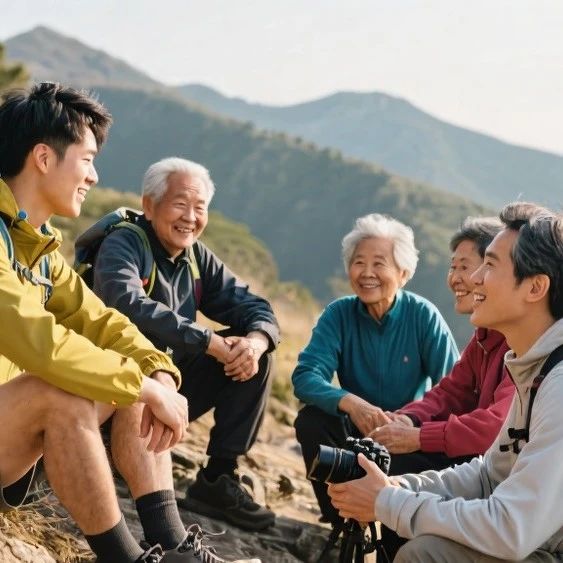
Core Viewpoint - The article discusses the emerging trend of young workers participating in senior outdoor travel groups as a cost-effective and physically engaging alternative to traditional tourism, highlighting the unique experiences and benefits derived from these activities [3][4][7]. Group 1: Young Workers and Senior Travel Groups - Young workers are increasingly joining senior outdoor travel groups, which offer a low-cost way to engage in outdoor activities, with fees starting as low as 40 yuan [9][10]. - These groups provide essential services such as meals and transportation, making outdoor activities more accessible for young participants who may lack the necessary equipment or companions [10][19]. - The trend has gained popularity, with young people often finding themselves challenged by the physical capabilities of older participants, who are surprisingly fit and active [11][14]. Group 2: Experiences and Social Dynamics - Participation in senior outdoor groups often leads to unexpected social dynamics, where young participants are treated with care and respect, contrasting with typical peer interactions [22][24]. - The older participants often take on nurturing roles, providing food and support, which enhances the overall experience for younger members [25][26]. - The groups are characterized by a strong sense of community and support, with older members sharing life experiences and wisdom, which can be beneficial for younger participants facing career pressures [32][33]. Group 3: Physical and Mental Benefits - Engaging in these outdoor activities not only improves physical fitness but also serves as a form of mental therapy, helping young workers cope with stress and anxiety [27][33]. - The older participants, often seen as energetic and enthusiastic, inspire younger members to adopt healthier lifestyles and attitudes towards life [28][31]. - The experience of hiking and participating in outdoor activities with seniors is framed as a holistic approach to wellness, combining physical exertion with emotional support [19][33].

中产玩户外的尽头,是老年徒步团?
Hu Xiu· 2025-05-03 02:08
Core Viewpoint - The travel industry for workers has become increasingly competitive, focusing more on physical endurance rather than costs or attractions [1] Group 1: Trends in Travel Preferences - Young workers are opting for physically demanding travel experiences, such as marathons and outdoor activities, rather than traditional luxury vacations [2] - There is a growing trend of young people joining senior outdoor groups, which offer low-cost travel experiences while also providing a unique social dynamic [5][9] Group 2: Characteristics of Senior Outdoor Groups - Senior outdoor groups often have minimal requirements, primarily focusing on physical fitness, which allows younger participants to join with low financial investment [11][17] - These groups provide a supportive environment where younger participants can learn outdoor skills and receive guidance from experienced seniors [20][30] Group 3: Social Dynamics and Benefits - The social atmosphere in senior outdoor groups is less competitive and more nurturing, allowing younger participants to feel less pressure compared to traditional peer groups [24][27] - Seniors in these groups often have extensive life experiences and can offer valuable insights and emotional support to younger participants [39][44] Group 4: Economic and Health Implications - The trend reflects a shift in how young workers perceive value in travel, prioritizing health and physical fitness over material wealth [42][43] - Participation in these groups can lead to improved physical health and emotional well-being for young workers, providing a form of therapy through shared experiences [43][44]
挖野菜,穷人和野人都赢了
3 6 Ke· 2025-04-29 04:06
Group 1 - The core idea of the article revolves around the rising trend of foraging for wild vegetables among young people, which has become a popular outdoor activity and a form of social currency [1][12] - The activity of foraging is characterized by its low cost and high experiential value, aligning well with the consumption preferences of the younger generation [6][10] - The phenomenon of foraging has led to a significant increase in related tourism activities, with a 50% rise in searches for "farm + seasonal picking" since March and a 47% year-on-year increase in tourism heat for experiences involving wild vegetable foraging during the Qingming holiday [1] Group 2 - Foraging is seen as a more spontaneous and unpredictable experience compared to traditional farm activities, providing a sense of adventure and engagement with nature [5][10] - The appeal of foraging lies in its accessibility, allowing individuals from various economic backgrounds to participate without the need for expensive equipment [7][10] - The article highlights the potential for the "wild vegetable economy" to evolve into a broader trend, but also raises concerns about the sustainability of such trends in the face of past experiences with similar outdoor activities [14][18] Group 3 - The article discusses the challenges faced by the outdoor industry, including the rapid rise and fall of trends like camping, which saw a significant decline in consumer interest and business viability [15][16] - It emphasizes the importance of quality management and service in sustaining interest in outdoor activities, as many businesses have failed to maintain their appeal after initial popularity [19][20] - The potential for seasonal activities beyond foraging is noted, suggesting that local governments and businesses could explore new forms of experiential tourism throughout the year [20]