新能源环保

Search documents
晋景新能(01783.HK)荣获“年度转型先锋奖”,解锁绿色能源转型新范式
Ge Long Hui· 2025-12-23 06:05
Core Viewpoint - JinJing New Energy has been awarded the "Annual Transformation Pioneer Award" by Gelonghui, recognizing its adaptability to dynamic environmental changes and its ability to achieve long-term sustainable and high-quality development through transformation [1] Group 1: Strategic Positioning and Competitive Advantage - The company's successful transformation is attributed to its foresight in identifying the battery recycling sector as a key area within the green energy field, establishing a differentiated competitive advantage through a "global network + ecological collaboration" model [1][2] - JinJing New Energy has rapidly built a global service network by acquiring and partnering with other firms, including the acquisition of Singapore's Green Jade Group and a strategic alliance with FMG Group in the U.S., resulting in over 70 service nodes across 28 countries [2][3] - The company's innovative triangular cooperation model with industry leaders enhances its competitive positioning, allowing it to capture value in the supply chain [3] Group 2: Financial Performance and Growth - JinJing New Energy's financial results reflect a significant turnaround, with total revenue reaching HKD 816 million, a year-on-year increase of 228.6%, and a profit of HKD 15.12 million, marking a return to profitability [4] - The core business of reverse supply chain management and environmental services generated HKD 790 million, accounting for 96.81% of total revenue, with a staggering year-on-year growth rate of 401.78% [4][5] - The company has strategically reduced its traditional construction business, leading to improved operational efficiency and a 13.7% decrease in operating expenses, while adjusted EBITDA increased by over 127% [5] Group 3: Future Outlook - The upcoming launch of the battery recycling facility in Hong Kong, exclusive partnerships with FMG, and the execution of signed projects worth hundreds of billions are expected to drive future performance [5] - As the global peak of battery retirements approaches, JinJing New Energy is positioned to leverage its first-mover advantage, translating into sustained growth momentum [5]
瑞风新能源(00527.HK)拟在老挝分发34万台清洁炉灶 十年可减排270万吨CO₂e
Ge Long Hui· 2025-10-31 11:14
Core Viewpoint - 瑞风新能源 announced a partnership with a third-party supplier to launch a clean stove carbon credit project in Laos, aiming to deploy approximately 340,000 improved clean stoves to benefit around 170,000 households by 2026-2027, with an estimated total emission reduction of about 2.7 million tons of CO2e over a ten-year period [1] Group 1 - The project is led by 碳维数科, a subsidiary co-owned by 瑞风新能源 and 上海宝碳新能源环保科技有限公司 [1] - The initiative targets rural and underdeveloped areas in Laos [1] - The carbon credit generation cycle is expected to last approximately ten years [1] Group 2 - The total expected emission reduction is approximately 2.7 million tons of CO2e over the ten-year period [1] - The distribution of the stoves is projected to be completed between 2026 and 2027 [1] - The project aims to improve living conditions for around 170,000 households [1]
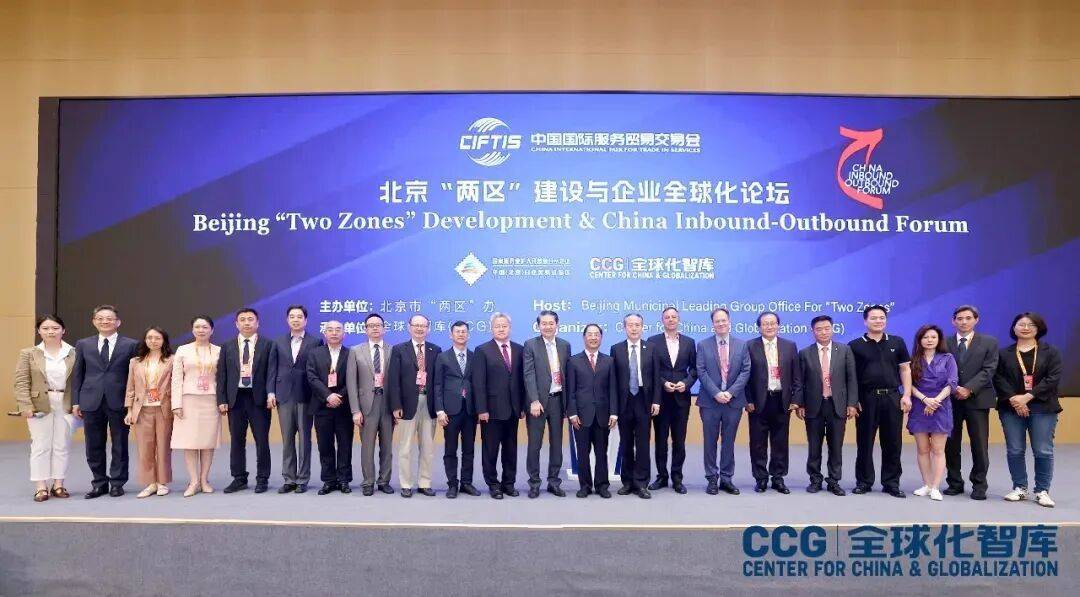
驭浪之术:对话全球化企业的核心能力构建@CCG中国企业全球化论坛
Sou Hu Cai Jing· 2025-09-23 06:56
Core Insights - The forum focused on the strategic layout, capability building, talent cultivation, and risk management in the globalization process of enterprises [2] Group 1: Globalization Strategies - Chinese enterprises need to comply with laws and regulations while also protecting themselves from hostile forces, emphasizing the importance of self-protection in international operations [6] - Effective integration into the global market relies on building core competencies, including comparative research abilities and a mindset for mutual benefit [8] Group 2: Talent Development - The success of Chinese enterprises abroad is largely attributed to the recruitment and utilization of international talent, particularly local talents and those who have studied in China [12] - There is a pressing need for composite talents with knowledge reserves, cross-disciplinary abilities, strategic vision, and language skills to enhance international competitiveness [16] Group 3: Collaboration and Innovation - Chinese enterprises should focus on deepening collaboration with local industries, technology sectors, academia, and communities to achieve integration [10] - The development of a global agricultural technology platform is being pursued to replicate successful data models from China, aiming for a unified agricultural infrastructure worldwide [14] Group 4: Challenges and Resilience - Enterprises face geopolitical uncertainties, localization challenges, compliance risks, and local operational difficulties when expanding internationally [18] - Building organizational resilience and flexibility is essential for adapting to different market cultures and regulatory environments [18]