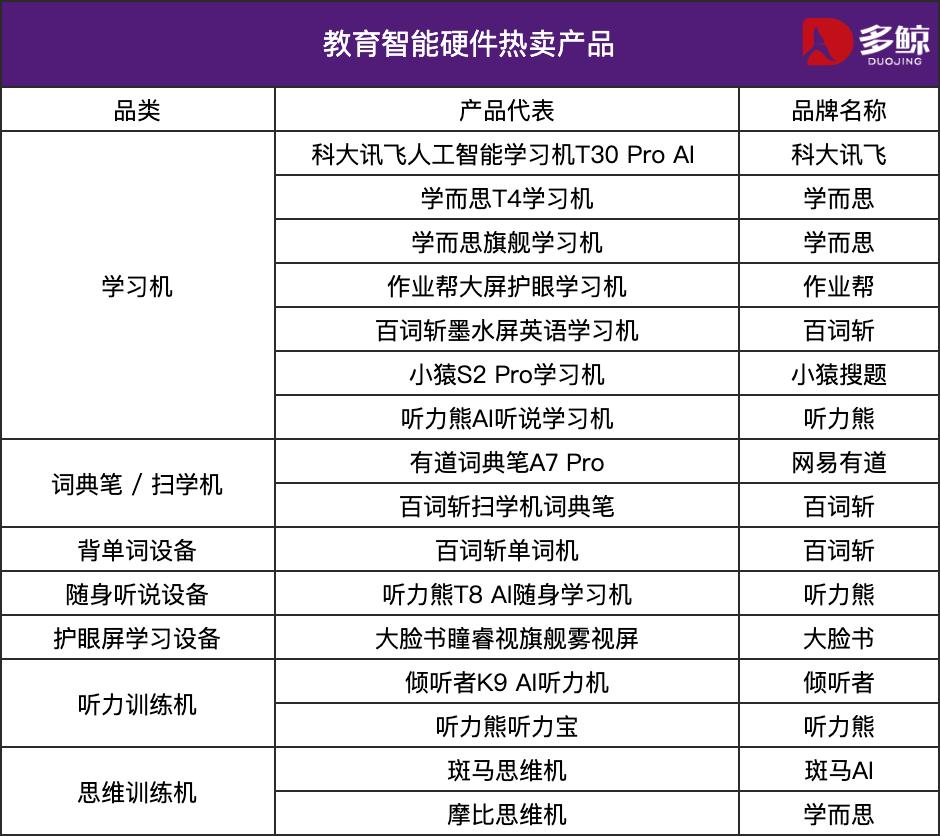
智能教育硬件

Search documents
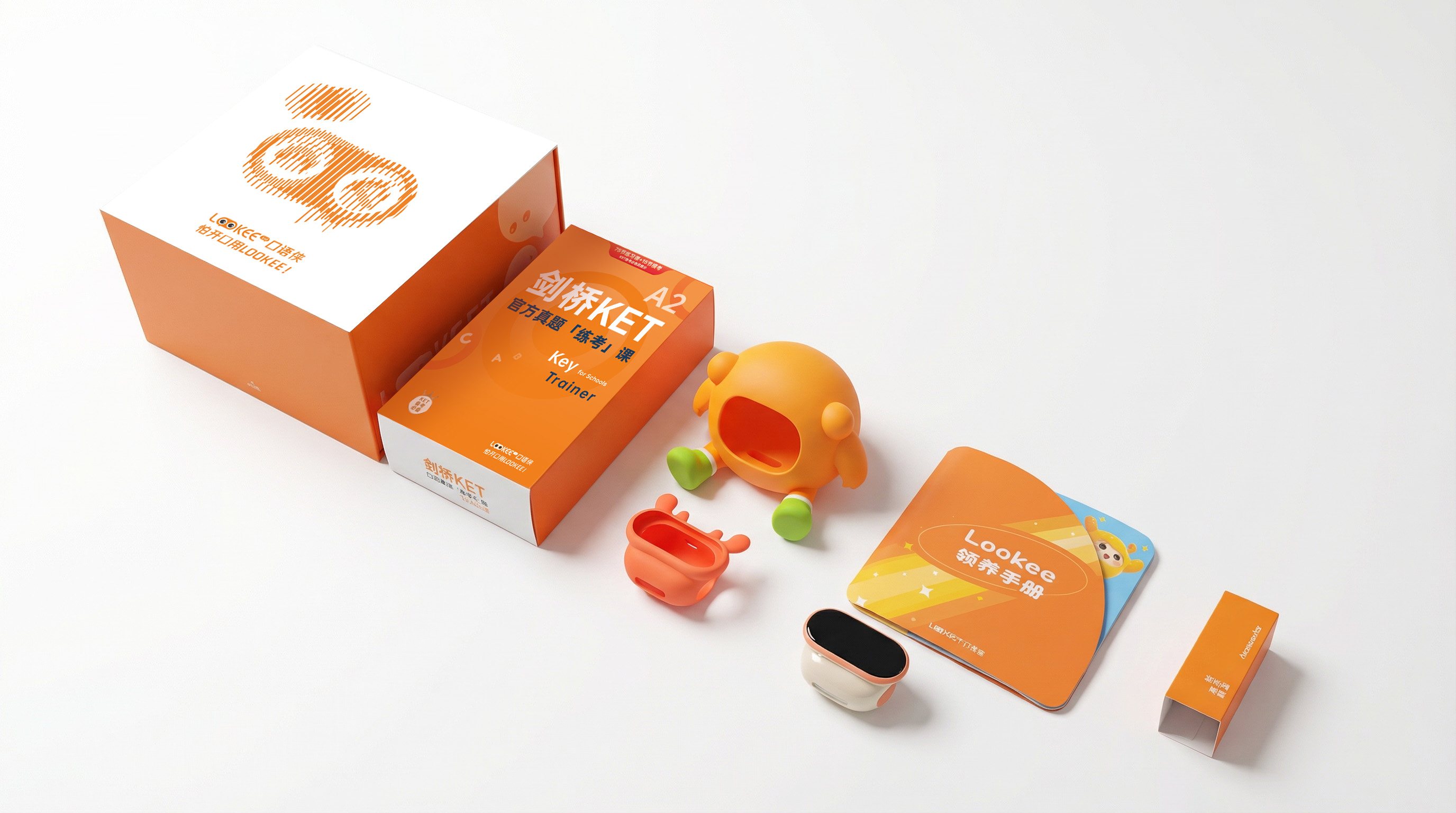
前字节团队创业,做无屏儿童口语陪练AI硬件丨早起看早期
36氪· 2026-01-26 00:10
Core Viewpoint - The article discusses the innovative approach of Hezhi Technology in developing a screen-free AI hardware product aimed at enhancing children's language learning experiences, particularly in oral practice, by leveraging multimodal technology and personalized interaction [5][9][12]. Financing Information - Hezhi Technology has completed a multi-million angel round financing led by Qiji Chuangtan, with funds primarily allocated for technology research and development, product iteration, and scaling up hardware production and delivery [6][7]. Company Overview - Founded in November 2023 and based in Beijing, Hezhi Technology targets the essential market of foreign language learning for children aged 6-12, offering an AI-powered oral practice hardware product that combines multimodal technology with self-developed hardware [9][10]. Product Features - The flagship product, LOOKEE, is designed as a screen-free device that addresses key pain points in children's oral practice, such as high investment, low engagement, and lack of interaction. It aims to foster a natural language learning environment through audio interaction [9][11]. - LOOKEE incorporates the AURA dynamic control system for personalized learning experiences, transforming traditional one-way reading exercises into interactive dialogues that can sense emotions and provide timely feedback [11]. Market Potential - According to iResearch, the overall market size for children's educational products in China is projected to reach 286 billion yuan in 2024, with the educational hardware segment exceeding 68 billion yuan and expected to grow to 185 billion yuan by 2030, reflecting a compound annual growth rate of 18.3% [14]. - The market for oral practice hardware, a subset of intelligent educational hardware, is experiencing explosive growth, with an estimated market size of 14.73 billion yuan in 2024, anticipated to rise to 19.02 billion yuan in 2025, marking a year-on-year increase of approximately 29.1% [14]. Team Background - The founder and CEO, Lu Yaqi, holds dual master's degrees in education and economics from Columbia University and has nearly ten years of experience in the education and AI sectors, having previously worked at prominent companies like TAL Education, ByteDance, and Kuaishou [16]. User Engagement Strategies - LOOKEE employs a three-tier mechanism to ensure children maintain stable usage and effective communication: habit formation through high-frequency scene binding, a flexible recall mechanism to engage children, and instant feedback with visualized goals to enhance focus and motivation [21][22][24]. - The product is designed to integrate seamlessly into children's daily lives, encouraging regular interaction and language immersion through engaging content and playful reminders [22][23]. Target User Demographics - The primary target demographic includes parents of children preparing for English proficiency exams such as KET, PET, and FCE, who are willing to invest significantly in effective language learning solutions [26]. - The long-term strategy aims to expand the user base to encompass a broader range of students within the public school system, addressing the growing demand for language application skills as educational reforms evolve [27].


前字节团队创业,做无屏儿童口语陪练AI硬件|硬氪首发
3 6 Ke· 2026-01-24 03:21
Core Insights - The article discusses the emergence of a "screen-free" educational product aimed at enhancing children's language learning experiences, particularly focusing on the importance of "eye protection" and "immersive learning" for parents [1][2] Financing Details - Company: Beijing Hezhi Technology Co., Ltd. - Financing Round: Angel round - Amount Raised: Several million yuan - Lead Investor: Qiji Chuangtan - Use of Funds: The financing will primarily be used for technology research and development, accelerating product iteration and optimization, and promoting the mass production and delivery of the first batch of hardware [1] Company Overview - Established: November 2023 - Location: Haidian District, Beijing - Focus: The company targets the essential market for foreign language learning for children aged 6-12, developing an AI-powered speaking practice hardware product, positioned as an "AI hardware version of Duolingo" [1][2] Product Highlights - Product Name: LOOKEE Speaking Hero - Concept: Aims to address high investment, low engagement, and lack of interaction in children's speaking practice through AI technology and screen-free hardware [2][4] - Features: Incorporates a self-developed AURA dynamic control system for personalized learning, focusing on audio interaction to enhance language logic [2][4] Market Potential - Market Size: The overall market for children's educational products in China is projected to reach 286 billion yuan in 2024, with educational hardware surpassing 68 billion yuan [6] - Growth Rate: The market for speaking practice hardware is expected to grow from 14.73 billion yuan in 2024 to 19.02 billion yuan in 2025, reflecting a year-on-year increase of approximately 29.1% [6] Team Background - Founder and CEO: Lu Yaqi, with dual master's degrees in education and economics from Columbia University and nearly ten years of experience in the education and AI sectors [7] - Team Composition: The core team consists of members with strong educational, hardware, and AI backgrounds from prestigious universities and tech companies [7] User Engagement Strategies - Mechanisms: The product incorporates three mechanisms to ensure stable usage and effective communication: habit formation, flexible recall, and instant feedback [11][12] - User Targeting: The primary user demographic includes parents preparing their children for English proficiency exams, emphasizing the effectiveness and cost-efficiency of the product [14][16] Long-term Vision - Future Plans: The company aims to extend the "screen-free + social AI" learning model to more languages and scenarios, creating a comprehensive hardware product ecosystem [5][17] - Educational Trends: The shift in English teaching methods towards conversational skills highlights the growing need for supplementary language learning resources, particularly for students facing increasing language application pressures [16][17]

两个二胎爸爸,做了台「学习神器」
3 6 Ke· 2025-08-27 13:54
Core Viewpoint - The article discusses the launch of the new product, the Alpha Egg Scanning Learning Machine K6, which aims to address the fragmented learning experience caused by multiple educational devices for children. The K6 integrates various functions into one device, enhancing convenience and efficiency for both children and parents [1][14]. Product Features - The K6 features a 5-inch screen, a compact design similar to a smartphone, and a battery capacity of 1900mAh, allowing for a week of usage on a single charge [3]. - It combines six common functions: dictionary pen, learning machine, AI speaking treasure, audio reader, translation machine, and student camera, making it a versatile tool for various learning scenarios [3][14]. - The K6 eliminates the traditional glass window found in dictionary pens, introducing a "what you see is what you scan" feature, which allows real-time scanning and reduces user frustration [15][17]. Market Position - Alpha Egg has established itself as a leading player in the smart education hardware sector, achieving over ten billion yuan in revenue and a remarkable 30-fold increase in revenue over four years [6]. - The K6 is positioned as a high-frequency, portable learning device that complements traditional learning machines, making it suitable for on-the-go learning [14]. Development Background - The K6's development began two years ago, driven by user feedback and a dedicated research team of nearly 100 people, focusing on technological advancements and user needs [6][12]. - The founders, both parents, drew inspiration from their personal experiences in helping their children with homework, leading to the creation of a product that fosters independent learning [5][9]. Educational Philosophy - The K6 emphasizes nurturing children's problem-solving skills rather than providing direct answers, aiming to enhance their learning motivation and independence [9][22]. - The product supports a wide range of subjects and offers a comprehensive database of over 10 billion questions, ensuring it meets diverse educational needs [18]. Business Model - Alpha Egg adopts a "hardware buyout, lifetime free access" model, providing users with free access to all content and future upgrades without additional charges [18]. - The company is cautious about the integration of AI technology, ensuring that all AI-generated content is verified by educational professionals to maintain accuracy and reliability [22][23]. User Demographics - The primary users of Alpha Egg's products are parents who are actively involved in their children's education, with a significant portion being office workers and predominantly female [30][32]. - The company aims to help children maintain their curiosity and motivation for learning in an increasingly complex environment [32][34].

两个二胎爸爸,做了台「学习神器」
36氪· 2025-08-27 13:35
Core Viewpoint - The article discusses the launch of the new product, the Alpha Egg Scanning Learning Machine K6, which aims to address the fragmented learning experience caused by multiple educational devices by integrating various functions into one portable device [1][5][20]. Group 1: Product Features - The K6 features a 5-inch screen, a compact design similar to a smartphone, and a battery capacity of 1900 mAh, allowing for a week of usage on a full charge [3][19]. - It combines six common functions: dictionary pen, learning machine, AI speaking treasure, audio reader, translation machine, and student camera, making it a versatile tool for various learning scenarios [5][19]. - The K6 eliminates the traditional glass window found in dictionary pens, introducing a "what you see is what you scan" feature that enhances user experience by allowing real-time scanning results [21][24]. Group 2: Market Position and Business Model - Alpha Egg has established itself as a leading player in the smart education hardware sector, achieving a revenue growth of 30 times over four years, with total revenue exceeding 1 billion yuan [9]. - The K6 supports over 119 textbook versions and 103 dictionaries, offering a comprehensive educational resource without additional charges for content updates, promoting a "hardware buyout, lifetime free" business model [25][43]. Group 3: Educational Philosophy - The founders emphasize the importance of maintaining children's interest in learning rather than focusing solely on grades, aiming to create tools that help children overcome learning obstacles and foster curiosity [35][40]. - The development of the K6 was influenced by the founders' personal experiences as parents, leading to a product designed with children's needs in mind [8][39]. Group 4: AI Integration - The K6 incorporates AI technology to enhance learning experiences, particularly in language practice, by providing interactive and engaging methods for children to practice speaking [27][28]. - The company is cautious about the potential misuse of AI, ensuring that all AI-generated content is verified by educational professionals to maintain accuracy and reliability [29][30]. Group 5: User Demographics - The primary users of Alpha Egg products are parents, predominantly office workers, who are invested in their children's education and seek reliable tools to support learning [40][43]. - The article highlights the alignment between the company's user demographics and the broader market trends in educational technology, particularly among families in first- and second-tier cities [40].

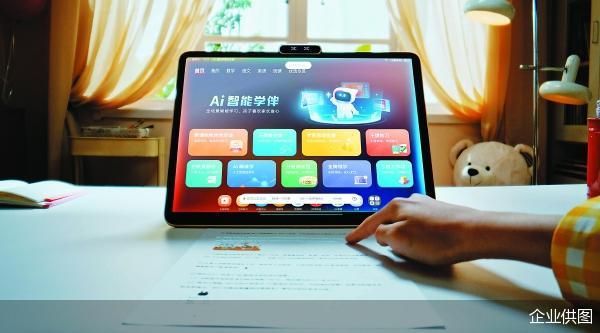
学而思:AI学习机让处处变课堂
Bei Jing Shang Bao· 2025-08-07 12:55
Core Insights - The article discusses the transformative impact of AI-powered learning machines on education, highlighting a shift from traditional tutoring to AI-assisted learning, which enhances family dynamics and educational experiences [1][3][4]. Group 1: Market Dynamics - The AI learning machine market is projected to grow significantly, with the Chinese education smart hardware market reaching 80.7 billion yuan in 2023, a year-on-year increase of 29.53%, and expected to exceed 100 billion yuan by 2025 [10][11]. - The market has evolved from chaotic growth to intense competition among leading companies, with major players like Baidu entering the market, leading to the exit of many white-label products [11][12]. Group 2: Technological Advancements - The learning machines utilize advanced AI technologies, particularly "multi-modal interaction," allowing them to understand and assist children in real-time by observing their writing and responding to their questions [6][9]. - The development of learning machines has progressed through various stages, from basic answer retrieval to interactive diagnostic capabilities, significantly enhancing their effectiveness in educational settings [6][10]. Group 3: Educational Impact - The integration of AI learning machines in classrooms has enabled innovative teaching methods, such as dual-line teaching, which allows teachers to cater to different student levels simultaneously [8]. - The use of AI in education is not limited to home settings; it is also being implemented in community libraries and schools, bridging the digital divide and enhancing learning opportunities [8][9]. Group 4: Challenges and Future Outlook - Despite rapid advancements, challenges remain in adapting learning machines for high school subjects, where the complexity of content and the need for dynamic understanding of problem-solving processes present significant hurdles [9][10]. - The future of learning machines lies in their ability to provide personalized learning experiences across all educational stages, with ongoing upgrades to their capabilities expected to enhance their market penetration and effectiveness [12][13].

创新消费力 | 学而思:AI学习机让处处变课堂
Bei Jing Shang Bao· 2025-08-04 09:38
Core Insights - The article discusses the transformative impact of AI-powered learning machines on education, highlighting a shift from traditional tutoring to AI-assisted learning experiences for families [2][3][4]. Group 1: Market Trends and Growth - The AI learning machine market is projected to tap into a trillion-level consumer market, significantly enhancing educational experiences and family relationships [2]. - The Chinese education smart hardware market reached 80.7 billion yuan in 2023, with a year-on-year growth of 29.53%, and is expected to exceed 100 billion yuan by 2025 [9][10]. Group 2: Technological Advancements - The evolution of learning machines has progressed from basic answer-searching capabilities to interactive diagnostic systems that can analyze students' problem-solving processes in real-time [6][9]. - Multi-modal interaction technology allows AI to "see" and "hear" students, enhancing the understanding of their learning needs and improving the tutoring experience [5][9]. Group 3: Educational Impact - AI learning machines are reshaping the educational landscape by facilitating personalized learning experiences at home and in classrooms, thus enabling differentiated instruction [7][8]. - The integration of AI in education is not meant to replace teachers but to enhance their capabilities, allowing for more effective teaching strategies [7][10]. Group 4: Challenges and Future Directions - Despite rapid advancements, challenges remain in adapting learning machines for high school subjects, particularly in complex problem-solving scenarios [8][9]. - The competitive landscape is evolving, with major players adjusting their strategies to capture different market segments, indicating a shift towards more specialized educational tools [10][11].
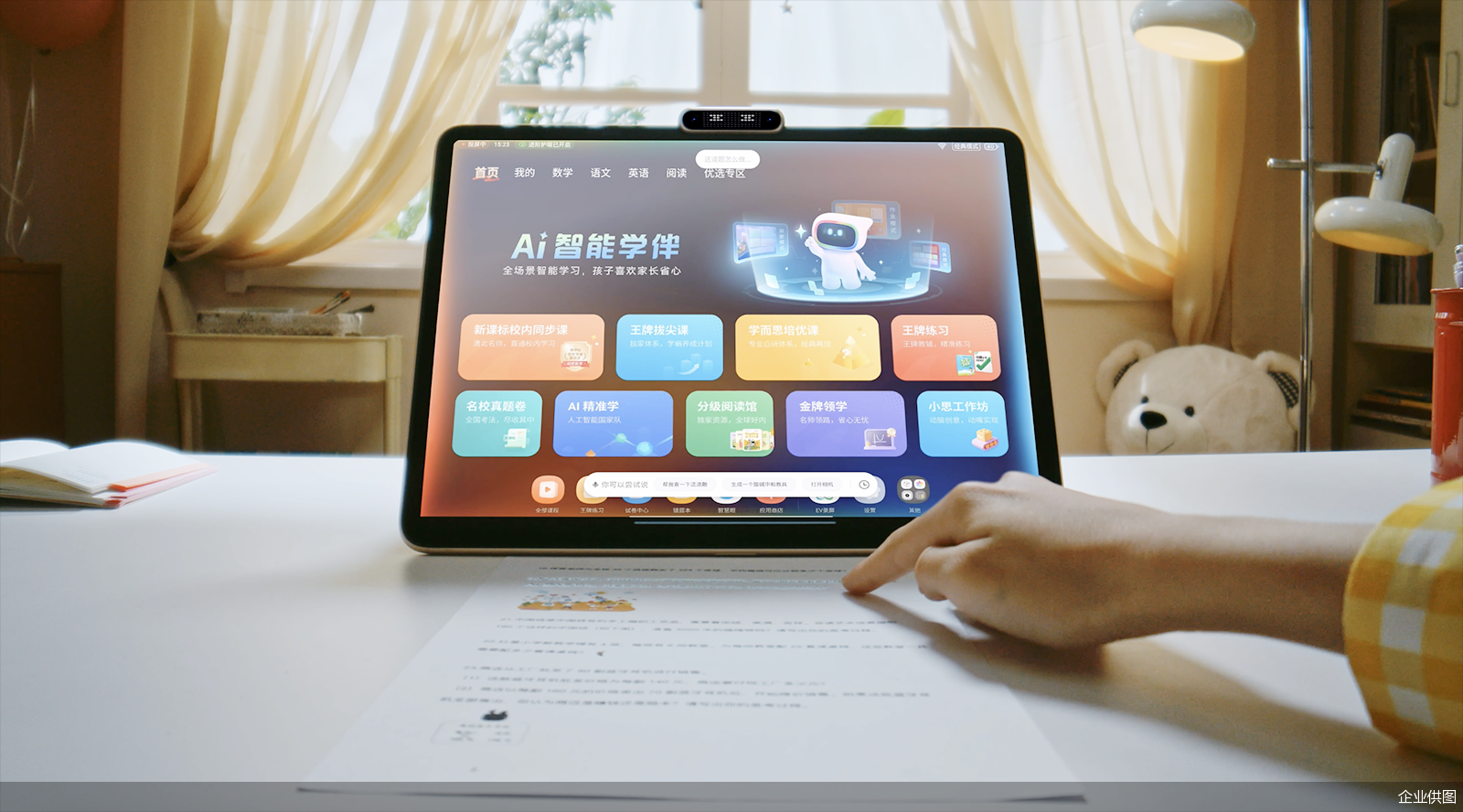
纳米盒学习大屏闪耀2025 CBME,护眼大屏+AI重塑家庭场景的学习价值
Huan Qiu Wang· 2025-07-22 07:44
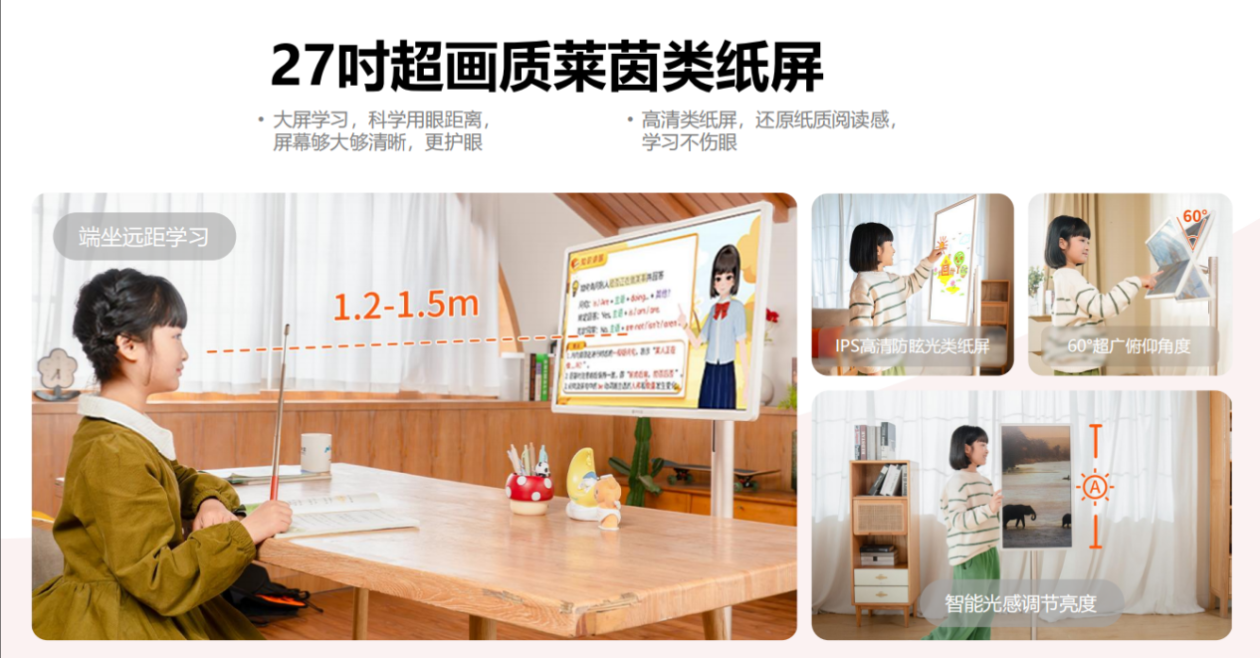
Group 1 - The core product "Parent-Child Learning Screen" by Nanobox, a brand under Jinxin Technology Holdings Group, was showcased at the 2025 CBME International Baby and Child Exhibition, highlighting its unique value and AI-enabled experience, attracting significant attention from channel partners [1] - The collaboration with Hisense has resulted in a product that extends beyond traditional educational hardware, offering an immersive interactive learning experience while addressing modern families' eye protection needs [2][4] - The product features self-developed learning content for grades 1-9, advanced visual quality technology, and seven eye protection techniques, positioning it as a comprehensive educational tool for families [2][4] Group 2 - The exhibition provided a crucial opportunity for Nanobox to expand and deepen its offline channels, with positive feedback from education industry professionals and potential partners regarding the product's competitive advantages [4] - Nanobox has established itself as the largest intelligent reading textbook service platform in China, with over 100 million cumulative users and more than 500 million downloads, showcasing its strong market presence [5] - The integration of AI into the product enhances family tutoring efficiency, with features like essay guidance and oral practice that effectively support children's learning processes [5][7]
当智能硬件成为儿童伙伴:家庭教育如何购买陪伴?
3 6 Ke· 2025-07-01 02:44
Core Insights - The surge in sales of smart educational hardware is driven by parents' emotional needs, particularly the desire to compensate for their absence in children's lives with AI devices that provide companionship [1][4][6] - Smart hardware is evolving from being mere educational tools to becoming emotional companions for children, addressing both learning and psychological needs [2][5][11] Group 1: Market Trends - The demand for smart educational hardware is increasing as parents seek solutions to fill the "companionship void" created by their busy schedules [4][6] - Products like story machines, learning machines, and companion robots are becoming essential in many households, reflecting a shift in parental expectations from just academic support to emotional engagement [3][6] Group 2: Product Features - Smart educational devices are designed to interact with children, offering storytelling, homework assistance, and emotional support, thus acting as daily companions when parents are unavailable [2][4] - The technology behind these devices includes voice recognition and interactive algorithms, allowing for two-way communication that enhances the sense of companionship [4][5] Group 3: Safety and Content - Health and safety are primary concerns for parents when selecting smart hardware, with features like eye protection and content filtering being critical factors [9][10] - The importance of content quality is emphasized, as engaging and interactive educational material is essential for maintaining children's interest and enhancing the value of companionship [9][10] Group 4: Future Developments - The next generation of smart educational hardware is expected to incorporate emotional intelligence, enabling devices to recognize and respond to children's emotional states [11][12] - Future products will aim to create a seamless integration of learning and emotional support across various environments, enhancing the overall companionship experience for children [13][14]