汽车内容

Search documents
2025汽车内容行业的演进与突围
Zhong Guo Qi Che Bao Wang· 2025-12-23 08:43
Core Insights - The automotive content industry is undergoing a transformation from a focus on traffic to a focus on value, driven by user demand for more meaningful and practical information [3][11] - The "懂车星选" model has emerged as a key driver of this transformation, creating a win-win ecosystem for creators, users, and brands [10][11] Group 1: Industry Transformation - The automotive content evolution reflects a shift from display-type content to decision-support content, addressing user pain points and enhancing decision-making processes [4][11] - The younger, more rational consumer base is demanding deeper insights and practical performance data, moving beyond superficial visual experiences [4][12] - The industry is transitioning from a fragmented display phase to a more cohesive and informative content structure that meets the actual needs of users [4][11] Group 2: Creator Ecosystem - The "懂车帝" platform has facilitated the creation of a collaborative ecosystem for automotive creators, allowing them to focus on producing high-quality, informative content [8][9] - The three automotive festivals have established a competitive yet cooperative environment among creators, enhancing overall content quality and professional standards [9][11] - The shift in brand collaboration from entertainment-focused creators to those who can provide in-depth technical analysis reflects a broader industry trend towards valuing expertise [6][10] Group 3: Platform Empowerment - The platform has lowered the barriers for professional content production, enabling creators to concentrate on content refinement rather than logistical challenges [8][9] - The "懂车星选" model provides a comprehensive support system for creators, ensuring a steady supply of vehicles and standardized processes for content creation [10][11] - The platform's data-driven approach enhances the ability to match user needs with relevant content, improving decision-making efficiency for consumers [10][12] Group 4: Future Outlook - The industry is expected to see deeper changes with a focus on professional, scenario-based, and personalized content, catering to specific user groups [12] - Emerging technologies like VR and immersive experiences are anticipated to enhance user engagement and provide more intuitive experiences [12] - The ongoing evolution of the creator ecosystem and platform capabilities will contribute to a healthier and more sustainable development model for the automotive industry [12]


躲在流量后面的人,被监管点名了
Tai Mei Ti A P P· 2025-12-11 14:48
Core Viewpoint - The Chinese content industry is undergoing a significant and necessary "supply-side reform," particularly in the automotive sector, as regulatory scrutiny intensifies against misinformation and tax evasion practices [2][3]. Group 1: Regulatory Changes - The recent exposure of various automotive self-media accounts and the tax penalty imposed on a prominent figure signal a comprehensive regulatory crackdown on the content industry, particularly in vertical sectors like automotive [5][6]. - The regulatory focus has shifted from just high-profile celebrities to include influential figures in niche markets, indicating a broader scope of compliance enforcement [4][6]. - The government's actions reflect a commitment to ensuring tax compliance across all income brackets, eliminating loopholes that previously allowed high-income individuals to evade taxes [6][8]. Group 2: Impact on Business Models - The dual pressures of stringent content regulation and tax scrutiny are raising the compliance costs for content creators, pushing them to adopt a more institutionalized operational model [9][10]. - The traditional "individual entrepreneur" model is becoming less viable as the industry faces increased financial and risk management demands, necessitating a shift towards a more professionalized approach [11][12]. - The emergence of a more structured environment will likely lead to a reevaluation of the roles of MCNs (Multi-Channel Networks), transforming them into compliance service providers and risk management platforms [13][14]. Group 3: Market Dynamics - The focus on compliance is expected to change how brands allocate their marketing budgets, favoring established organizations over individual creators who may pose regulatory risks [12][16]. - The content industry is moving away from reliance on "super KOLs" (Key Opinion Leaders) towards a more systematic and standardized approach to content creation and distribution [15][16]. - The regulatory environment aims to foster a healthier content ecosystem that prioritizes professional and social value over mere profit generation [17][18].

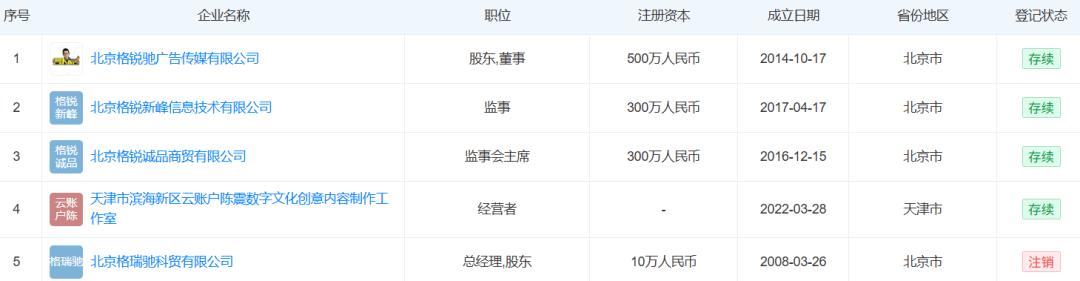
车评顶流陈震偷税被查,247万元罚单背后:隐匿千万收入的“两本账”
3 6 Ke· 2025-12-08 00:02
Core Viewpoint - The tax evasion case involving Chen Zhen, a prominent automotive reviewer with over 24 million followers, highlights significant discrepancies between his public statements on tax obligations and his actual practices, leading to substantial financial penalties and potential impacts on his business operations [1][4][7]. Group 1: Tax Evasion Details - From 2021 to 2023, Chen Zhen evaded a total of 1.1867 million yuan in personal income tax through methods such as concealing income and false declarations [1]. - The total amount of tax, late fees, and fines imposed on Chen Zhen amounts to 2.4748 million yuan, which has been fully recovered by the tax authorities [2]. Group 2: Impact on Business and Reputation - Following the exposure of the tax evasion case, Chen Zhen's social media accounts have been silenced, and several automotive brands have removed promotional content associated with him [2][5]. - Chen Zhen's business activities are heavily reliant on his personal brand, which is now at risk due to the controversy surrounding his tax evasion [6][8]. Group 3: Financial Insights - Chen Zhen reportedly earned over 20 million yuan annually from online advertising, yet declared only around 100,000 yuan in comprehensive income each year during the same period [7]. - His personal brand's advertising rates are significant, with prices ranging from 35,000 yuan for short video ads to 90,000 yuan per hour for live broadcasts [6]. Group 4: Regulatory Environment - The case reflects a broader regulatory crackdown on the automotive content industry, particularly targeting creators who rely on controversial topics for traffic [9][11]. - The regulatory focus includes addressing misinformation and emotional manipulation in automotive content, which poses risks to consumer trust and market integrity [10].