
海洋科普

Search documents
播下海洋科学的种子
Zhong Guo Zi Ran Zi Yuan Bao· 2026-01-12 07:40
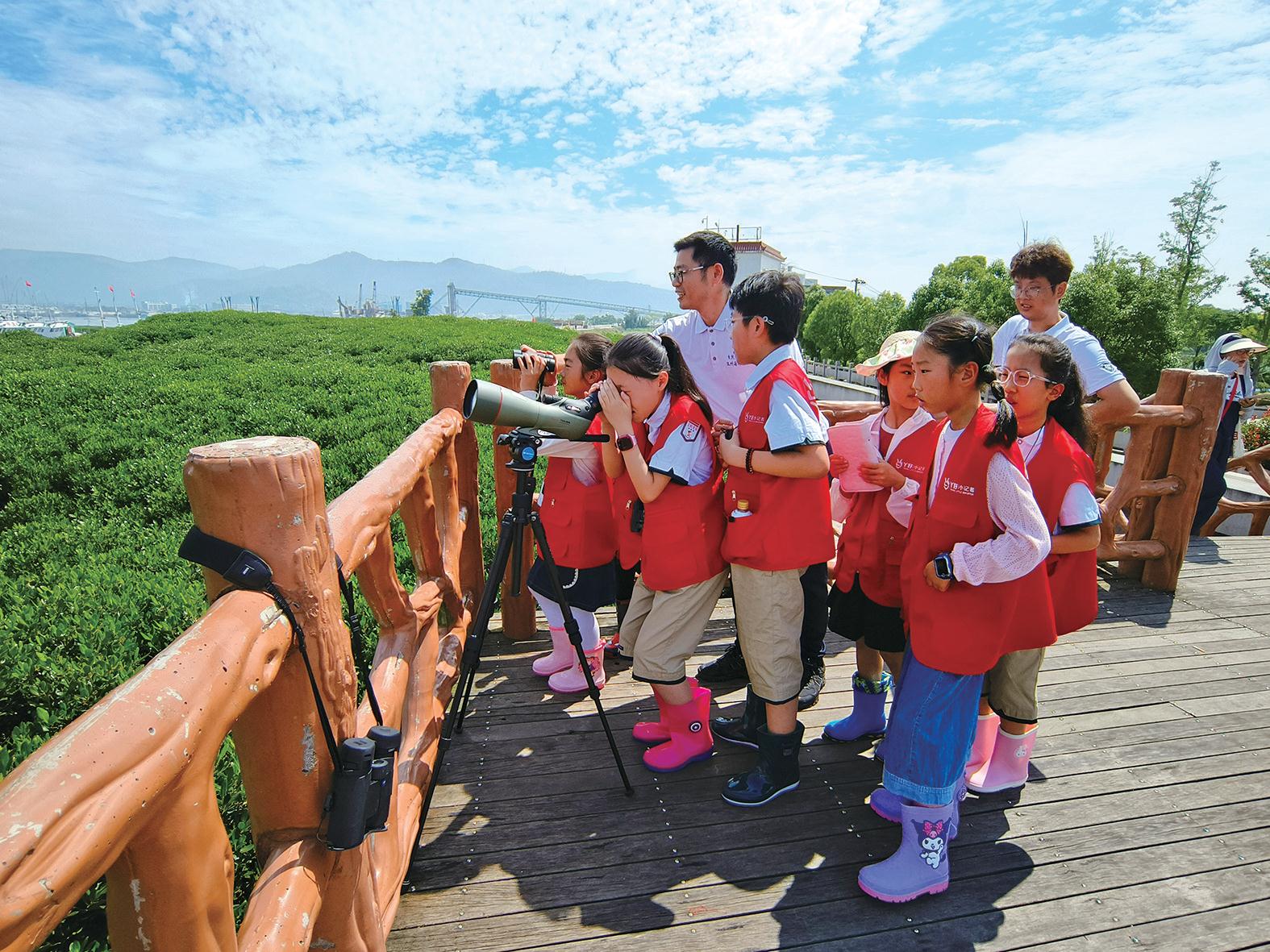
Core Viewpoint - The East China Sea Bureau emphasizes the importance of popular science work as a bridge connecting technology and the public, aiming to enhance national scientific literacy and support innovation development [1][3]. Group 1: Strategic Framework - The East China Sea Bureau integrates popular science work into the strategic framework of building a marine power and ecological civilization, establishing four main goals: enhancing public marine awareness, disseminating marine science knowledge, promoting marine ecological culture, and cultivating future talents for marine industries [3]. - A closed-loop work structure is formed with clear responsibilities and task divisions among various units, ensuring efficient collaboration and coordination [3]. Group 2: Content Development - The East China Sea Bureau has produced high-quality popular science books, including "Finding CO2's Marine Paradise," which engages children with interactive elements to explain blue carbon ecosystems [7]. - Various marine biology atlases have been created, showcasing local marine resources and receiving national recognition for their quality [7]. Group 3: Multimedia and Online Outreach - The Bureau has developed a series of engaging popular science videos that cover topics such as tsunami warnings and marine ecological protection, enhancing public understanding of marine knowledge [8]. - Online platforms are utilized to expand the reach of popular science education, with initiatives like the "Marine Science Cloud Classroom" attracting significant online audiences [12]. Group 4: Community Engagement - The East China Sea Bureau conducts diverse outreach activities in schools, communities, and rural areas, promoting marine knowledge and disaster prevention [10]. - Brand activities, such as the "Sow a Seed of the Ocean" program, have successfully engaged thousands of students, reinforcing marine education [11]. Group 5: International Collaboration - The Bureau actively engages in international science communication, showcasing China's marine science achievements and fostering cultural exchange [14]. - Since 2016, over 200 thematic popular science activities have been conducted, reaching more than 50,000 participants, with a significant focus on youth engagement [14]. Group 6: Future Directions - The East China Sea Bureau aims to deepen its popular science strategy, enrich content offerings, and innovate dissemination methods to further enhance public scientific literacy and contribute to ecological civilization [15].

南海预报减灾中心海洋科普润童心
Zhong Guo Zi Ran Zi Yuan Bao· 2025-10-20 02:30
Core Viewpoint - The Natural Resources Department's South China Sea Disaster Reduction Center conducted an engaging marine disaster science lecture for preschool children in Guangzhou, emphasizing the importance of understanding marine hazards through interactive and relatable storytelling methods [1]. Group 1: Educational Approach - The lecture utilized personification and storytelling to explain various marine disasters, making complex concepts accessible to young children [1]. - Marine hazards were creatively described, such as storm surges being likened to "rude visitors" and rip currents as "a seemingly calm yet dangerous water slide" [1]. Group 2: Interactive Learning - Two interactive games were designed to enhance understanding: "The Ocean is Dancing," where children mimicked wave movements, and "Storm Surge is Coming," where they practiced emergency evacuation skills [1][2]. - These games aimed to provide practical skills for responding to storm surges, reinforcing the educational content through active participation [1].
青春之花在海岸线绽放
Zhong Guo Zi Ran Zi Yuan Bao· 2025-08-19 02:52
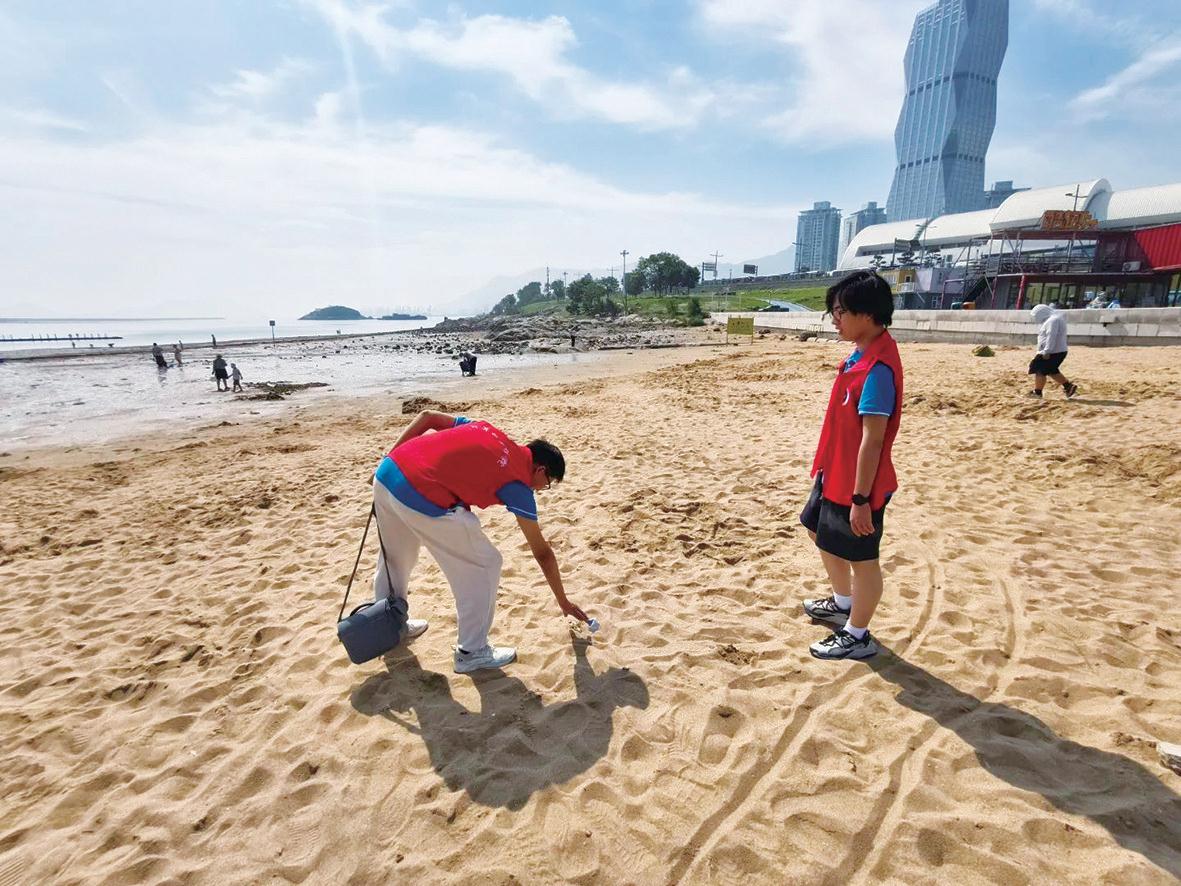
Group 1 - The core theme of the summer social practice is to contribute to the development of marine affairs and the construction of a strong marine nation through practical actions by students and faculty from Jiangsu Ocean University [2][10] - Various teams from different colleges are applying their academic knowledge to real-world challenges in marine science, technology, and culture, enhancing efficiency in aquaculture and analyzing human impacts on coastlines [4][6][9] - The initiative includes educational outreach to children, promoting marine science and ecological awareness through hands-on activities and creative projects [6][7][8] Group 2 - The "Intelligent Aquaculture" team is directly applying laboratory results to improve fish farming practices, addressing the practical difficulties faced by local aquaculturists [4] - The "Cultural Transmission" team is engaging with traditional arts and crafts, creating cultural products that highlight the historical connection between marine culture and local heritage [7] - The "Ecological Monitoring" team is conducting scientific assessments of marine environments, emphasizing the importance of data analysis in maintaining ocean health [9]
东海局海洋科普志愿者走进上海社区
Zhong Guo Zi Ran Zi Yuan Bao· 2025-08-06 02:15
Core Viewpoint - The article highlights a marine science education initiative in Shanghai, focusing on the impact of green tide caused by Enteromorpha prolifera (commonly known as "green algae") on marine ecosystems, aimed at raising awareness among students about ocean conservation and ecological balance [1][2]. Group 1: Marine Science Education Initiative - The initiative involves sending volunteers to teach marine science courses in various community summer programs in Shanghai's Hongkou District, emphasizing the characteristics and effects of green tide [1]. - Students engage in discussions and debates about whether green tide is beneficial or harmful to the marine environment, showcasing different perspectives on its ecological impact [1]. Group 2: Hands-on Learning and Environmental Advocacy - In a practical experiment, students simulate the accumulation of green tide on water surfaces, observing its effects on light penetration and potential consequences for marine life [2]. - The initiative encourages students to become "little ocean guardians," promoting environmental awareness and responsible water usage at home [2].