
海洋强国

Search documents
中国银行董事长葛海蛟与中船集团董事长徐鹏举行工作会谈
Xin Lang Cai Jing· 2026-03-10 12:22
Core Viewpoint - The meeting between the Bank of China and China Shipbuilding Group resulted in a cooperation agreement aimed at enhancing collaboration in various sectors, particularly in line with the "14th Five-Year Plan" for promoting a strong maritime nation [1][3]. Group 1: Cooperation Agreement - The cooperation agreement focuses on strengthening collaboration in major projects, guarantees, and cross-border RMB usage, with an emphasis on aligning with the "14th Five-Year Plan" [1][3]. - The Bank of China aims to enhance its global service level, increase comprehensive service supply, and strengthen technology financial service capabilities to support the shipbuilding industry [1][3]. Group 2: Strategic Goals - China Shipbuilding Group is committed to advancing defense, shipbuilding, marine equipment, strategic emerging industries, and modern manufacturing services, while optimizing and upgrading its industrial structure [2][4]. - The group seeks to deepen cooperation with the Bank of China in areas such as cultivating new productive forces, innovating ship finance service scenarios, and expanding ship leasing business [2][4].

深海“新物种”如何撬动10万亿新风口?
Sou Hu Cai Jing· 2026-02-15 08:11
Group 1 - The core viewpoint of the article emphasizes the transformation of the ocean from a mere transit space to a vital production factor, with emerging sectors such as offshore wind power, deep-sea computing centers, deep-sea mining, and ocean carbon sinks reshaping commercial boundaries [2][4] - The marine economy in China is projected to exceed 10 trillion yuan for the first time in 2024, reaching 10.5 trillion yuan, with a year-on-year growth of 5.9% [3] - The "14th Five-Year Plan" has designated the marine economy as a key task, marking a significant step towards a measurable and actionable "marine power" strategy [3][4] Group 2 - Experts highlight that the marine economy is a key development task driven by national demand, with deep-sea economy emerging as a new growth point and a full-chain industry [4] - China possesses significant advantages in marine resources, including abundant oil and gas, renewable energy, solid minerals, and fisheries, which are continuously being developed [4][5] - The traditional marine sectors, such as oil and gas exploration, are seeing increased investment and output, while new sectors like offshore wind and solar energy are rapidly expanding [4][5] Group 3 - The article discusses the emergence of "new species" in the marine economy, including deep-sea hydrogen energy, which China is at the forefront of, although commercialization is still a long way off [7][8] - Research projects at Chinese universities focus on deep-sea mining, ocean carbon sinks, and marine biological resource development, aiming for technological breakthroughs [7] - Companies are exploring innovative applications of membrane technology for seawater desalination and extracting valuable elements from the ocean, integrating energy, storage, and pollution treatment [8] Group 4 - The deep-sea economy is characterized by its technological features, serving as a training ground for validating various technologies and equipment [10] - The article emphasizes the need for a comprehensive approach to marine economic development, integrating policy, technology, talent, and industry to foster innovation and market vitality [10]


综合开发研究院原院长、经济学家樊纲荣膺“2025年度十大宏观经济学家”
Xin Lang Cai Jing· 2026-02-11 03:32
Group 1 - The core viewpoint of the article highlights the announcement of the "Top Ten Macroeconomists of 2025," emphasizing the need for proactive fiscal policies and moderately loose monetary policies to support China's economic development amidst challenges [1][3] - The evaluation of the economists was conducted by a committee considering five dimensions: professionalism, influence, innovation, foresight, and activity level, with results based on voting and reference to the foresight and output rates of their works [2][4] Group 2 - Economist Fan Gang was awarded the title of "Top Ten Macroeconomists of 2025," with notable insights including the importance of addressing the impact of AI on employment while promoting new industries and jobs created by AI [5] - Fan Gang raised questions about whether China can avoid the "Thucydides Trap" and find a new direction for economic development [5] - He pointed out that "involution" and vicious competition partly stem from an imperfect merger and acquisition mechanism [5] - In discussions about building a maritime power, he emphasized leveraging latecomer advantages through higher levels of openness [5] - Fan Gang also discussed the transformation of the perception of "Made in China" from misunderstanding to recognition [5]
南极磷虾资源高值化利用重点实验室获批
Liao Ning Ri Bao· 2026-02-08 01:04
Core Viewpoint - The Ministry of Agriculture and Rural Affairs has approved a new key laboratory focused on the high-value utilization of Antarctic krill resources, led by Liao Yu Group in collaboration with Dalian University of Technology and the Chinese Academy of Traditional Chinese Medicine [1] Group 1: Laboratory Approval and Significance - The newly approved laboratory is the first of its kind in China dedicated to Antarctic krill, which will significantly enhance the entire industrial chain of polar fisheries and strengthen national marine rights [1] - The approval marks a milestone for Liao Yu Group in deepening collaborative innovation between industry, academia, and research, aligning with national strategies for a "maritime power" and "healthy China" [1] Group 2: Industry Leadership and Development - Liao Yu Group has established a modern industrial system for polar fisheries since its first expedition to Antarctic waters in 2009, leading to a significant increase in China's Antarctic krill catch, now ranking second globally [1] - The laboratory aims to gather innovative resources from the industry to advance the strategic development of Antarctic krill into cutting-edge fields such as marine biomedicine and bioproducts [1] Group 3: Regional and International Impact - The establishment of the laboratory will support the creation of a nationally influential regional technology innovation center and promote the development of Liao Yu Group's Antarctic krill biotechnology park and associated facilities [1] - This initiative is expected to enhance China's international competitiveness and sustainable development capabilities in the field of Antarctic marine biological resource development [1]
天津文旅多维绘就“海洋+”新图景
Xin Lang Cai Jing· 2026-02-07 22:52
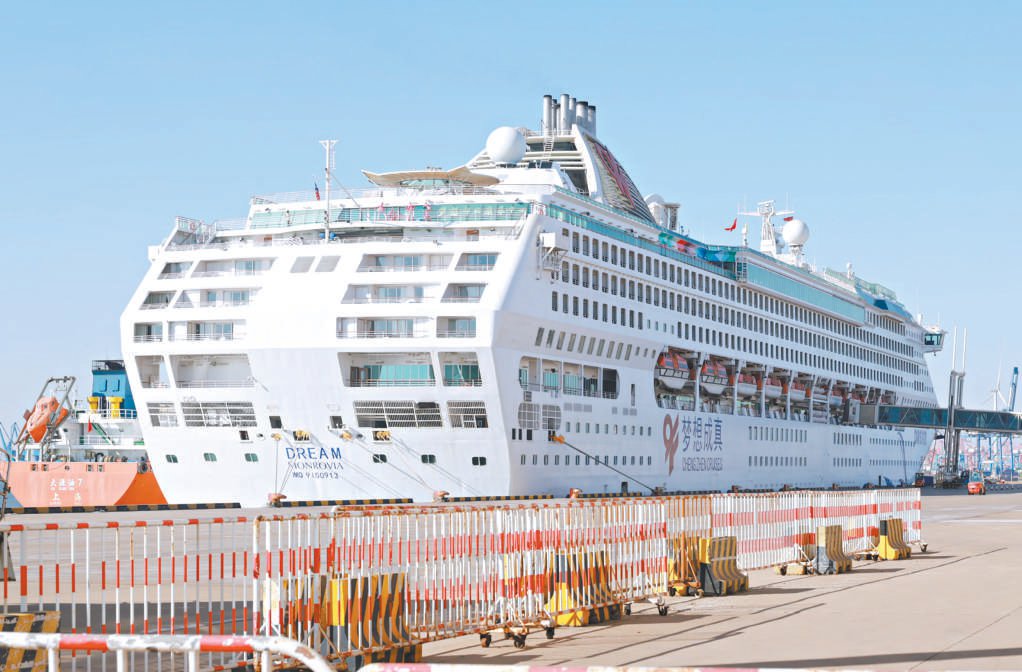
Group 1 - Tianjin is leveraging its unique marine resources and cultural heritage to enhance its tourism experience, promoting a theme of "prospering by the sea" [1] - The Tianjin International Cruise Home Port is the most convenient maritime passenger transport channel in the Beijing-Tianjin-Hebei region, having received over 30 million inbound and outbound passengers since its opening in 2010 [4][5] - The port is expected to handle around 20 international cruise ships during the Spring Festival period, with over 30,000 passengers anticipated [6] Group 2 - The National Marine Museum of China features a 1:1 replica of the "Jiaolong" manned submersible, attracting increased visitor traffic during the winter vacation [3][7] - The newly opened "Future Ocean" exhibition hall spans 1,700 square meters and showcases immersive themes related to deep-sea exploration and marine energy development, utilizing cutting-edge technologies [8] - The museum aims to enhance public scientific literacy and promote marine culture, with an annual visitor count exceeding 3 million [8] Group 3 - The Tianmei Art District has undergone significant transformation, integrating art education with public access, and features various artistic installations that attract visitors [9] - The district's redevelopment project, initiated in 2023, collaborates with Tianjin Academy of Fine Arts to provide art training and workshops to the public [9] - During the Spring Festival, the district will host over 60 unique cultural activities, enhancing the integration of culture, commerce, and tourism [9]
济青唱好“双城记” “双圈”联动向前行
Qi Lu Wan Bao· 2026-01-21 03:21
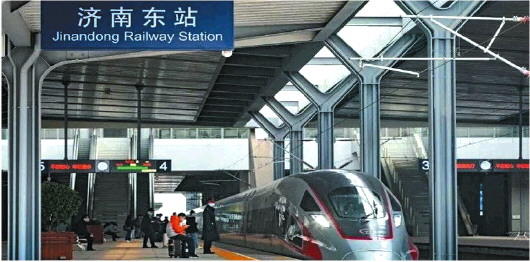
Core Viewpoint - The approval of the "Jinan Urban Agglomeration Land Space Planning (2025-2035)" marks a significant step in the coordinated development of Jinan and Qingdao urban agglomerations, positioning them as key economic growth engines in northern China [3][4]. Group 1: Planning and Development - The approved planning document provides a legal basis for the spatial development of the Jinan urban agglomeration over the next decade, emphasizing a clear and directive approach [3]. - The planning outlines a spatial structure of "one core, two axes, one screen, one belt, and multiple plates," focusing on enhancing Jinan's core city functions and establishing ecological safety measures [3][4]. Group 2: Collaborative Initiatives - The collaboration between Jinan and Qingdao urban agglomerations has been prioritized as a key reform initiative, with significant meetings held to promote joint development [4]. - The physical distance between the two cities has been reduced through improved transportation, such as the Jinan-Qingdao high-speed rail operating 79 pairs of trains daily, with an average interval of 15 minutes [5]. Group 3: Economic Integration - The integration of industries and mechanisms has progressed, with initiatives like the Jinan-Qingdao Artificial Intelligence Innovation Application Pilot Zone serving as a model for collaboration [5]. - Institutional advancements include cross-city business registration and talent recognition agreements, enhancing operational efficiency between the two urban areas [5]. Group 4: Strategic Challenges and Opportunities - Despite positive developments, challenges remain, such as the economic concentration where Jinan and Qingdao's combined GDP accounts for only 30.7% of Shandong's total, indicating a need for enhanced core city capabilities [7]. - The complementary strengths of Jinan in information technology and Qingdao in advanced manufacturing present opportunities for synergistic growth, potentially leading to a more integrated economic system [8].
广东松发陶瓷股份有限公司2026年度向特定对象发行股票预案
Shang Hai Zheng Quan Bao· 2026-01-14 18:03
Core Viewpoint - The company plans to issue shares to specific investors to raise funds for enhancing its shipbuilding capabilities and aligning with national strategies for maritime development and high-quality manufacturing [10][11][12]. Group 1: Issuance Overview - The company intends to issue shares to no more than 35 specific investors, including various financial institutions and qualified investors [3][16]. - The total amount to be raised is capped at 700 million yuan, with the net proceeds allocated to specific projects after deducting issuance costs [5][22]. - The issuance will not alter the company's control or affect its compliance with listing requirements [6][27]. Group 2: Industry Context - The shipbuilding industry is experiencing a long-term upward trend, with significant demand for new vessels driven by global trade and environmental regulations [13][41]. - The global shipbuilding market is projected to see a compound annual growth rate of 6.47% from 2023 to 2030, indicating robust growth potential [32][41]. - The company is positioned to capitalize on this demand, with a strong order backlog and recognition from international clients [43][44]. Group 3: Strategic Objectives - The funds raised will be used to enhance the company's production capacity, ensuring timely delivery of orders and optimizing financial structure [15][31]. - The company aims to improve its manufacturing capabilities by investing in high-end, digital, and green shipbuilding technologies [11][35]. - The strategic focus aligns with national policies promoting the development of a strong maritime economy and advanced manufacturing [10][12][40]. Group 4: Project Details - Key projects funded by the issuance include the development of a green and intelligent shipbuilding facility, which will enhance production efficiency and delivery capabilities [31][36]. - The company plans to upgrade its infrastructure to support the construction of larger vessels, addressing the growing demand for high-capacity ships [39][44]. - The investment will also focus on digital transformation initiatives to create a smart shipbuilding base, improving overall operational efficiency [35][36].

播下海洋科学的种子
Zhong Guo Zi Ran Zi Yuan Bao· 2026-01-12 07:40
Core Viewpoint - The East China Sea Bureau emphasizes the importance of popular science work as a bridge connecting technology and the public, aiming to enhance national scientific literacy and support innovation development [1][3]. Group 1: Strategic Framework - The East China Sea Bureau integrates popular science work into the strategic framework of building a marine power and ecological civilization, establishing four main goals: enhancing public marine awareness, disseminating marine science knowledge, promoting marine ecological culture, and cultivating future talents for marine industries [3]. - A closed-loop work structure is formed with clear responsibilities and task divisions among various units, ensuring efficient collaboration and coordination [3]. Group 2: Content Development - The East China Sea Bureau has produced high-quality popular science books, including "Finding CO2's Marine Paradise," which engages children with interactive elements to explain blue carbon ecosystems [7]. - Various marine biology atlases have been created, showcasing local marine resources and receiving national recognition for their quality [7]. Group 3: Multimedia and Online Outreach - The Bureau has developed a series of engaging popular science videos that cover topics such as tsunami warnings and marine ecological protection, enhancing public understanding of marine knowledge [8]. - Online platforms are utilized to expand the reach of popular science education, with initiatives like the "Marine Science Cloud Classroom" attracting significant online audiences [12]. Group 4: Community Engagement - The East China Sea Bureau conducts diverse outreach activities in schools, communities, and rural areas, promoting marine knowledge and disaster prevention [10]. - Brand activities, such as the "Sow a Seed of the Ocean" program, have successfully engaged thousands of students, reinforcing marine education [11]. Group 5: International Collaboration - The Bureau actively engages in international science communication, showcasing China's marine science achievements and fostering cultural exchange [14]. - Since 2016, over 200 thematic popular science activities have been conducted, reaching more than 50,000 participants, with a significant focus on youth engagement [14]. Group 6: Future Directions - The East China Sea Bureau aims to deepen its popular science strategy, enrich content offerings, and innovate dissemination methods to further enhance public scientific literacy and contribute to ecological civilization [15].
爱在深蓝|科普志愿行动 播种深蓝梦想
Xin Lang Cai Jing· 2026-01-06 21:34
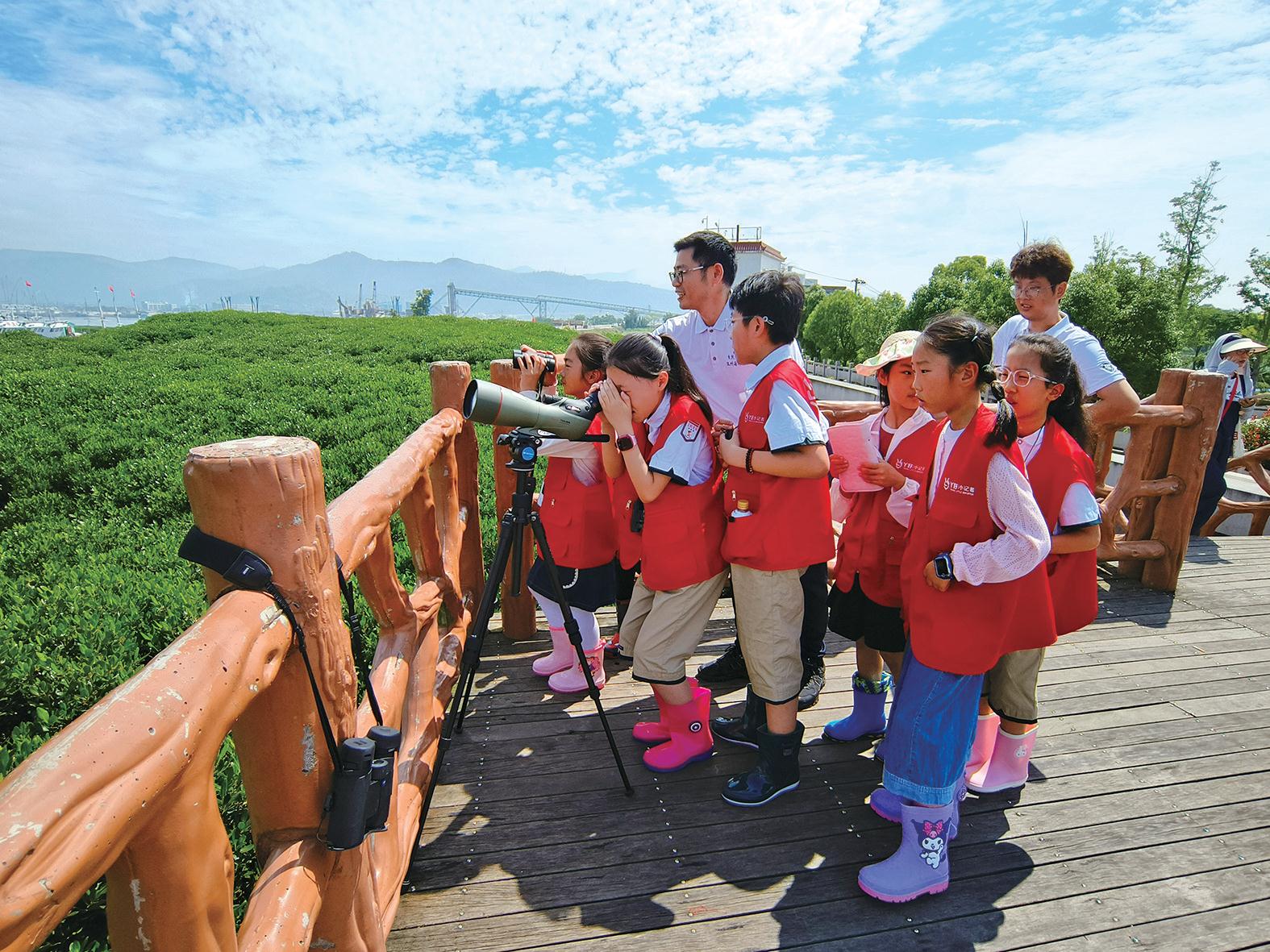
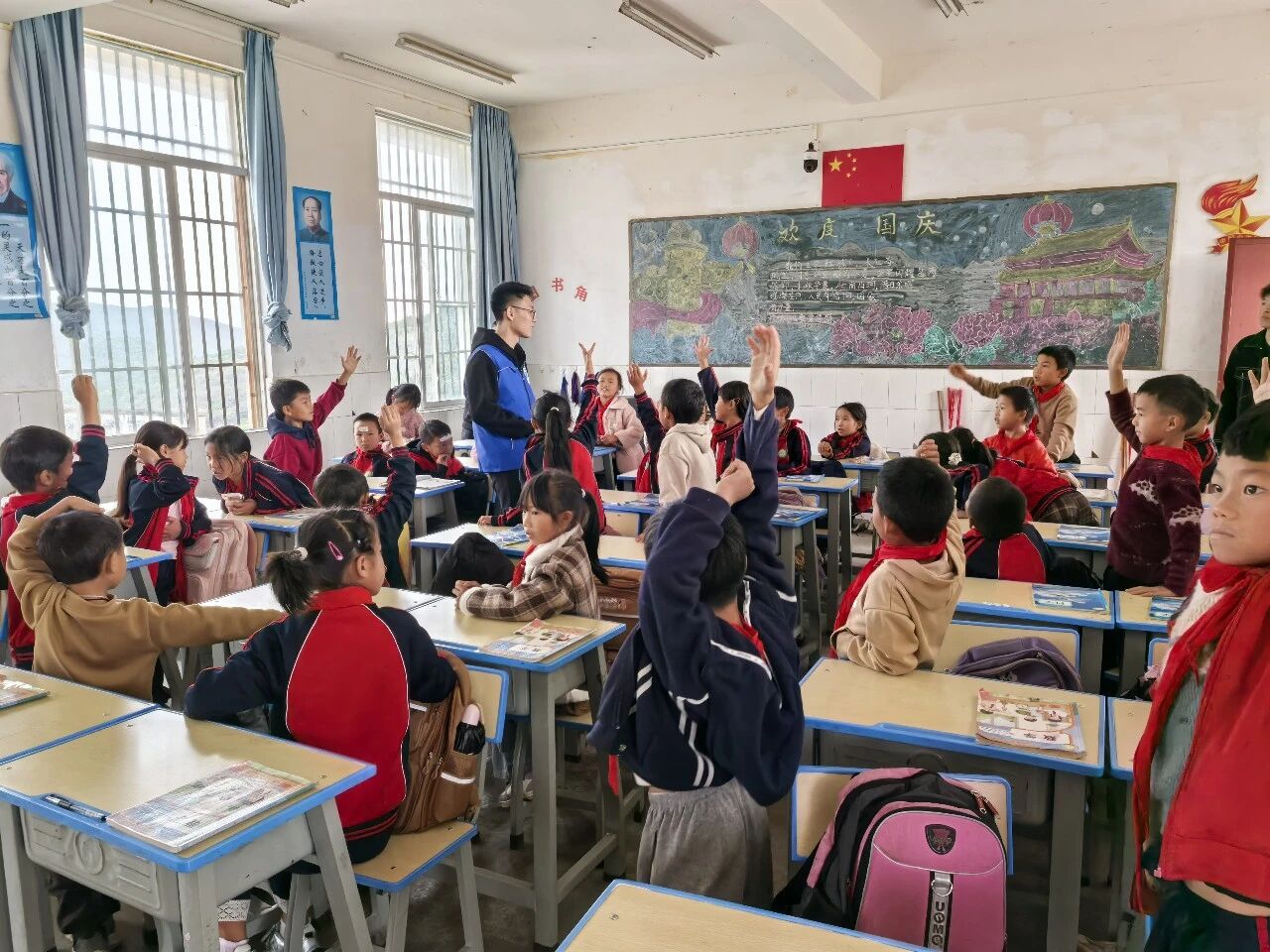
Core Viewpoint - The China Shipbuilding Group is actively promoting the "Love in Deep Blue" volunteer service project, aiming to inspire youth interest in maritime and shipbuilding technology through various educational initiatives and community outreach activities [1][9]. Group 1: Volunteer Activities - The Shanghai Shipbuilding Institute's volunteer team has served over 1,180 people in 2025, utilizing a dual approach of inviting students to their facilities and conducting outreach in local communities [3]. - In Wuhan, the Wuchang Shipbuilding Committee delivered lectures on "New Energy and New Energy Ship Development" to high school students, enhancing their understanding of modern maritime technology [5]. - The China Shipbuilding Comprehensive Institute organized immersive ship science experiences for students from poverty-stricken areas in Yunnan, combining lectures and hands-on activities [5]. Group 2: Rural Outreach - The Chongqing Shizhu "School Uniform + Science Popularization" program has evolved to provide targeted support, integrating educational content about aircraft carriers and ship principles into rural classrooms [5]. - In Yunnan, the Guangzhou Shipbuilding International volunteer team engaged with local schools, broadening students' horizons through interactive lessons on various ship types [7]. - The volunteer teams from multiple institutes conducted 38 science courses benefiting over 1,600 students in Yunnan, combining material donations with educational activities [7]. Group 3: Innovative Educational Formats - The 711 Institute collaborated with high schools to create thematic research activities, allowing students to experience ship power technology innovations firsthand [7]. - The 725 Institute hosted a maritime knowledge competition in Luoyang to stimulate children's interest in shipbuilding achievements [7]. - The 602 Institute partnered with China Shipbuilding Finance to deliver engaging science lectures and hands-on activities to over 280 students in Beijing [7]. Group 4: Impact on Youth - These initiatives not only disseminate knowledge about shipbuilding and marine science but also instill a sense of responsibility towards the ocean among youth, contributing to the vision of a maritime power [9].
在海底装上“千里眼”“顺风耳”
Ke Ji Ri Bao· 2026-01-06 00:59
Core Viewpoint - The establishment of the Jiangsu Undersea Communication and Sensing Key Laboratory aims to develop an undersea information highway and explore intelligent observation networks, addressing the growing demand for data transmission and ocean monitoring [1][2]. Group 1: Undersea Communication Development - Global data traffic is increasing exponentially, with over 95% of data transmitted via undersea cables, leading to a capacity crisis in marine communication [2]. - The laboratory is advancing the development of Space Division Multiplexing (SDM) technology, which enhances data transmission capacity by creating multiple channels within a single fiber [2]. - The laboratory's goal is to increase transmission rates by 1 to 4 times and system capacity by 2 to 10 times through technological innovations [3]. Group 2: Intelligent Observation Network - The laboratory aims to create a comprehensive sensing system for both shallow and deep seas, enhancing marine exploration and monitoring capabilities [4]. - The undersea sensing technology integrates communication cables with sensors, allowing for real-time monitoring of ocean conditions [5]. - The laboratory plans to develop a collaborative observation system that provides critical data for climate change monitoring and disaster early warning [5][6]. Group 3: Data Processing and Analysis - The undersea sensing system generates vast amounts of data, comparable to the information in a medium-sized library, which requires effective processing to be useful [6]. - The laboratory employs edge computing to enhance data quality through cleaning, formatting, and preliminary analysis, improving efficiency by 40% [6]. - Advanced algorithms developed by China Ocean University support the rapid processing of marine data, facilitating timely decision-making for environmental monitoring and resource management [6]. Group 4: Future Goals and Innovation - The laboratory aims to build a leading academic platform in deep-sea technology and intelligent equipment innovation, focusing on integrating technological and industrial advancements [7]. - Over the next three years, the laboratory plans to establish high-level talent teams and achieve breakthroughs in key technologies, contributing to China's competitiveness in marine communication and sensing [7].