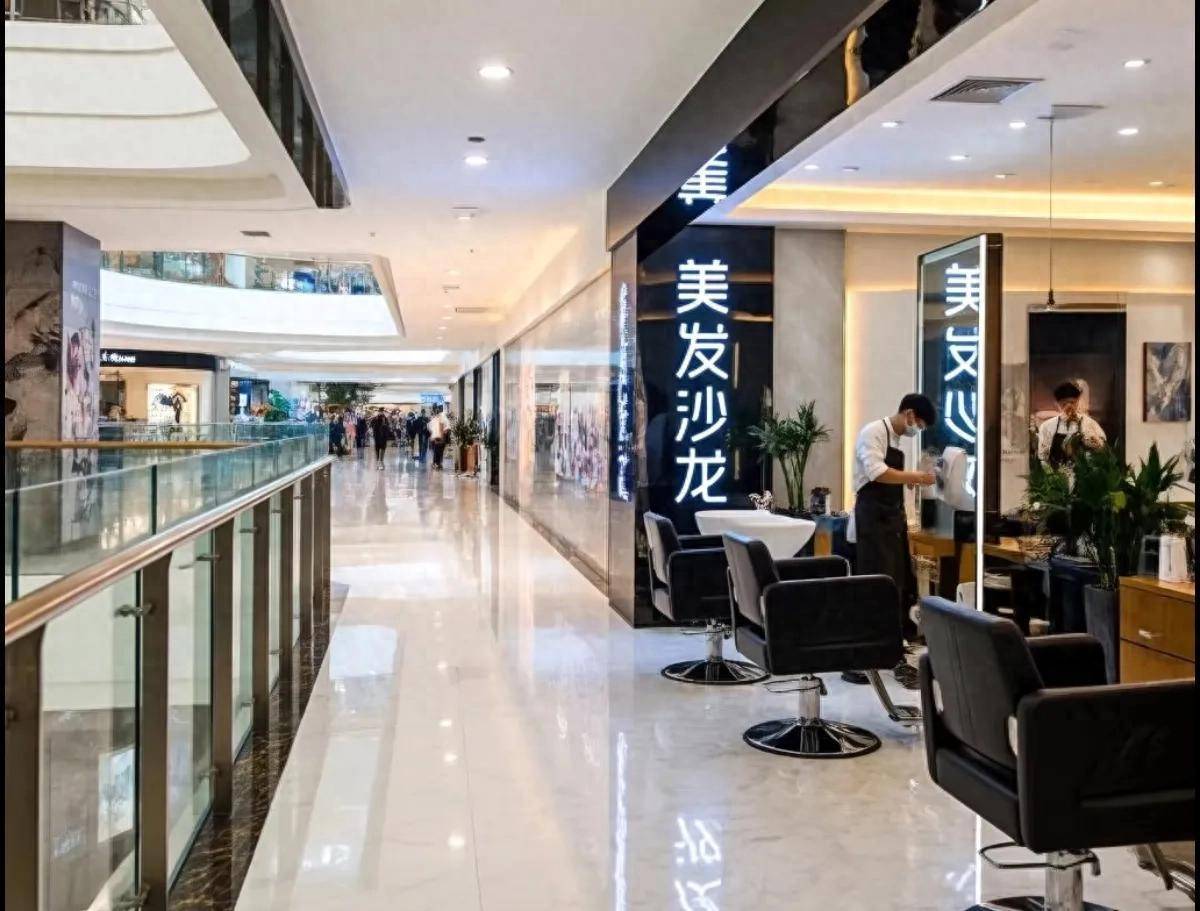
理发业

Search documents
躲过电商冲击的理发店,却仍面临关门困境
Sou Hu Cai Jing· 2026-01-12 06:14
Core Insights - The hairdressing industry is facing significant challenges due to rising operational costs and changing consumer behavior, leading to a wave of closures and business turnover [3][9] - The traditional model of hair salons, which relies on customer experience and upselling, is being disrupted by low-cost, no-frills haircut services that prioritize efficiency and affordability [5][9] Industry Challenges - Rising costs in rent and labor have significantly increased operational expenses for hair salons, with rents escalating from around 3,000 to nearly 20,000 per month [3] - The economic uncertainty has led consumers to cut back on non-essential spending, affecting the frequency and willingness to pay for hair services [3][9] Consumer Behavior - Consumers are increasingly prioritizing cost over experience, with many opting for cheaper alternatives or delaying hair services [3][5] - The shift in consumer mindset has transformed haircuts from a regular expense to a discretionary one, leading to a search for value [3][5] Market Dynamics - The emergence of "ten yuan quick cuts" reflects a growing demand for affordable and efficient services, targeting price-sensitive customers [5] - Traditional salons are struggling to compete as they often rely on upselling and customer experience, which are less appealing in a cost-conscious market [5][9] Workforce Issues - The hairdressing industry suffers from low barriers to entry, resulting in a saturated market with many practitioners lacking advanced skills or training [7] - The prevalence of low-quality services and poor training has led to a decline in customer trust and satisfaction [7] Financial Practices - Prepaid membership cards, initially a strategy to secure customer loyalty, have become problematic, with instances of misuse leading to financial losses and reputational damage [7] - The industry's credibility has been undermined by cases of businesses closing shortly after selling memberships, leaving customers without services [7] Future Outlook - The future of the hairdressing industry may favor two types of businesses: those that excel in cost efficiency and those that offer high-quality, distinctive services [9] - The market is expected to continue to evolve, with a focus on genuine value and customer satisfaction becoming increasingly important [9]

用手艺干好“头等大事”
Xin Lang Cai Jing· 2026-01-07 06:53
Core Viewpoint - The article highlights the journey of Anna, a Scottish expatriate who established a men's barbershop in Shanghai, capturing the essence of entrepreneurship in a foreign land and the evolving barbershop culture in the city [2][3]. Company Overview - Anna opened her first barbershop, Doc Guthrie's Barbershop, in 2015 on Kangding Road, becoming one of the first foreign-operated men's barbershops in Shanghai [3]. - The barbershop quickly gained popularity among both foreign and local men due to its understanding of customer needs and the unique service it provided [3]. - After relocating to Julu Road, the new location attracted more foot traffic and a vibrant community atmosphere, enhancing the business's visibility [3]. Industry Insights - The barbershop culture in Shanghai has seen significant growth over the past decade, with various themes and styles emerging, leading to increased competition [4]. - Despite the competitive landscape, Anna's barbershop maintains a distinct identity, focusing on genuine customer interactions rather than elaborate marketing strategies [4]. - The recent trend of hairstyles, such as the "wolf tail," reflects a blend of nostalgia and modernity, showcasing the evolving preferences of male customers [5]. Cultural Significance - The barbershop serves as a bridge for cultural exchange, allowing expatriates and locals to connect through shared experiences and services [5]. - Anna's personal story and the inspiration behind the barbershop's name reflect a deep connection to family heritage and the aspirations of immigrants in Shanghai [4].

没有电商冲击,理发店却把自己玩垮了,网友:路边15元的挺好!
Sou Hu Cai Jing· 2025-07-02 05:17
Core Viewpoint - The decline of mid-to-high-end barbershops is attributed to their inability to compete with low-cost quick haircut shops, despite the hairdressing industry being a necessity for a population of 1.4 billion people [1][3]. Group 1: Reasons for Decline - High pricing at mid-to-high-end barbershops is a significant factor, with services costing between 128 to 888 yuan, making consumers prefer the 15 yuan quick haircut option [5][9]. - Many mid-to-high-end barbershops employ ambiguous pricing strategies, leading to consumer dissatisfaction when additional charges are revealed after services [7][9]. - The practice of requiring customers to purchase recharge cards has led to negative consumer experiences, with reports of businesses closing and leaving customers with unusable funds [9][12]. Group 2: Consumer Sentiment - Consumers express frustration over being pressured to purchase recharge cards, which has resulted in a growing aversion to such practices [9][14]. - The perception of being misled by barbershops that change names while retaining the same staff has contributed to a lack of trust in the industry [12][14]. - The focus on upselling and poor service quality has led to a decline in customer loyalty, as many barbershops have strayed from their primary goal of providing quality haircuts [14]. Group 3: Recommendations for Consumers - Consumers are advised to avoid purchasing recharge cards and opt for single-service payments to mitigate the risk of losing funds if a barbershop closes [14]. - Choosing quick haircut shops is recommended due to their transparent pricing and efficiency, which contrasts with the practices of many mid-to-high-end establishments [14].