
生态环境管理

Search documents
成都这一试点获评四川改革2025年度典型案例
Xin Lang Cai Jing· 2026-02-13 19:33
Group 1 - The Sichuan Tianfu New Area's pilot project for comprehensive ecological environment management has been recognized as a typical case for the 2025 reform in Sichuan [1] - The pilot project utilizes overall environmental assessments for the Fengqi Base, focusing on three main industries: low-altitude economy, smart terminals, and satellite internet, allowing projects that meet the criteria to enter directly [1][2] - The initiative includes a "two certificates combined" approach to enhance approval efficiency and reduce costs for enterprises [1] Group 2 - The Tianfu New Area's emerging industrial park supports project exemption from individual environmental assessments through optimized planning [2] - The pilot project also includes a full exemption for specific categories such as gas stations, auto repair shops, and biological laboratories in schools [2] - The reform addresses the challenge of multiple approvals for environmental assessments and discharge permits by integrating the approval processes into a single submission [2]
【“八五”普法集锦】市生态环境局:深化普法宣传 推动绿色发展
Xin Lang Cai Jing· 2026-02-10 13:53
Group 1 - The core viewpoint of the article highlights the significant achievements of the Jinan Ecological Environment Bureau in promoting legal education and environmental protection since the implementation of the "85" legal education plan [1] Group 2 - The bureau has enforced the responsibility of legal education by integrating it into the entire law enforcement process, organizing over 80 court hearings and 40 internal training sessions, and training more than 5,000 personnel [1] - A mechanism for legal assistance training for small and medium-sized enterprises has been established, providing guidance to over 3,000 companies through various initiatives such as "Environmental Legal Service Day" and "Roundtable Discussions" [3] - The bureau has conducted over 1,300 environmental law violation cases and implemented a lenient regulatory approach, resulting in the handling of over 700 cases with penalties reduced or waived, amounting to a total of 70 million yuan in fines [5]

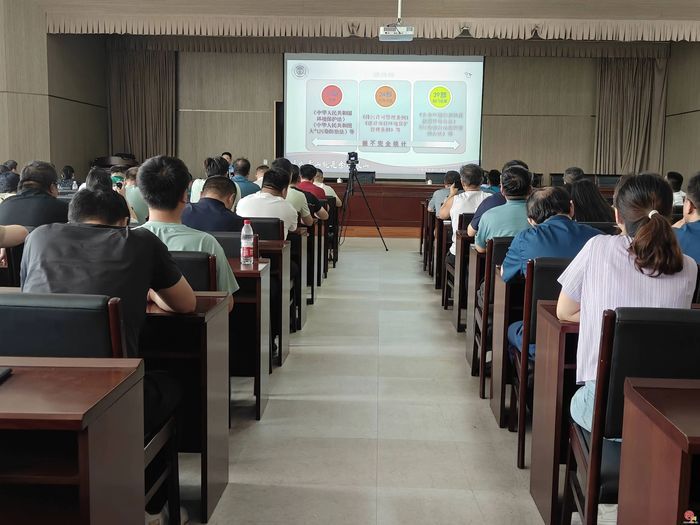
践行舆情应对“七早”工作法,稳步推进网上问题线下解决
Zhong Guo Huan Jing Bao· 2026-01-20 05:43
Core Viewpoint - The Yunnan Provincial Department of Ecology and Environment has established a comprehensive mechanism for monitoring and responding to online public opinion related to ecological issues, effectively managing potential crises and enhancing environmental protection efforts [1][3]. Group 1: Monitoring and Analysis - The department employs a combination of human and machine monitoring for public opinion, ensuring continuous surveillance and timely reporting of significant issues [1]. - Initial assessments of public opinion are conducted by monitoring staff, with further analysis by relevant personnel to determine the need for escalated responses [1][2]. - A total of 52 special reports on public opinion were prepared in 2025, highlighting the proactive approach to monitoring [1]. Group 2: Response and Action - Following media attention on ecological issues, the department quickly informed local authorities, leading to immediate actions to control tourism and protect wildlife in sensitive areas [2]. - The department emphasizes timely responses through local media and government platforms, ensuring transparency and accountability in addressing public concerns [2][3]. - A systematic approach is taken to evaluate the effectiveness of responses, with lessons learned incorporated into future monitoring and risk assessments [3]. Group 3: Continuous Improvement - The department conducts thorough evaluations of public opinion management, identifying weaknesses and integrating them into monitoring keyword lists for future reference [3]. - For serious violations, cases are referred to the enforcement bureau for legal investigation, ensuring accountability and adherence to regulations [3]. - The implementation of the "Seven Early" work method has significantly improved the department's ability to monitor and respond to public opinion, maintaining stability in ecological issues [3].
中国工程院院士王金南:如何理解以制度协同改革引领排污许可优化?
Xin Lang Cai Jing· 2026-01-19 01:26
Core Viewpoint - The article emphasizes the importance of reforming the three core systems of ecological environment zoning control, environmental impact assessment (EIA), and pollutant discharge permits to enhance ecological governance modernization and support high-quality development [1][13]. Summary by Sections System Positioning - Ecological environment zoning control provides the "bottom line" and "framework" for various development activities, serving as a foundational system for ecological management and ensuring the construction of a beautiful China [2][14]. - EIA acts as the main system for source prevention, controlling environmental access for planning and projects, and requires reform to reduce burdens on grassroots while maintaining strict access controls [2][14]. - Pollutant discharge permits are the core system for regulating fixed pollution sources, connecting source control with end-of-pipe governance, and enabling precise lifecycle management of pollution sources [2][14]. System Interconnection - The three systems are interconnected, forming a logical loop of "spatial control—access control—emission regulation," with each system aiming to improve environmental quality through precise management [3][15]. - Zoning control focuses on spatial dimensions, EIA on decision-making dimensions, and pollutant discharge permits on emission dimensions, each addressing different aspects of environmental management [3][15]. Implementation Sequence - Zoning control is foundational and precedes other management, EIA occurs during planning and project decision-making, and pollutant discharge permits are implemented during the operational phase of projects [4][16]. Reform Significance - Reforming ecological environment zoning control is crucial for enhancing the synergy among the three systems, improving their scientific and operational effectiveness, and providing a basis for optimizing EIA and pollutant discharge permit systems [5][17]. Key Reform Directions for Pollutant Discharge Permits - The vision for pollutant discharge permits is to establish a comprehensive, scientifically sound, and efficient "one-permit" regulatory system for fixed pollution sources, transitioning from broad to precise control [8][20]. - Key reform tasks include comprehensive coverage of all pollutants, effective interlinking with zoning control and EIA, full lifecycle management, promoting quality standards, and clarifying corporate responsibilities [8][20]. Implementation Pathways - Establish a permit emission volume determination system based on environmental quality goals, enhancing precision and adaptability to local conditions [21]. - Promote interlinked management across environmental systems, ensuring cohesive regulatory frameworks and processes [21]. - Advance "one-permit" management to integrate pollution and carbon emissions control, utilizing a unified information management platform for comprehensive reporting and management [10][22].
去年广州空气优良天数比例达93.4% 连续三年超九成
Xin Lang Cai Jing· 2026-01-07 00:39
Core Viewpoint - Guangzhou is projected to achieve comprehensive air quality standards by 2025, with a good air quality day ratio of 93.4% and an average PM2.5 concentration of 21.5 micrograms per cubic meter, maintaining the best status among national central cities [1] Group 1 - The air quality during the National Games in Guangzhou was consistently good, with an average PM2.5 concentration of 18 micrograms per cubic meter, marking the first time in five years that it achieved a "single-digit" figure [1] - On the opening day of the event, the PM2.5 daily average concentration was recorded at 15 micrograms per cubic meter, with levels dropping to 8 micrograms per cubic meter during the opening ceremony [1] Group 2 - Guangzhou is focusing on PM2.5 control as a primary strategy, implementing a comprehensive action plan that includes 92 key tasks across nine areas to improve air quality [1] - The city has enacted strict regulations, including a full ban on black smoke vehicles, prohibition of high-emission machinery, and restrictions on National III diesel trucks [1] - The green travel ratio in the central urban area has reached 82%, successfully meeting the goals set for the 14th Five-Year Plan [1] Group 3 - The Guangzhou Ecological Environment Bureau has enforced the "100% compliance" requirement for construction sites, conducting over 39,000 inspections to control dust pollution [2] - Measures include enhanced road watering to mitigate dust and a quarterly update of pollution weather response plans, promoting regional cooperation in the Guangdong-Hong Kong-Macao Greater Bay Area for PM2.5 control [2]
长三角区域生态环境分区管控有何特点?如何借鉴?
Zhong Guo Huan Jing Bao· 2026-01-05 00:30
Core Viewpoint - The article discusses the advancements and challenges in ecological environment zoning and control in the Yangtze River Delta region, emphasizing the need for coordinated management and innovative practices to enhance ecological protection and sustainable development [1][4]. Achievements - The Yangtze River Delta region has established a collaborative platform for ecological and green development, creating an ecological environment access list and exploring unified ecological control systems for key cross-border water bodies [2]. - Shanghai has optimized environmental impact assessments for projects that meet ecological management requirements, promoting the orderly retreat of traditional industries and the concentration of high-end services [2]. - Jiangsu has significantly increased the number of control units per unit area, developing differentiated ecological environment access lists and embedding zoning control into the entire chain of project assessments and regulatory processes [2]. - Zhejiang has achieved full coverage of ecological environment zoning control plans at provincial, municipal, and county levels, incorporating new factors such as groundwater and carbon sink capacity into control objectives [3]. - Anhui has innovatively established a four-level control list system that reflects regional characteristics and requirements, enhancing the specificity and applicability of environmental management [3]. Existing Issues - There is a need to improve the diversified and refined management capabilities for ecological environment zoning control, as current assessments of new pollutants and biodiversity are insufficient [4]. - The lack of strong coordination policies for cross-border ecological environment zoning control has led to inconsistencies in management goals and ecological protection measures across different jurisdictions [5]. - The application scenarios and models for zoning control results are limited, with insufficient integration into other departmental planning and policies [6]. Recommendations - Strengthen overall coordination across various fields to achieve refined management, integrating new environmental factors into a comprehensive technical standard system for ecological environment zoning control [7]. - Enhance regional coordination to optimize development layouts, focusing on prominent ecological issues and developing integrated zoning control strategies [8]. - Innovate application scenarios by establishing cross-departmental coordination mechanisms and expanding the use of zoning control results in urban planning and industrial development [8].
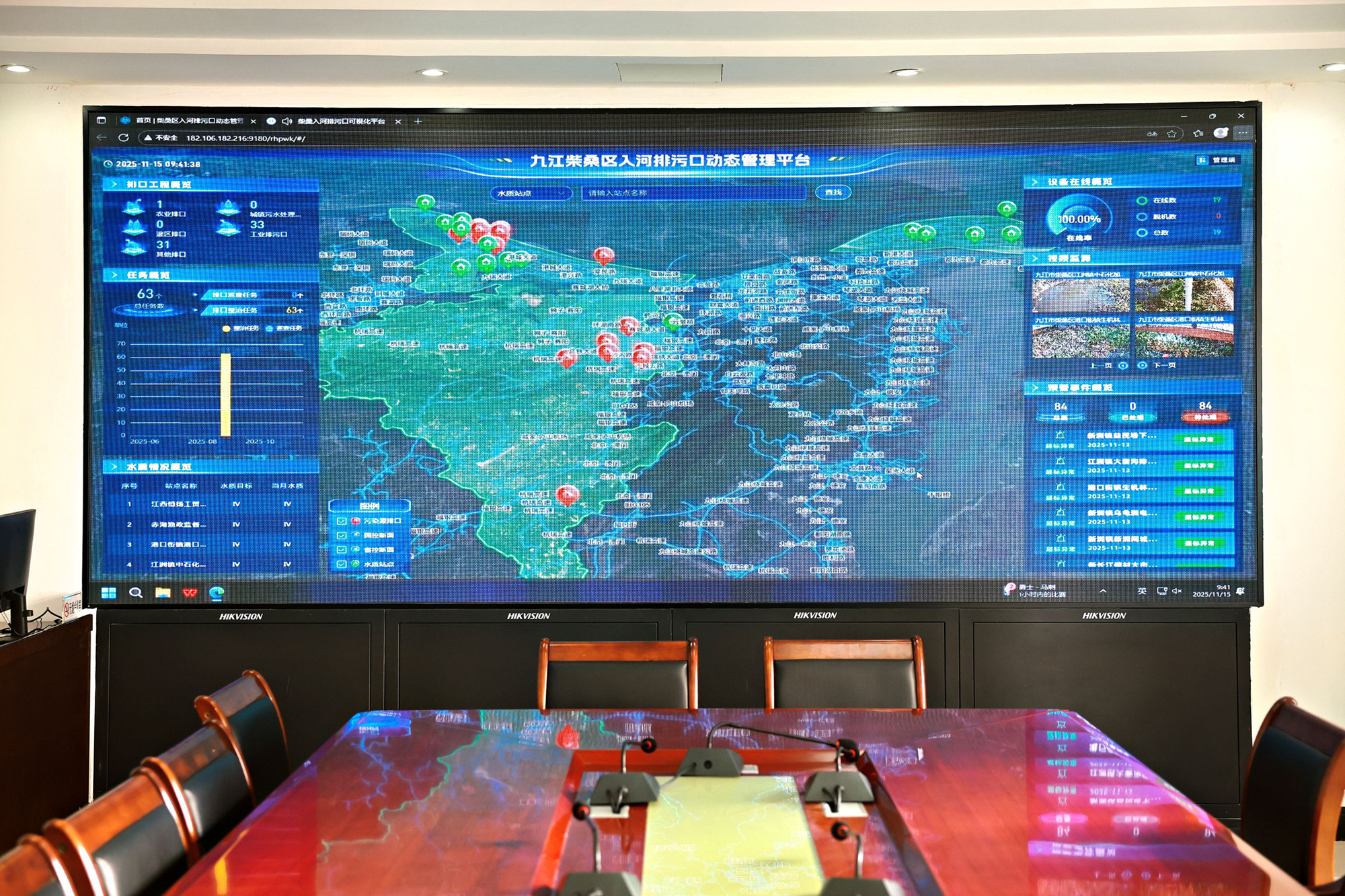
九江柴桑全生命周期管理入河排污口
Zhong Guo Huan Jing Bao· 2026-01-04 08:40
Core Viewpoint - The Jiangxi Province Jiujiang City Chaisang Ecological Environment Bureau is implementing a standardized construction project for river sewage outlets to enhance pollution control and improve water quality in the Yangtze River, marking a shift from "extensive management" to "precise governance" in regional water environment management [1] Project Content - The total investment for the standardized construction project is 15.4284 million yuan, focusing on two main areas: hardware construction and platform development [2][3] - Hardware construction includes the installation of automatic water quality monitoring devices, real-time flow monitoring devices, and environmental video monitoring systems at 18 sewage outlets, along with the establishment of 50 identification signs and 25 sampling platforms [2] Technical Features - Data collection is collaborative, ensuring traceability of monitoring results through the integration of water quality, flow, and video monitoring devices [4] - The monitoring dimensions are three-dimensional, focusing on core pollution concentration indicators, flow data, and real-time site conditions [4] - The dynamic management platform promotes a transition from manual to digital management, enabling real-time monitoring of water quality and remediation progress [4] Project Advantages - The selected 18 sewage outlets cover various types and are distributed across towns and river segments, achieving comprehensive coverage [5] - Real-time data collection enhances pollution risk management efficiency through intelligent early warning systems [6] - A multi-party governance model involving government oversight, professional operations, and public participation is established for effective collaboration [7] Engineering Innovation - The project enables multi-point and multi-frequency monitoring of sewage outlets, providing data support for maintaining stable water quality in the region [8] - The dynamic management platform enhances the precision of water environment management, facilitating a full lifecycle management approach from monitoring to remediation [8] Benefit Analysis - Ecological benefits include real-time data sharing that supports continuous improvement of the river basin's water environment [9] - Social benefits promote economic growth, social development, and environmental protection, fostering sustainable development [10] - Investment benefits include timely warnings for water quality anomalies, reducing economic losses from pollution incidents [11] - Management benefits enhance the regional water environment management capabilities and demonstrate the supervisory responsibilities of the Jiujiang City Chaisang Ecological Environment Bureau [11]
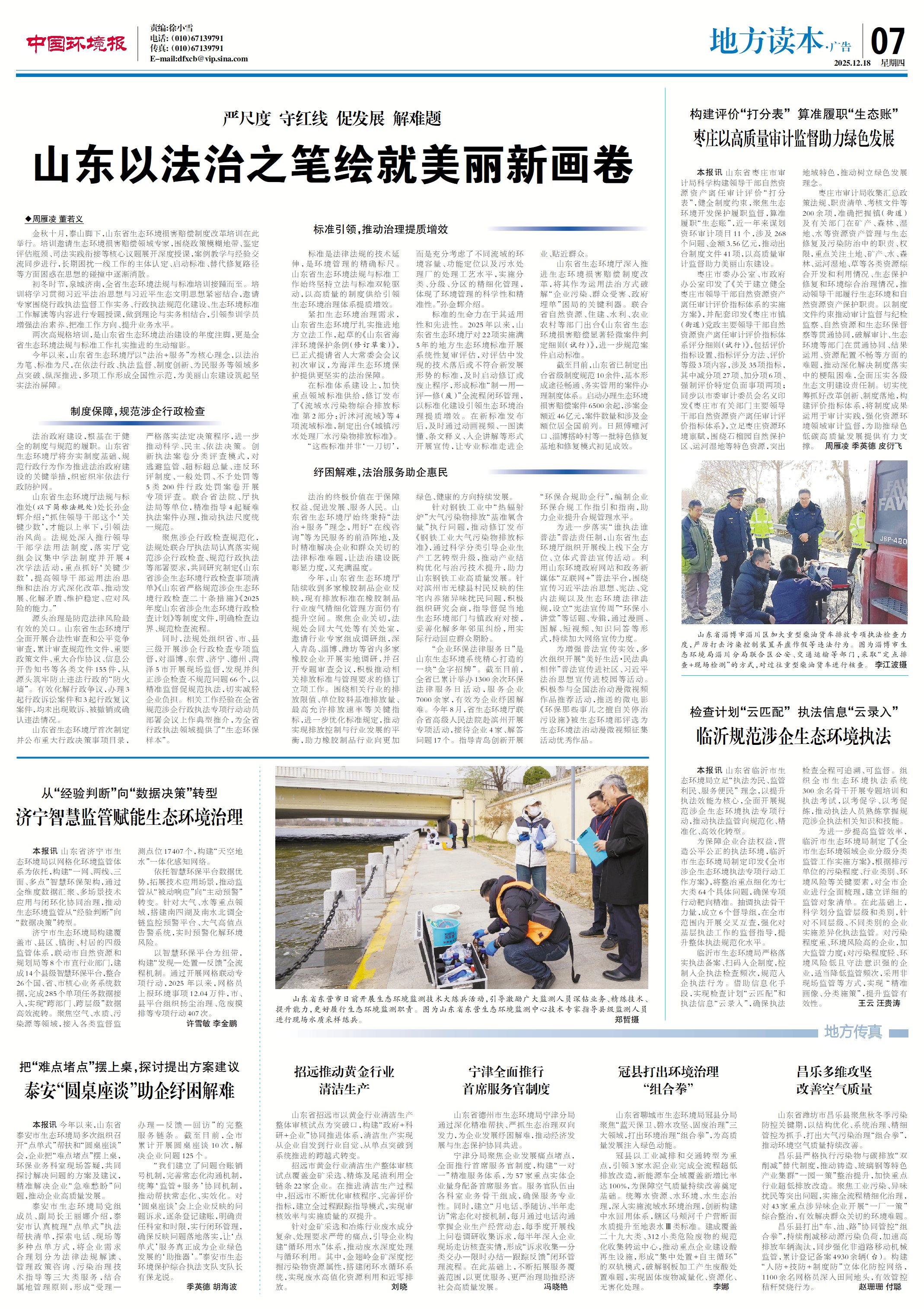
山东以法治之笔绘就美丽新画卷
Zhong Guo Huan Jing Bao· 2025-12-18 02:00
Core Viewpoint - Shandong Province is advancing its ecological environment legal system through training and reforms, focusing on enhancing legal awareness and practical skills among officials and stakeholders in the environmental sector [2][3][13]. Group 1: Training and Capacity Building - High-level training sessions have been conducted in Shandong to address ecological environment damage compensation, focusing on policy ambiguities and practical challenges [2][11]. - The training integrates Xi Jinping's legal and ecological civilization thoughts, aiming to improve legal literacy and practical skills among participants [11][13]. Group 2: Legal Framework and Administrative Norms - The Shandong Provincial Ecological Environment Department emphasizes the establishment of a robust legal framework and standardized administrative practices to enhance governance [3][14]. - A total of 155 documents have undergone legality and fair competition reviews to prevent illegal administrative actions [14][15]. Group 3: Regulatory Oversight and Compliance - The department has developed a checklist for ecological environment administrative inspections and established a 2025 inspection plan to standardize procedures [4][15]. - Special supervision has been conducted in five cities, identifying and correcting 66 non-compliance issues in administrative inspections [4][15]. Group 4: Standards Development and Implementation - Shandong is advancing its environmental standards, including the revision of key pollution discharge standards and the introduction of new regulations for wastewater treatment [5][16]. - The province is conducting systematic reviews of local environmental standards, ensuring they remain relevant and effective [17]. Group 5: Legal Services and Support for Enterprises - The "Law + Service" approach is being implemented to address legal concerns of enterprises, with over 7000 companies receiving assistance through various initiatives [18][19]. - Specific efforts are being made to revise emission standards in response to industry feedback, particularly in the rubber products sector [18][19]. Group 6: Public Awareness and Education - Shandong is actively promoting legal awareness through various outreach programs, including community and school initiatives to educate the public on environmental laws [20].
如何避免信息化平台重复建设?生态环境部门可这么做
Zhong Guo Huan Jing Bao· 2025-12-17 00:40
Core Viewpoint - The article highlights the challenges faced by enterprises in filling out multiple administrative check platforms, leading to inefficiencies and increased burdens on businesses. It discusses the need for reform in the information reporting system to streamline processes and reduce redundancy [1][2]. Group 1: Current Issues in Information Reporting - The local ecological environment department received feedback indicating that enterprises face a heavy burden from the requirement to fill out numerous information platforms, with 87 platforms identified across six key administrative lines [1] - Traditional paper-based reporting methods are inefficient, leading to issues such as data reliability, low efficiency, and poor information sharing [2] - Enterprises report significant pressure from having to fill out nearly 10 provincial and municipal platforms in December alone, highlighting the need for reform [2] Group 2: Reform Measures Implemented - In response to feedback, the local department initiated a review and optimization of the information platforms, resulting in the discontinuation of 8 platforms and the consolidation of 21 into 6, effectively addressing issues of redundancy and information entry [1] - Various regions are implementing reforms to reduce the burden of multiple submissions, such as Beijing's initiative to streamline data reporting, which has already reduced over 925 million entries from January to May [2] Group 3: Recommendations for Improvement - A multi-dimensional assessment of information platforms is recommended to identify underutilized or redundant systems, allowing for targeted upgrades or discontinuation [3] - Enhancing data sharing capabilities among different administrative platforms is crucial, with suggestions for a centralized service platform to eliminate duplicate data entry [4] - Providing comprehensive guidance and support for enterprises, especially smaller ones, is essential to ensure accurate and efficient reporting, including training and real-time assistance [5]
“打捆”审批环评 无事不扰企业
Liao Ning Ri Bao· 2025-12-16 00:59
Group 1 - The provincial ecological environment department has introduced measures to create a first-class business environment, including 20 specific initiatives aimed at regulating enforcement, improving approval efficiency, and strengthening grassroots supervision [1] - Enterprise inspections will be more standardized, with strict adherence to city-level ecological environment department approval, reduced inspection frequency, and enhanced use of online monitoring and video surveillance [1] - The approach to penalties will shift from punitive to supportive, with first-time minor violations potentially receiving no fines and guidance provided for compliance [1] Group 2 - Supervision and reporting channels will be more accessible, with publicized hotlines for reporting violations that harm the business environment, ensuring prompt handling of complaints [2] - In terms of approval processes, the ecological environment departments will reduce burdens on enterprises by exempting certain projects from submitting pollution source explanations and implementing immediate approval for specific technical renovation projects [3] - Accountability for damaging the business environment will be strengthened, with a "responsibility tracing" system to hold both frontline staff and higher-level officials accountable for their actions [3]
