疾病预防控制

Search documents
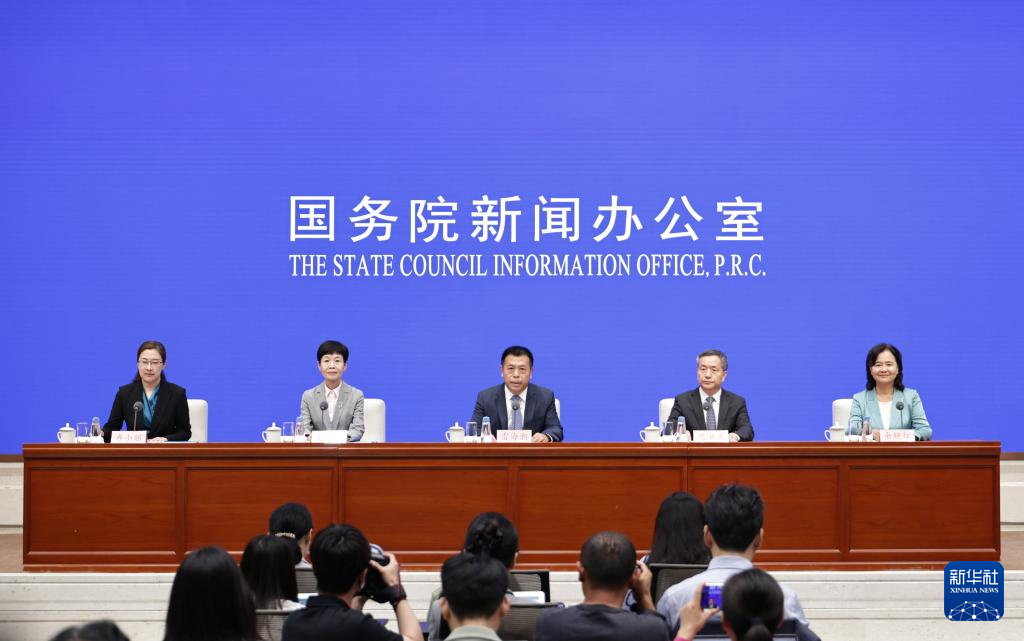
国家疾控局等多部门印发《疾病预防控制领域强基实施方案》
Yang Shi Wang· 2026-01-27 07:22
Core Viewpoint - The National Health Commission, in collaboration with various governmental bodies, has issued a "Strengthening the Foundation Implementation Plan" for disease prevention and control, aiming to establish a modernized disease control system by the end of 2027 [1][2]. Group 1: Overall Requirements - The plan emphasizes a health-first development strategy, focusing on grassroots initiatives and preventive measures to enhance the disease control system's quality and efficiency [3]. - By the end of 2027, the grassroots disease control network is expected to be fundamentally sound, with improved infrastructure and enhanced public health service capabilities [3]. Group 2: Main Tasks and Measures - Strengthening the grassroots disease control network involves enhancing the roles of municipal and county disease control centers, integrating management systems, and improving resource allocation [4]. - Promoting collaboration between medical and preventive health sectors is crucial, with a focus on training and resource sharing among healthcare professionals [5]. - Building a robust disease prevention workforce is essential, with specific personnel requirements for emergency response teams and epidemiological investigation teams [6]. - Upgrading facilities and equipment in disease control centers is necessary to ensure effective disease monitoring and response capabilities [7]. - Advancing digital health initiatives, including smart disease control systems and electronic vaccination records, is a priority for improving efficiency and data management [8]. - Enhancing the quality and effectiveness of public health services, including vaccination programs and disease monitoring, is vital for community health [9]. Group 3: Implementation and Support - Local authorities are urged to integrate disease control strengthening into broader health and rural revitalization strategies, ensuring comprehensive monitoring and evaluation of the plan's effectiveness [10].
《疾病预防控制领域强基实施方案》印发
Xin Hua She· 2026-01-27 07:09
Core Viewpoint - The implementation plan for strengthening the disease prevention and control (CDC) system aims to enhance grassroots CDC capabilities, improve public health services, and ensure public health safety by 2030 [4][5]. Group 1: Overall Requirements - The plan emphasizes a health-first development strategy, focusing on grassroots initiatives and preventive measures to enhance the CDC system's quality and efficiency [5]. - By the end of 2027, the grassroots CDC network is expected to be fundamentally sound, with improved infrastructure and enhanced public health service capabilities [5]. Group 2: Key Tasks and Measures - Strengthening the grassroots CDC network involves clarifying roles, enhancing collaboration between different levels of CDC institutions, and improving public health training [6][7]. - Promoting collaboration between medical and preventive services is essential, including training for healthcare workers and establishing a community-based CDC network [7]. - Building a robust disease prevention workforce is crucial, with specific personnel requirements for emergency response teams and epidemiological investigation teams at both city and county levels [8]. - Upgrading facilities and equipment in CDC centers is necessary to meet national standards and improve disease control capabilities [9]. - Enhancing digital health initiatives, including the deployment of intelligent monitoring systems and electronic vaccination records, is a priority [10]. Group 3: Improving Public Health Service Quality - Strengthening monitoring capabilities for infectious diseases and improving public health service delivery through community engagement and education is vital [11][12]. - The plan includes free HPV vaccinations for eligible girls and emphasizes the importance of chronic disease prevention and health education [12]. Group 4: Implementation and Support - Local departments are encouraged to integrate CDC strengthening into broader health initiatives and ensure effective monitoring and evaluation of progress [13].
以廉为基筑牢防线 锻造队伍以民为本
Xin Lang Cai Jing· 2026-01-21 22:38
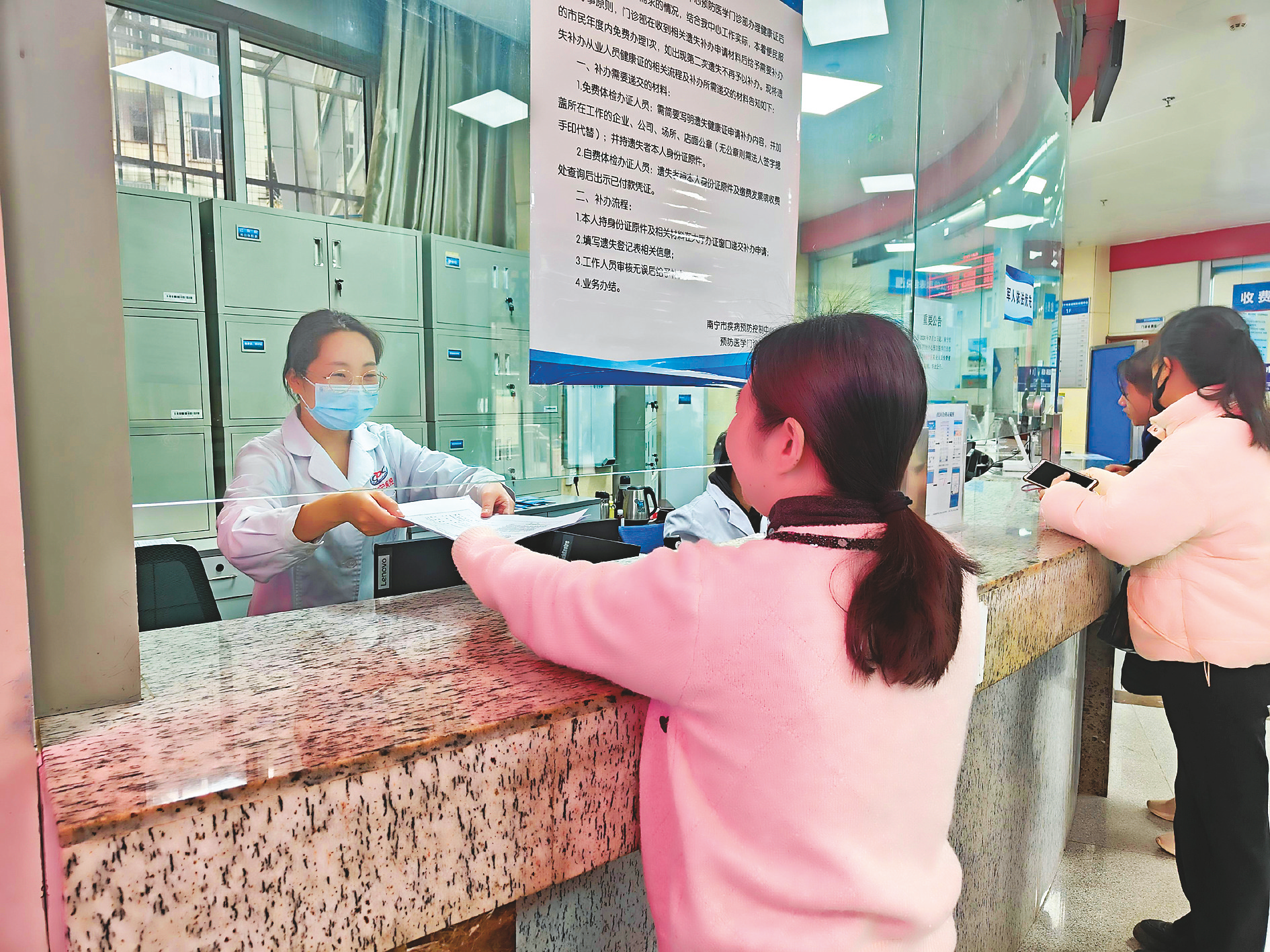
Core Viewpoint - The Nanning Center for Disease Control and Prevention (CDC) emphasizes the integration of integrity and public health service, enhancing community health and safety through transparent and efficient operations [4][9]. Group 1: Integrity Construction - The CDC prioritizes political construction to embed integrity awareness among staff, establishing a responsibility chain for integrity management [5]. - A comprehensive education system is in place to promote integrity, utilizing various learning methods to enhance political literacy among employees [6]. - The CDC conducts annual integrity risk assessments across key areas, ensuring that power operates transparently and is subject to strict oversight [7]. Group 2: Service Improvement - The CDC has upgraded its preventive medicine outpatient department, adding facilities and optimizing service processes to enhance public experience [9]. - It has implemented a transparent fee structure and streamlined health certificate processing, providing on-site and appointment-based services to over 7,000 individuals from 134 enterprises [9]. - The CDC actively engages in community health initiatives, including food safety testing and health education campaigns, reaching millions of residents [9]. Group 3: Technological Innovation - The CDC has established Guangxi's first smart vaccination clinic, improving vaccine management and service delivery through technology [10]. - It has trained healthcare professionals to provide personalized vaccination services and integrated health education into prenatal care [10]. - The CDC employs a "supervision and guidance" model in health enforcement, ensuring compliance while assisting organizations in rectifying issues [10].

市疾控开展麻精药品许可业务培训
Xin Lang Cai Jing· 2026-01-12 22:07
Core Viewpoint - The training organized by Kunming Disease Control Center aims to enhance the capabilities of window staff in handling the licensing of narcotic drugs and Class I psychotropic drugs, ensuring efficient and convenient processing of applications [1] Group 1: Training Objectives and Structure - The training focuses on improving the business capabilities of staff to ensure standardized and efficient processing of narcotic drug licenses [1] - A detailed introduction was provided regarding the background, policy basis, and process for handling narcotic drug licensing [1] - The training utilized a phased approach to ensure uninterrupted window services during the sessions [1] Group 2: Materials and Requirements - The training outlined the required materials for obtaining a new narcotic drug license, which includes a checklist of 9 items [1] - For the renewal of narcotic drug licenses, a checklist of 10 required materials was also presented, with clear guidelines on submission and review [1] Group 3: Support and Future Implications - The training is expected to lay a solid foundation for the smooth transition and standardized processing of narcotic drug licensing [1] - It also aims to enhance the quality of administrative licensing work within the health sector in Kunming [1]
国家疾控局发布8项疾病预防控制行业标准
Xin Lang Cai Jing· 2026-01-06 12:16
Core Viewpoint - The National Health Commission has announced the release of eight new disease prevention and control industry standards, including a technical specification for monitoring the novel coronavirus in wastewater, effective from June 1, 2026 [1][2]. Group 1: New Standards Overview - The following eight standards have been published: 1. WS/T 10042-2025: Technical specification for monitoring the novel coronavirus in wastewater 2. WS/T 10043-2025: Terminology for parasitic diseases (replacing WS/T 471-2015) 3. WS/T 10044-2025: Technical specification for monitoring common diseases and health influencing factors in students 4. WS/T 10045-2025: Data elements for monitoring infectious disease syndromes based on electronic medical records 5. WS/T 10046-2025: Guidelines for basic business indicators of infectious disease monitoring and early warning 6. WS/T 10047-2025: Basic data set for laboratory pathogen monitoring business collaboration 7. WS/T 10048-2025: Technical specifications for collaborative information interfaces in laboratory pathogen monitoring 8. WS/T 10049-2025: Standard terminology for injury prevention and control [1]. Group 2: Implementation Date - All eight standards will come into effect on June 1, 2026 [1].
探路公共卫生治理现代化的杭州实践
Hang Zhou Ri Bao· 2025-12-25 02:21
Group 1 - The core viewpoint of the article emphasizes the establishment of a modern public health governance system in Hangzhou, focusing on the integration of disease control and health supervision to enhance public health and safety [4][5][6] - The Hangzhou model for infectious disease prevention has transitioned from passive response to proactive defense, with effective emergency drills and a robust monitoring system in place [5][6][7] - Significant technological innovations have been implemented to ensure precise prevention and effective protection against infectious diseases, with successful practices being adopted nationwide [7][8] Group 2 - The public health initiative aims to enhance the well-being of citizens by shifting from merely treating diseases to managing overall health throughout the life cycle [8][9] - Free vaccination programs for influenza and HPV have been expanded, benefiting thousands and maintaining low infection rates among the elderly [9][10] - Over the past five years, key health metrics have improved, including a decrease in premature mortality rates from major chronic diseases, reflecting the effectiveness of public health measures [10] Group 3 - The regulatory approach has evolved from traditional face-to-face inspections to a smart, cloud-based warning system, significantly improving enforcement efficiency [11][12] - The implementation of an online monitoring system for medical practices has led to timely alerts for unregistered medical procedures, enhancing public safety [11][12] - The integration of artificial intelligence in public health governance has transformed the oversight of medical practices, making it more efficient and precise [12]

北京市朝阳区疾病预防控制中心(区卫生健康监督所)正式揭牌
Xin Jing Bao· 2025-11-18 03:28
Core Viewpoint - The establishment of the Chaoyang District Disease Prevention and Control Center marks a significant reform in the disease prevention and control system in Beijing's Chaoyang District, reflecting the implementation of directives from the central and municipal governments [1] Group 1 - The reorganization of the disease control agency is a crucial step in enhancing the public health framework in Chaoyang District [1] - The new center aims to contribute to the high-quality development of disease control efforts, emphasizing a commitment to public health and community service [1] - The initiative is positioned as a new chapter in the development of disease control in the district, with a focus on improving performance and achieving health goals [1]
沈阳疾控中心原副主任董桂华受贿获刑三年
Jing Ji Guan Cha Bao· 2025-10-04 03:08
Core Viewpoint - The former deputy director of Shenyang Center for Disease Control and Prevention, Dong Guihua, was sentenced to three years in prison for accepting bribes and violating regulations [1] Group 1: Violations and Consequences - Dong Guihua accepted invitations for banquets and travel arrangements that could influence the impartial execution of duties during an academic conference in Guangzhou from May 15 to 17, 2024, with expenses covered by enterprises [1] - In March 2025, Dong Guihua was expelled from the Party and removed from public office due to serious violations of discipline and law [1] - In August 2025, Dong Guihua was convicted of bribery and sentenced to three years in prison [1] Group 2: Professional Background - Dong Guihua had a long tenure in the medical system as a chief physician, primarily engaged in the prevention and control of infectious diseases and supervision management [1]
总投资1.6亿元!湖北省疾控中心采购6176台套仪器设备,改造1.8万平米实验室
仪器信息网· 2025-09-25 03:58
Core Viewpoint - The article discusses the approval of the feasibility study report for the construction project of the National Regional Public Health Center by the Hubei Provincial Development and Reform Commission, highlighting a total investment of 168.1 million yuan for the establishment of various specialized laboratories and facilities [3][4]. Investment Overview - The total estimated investment for the project is 168.1 million yuan, with construction costs amounting to 162.5 million yuan, which includes equipment procurement costs of 117.1 million yuan [3][7]. - The project will involve the renovation of laboratory space totaling 18,011 square meters and the procurement of 6,176 sets of laboratory equipment [3][5]. Project Components - The project aims to establish several key facilities, including: - National-level major epidemic confirmation laboratories - Food safety risk assessment and standard development laboratories - Biological safety and pathogen resource preservation platforms - National-level technical reserve centers for diseases that have been eliminated or are about to be eliminated (e.g., parasitic diseases) - Laboratories for the detection of toxic chemicals and precursors for explosives - Laboratories for radioactive contamination detection and hazard control - Health engineering protection laboratories - "Artificial Intelligence +" laboratories in the field of disease prevention and control [3][6]. Funding Sources - The funding for the project will be sourced from central investment and provincial financial resources [7].

高质量完成“十四五”规划|人均预期寿命79岁——“十四五”我国卫生健康工作交出亮眼答卷
Xin Hua She· 2025-09-12 00:47
Core Insights - The article highlights the achievements of China's health and wellness initiatives during the "14th Five-Year Plan" period, with a focus on improving healthcare access, quality, and public health systems, aiming for a per capita life expectancy of 79 years by 2024 [5][6][10]. Healthcare System Development - By the end of 2024, China aims to have 1.09 million healthcare institutions and 15.78 million healthcare personnel, with a gradual reduction in healthcare resource disparities per thousand population [6][10]. - The proportion of medical services provided at the grassroots level is on the rise, indicating improved accessibility [6]. Medical Service Quality Improvement - The government has set a goal for major illnesses to be treated within provinces, general illnesses in cities and counties, and routine health issues at the grassroots level [10]. - As of now, 87% of secondary and higher public hospitals offer appointment services, and over 5,500 hospitals have established "one-stop" service centers [10]. - The number of internet hospitals has reached 3,756, with an expected 130 million consultations by 2024 [10]. Public Health and Disease Control - A modernized disease control system has been established, enhancing the monitoring and early warning capabilities for infectious diseases across 84,000 medical institutions [12]. - The emergency response capacity has improved, with 29 provinces having established biosafety level 3 laboratories and over 90% of city-level disease control centers capable of nucleic acid testing [12]. Focus on Vulnerable Populations - The government has implemented policies to support the health of the elderly and children, including the establishment of national centers for geriatric medicine and clinical research [14][16]. - By 2024, over 90% of secondary public hospitals will have "green channels" for elderly patients, providing approximately 140 million health management services annually for those aged 65 and above [16]. Child Health and Support Policies - The number of childcare positions is projected to reach 5.737 million by 2024, a 126% increase from the end of the "13th Five-Year Plan" [17]. - A subsidy system for childcare has been implemented, with over 24 million applications submitted, covering about 80% of the target population [17]. Traditional Chinese Medicine (TCM) Development - By 2024, the total number of TCM consultations is expected to increase by 60% compared to the end of the "13th Five-Year Plan" [18]. - The TCM service system has been enhanced, with 96% of county-level TCM institutions established and around 90% of secondary public hospitals offering TCM services [18].