eVTOL飞行器

Search documents
EHang(EH) - 2025 Q3 - Earnings Call Transcript
2025-11-26 14:00
Financial Data and Key Metrics Changes - Total revenues for Q3 2025 were RMB 92.5 million, showing year-over-year and sequential decreases primarily due to decreased sales volume of EH216 series products [29][30] - Gross profit was RMB 56.2 million, with a gross margin of 60.8%, slightly lower than 61.2% in Q3 2024 and 62.6% in Q2 2025 [30][31] - Adjusted net loss was RMB 20.3 million, compared to adjusted net income of RMB 15.7 million in Q2 2024 and RMB 9.4 million in Q2 2025 [31] Business Line Data and Key Metrics Changes - The company delivered 42 units in Q3, including 41 units of the EH216 series and the first VT35, with deliveries mainly in China [16][17] - The VT35 was launched in October, with a pre-sale price of CNY 6.5 million, and has already received purchase orders from customers in Hefei, Zhejiang, and Hainan [6][7] - The GD4.0 drone began mass production and commercial deployment, achieving significant performance milestones during events [10][28] Market Data and Key Metrics Changes - Deliveries in Q3 were primarily in China, totaling 39 units, with some sales agreements signed but payments delayed, affecting revenue recognition [17] - The company is expanding its international footprint, achieving notable progress in Asia, the Middle East, and Africa, including trial operations in Thailand and Qatar [11][12][24] Company Strategy and Development Direction - The company is focused on operations-driven sales, optimizing delivery pace, and supporting existing customers to establish sustainable commercial operations [4][5] - A strategic partnership with the Hefei government aims to establish a VT35 product hub, with comprehensive support totaling RMB 500 million [8] - The company is diversifying its product portfolio to include unmanned business applications, such as firefighting and logistics, to enhance revenue streams [26][42] Management's Comments on Operating Environment and Future Outlook - Management expressed confidence in achieving the full-year revenue guidance of approximately RMB 500 million, supported by steady delivery progress and a strong order backlog [32][33] - The supportive policy environment in China and ongoing regulatory improvements are expected to bolster the low-altitude economy and the company's growth prospects [12][14] - The company aims to leverage its product strength and operational expertise to advance commercial operations and expand its global footprint [15][29] Other Important Information - The company raised $10 million through its at-the-market offering program, which will be used for R&D, production expansion, and general corporate purposes [31] - A new board member, Ms. Hai Ying Li, was appointed to enhance the company's international perspective and strategic decision-making [16] Q&A Session Summary Question: Can management share more about the sandbox initiative and its timeline? - Management confirmed that the sandbox initiative in Thailand has been approved, aiming to officially commence eVTOL commercial operations in the next three months [34][36] Question: What progress is being made in expanding into unmanned product portfolios? - Management stated that both manned and unmanned businesses are critical components of the low-altitude economy, and expanding the product portfolio is essential for increasing revenue [40][42] Question: What is the plan for the VT35's airworthiness application and the gross profit margin outlook? - Management indicated that the VT35's type certificate application is progressing steadily, and they expect the gross profit margin to stabilize around 60% in the long term [44][47]

一家低空公司破产,100亿打水漂了
3 6 Ke· 2025-09-13 08:33
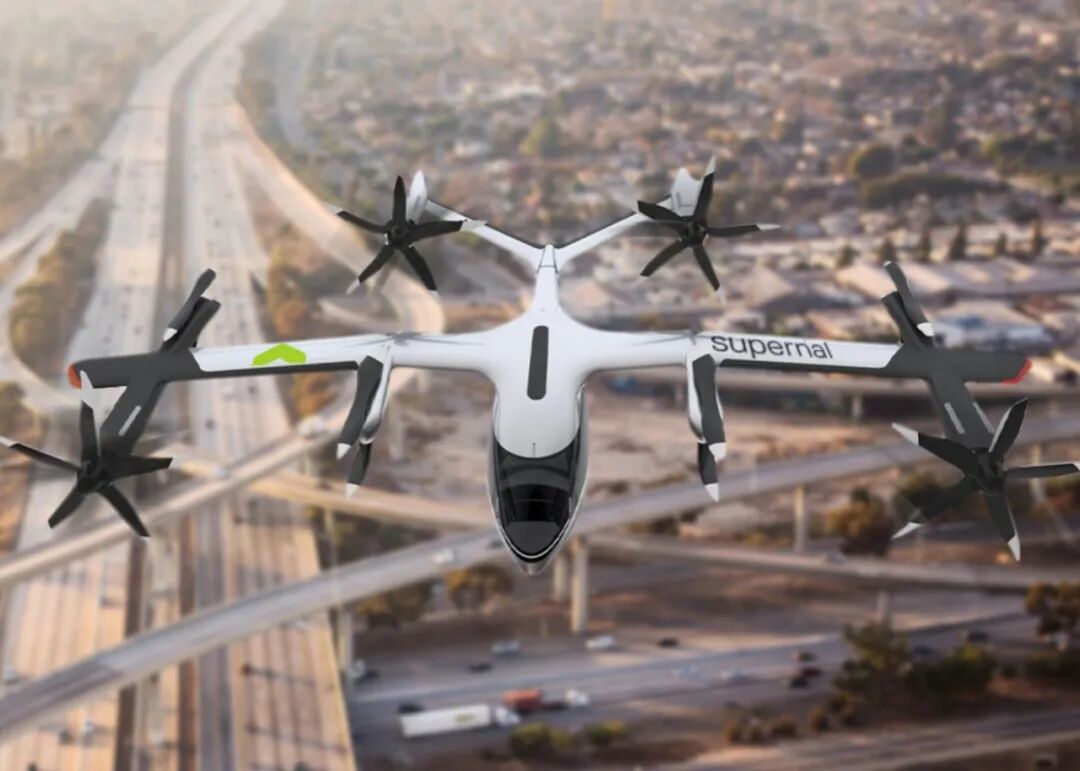
Group 1 - Supernal, a subsidiary of Hyundai Motor, has suspended its eVTOL project after significant investment, totaling over $1.4 billion (approximately 10 billion RMB) [1][8][12] - The company was founded with high expectations, including partnerships with Uber and ambitious plans for urban air mobility [5][8] - Despite initial success and a growing workforce, Supernal faced challenges, including management turnover and external industry pressures, leading to its current crisis [9][10][11] Group 2 - The eVTOL industry is experiencing a broader shakeout, with other companies like Lilium and Volocopter also facing bankruptcy due to similar challenges [11][12] - Investment in the eVTOL sector has cooled significantly, with only a few notable funding rounds in 2023, indicating a shift in investor sentiment [12][14] - The future of the eVTOL industry in China remains uncertain, with potential opportunities tempered by significant technological and regulatory hurdles [14][15]

烯牛数据:2024年中国创投市场数据报告
Sou Hu Cai Jing· 2025-05-22 02:04
Market Overview - The Chinese venture capital market in 2024 experienced a historical low, with a total of 10,701 disclosed financing events, a year-on-year decrease of 32%. The total financing amount reached 534.4 billion yuan, down 19%, marking the lowest figures in nearly a decade [1][21]. - The market exhibited two significant characteristics: a decline in the proportion of dollar financing, which accounted for only 15% of the total, while RMB financing became the mainstay, with an average financing amount rising to 16.8 million yuan [1][24]. Information Disclosure Trends - A notable 63.1% of financing events were not publicly reported, indicating that "underwater financing" has become mainstream. Sectors such as artificial intelligence and consumer goods had relatively higher public financing disclosure rates [2][30]. Industry and Sector Analysis - Advanced manufacturing led the financing landscape, accounting for 30% of total financing, followed by healthcare and artificial intelligence at 15% and 5%, respectively. Strategic emerging industries made up over 93% of the total, with high-end equipment manufacturing and new materials seeing a doubling in their share [3]. - Emerging sectors like embodied intelligence, eVTOL aircraft, and commercial space saw financing numbers grow by over 30% year-on-year, while traditional sectors like innovative pharmaceuticals and semiconductor equipment faced significant declines. Although the number of financing events in artificial intelligence decreased by 11%, the financing amount increased by 8%, with large model-related projects becoming focal points [3]. Financing Stages and Urban Dynamics - The focus of financing has shifted towards early-stage projects, with early-stage financing accounting for 38.99% of total financing. The number of first-round financing events dropped to 4,865, representing only 45.46% of the total, indicating increased difficulty for new enterprises to secure funding [4]. - Shanghai surpassed Beijing for the first time in financing volume, recording 1,024 events, with Beijing and Shenzhen following closely. The Yangtze River Delta cities dominated the top 15 venture capital cities, showcasing distinct regional characteristics [4][5][6]. Institutional Dynamics - The number of active investment institutions decreased by 31% year-on-year, with leading institutions reducing their investment frequency by 45%. However, government-guided funds performed well, with 90% of institutions that registered over 10 funds being state-owned [7]. - The proportion of venture capital funds rose to 45.35%, with the average single fundraising amount increasing from 389 million yuan to 559 million yuan. Large-scale funds (over 1 billion yuan) accounted for 76.6% of total fundraising [8][9]. Exit Market - The IPO market cooled down significantly, with the number of A-share IPOs dropping by 68% to only 100 companies listed. However, the support rate from VC/PE remained stable at 67%, with the Sci-Tech Innovation Board support rate reaching 98.51% [10]. - The M&A market showed signs of recovery, with a 40% year-on-year increase in M&A events, driven by policy support for resource optimization through mergers and acquisitions [10]. Future Outlook - Despite being in a downturn, the 2024 market shows resilience in advanced manufacturing, artificial intelligence, and low-altitude economy sectors. Structural opportunities led by state-owned and industrial capital are emerging, with a focus on cutting-edge sectors like embodied intelligence and AIGC applications, which may drive future market recovery [11].