《博德之门 3》

Search documents
AI 进了游戏公司,但还没开始改变游戏丨GDC 现场大讨论
晚点LatePost· 2026-03-29 14:25
Core Viewpoint - The gaming industry is facing significant challenges due to rising development costs, the impact of AI, and changing player preferences, leading to a potential crisis in traditional game production models [6][10][25]. Group 1: AI's Impact on the Gaming Industry - The introduction of generative AI in game development has sparked both excitement and anxiety among industry professionals, with many expressing concerns about its potential negative effects [5][25]. - A significant portion of game developers (52%) believe that generative AI is having a negative impact on the industry, a notable increase from previous years [25]. - AI is currently being utilized primarily for optimizing specific content production processes, rather than fundamentally changing the traditional game development workflow [11][12]. Group 2: Financial Challenges in Game Development - Investment in the gaming industry has decreased significantly, with funding to game studios dropping by 85% compared to the peak in 2021 [6]. - The cost of developing large-scale games has risen dramatically, with some projects requiring thousands of employees and budgets exceeding hundreds of millions of dollars, while game prices have not increased proportionately [6][10]. - The gaming industry's operating profits have been declining at a compound annual rate of approximately 7% since 2021, falling below pre-pandemic levels [6]. Group 3: Changing Player Preferences - New generations of players are increasingly gravitating towards user-generated content (UGC) platforms like Roblox and Minecraft, which have seen significant increases in playtime [8][9]. - Traditional game genres, such as battle royale and shooting games, are experiencing declines in player engagement, indicating a shift in player interests [8][9]. - The future of the gaming industry may hinge on whether players who grew up with UGC platforms will transition to traditional AAA games or remain within alternative entertainment ecosystems [9]. Group 4: AI Integration in Game Development - AI is being integrated into various stages of game production, with companies like Tencent using it to streamline processes such as 3D model generation and animation [16][18]. - The use of AI has led to significant reductions in production time for certain tasks, such as global illumination calculations, which can now be completed in minutes instead of days [15][16]. - Despite the advancements, the gaming industry still relies heavily on human creativity and oversight, with AI serving as a tool to enhance rather than replace human input [25][28]. Group 5: Future Directions and Concerns - The development of AI technologies like Google DeepMind's Genie 3 is still in its early stages, with many foundational issues yet to be resolved before they can be fully integrated into game development [23][24]. - Industry leaders emphasize the importance of maintaining human creativity in game design, arguing that AI should augment rather than dictate artistic direction [30][31]. - The consensus among industry professionals is that while AI can improve efficiency, the core of game development remains rooted in human creativity and collaboration [43].





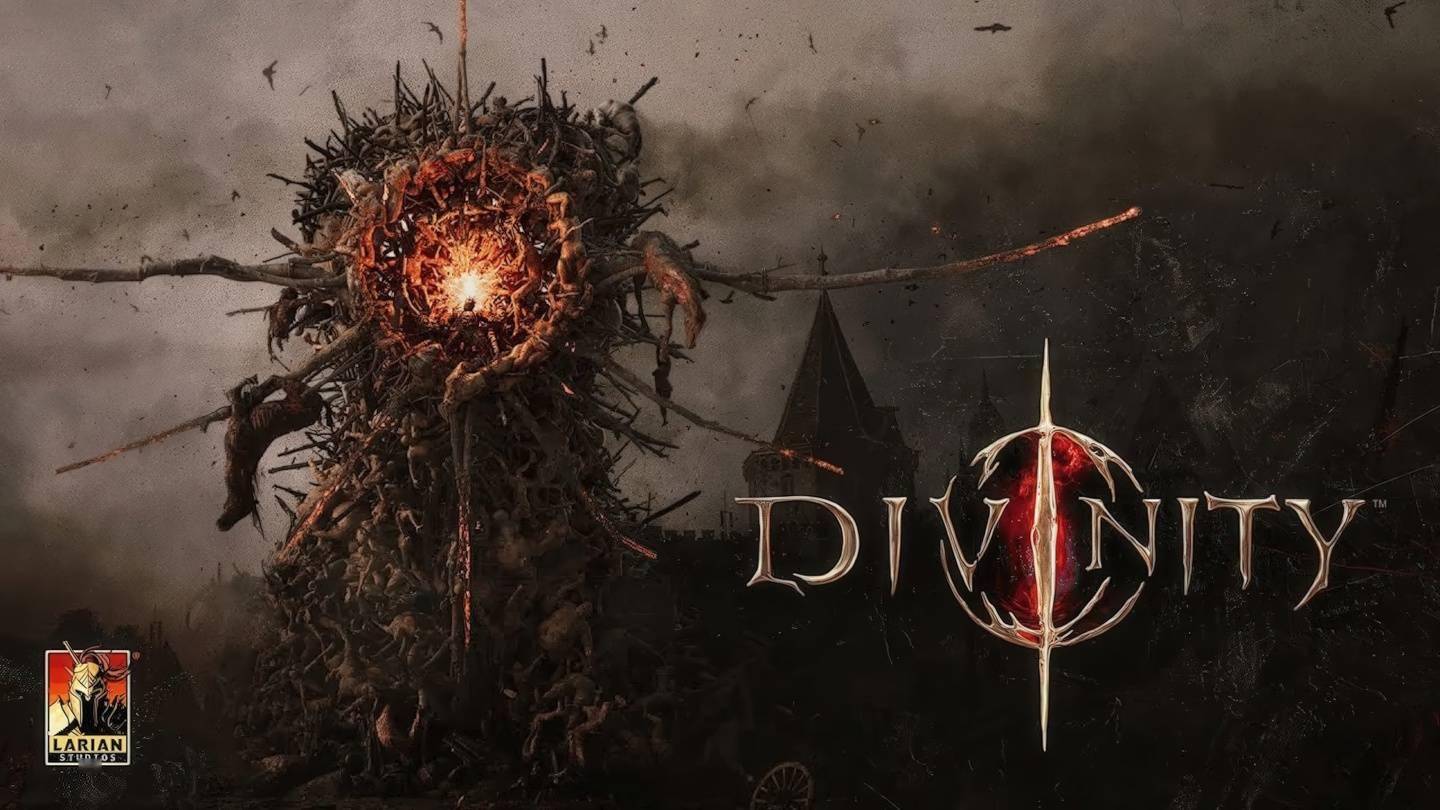
拉瑞安CEO为《神界》用AI辩护,引发粉丝与前员工不满
Sou Hu Cai Jing· 2025-12-20 03:36
Core Viewpoint - Larian Studios' CEO Swen Vincke defended the use of generative AI in the early development stages of the game "Baldur's Gate," which has sparked concerns among former employees and fans regarding the implications of AI in creative processes [1][3]. Group 1: Company Position on AI Usage - Larian Studios has been experimenting with AI for generating creative ideas, creating presentations, writing placeholder text, and concept art design, while acknowledging internal opposition to this approach [3]. - Vincke emphasized that the majority of the company's staff accepts the use of AI, but clarified that no AI-generated content will appear in the final game, as all artistic and textual content will be created by human employees [3][5]. - The company currently employs 72 artists, including 23 concept artists, and is actively recruiting more, asserting that the artworks produced are original and that the use of AI is not intended to replace artists [5][7]. Group 2: Reactions and Controversy - Vincke's statements have led to backlash from fans and former developers, with one ex-employee accusing him of dishonesty regarding the acceptance of AI [5]. - Another former artist expressed concern over the direction of the company, urging respect for the creative talents of employees and cautioning against reliance on AI for creativity [5]. - In response to the growing criticism, Vincke reiterated on social media that the company is not aggressively promoting AI or using it to replace artists, but rather exploring possibilities to enhance their work [7][9].