《历史》

Search documents
短暂的旅游,是打工人的暂停键,但旅游,你说了算吗?
Xin Lang Cai Jing· 2026-02-12 12:19
Core Perspective - The article discusses the evolution of travel literature in the context of modern society, emphasizing its role as a means of escape and self-discovery in an increasingly connected world [3][5][6]. Group 1: Historical Context of Travel - Travel has been a part of human culture for centuries, with significant growth during the Ming and Qing dynasties in China, where economic prosperity allowed for increased travel among the affluent [5]. - In 18th century Europe, the publication of travel narratives surged, with approximately 2,000 maritime narrative works published in England, reflecting a growing interest in exploration and adventure [5]. Group 2: Modern Travel Trends - The popularity of travel literature and travel-related content, such as short videos, indicates a sustained human fascination with exploration, often driven by a desire to break free from mundane routines [5][6]. - Contemporary travel is characterized by a duality of purpose, serving both as a means of escape from daily life and as a necessary break to recharge for work, creating a cycle of "long-term work—intermittent travel" [6][7]. Group 3: The Paradox of Travel - Modern travel often blurs the line between leisure and obligation, with many travelers unable to fully disconnect from work, leading to a situation where travel becomes merely a physical relocation rather than a true escape [6][7]. - The article highlights the irony that while travel is perceived as a break from routine, it often reinforces the same patterns of efficiency and productivity found in daily work life [7][8]. Group 4: Perspectives from Travel Writers - Travel writers, while seemingly free, often experience their own constraints, as the pressure to produce meaningful narratives can lead to a sense of creative anxiety [8]. - The works of travel writers like Liu Zichao and Ryszard Kapuściński illustrate the complexities of capturing the essence of travel while grappling with the demands of their craft [8].

界面荐书 | 诺奖得主的著作看不懂怎么办?
Xin Lang Cai Jing· 2025-10-12 04:34
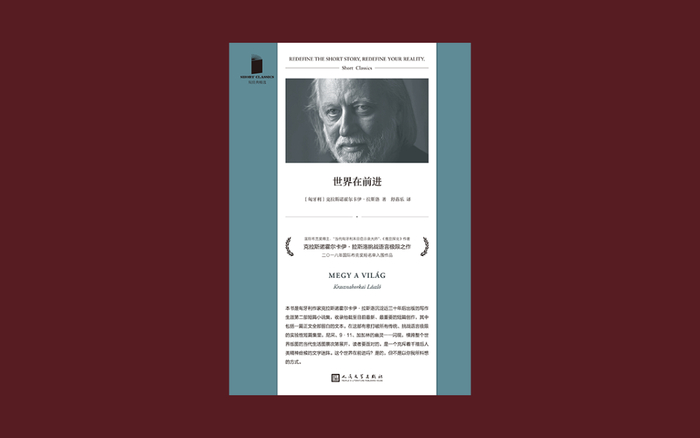
Core Points - The 2025 Nobel Prize in Literature was awarded to László Krasznahorkai for his impactful works that reaffirm the power of art amidst apocalyptic fears [1] - Krasznahorkai is recognized as one of the most prominent contemporary Hungarian authors, known for his complex and postmodern writing style [1][2] - His works often feature dystopian and melancholic themes, characterized by long, winding sentences that create a dizzying grammatical rhythm [1][2] Summary by Categories Author Background - László Krasznahorkai has received numerous prestigious awards, including the International Booker Prize and the National Book Award [1] - He is referred to as the "master of the apocalypse" by writer Susan Sontag, highlighting his thematic focus on existential dread [1] Writing Style and Themes - Krasznahorkai's writing is described as difficult to penetrate, often requiring readers to navigate a unique universe filled with recurring archetypal characters [1][2] - His narrative style is experimental, challenging traditional language limits and often leaving readers feeling lost initially, which is seen as a valuable reading experience [2][4] Notable Works - "The World is Advancing" is his second short story collection published after nearly thirty years, featuring significant contemporary themes and an experimental approach [6] - "The Baron Wenckheim's Homecoming" tells the story of a baron returning to his hometown amidst absurd rumors and societal chaos [8] - "The Melancholy of Resistance" is a long novel that explores fragmented narratives surrounding a giant whale brought to a town, reflecting societal fears and chaos [10] - "Satan's Tango" depicts a bleak village life filled with despair and betrayal, showcasing a unique narrative structure [12] - "The Mercy Relations" is a collection of short stories that exemplify his postmodern style, characterized by ambiguous settings and elusive meanings [14]