《世界在前进》

Search documents
界面荐书 | 诺奖得主的著作看不懂怎么办?
Xin Lang Cai Jing· 2025-10-12 04:34
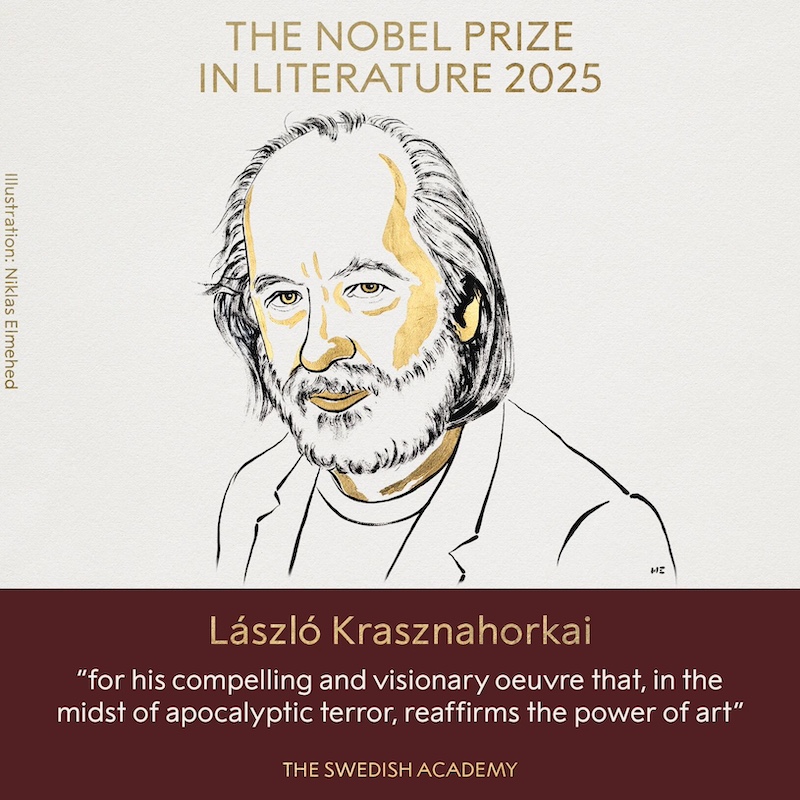
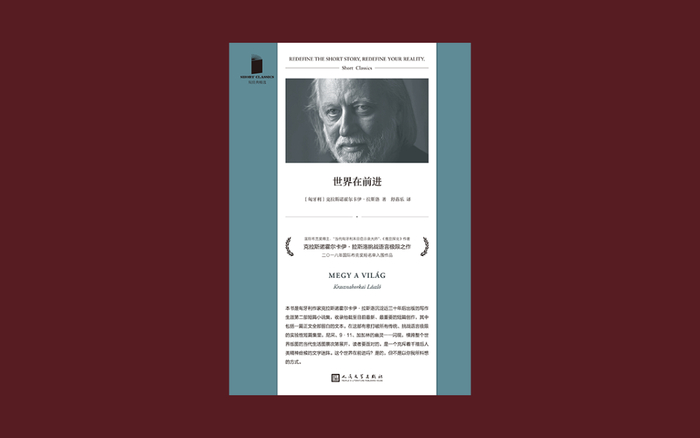
Core Points - The 2025 Nobel Prize in Literature was awarded to László Krasznahorkai for his impactful works that reaffirm the power of art amidst apocalyptic fears [1] - Krasznahorkai is recognized as one of the most prominent contemporary Hungarian authors, known for his complex and postmodern writing style [1][2] - His works often feature dystopian and melancholic themes, characterized by long, winding sentences that create a dizzying grammatical rhythm [1][2] Summary by Categories Author Background - László Krasznahorkai has received numerous prestigious awards, including the International Booker Prize and the National Book Award [1] - He is referred to as the "master of the apocalypse" by writer Susan Sontag, highlighting his thematic focus on existential dread [1] Writing Style and Themes - Krasznahorkai's writing is described as difficult to penetrate, often requiring readers to navigate a unique universe filled with recurring archetypal characters [1][2] - His narrative style is experimental, challenging traditional language limits and often leaving readers feeling lost initially, which is seen as a valuable reading experience [2][4] Notable Works - "The World is Advancing" is his second short story collection published after nearly thirty years, featuring significant contemporary themes and an experimental approach [6] - "The Baron Wenckheim's Homecoming" tells the story of a baron returning to his hometown amidst absurd rumors and societal chaos [8] - "The Melancholy of Resistance" is a long novel that explores fragmented narratives surrounding a giant whale brought to a town, reflecting societal fears and chaos [10] - "Satan's Tango" depicts a bleak village life filled with despair and betrayal, showcasing a unique narrative structure [12] - "The Mercy Relations" is a collection of short stories that exemplify his postmodern style, characterized by ambiguous settings and elusive meanings [14]

够“狠”的诺奖得主,其实中国人并不陌生
3 6 Ke· 2025-10-10 07:50
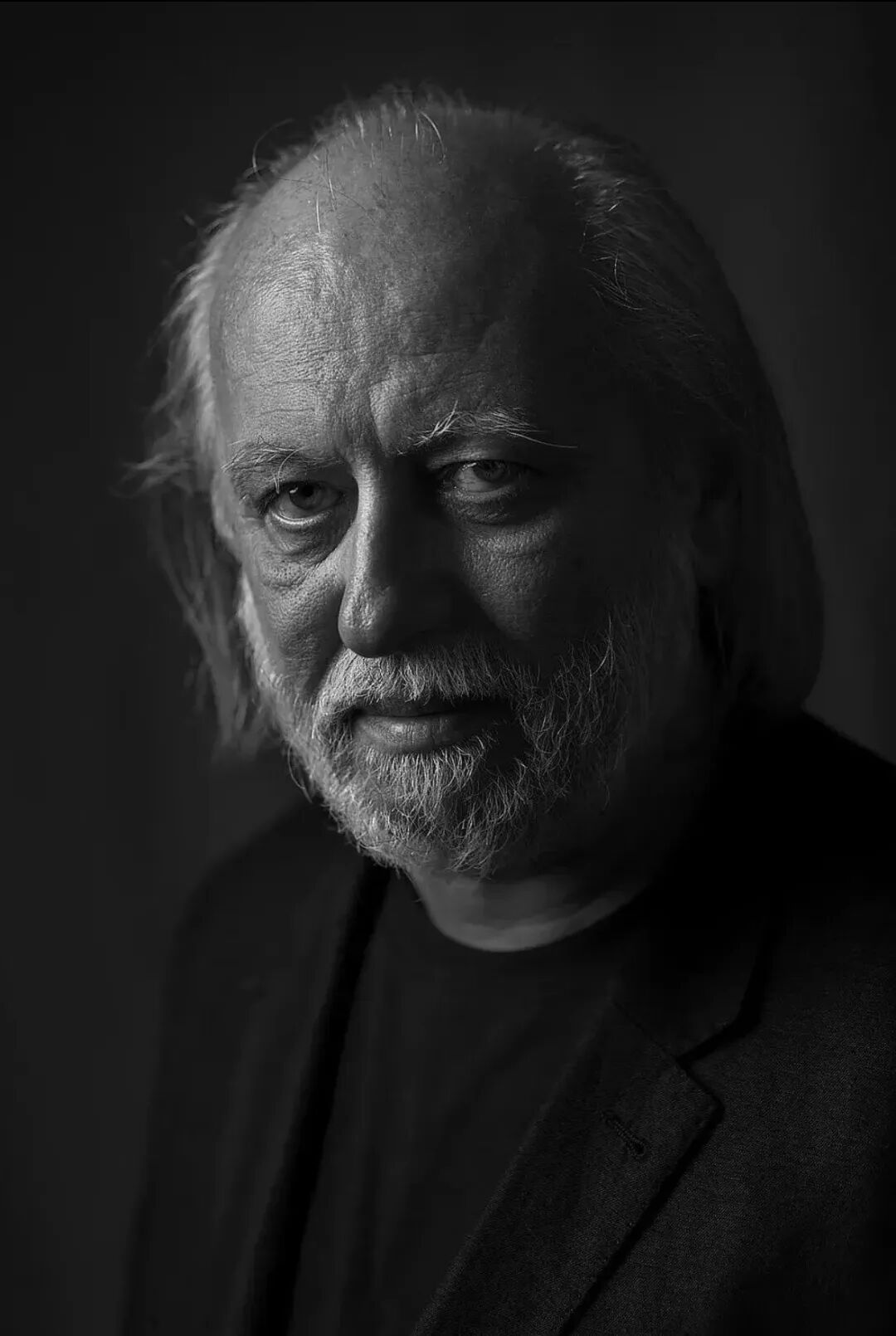
Core Viewpoint - The awarding of the 2025 Nobel Prize in Literature to Hungarian author László Krasznahorkai is seen as a recognition of his profound literary contributions that resonate with themes of human existence and the power of art in times of despair [1][3][12]. Group 1: Author Background and Works - László Krasznahorkai is known for significant literary works such as "Satan's Tango" and "The World is Advancing," and has also contributed to screenwriting for films like "The Turin Horse" [3][12]. - His interest in Chinese culture is notable, having traveled to China in the 1990s to retrace the steps of the poet Li Bai, reflecting his appreciation for Eastern classical culture [4][9]. - Krasznahorkai's writing style is characterized by long, complex sentences and a postmodern approach, often exploring dark themes and human flaws [13][26]. Group 2: Themes and Literary Style - His works frequently address the duality of hope and despair, illustrating the cyclical nature of human existence [7][8]. - The overarching theme in Krasznahorkai's literature is the exploration of a "disordered world," with a focus on the essence of existence itself, rather than merely political commentary [14][18]. - Critics describe his style as powerful and bleak, often employing black humor to convey deeper existential questions [16][20]. Group 3: Reception and Impact - The recognition of Krasznahorkai with the Nobel Prize is viewed as a significant endorsement of serious literature, particularly in the context of Eastern European literary contributions [24][25]. - His works have been translated into Chinese, making them accessible to a broader audience, and fostering a connection between Chinese and Eastern European readers [12][14]. - The complexity and depth of his writing present challenges for readers, suggesting that engagement with his work requires a serious commitment [24][30].
匈牙利作家获诺贝尔文学奖,他最喜欢的诗人是李白
第一财经· 2025-10-09 15:21
Core Viewpoint - The article highlights the recognition of Hungarian author László Krasznahorkai, who won the 2025 Nobel Prize in Literature for his compelling and visionary works that reaffirm the power of art amidst apocalyptic fears [3]. Author Background - László Krasznahorkai was born in 1954 in Győr, Hungary, and initially pursued a career in law before turning to literature [4]. - He gained fame as a jazz pianist in his youth and published his first novel in 1977 [4]. - His experiences working in a Roma community and various odd jobs inspired his acclaimed novel "Satan's Tango" [5]. Literary Style and Themes - Krasznahorkai's works are characterized by a deep philosophical observation of the human condition, exploring themes of despair and hope [7]. - His narrative style is noted for its complexity, often lacking punctuation and structure, which creates a unique reading experience [7]. - He has a profound appreciation for Chinese culture, with a particular admiration for the poet Li Bai, and has written books reflecting his experiences in China [8]. Notable Works - Key works by Krasznahorkai include "Satan's Tango," "The Melancholy of Resistance," and "The World is Advancing," with translations by renowned Hungarian translator Yu Zemin [9][11][13][15][17].
2025年诺贝尔文学奖揭晓,获奖者处女作曾被改编为7小时电影,在影坛享有崇高地位
Bei Jing Qing Nian Bao· 2025-10-09 14:51
Core Points - The 2025 Nobel Prize in Literature was awarded to Hungarian writer László Krasznahorkai for his impactful and visionary work that reaffirms the power of art in times of disaster and fear [1] Group 1: Author Background - László Krasznahorkai, born in 1954 in Gyula, Hungary, is recognized as one of the most original and profound writers in contemporary European literature [4] - He is known for his lengthy, rhythmic sentences, apocalyptic atmosphere, and philosophical explorations of human existence, often drawing comparisons to Kafka and Dostoevsky [4] - His debut work, "Sátántangó," published in 1985, is set in a decaying village and showcases the loss of humanity in the post-totalitarian era, earning a significant place in Hungarian modern literature [4] Group 2: Awards and Recognition - Krasznahorkai has received multiple international honors, including the International Booker Prize in 2015, the National Book Award for Translated Literature in 2019, and the Kafka Prize [4] - His work "The World Goes On" was translated into Chinese by translator Shu Sunle and published by People's Literature Publishing House, featuring 21 unique stories that challenge readers and push linguistic boundaries [6]
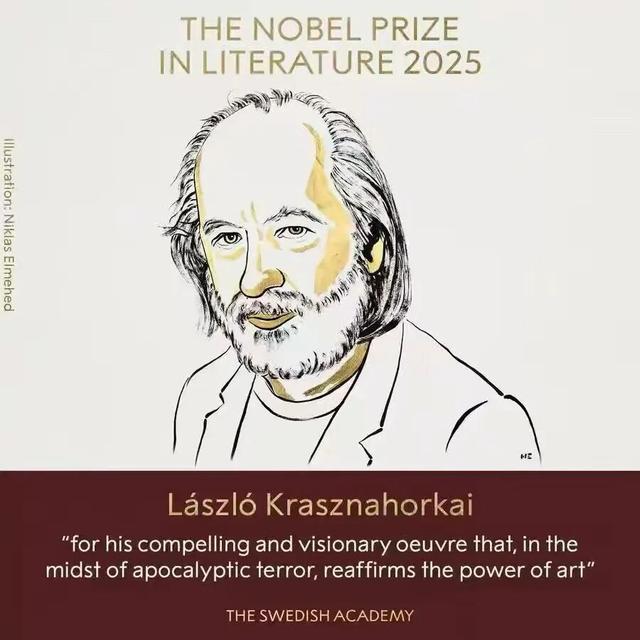
匈牙利作家拉斯洛获诺贝尔文学奖,他最喜欢的诗人是李白
Di Yi Cai Jing· 2025-10-09 14:51
Core Points - Hungarian writer László Krasznahorkai won the 2025 Nobel Prize in Literature for his captivating and visionary works that reaffirm the power of art amidst apocalyptic fears [1] - Krasznahorkai is recognized as one of Hungary's most significant contemporary writers, having won numerous prestigious literary awards including the 2015 International Booker Prize [4] - His notable works include "Satan's Tango," which was published in Chinese in 2013, and a recent collection of short stories titled "The World is Advancing" [4][9] Author Background - László was born in 1954 in Győr, Hungary, and initially pursued a career in law before turning to literature [5] - He has a long-standing friendship with translator Yu Zemin, who has introduced his works to Chinese readers [5] - Krasznahorkai's early experiences, including a period of unemployment and various odd jobs, inspired the themes and narratives in his writing [6] Literary Style and Themes - His writing is characterized by a complex structure and philosophical reflections on human despair and hope, often drawing comparisons to Kafka [8] - The narrative style is described as challenging, requiring readers to engage deeply with the text to appreciate its nuances [8] Cultural Influence - Krasznahorkai has a profound appreciation for Chinese culture, having traveled to China and written books reflecting his experiences [9] - He has expressed admiration for Chinese poet Li Bai, considering him a modernist figure in Tang Dynasty literature [9]