《故障乌托邦》

Search documents
从银河奖看“中国式科幻”创作生态的形成
Xin Lang Cai Jing· 2025-11-25 09:53
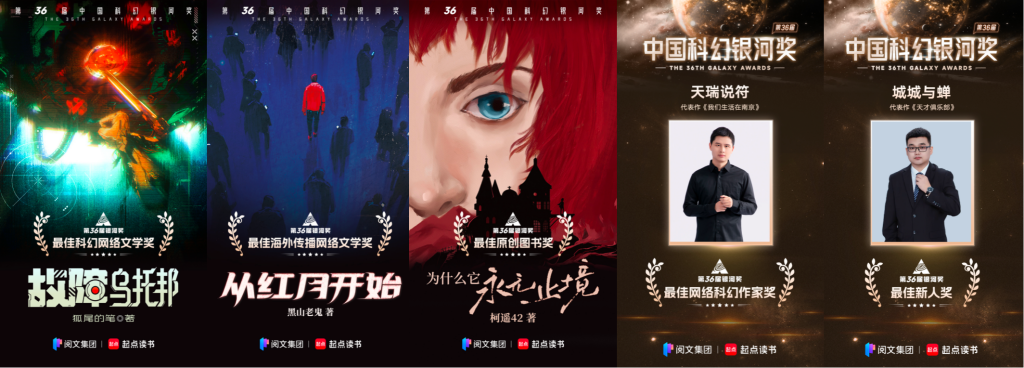
Core Insights - The Chinese Sci-Fi Galaxy Awards recognized outstanding contributions in the field of science fiction literature, highlighting the emergence of young authors and innovative narratives [1][3][6] Award Winners - Fox Tail's Pen won the Best Sci-Fi Online Literature Award for "Utopian Malfunction," showcasing a complex narrative that intertwines consciousness uploading, AI rebellion, and human redemption [1][3] - Ke Yao 42 received the Best Original Book Award for "Why It Never Ends," which explores themes of individual choice amidst divine blessing and harsh realities, marking a significant contribution to female-centric sci-fi narratives [4][6] - Cheng Cheng and Cicada won the Best Newcomer Award, indicating a growing recognition of new talent in the genre [1][3] - Tian Rui Shuo Fu, awarded Best Online Sci-Fi Writer, has produced diverse works centered on "near-future + hard technology + regional characteristics," establishing a unique narrative style [4][6] - Heishan Laogui's "Starting from the Red Moon" won the Best Overseas Dissemination Award, reflecting the global potential of Chinese sci-fi narratives [5][6] Industry Trends - The Galaxy Awards have evolved to include various categories, such as Best Original Book and Best Newcomer, reflecting the diversification of the sci-fi literature landscape in China [6][10] - The integration of cyberpunk themes into Chinese sci-fi literature has led to a redefinition of traditional narratives, incorporating local aesthetics and cultural symbols [7][9] - Suspense and mystery elements are increasingly blended with sci-fi, creating a hybrid genre that enhances narrative complexity and reader engagement [8][9] - The rise of "transcendent Chinese psychological realism" in sci-fi literature is facilitating the global dissemination of Chinese cultural elements [9][10] Collaborative Initiatives - The launch of the "Galaxy Plan" aims to support young sci-fi creators and enhance the professional and diverse nature of the Galaxy Awards, promoting a healthy development of the sci-fi literature ecosystem [10][12] - The collaboration between Qidian Reading and "Science Fiction World" magazine is set to streamline the submission process and enhance the circulation of quality sci-fi works [10][12] Future Outlook - The Chinese sci-fi literature ecosystem is transitioning from individual works to a comprehensive IP universe, indicating a shift towards high-quality development and global engagement [12]

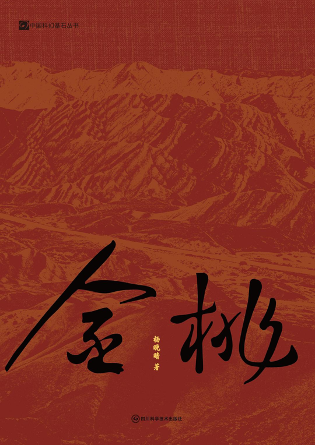
第36届银河奖揭晓 《金桃》斩获最佳科幻长篇小说奖
Xin Jing Bao· 2025-09-21 23:06
Core Insights - The 2025 Galaxy Science Fiction Conference was held in Chengdu, Sichuan from September 19 to 21, focusing on the theme "In the Face of the Future, Enjoy the Future" [1] - The conference featured the launch of the "Galaxy Plan" by Qidian Reading in collaboration with "Science Fiction World" [1] - The 36th Galaxy Awards were announced, with notable winners including Yang Wanqing for Best Science Fiction Novel and various authors for short and medium-length works [1][3] Group 1: Conference Highlights - The Galaxy Science Fiction Conference, originally established in 1991, has been held biennially since 2017 [1] - The event was co-hosted by the Sichuan Provincial Association for Science and Technology and the Sichuan Tianfu New Area Management Committee [1] - The conference included a thematic forum titled "The Multiverse of Science Fiction," featuring prominent authors and industry figures discussing global dissemination and cross-media narratives [5] Group 2: Awards and Recognitions - Yang Wanqing's novel "Golden Peach" won the Best Science Fiction Novel award, set against a backdrop of the Tang Dynasty [1] - The Best Science Fiction Network Literature Award was awarded to "Faulty Utopia" by Hu Wei, highlighting the increasing importance of online literature in the science fiction industry [3][5] - New awards were introduced, including Best Network Science Fiction Writer and Best Overseas Dissemination of Network Literature, reflecting a growing emphasis on digital and international engagement [3][5] Group 3: Galaxy Plan Initiatives - The "Galaxy Plan" aims to support young science fiction creators and includes initiatives like a "Science Fiction Genre Writing Contest" and dedicated funding for science fiction web literature [5] - The plan is backed by notable authors such as A Lai and Liu Cixin, indicating a strong commitment to enhancing the quality and reach of Chinese science fiction [5] - The initiative is expected to foster a more vibrant creative environment and broaden the dissemination channels for Chinese science fiction [5]