
《文明的重建:战后德国五十年》

Search documents
第一财经年度人文图书|寻找“我们”共同的故事
Di Yi Cai Jing· 2026-01-09 03:09
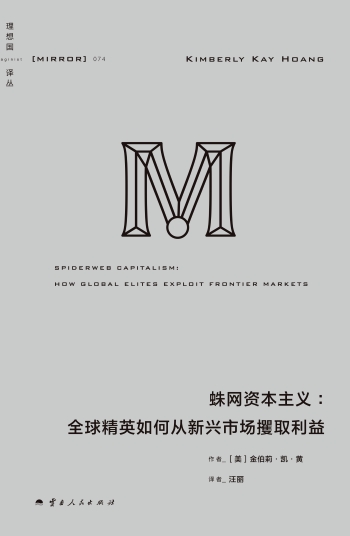
Group 1 - The core idea of the articles revolves around the voices of marginalized groups, particularly vocational school students and female delivery riders, highlighting their struggles and resilience in society [1][22][39] - The book "I Am a Vocational Student" by Lu Qianyi captures the narratives of vocational school students, emphasizing their often overlooked experiences and the impact of their backgrounds on their life choices [1][39] - "Running Takeout: A Female Rider's World" by Wang Wan explores the challenges faced by female delivery riders, detailing their physical and emotional struggles in a male-dominated industry [22][23] Group 2 - The concept of "Spider Web Capitalism" introduced by Kimberly Kay Huang illustrates the informal networks that allow wealthy individuals to exploit emerging markets, raising concerns about global inequality [9][10] - "The Reconstruction of Civilization" by Conrad H. J. Yalow discusses Germany's post-war societal transformation, focusing on how the country reconciled with its past and built a more inclusive public society [12][14] - Neil MacGregor's "Gods: 40,000 Years of People, Objects, and Beliefs" examines the role of faith in shaping human identity and community, addressing both major global religions and localized belief systems [16][18]

战后德国如何重塑自信、与过去达成和解?
Di Yi Cai Jing· 2025-07-18 01:27
Core Viewpoint - The article discusses the historical reflection and transformation of Germany post-World War II, emphasizing the role of education and public discourse in shaping a more peaceful and democratic society, as explored in the book "Rebuilding Civilization: Fifty Years of Postwar Germany" by Conrad H. J. Yalowsh [1][4]. Group 1: Historical Transformation - Yalowsh identifies three historical phases in Germany's transformation: the immediate post-war period focused on dismantling Nazi influence, the 1960s aimed at integrating with Western nations and fostering a more inclusive society, and the 1990s which centered on establishing a new identity and maintaining an open cultural environment [3][4]. - The process of denazification involved significant public engagement, including a comprehensive questionnaire distributed to Germans to assess their involvement with the Nazi regime, which was crucial for employment opportunities post-war [5]. Group 2: Role of Education and Media - The influence of Western occupying forces on German education policies was profound, promoting anti-war, pacifist, and reflective approaches to Nazi history [1][4]. - Media played a critical role in reshaping public consciousness, with the emergence of newspapers and radio stations that advocated for open-mindedness and cultural reform, significantly impacting the German populace's mindset [5]. Group 3: Environmental Awareness and Youth Movements - The post-war generation of German youth began to resist authority, leading to significant social movements in the 1960s, which laid the groundwork for environmental consciousness and activism [6][7]. - The environmental movement gained momentum in response to industrial pollution and nuclear concerns, culminating in the rise of the Green Party in the 1980s, which marked a shift towards sustainable development in German society [8][9].
