
道德推脱

Search documents
第一财经年度行知图书 | 走进现场,捕捉时代的微光
Di Yi Cai Jing· 2026-01-16 03:49
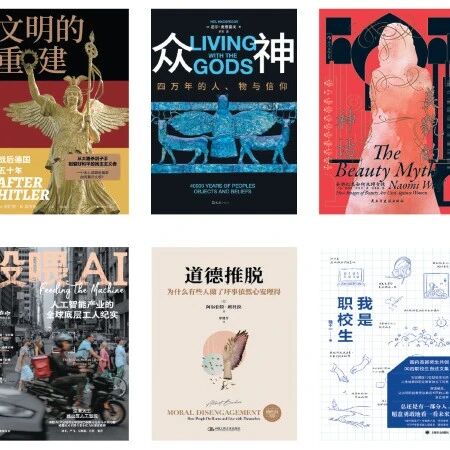
Core Insights - The article discusses a new book category "Xingzhi" established by Yicai since 2023, focusing on works that explore complex realities and deep histories through on-site observations and human experiences [1] Group 1: Book Summaries - "Run Takeaway" by Wang Wan provides a detailed account of the author's experiences as a female delivery rider in a predominantly male industry, highlighting the challenges and gender identity issues faced [2] - "Feeding AI" presents the real experiences of workers in the AI industry, based on over ten years of research involving more than 200 workers, revealing the precarious conditions and the loss of bargaining power among laborers [2][15] - "The Affluent Generation" is the first non-fiction work focusing on the identity politics and thought processes of young urban Chinese born between 1995 and 2005, contrasting their experiences with those of their parents [3][9] - "Moral Disengagement" by Albert Bandura analyzes the psychological mechanisms behind moral disengagement in various sectors, providing insights into how individuals justify unethical behavior [5][18] - "The Shadow of the Sun" by Ryszard Kapuściński documents the author's extensive observations in Africa over 40 years, presenting a nuanced view of the continent's struggles and cultural complexities [6][13] Group 2: Societal Reflections - The selected books reflect the current societal realities, including the impact of new technologies, industries, and generational identity crises, emphasizing shared human experiences across different contexts [1][4] - The narratives in "Run Takeaway" and "Feeding AI" highlight the inequalities present in labor markets and the broader implications of technological advancements on workers' rights and identities [3][15] - "The Affluent Generation" illustrates the generational divide in values and experiences, shaped by the socio-economic changes in China over the past 40 years, and the resulting identity conflicts [4][9]


第一财经年度人文图书|寻找“我们”共同的故事
第一财经· 2026-01-10 04:12
Core Viewpoint - The article emphasizes the importance of recognizing and amplifying the voices of vocational school students in China, a group often overlooked in mainstream narratives. It highlights their struggles, resilience, and the need for societal acknowledgment and understanding of their experiences [3][67]. Summary by Sections Section on Vocational School Students - The book "I Am a Vocational Student" by Lu Qianyi presents the stories of 12 students, revealing their backgrounds and the challenges they face, including negative experiences with teachers and family issues that influenced their educational paths [67][68]. - Many students express feelings of being marginalized and the impact of their family dynamics on their academic choices, with some feeling they had only one chance at success compared to others who had multiple opportunities [67][68]. Section on Broader Societal Context - The article draws parallels between the experiences of vocational students and broader societal issues, suggesting that their stories reflect a larger narrative of youth struggling against systemic barriers and societal expectations [3][67]. - It calls for a shift in perception, urging society to view these students not as "others" but as integral parts of the community, deserving of empathy and support [3][67].
第一财经年度人文图书|寻找“我们”共同的故事
Di Yi Cai Jing· 2026-01-09 03:09
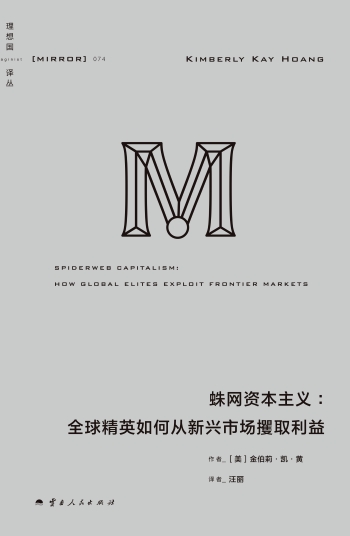
Group 1 - The core idea of the articles revolves around the voices of marginalized groups, particularly vocational school students and female delivery riders, highlighting their struggles and resilience in society [1][22][39] - The book "I Am a Vocational Student" by Lu Qianyi captures the narratives of vocational school students, emphasizing their often overlooked experiences and the impact of their backgrounds on their life choices [1][39] - "Running Takeout: A Female Rider's World" by Wang Wan explores the challenges faced by female delivery riders, detailing their physical and emotional struggles in a male-dominated industry [22][23] Group 2 - The concept of "Spider Web Capitalism" introduced by Kimberly Kay Huang illustrates the informal networks that allow wealthy individuals to exploit emerging markets, raising concerns about global inequality [9][10] - "The Reconstruction of Civilization" by Conrad H. J. Yalow discusses Germany's post-war societal transformation, focusing on how the country reconciled with its past and built a more inclusive public society [12][14] - Neil MacGregor's "Gods: 40,000 Years of People, Objects, and Beliefs" examines the role of faith in shaping human identity and community, addressing both major global religions and localized belief systems [16][18]
心理学视角复盘智驾事故,警惕“技术崇拜综合征”
汽车商业评论· 2025-04-12 11:37
撰 文 / 伏芳香、齐云龙 既然这里面起关键作用的是人类决策,那我们有必要对人的心理机制有更多清晰的认识,以避免或 者至少减少此类惨剧的再次发生。 为什么智驾出事的司机,那么盲目相信技术?开启智驾后,人们的接管速度还会那么快吗?车载智 驾真的已经做到"更像人"、"如老司机般"的程度了吗?为什么出事后,舆情会呈现一边倒的状况? 这背后,涉及哪些心理学原理和机制呢,这里给大家一一解读。 幸存者偏差,实验室里的"安全神话" 幸存者偏差(Survivorship Bias)是指人们往往只关注成功案例而忽视失败案例的逻辑谬误。这种 认知陷阱,在智驾领域正在制造危险的"安全神话"。车企公布的实验室数据如同经过精心筛选的幸 存者样本:那些完美触发AEB(自动紧急制动)的测试场景,掩盖了真实道路环境中诸如锥形桶、 侧翻车辆等非标准障碍物的"小概率"致命风险。 幸存者偏差研究的历史可以追溯到二战期间。当时美军战机在空战中损失惨重,为了提高飞机的防 御能力,统计了作战飞机的受损情况。他们发现,返航飞机各个损伤部位被击中的弹孔数不同,发 动机部位的弹孔数最少,而机身和机翼的弹孔较多,得出的结论是应该在这些弹孔最密集的部位加 上装甲 ...